
How Many People Live in Mongolia? Understanding Population Estimates
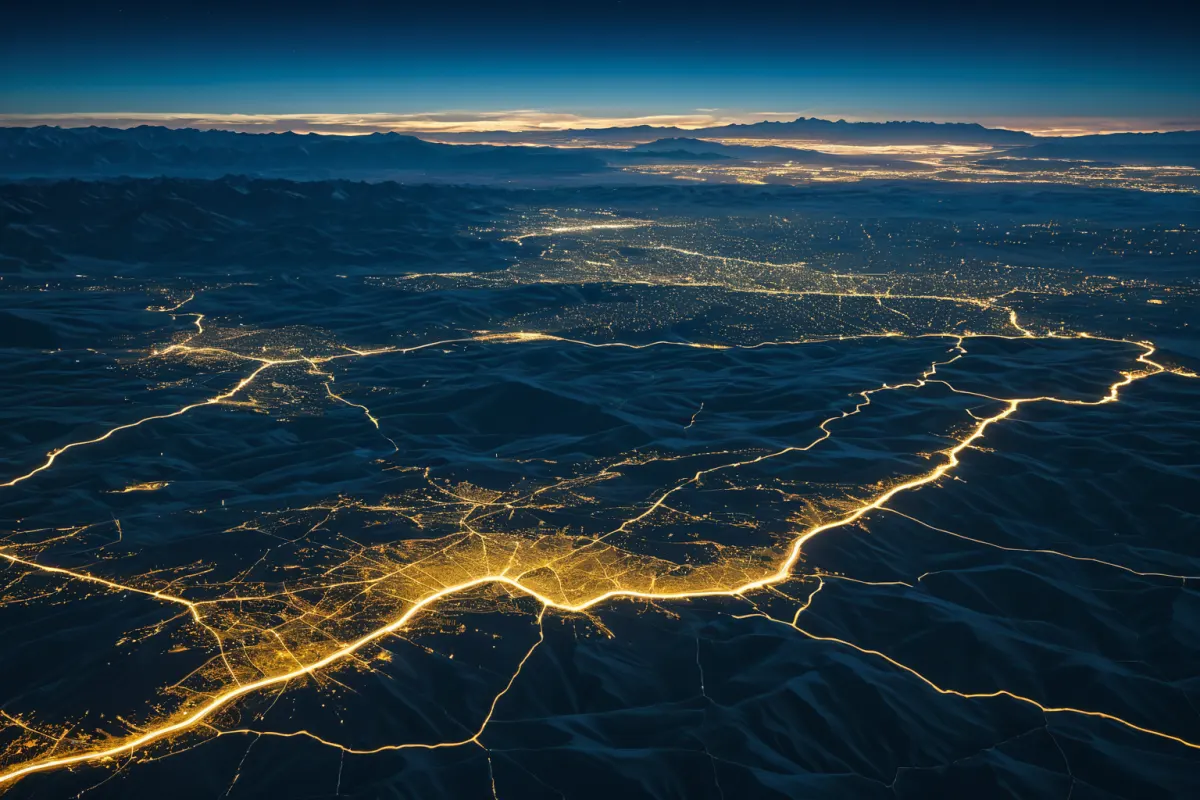
Mongolia's total population is commonly estimated around 3.5 million people according to recent data. However, this number can fluctuate slightly depending on the publication date and methodology used, so it's important to check both the year of the estimate and the source for accuracy.
When searching online, you might see terms like 'Mongolia population 2024' or 'Mongolia population 2025.' This is because population numbers change annually due to births, deaths, migration, and different estimates from international organizations and national statistics.
What Is Mongolia's Population Size?
Mongolia isn't considered a populous country. Despite its vast territory, the population density remains low, so it's reasonable to say the total population is roughly in the mid-3 million range.
For example, as of 2024, most international statistics and population estimates mention around 3.5 million people. Projections for 2025 and 2026 follow a similar trend with gradual changes rather than sudden increases.
You can find more articles on this topic in one place.
View Related ArticlesWhy Population Figures Vary
The main reason population numbers differ across sources is the distinction between official resident registration statistics and international organization estimates. Some data may be based on year-end figures, while others reflect mid-year projections.
Additionally, urban areas like Ulaanbaatar are growing rapidly, while rural regions experience lower populations and higher mobility, leading to discrepancies depending on when the data was collected. Factors such as students studying abroad, people living overseas, and seasonal migration can also affect how numbers are reported.
Why Mongolia's Population Feels Small
To understand why Mongolia's population seems low, consider its geography. The country has a large territory but many areas feature deserts, grasslands, and harsh climate conditions that make dense settlement difficult. As a result, people tend to concentrate in the capital and major cities.
Low birth rates and urban concentration also play roles. Rural populations are declining as people move toward Ulaanbaatar, leading to an overall population increase but creating the perception of a sparsely populated country with vast empty spaces.
The Dominance of Ulaanbaatar's Population
When discussing Mongolia's population, it's hard to overlook Ulaanbaatar. The capital houses most administrative, educational, medical, and job opportunities, drawing a large portion of the national population. Consequently, Ulaanbaatar’s population often has more influence on how people perceive Mongolia than the total national figure.
For instance, when researching travel or business information, data based on Ulaanbaatar is usually more practical than general national statistics. This is because daily life factors like cost of living, transportation, and housing demand are concentrated in the capital.

How to Verify Population Data
The first thing to check is the reference year. Even if the topic is 'Mongolia population,' the number can differ between a 2024 estimate and a 2025 projection. Relying solely on a single number could lead to using outdated information.
Second, consider the source. International organizations, demographic websites, and national statistics offices each use slightly different methodologies. If you see numbers in blogs or articles, it's helpful to know which institution they're based on.
For example, if someone states 'Mongolia population is 3.4 million,' another source might say 'around 3.5 million.' Instead of assuming one is wrong, check whether the estimates are from different time points or methods.
Why Population Data Should Be Viewed with Economic Context
Mongolia's total population should be viewed alongside its economic structure. A smaller population can mean a limited domestic market and greater reliance on resource industries or foreign trade.
Conversely, strong urban concentration means that infrastructure demand for housing, transportation, and daily services in the capital grows rapidly. Thus, population numbers aren't just statistics—they offer insight into city development and lifestyle patterns.
Practical Examples to Check Population Data
A simple search like 'Mongolia population 2025' can help find year-specific estimates. Look for terms like 'estimate,' 'projection,' or 'census' in the title to avoid confusion.
If you're planning a trip, it might be more useful to check Ulaanbaatar's population rather than Mongolia's total. Depending on whether you'll focus on capital life or rural travel, accommodation, transportation, and communication options can vary significantly.
Mongolia's Population vs. the Mongol Empire
Occasionally, people confuse current Mongolia's population with that of the historical Mongol Empire. These are completely different topics. Modern Mongolia refers to the contemporary nation-state's population, while the Mongol Empire represents a historical period with vast territory and populations across multiple regions.
If you come across mixed information during your search, first determine whether it's about modern demographics or historical data. For current population figures, historical sources should only be used as reference.
Frequently Asked Questions
Q1. What is Mongolia's exact total population?
The most common estimate is around 3.5 million people, but it varies slightly depending on the year and source of the data.
Q2. Why does Mongolia have a small population?
This results from geographical challenges—large territory with harsh climate and terrain that make dense settlement difficult—and an urban concentration pattern where people move toward the capital.
Q3. Will Mongolia's population change significantly by 2026?
Changes are expected to be gradual rather than sudden, though it's best to verify the latest estimates based on publication dates.
When looking at Mongolia's total population, it's more important to consider both the reference year and source of data than simply memorizing a single number. Always double-check with the most recent official sources before using the information for practical purposes.
Continue exploring similar topics.
See Category ArticlesFAQ
What is Mongolia's exact total population?
The most common estimate is around 3.5 million people, but it varies slightly depending on the year and source of the data.
Why does Mongolia have a small population?
This results from geographical challenges—large territory with harsh climate and terrain that make dense settlement difficult—and an urban concentration pattern where people move toward the capital.
Will Mongolia's population change significantly by 2026?
Changes are expected to be gradual rather than sudden, though it's best to verify the latest estimates based on publication dates.
Korean Source
This article is an English localization of a Korean-language report from BlogScore. Original: 몽골 총 인구수는 얼마? 최신 기준으로 보는 방법