
Modern Twists on Traditional Korean Cuisine: Real-Life Recipes to Try
Modern Twists on Traditional Korean Cuisine: Real-Life Recipes to Try
Reinterpreting traditional Korean dishes in a modern way goes beyond simply changing recipes—it reflects creative adaptations that align with global trends and the tastes of Generation Z. From the reinterpretation of traditional dishes showcased at APEC summits to Andong City's 'Shinjeonkeea,' this article explores practical, real-world examples of modernized recipes.
The Revival of Joseon-era Refinement: Tradition Meets Modern Dining
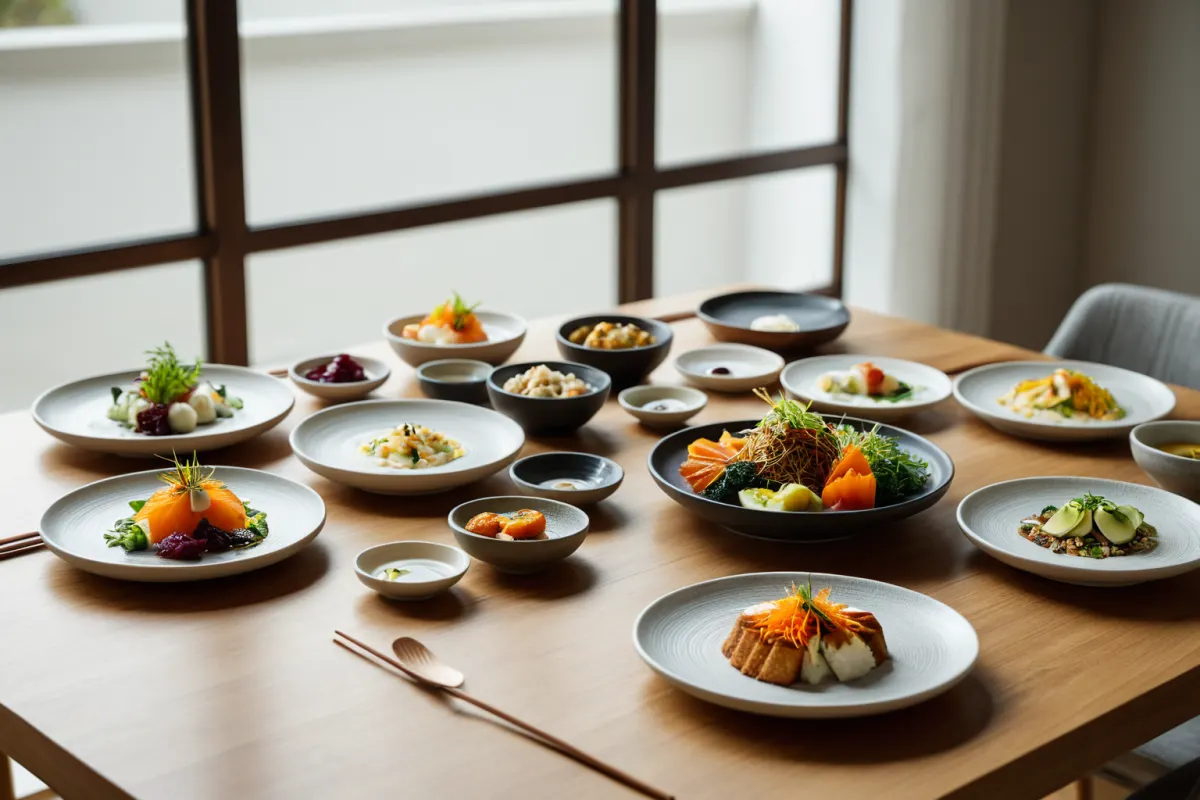
Joseon-era culinary culture is making a comeback on today’s dining tables. Restaurants are reinterpreting traditional dishes from the Joseon period into modern, three-star-level cuisine. For instance, side dishes (banchan) from that era are being transformed and served in contemporary settings.
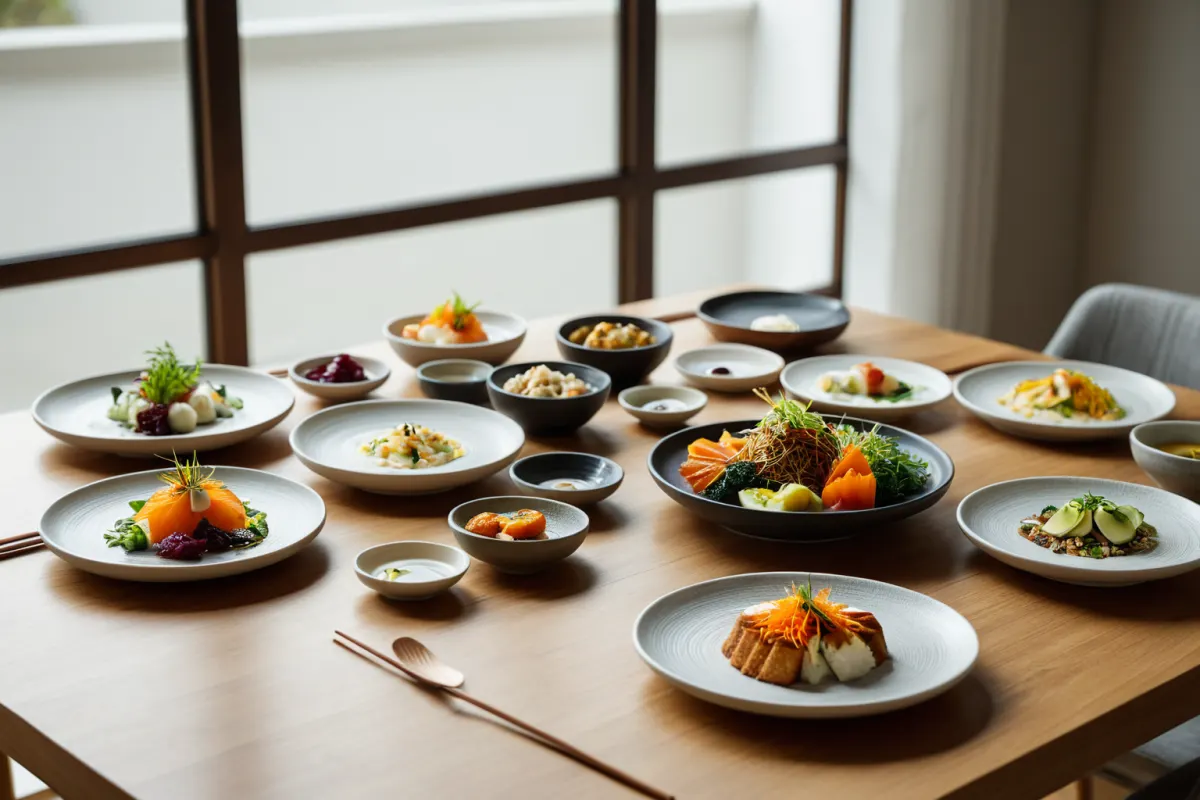
This revival isn’t about simply restoring old recipes—it’s about adapting them to suit today’s palates with new techniques and presentations. Small-scale banchan, for example, are now presented in miniature portions on tiny plates, showcasing thoughtful attention to detail.
Traditional Ingredients Gain Global Attention: Mugwort and Black Sesame Coffee Brands
Mugwort and black sesame are gaining recognition from international coffee brands. This highlights how traditional ingredients can be combined with modern tastes to create new trends. For example, mugwort-based teas and black sesame-flavored coffees have become popular overseas.
Notably, these ingredients are being celebrated for their health benefits, leading to successful global market products. Traditional Korean food ingredients aren’t just staying within Korea—they’re capturing the interest of people worldwide.
APEC Summit’s Modern Reinterpretation: Traditional Dishes on International Stage
At APEC summit banquets, modern reinterpretations of traditional dishes were featured. Under the leadership of head chef Edward Lee, Joseon-era cooking techniques were reimagined with a contemporary twist. This showcases how Korean cuisine is gaining international recognition.
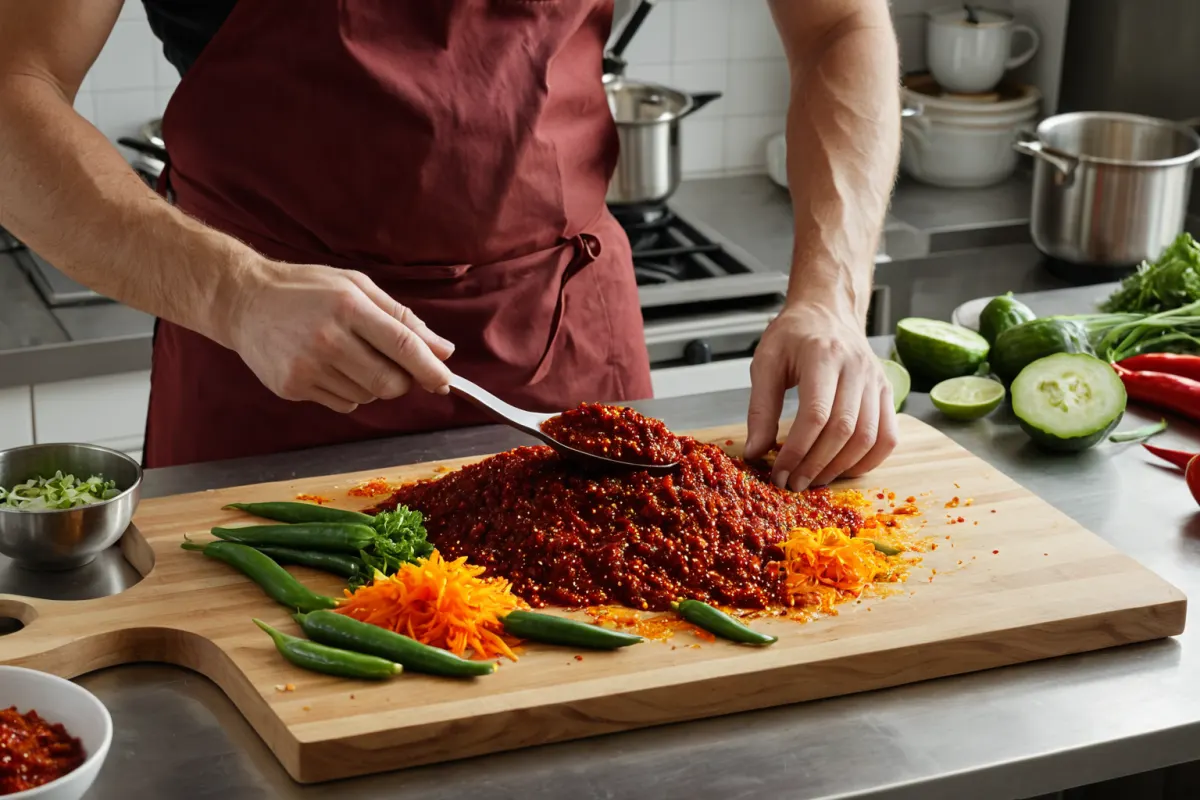
Specifically, traditional ingredients like gochujang (Korean chili paste) were combined with modern culinary methods to create innovative dishes, reflecting creative approaches that blend heritage and innovation.
Andong City’s 'Shinjeonkeea': A Modern Take on a 500-Year-Old Cookbook
Andong City has developed a new dish called 'Shinjeonkeea' by reinterpreting the 500-year-old cookbook 'Suwonjapbang.' This isn’t just a simple recreation of traditional recipes—it’s been tailored to modern tastes and health trends.
'Shinjeonkeea' maintains the essence of traditional flavors while harmonizing with contemporary dining culture. The dish reinterprets Suwonjapbang’s traditional cooking methods through a modern lens, creating a new recipe that blends tradition and modernity.
CJ Freshway's 'Hyeongtojeongchan': Modern Twist on School Meal Menus
CJ Freshway introduced 'Hyeongtojeongchan,' a menu reinterpreting Jeju Island’s local cuisine for school meals. This isn’t about restoring old dishes—it’s about adapting them to fit modern eating habits with new techniques and presentations.
The dish highlights Jeju’s local ingredients to create healthy, delicious meal options. It demonstrates how traditional food can find its place in today’s dining culture.
Seoul Sauce 1991: Expanding Gochujang Use for Global Sauce Brand Growth
Seoul Sauce 1991 is reimagining gochujang (Korean chili paste) with a modern twist, helping the brand grow into a global sauce company. This isn’t about using traditional sauces as-is—it’s about developing new cooking methods and applications to enter new markets.
Especially, instant recipes using gochujang have gained popularity, including a 'magic instant gochujang' method demonstrated by chef Choi Myung-hee on the cooking show 'Alto Ran.' This is a prime example of how traditional ingredients are being creatively used in modern contexts.
Cultural and Sports Ministry’s Korean Cultural Center: Combining Korean and Brazilian Flavors
The Korean Cultural Center under the Ministry of Culture, Sports and Tourism hosted a cooking class at the 2024 APAS SHOW that combined traditional Korean ingredients with Brazilian cooking techniques. This showcases how traditional cuisine can be reinterpreted on a global stage.
By blending Korean staples with Brazilian methods, new flavors are created, illustrating how modern adaptations of traditional food contribute to global culinary trends.
MZ Generation’s Instagram Culture: Traditional Dishes Go Viral
The MZ generation (Millennials and Gen Z) is driving a trend by sharing regional Korean dishes on platforms like Instagram. This shows how traditional cuisine can blend seamlessly with modern lifestyles.
For instance, miniature banchan presentations are gaining traction online, with photos of these small-scale side dishes receiving high engagement on social media platforms.
Frequently Asked Questions
1. What is the most important factor in reinterpreting traditional Korean cuisine for modern tastes?
The key lies in creative recipes that reflect today’s palates and health trends, rather than simply restoring old traditions. The focus should be on creating new flavors through a contemporary lens.
2. What is 'Shinjeonkeea'?
'Shinjeonkeea' is a new dish developed by Andong City by reinterpreting the 500-year-old cookbook 'Suwonjapbang.' It combines tradition with modernity, offering healthy and delicious meals.
3. How do you prepare instant recipes using gochujang?
Seoul Sauce 1991 has developed easy-to-use methods for incorporating gochujang into quick dishes. For example, chef Choi Myung-hee demonstrated a 'magic instant gochujang' recipe on the cooking show 'Alto Ran,' which can be easily replicated at home.
Frequently Asked Questions
Modern reinterpretations of Korean traditional cuisine aren’t just about changing recipes—they’re creative approaches that align with global trends and Generation Z’s preferences. From APEC summit menus to Andong City’s 'Shinjeonkeea,' this article has highlighted practical, real-world examples of modernized recipes.
These adaptations show that traditional food isn’t merely reviving the past—it’s playing a key role in shaping future dining culture. As tradition and modernity continue to blend, new recipes will keep evolving, offering fresh experiences for global audiences.
Korean cuisine is gaining international recognition not by simply restoring traditions but through creative reinterpretations that provide new tastes and experiences.
You can explore more articles on similar topics in one place.
View Related ArticlesFAQ
What is the most important factor in reinterpreting traditional Korean cuisine for modern tastes?
The key lies in creative recipes that reflect today’s palates and health trends, rather than simply restoring old traditions. The focus should be on creating new flavors through a contemporary lens.
What is 'Shinjeonkeea'?
'Shinjeonkeea' is a new dish developed by Andong City by reinterpreting the 500-year-old cookbook 'Suwonjapbang.' It combines tradition with modernity, offering healthy and delicious meals.
How do you prepare instant recipes using gochujang?
Seoul Sauce 1991 has developed easy-to-use methods for incorporating gochujang into quick dishes. For example, chef Choi Myung-hee demonstrated a 'magic instant gochujang' recipe on the cooking show 'Alto Ran,' which can be easily replicated at home.
Korean Source
This article is an English localization of a Korean-language report from BlogScore. Original: 한국 전통 음식을 현대적으로 재해석하는 실전 레시피