
Middle School Modern History Expansion: What's New and How It Affects Learning
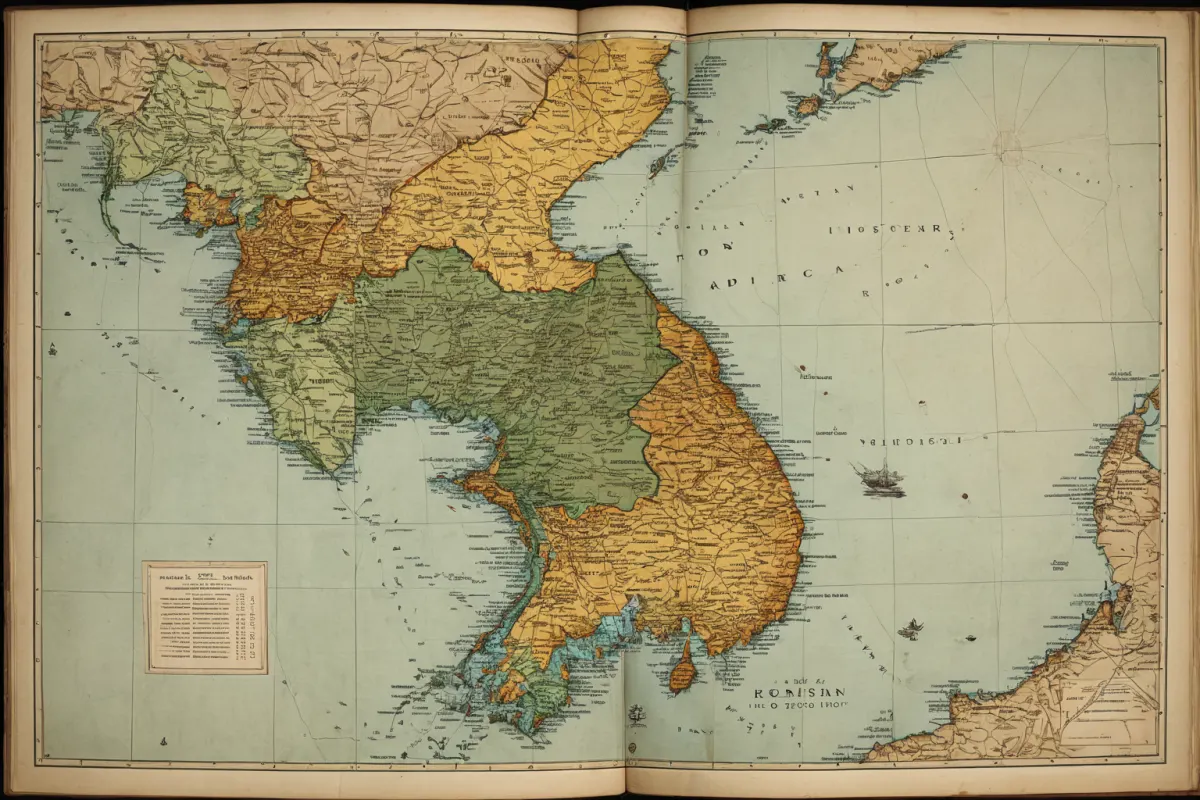
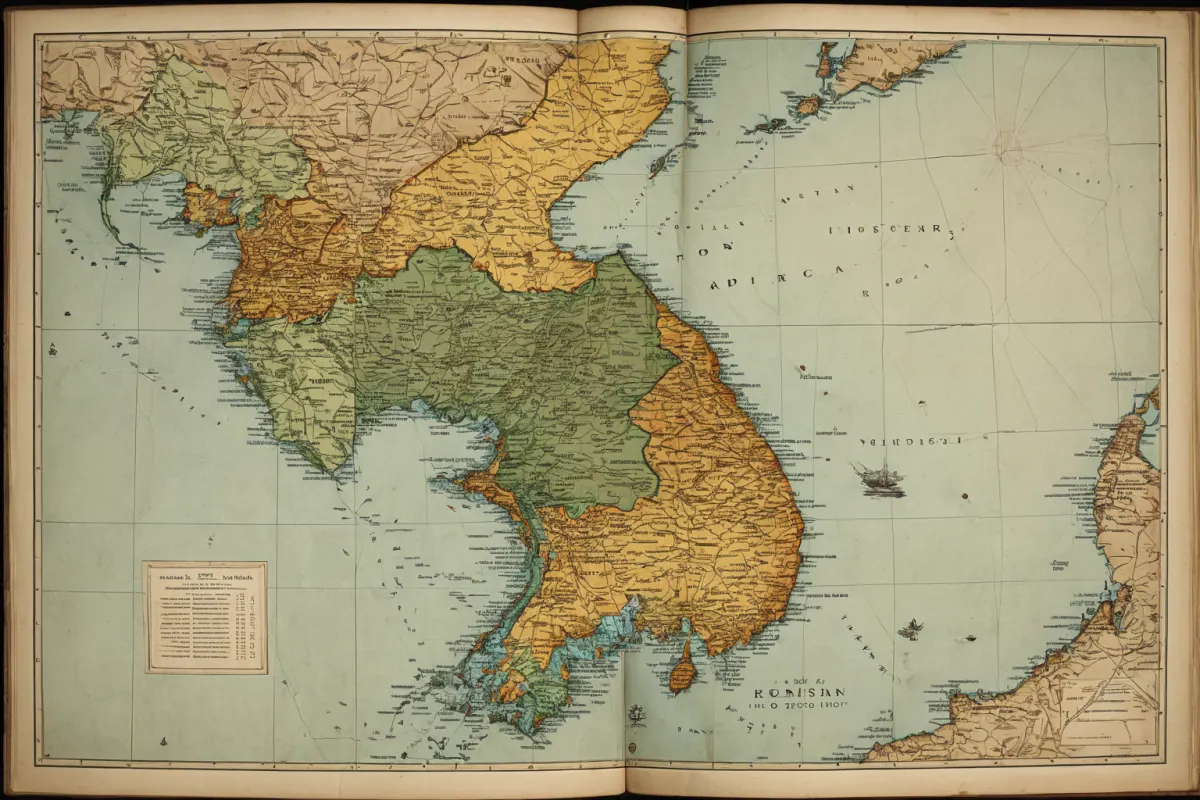
The expansion of modern history in middle school education refers to a greater emphasis on content following the late Joseon Dynasty, particularly the opening of ports (opening-up period), Japanese colonial rule, and post-liberation periods. Parents and students are most curious about "what will be added" and "how it will appear on exams," but the key point is that rather than simply increasing the number of events covered, there's a stronger focus on understanding historical contexts, causes, and consequences.
In other words, the approach moves away from memorizing dates to connecting themes like the progression of independence movements, the establishment of modern nations, and the development of democracy. While school practices vary, recent curricula have shifted toward emphasizing comprehension over rote learning for modern history topics.
Core Scope of Middle School Modern History Expansion
When discussing this expansion, the most noticeable increase is in coverage of the transition to modernity and contemporary history. Instead of briefly skimming traditional societal structures, students now explore international changes after opening ports, the Independence Association, the Japan-Korea Treaty of 1895 (Eulsa Treaty), the March 1st Movement, the Provisional Government, liberation, division, war, industrialization, and democratization in greater detail.
In the past, lessons often moved quickly through event names. Today, students are asked "why did this event happen?" and "how did society change afterward?" This means understanding historical flow is more important than memorizing a complete timeline of Korean history.
You can find similar articles in one place.
View Related ArticlesWhy More Time Is Allocated to Modern History in Middle School
The main reason for increasing modern history's focus is its direct relevance to understanding today's society. Concepts like the Constitution, democracy, popular sovereignty, and international relations all stem from historical experiences during this period, so it's more than just studying the past.
Another factor is exam formats. While multiple-choice questions remain common, there's been a rise in interpretation-based and essay-style questions that require understanding background and meaning behind events. As a result, schools are increasingly using primary sources, photos, maps, and graphs alongside textbooks for lessons.
The Biggest Change Students Notice
Students often feel the amount of content to memorize has increased. However, it's not so much about quantity as understanding connections between events. For example, when learning about the March 1st Movement, students don't just memorize dates but also consider figures like the 33 representatives, nationwide spread, and subsequent establishment of the Provisional Government.
While this approach may seem overwhelming at first, once students grasp the structure, their scores become more stable. Students who understand historical flow outperform those who simply memorize isolated events when facing similar question types.
Frequently Tested Points in Exams
Along with the modern history expansion, exams frequently test understanding of event sequences, causes and consequences, key figures' roles, and interpreting clues from sources. Questions like "which era does this photo or document refer to?" are becoming more common.
For instance, when materials related to Independence News, Shinminhoe (New People's Society), the March 1st Movement declaration, or post-liberation government formation appear, students must recall the historical context. Even without exact dates, understanding where an event fits in a broader sequence helps identify correct answers.
Recommended Study Methods for Parents
Instead of simply assigning more workbooks, parents should help their children create concise summaries by era. For example: "Opening period - colonial rule - independence movement - liberation - war and division - democratization." Then, adding 2-3 representative events per phase is sufficient.
In practice, fill-in-the-blank notes are quite helpful. For instance: "After opening ports, Joseon pursued modern reforms under pressure from ____." This method combines vocabulary memorization with understanding historical flow. Short sentences work better for middle schoolers than lengthy explanations.
Practical Study Examples
For example, if a child confuses the March 1st Movement and Provisional Government, don't have them memorize separately. Instead, combine them: "In 1919, nationwide independence movement spread, leading to the establishment of the Provisional Government." This reduces the feeling of isolated events.
When distinguishing industrialization from democratization, visual materials help. Factory images, urban development, and export growth suggest industrialization, while protest photos, elections, and citizen participation relate to democratization. Connecting visuals with concepts shortens memorization time.
Frequently Confused Concepts
A common confusion in modern history is treating "modern" (근대) and "contemporary" (현대) as synonymous terms. In reality, lessons cover a broad range from the opening period through Japanese colonial rule to post-liberation contemporary history, so students often have different reference points.
Another frequent mistake is viewing all independence movements similarly. The Righteous Army Movement, patriotic enlightenment movement, March 1st Movement, and armed independence struggle each had distinct characteristics and timelines. Comparing them in tables can help reduce confusion.
Recommended Study Materials
Beyond textbooks, useful resources include timelines, maps, primary source collections, and school handouts. Timelines may seem long at first glance but become much easier to remember after writing them out once. Maps are especially helpful for understanding colonial rule, wars, and division.
For essay preparation, try the "event name + background + result" format. For example: "Gwangju Student Independence Movement - Anti-discrimination policies and growing independence consciousness - Nationwide student movement spread." This allows quick review before exams.
FAQ
Q1. Does expanding modern history mean more class time?
A1. Not necessarily. The focus is often on deeper understanding of historical flow rather than increasing content volume.
Q2. Will exams require more memorization?
A2. Understanding event sequences and meaning is more important than rote memorization. Students should also prepare for interpretation-based questions.
Q3. What's the first thing parents can do to help with studying?
A3. Help summarize historical flow by era on one page, then add 2-3 representative events per period to reduce workload.
Note: School curricula, textbooks, and assessment methods may vary by region, grade level, and semester. Always check your school's specific guidance for current lesson progress and exam scope.
Continue exploring similar topics.
View Category ArticlesFAQ
Does expanding modern history mean more class time?
Not necessarily. The focus is often on deeper understanding of historical flow rather than increasing content volume.
Will exams require more memorization?
Understanding event sequences and meaning is more important than rote memorization. Students should also prepare for interpretation-based questions.
What's the first thing parents can do to help with studying?
Help summarize historical flow by era on one page, then add 2-3 representative events per period to reduce workload.
Korean Source
This article is an English localization of a Korean-language report from BlogScore. Original: 중학교 근현대사 확대, 어떤 내용이 늘어나나