
The Meteorological Causes and Future Outlook of Nationwide Marine High Temperatures in South Korea
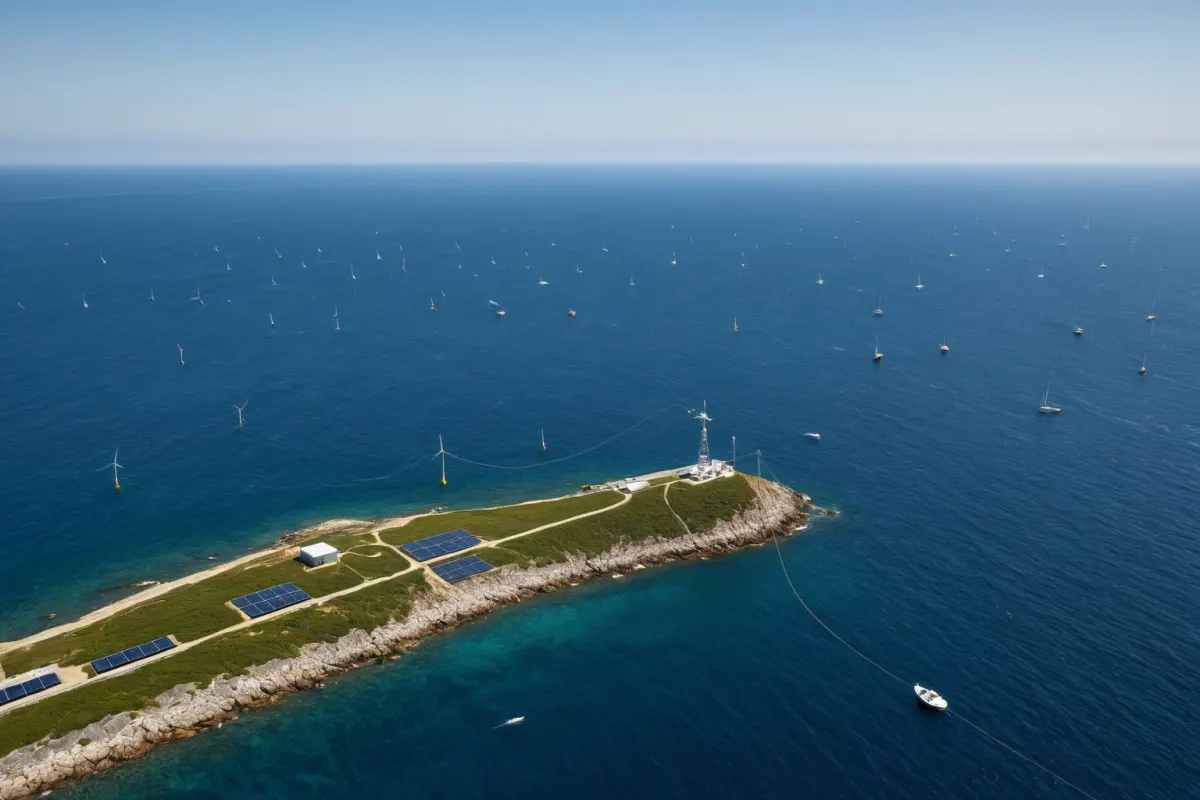
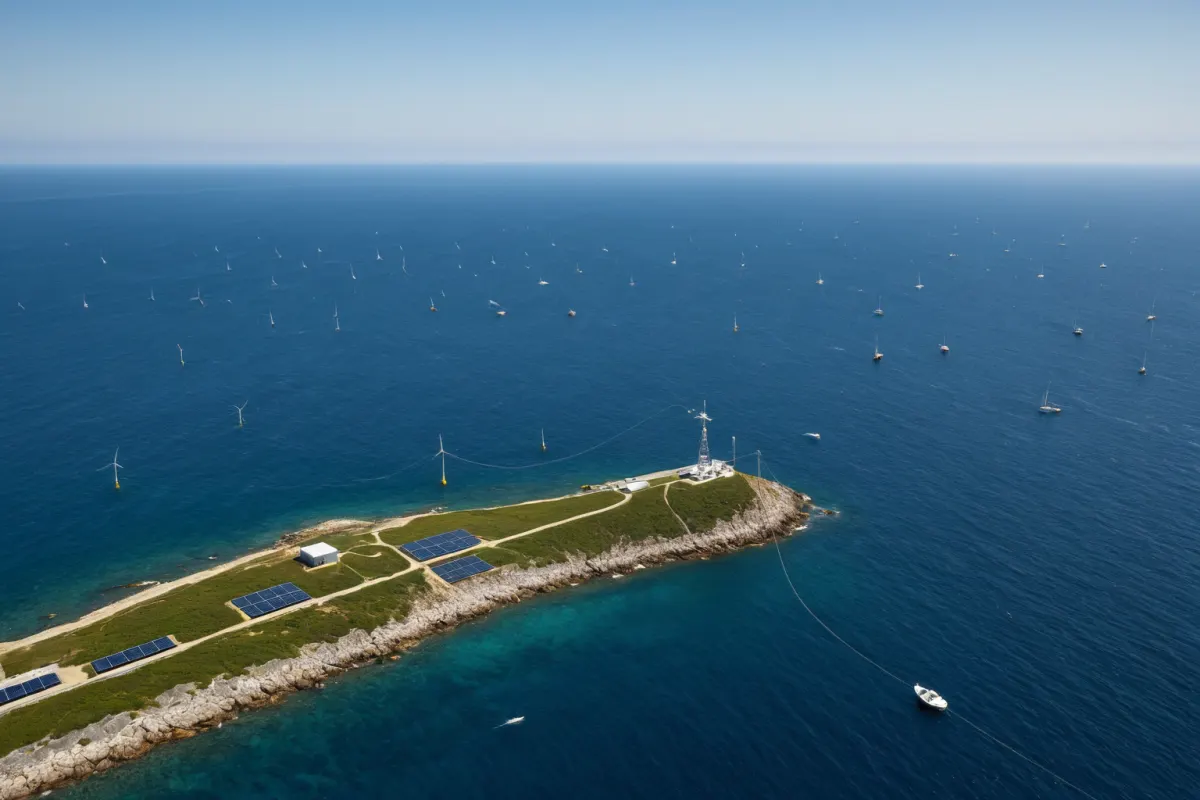
Nationwide Marine High-Temperature Situation
Recent marine temperatures across South Korea have surged more than twice the global average, reflecting direct impacts of climate change. Since 2023, mass fish die-offs have occurred in key fishing areas like Jeju and the South Sea, with summer sea temperatures rising 1.0–1.5°C above normal this year. This trend exacerbates rising sea levels and climate disaster risks. For instance, in August 2023, sea temperatures off the South Sea spiked to 28.7°C, causing widespread fish deaths that severely impacted fisheries. Jeju also experienced a 61-day high-temperature alert from October 2024, leading to coral bleaching. Reports on rising marine temperatures began in May 2023 and continue through this summer, disrupting marine ecosystems and worsening economic losses for fishermen. Recent studies indicate accelerating sea temperature rises due to increased ocean heat absorption—a hallmark of climate change.
Cause of Mass Fish Die-Offs
In August 2023, the South Sea’s temperature reached 28.7°C, triggering mass fish die-offs. Reports on summer marine heat began in May 2023, and from October 2024, Jeju saw a 61-day high-temperature alert causing coral bleaching. By July 2025, concerns grew about rising sea temperatures threatening Jeju’s fisheries. These events disrupt marine ecosystems, with fish die-offs leading to reduced catches—such as in Ulsan where flounder harvests declined due to extreme weather and high temperatures. Research shows that marine life stress increases when temperatures exceed 27°C, a critical threshold for biodiversity loss. Beyond ecology, these incidents impact local economies, reducing incomes for fishermen and slowing regional economic activity.
Meteorological Causes Analysis
Nationwide marine heatwaves are closely linked to global warming-driven sea-level rise. Increased CO₂ emissions have reduced land and ocean carbon absorption capacity, with March 2024 recording the highest sea temperatures on record. Incheon’s coastal waters now show the nation’s fastest sea-level rise rate—a key indicator of severity. Rising Pacific Ocean temperatures also drive regional weather shifts, with 2025 expected to be among the hottest years ever recorded. The ocean’s enhanced heat retention accelerates temperature rises, particularly in the East and South Seas. Increased tropical storms in the Pacific correlate with rising sea temperatures, altering local climate patterns. Additionally, changes in ocean circulation systems affect temperature distribution, requiring further research for accurate predictions.
Future Outlook and Response Strategies
Marine heatwaves are expected to intensify by 2040, with global sea surface temperatures hitting record highs on April 14, 2026. South Korea’s sea level has risen 11.5 cm over 36 years, underscoring the need for improved marine weather services and coastal adaptation measures. Notably, warming in the East Sea is now affecting even inland areas like Daegu—a sign of increasingly differentiated regional patterns requiring tailored policies. International cooperation on marine ecosystem restoration and concrete climate action plans are urgently needed. Ongoing monitoring programs since 2023 help track these changes, enabling region-specific strategies to minimize economic losses by analyzing links between fisheries activity and climate shifts. This highlights the global need for coordinated climate responses.
Key Information to Verify
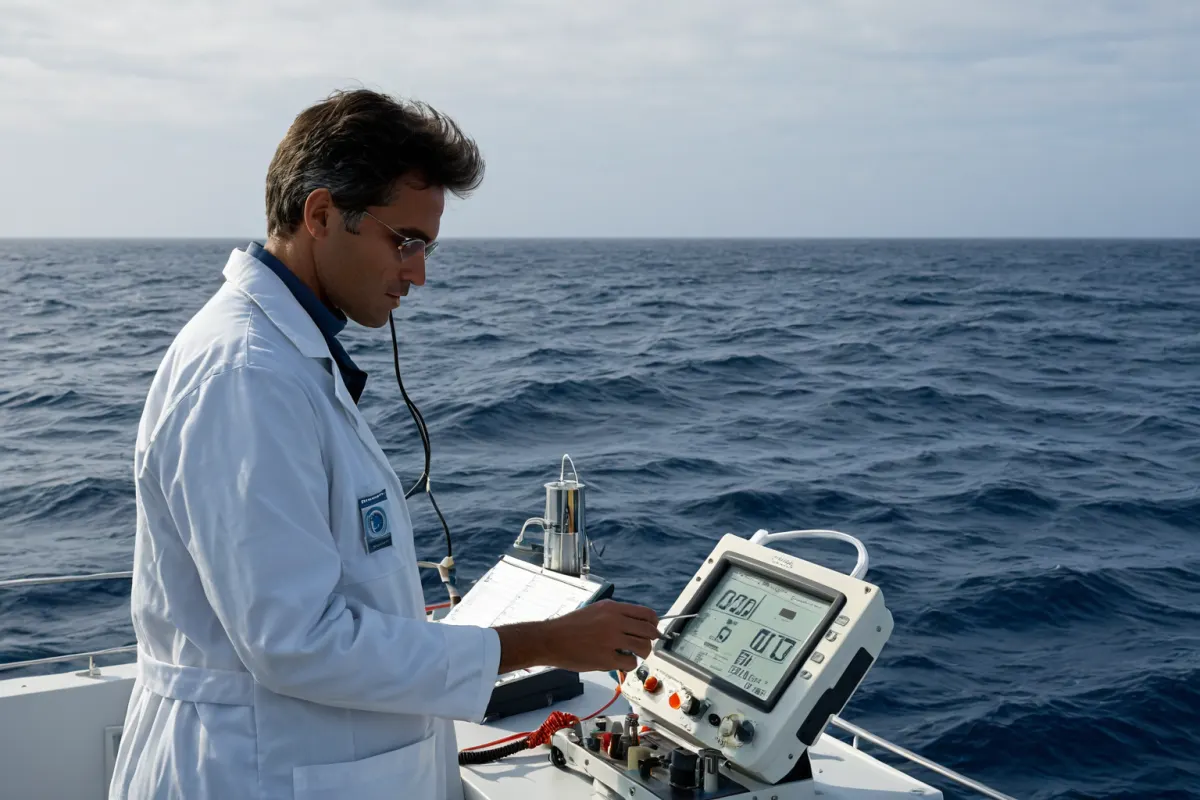
Nationwide marine temperatures are rising more than double the global average, with mass fish die-offs reported in key fishing zones like Jeju and the South Sea. Summer sea temperatures have risen 1.0–1.5°C above normal this year, while Incheon’s coastal waters show the nation’s highest sea-level rise rate. Increased CO₂ emissions have reduced land and ocean carbon absorption, with marine heatwaves expected to intensify by 2040. The 2023 South Sea temperature spike causing fish die-offs and Jeju’s coral bleaching in 2024 are clear examples of ecological shifts. Readers can consult government reports and Korea Meteorological Administration data for temperature trends and sea-level rise rates, as well as marine monitoring data to identify regional differences in heatwave patterns.
Frequently Asked Questions
What are the main causes of nationwide marine high temperatures?
The primary drivers are global warming-induced sea-level rise and increased CO₂ emissions. Reduced carbon absorption capacity in land and oceans due to higher emissions is expected to intensify marine heatwaves by 2040.
Where have mass fish die-offs occurred?
Mass fish die-offs were reported in key fishing areas like Jeju and the South Sea. In August 2023, South Sea temperatures rose to 28.7°C, causing widespread deaths; in October 2024, Jeju experienced a 61-day high-temperature alert leading to coral bleaching.
What is the future outlook?
Marine heatwaves are projected to intensify by 2040, with global sea surface temperatures hitting record highs on April 14, 2026. South Korea’s sea level has risen 11.5 cm over 36 years, necessitating improved marine weather services and coastal adaptation strategies.
Explore more articles on similar topics in one place.
View Related ArticlesFAQ
What are the main causes of nationwide marine high temperatures?
The primary drivers are global warming-induced sea-level rise and increased CO₂ emissions. Reduced carbon absorption capacity in land and oceans due to higher emissions is expected to intensify marine heatwaves by 2040.
Where have mass fish die-offs occurred?
Mass fish die-offs were reported in key fishing areas like Jeju and the South Sea. In August 2023, South Sea temperatures rose to 28.7°C, causing widespread deaths; in October 2024, Jeju experienced a 61-day high-temperature alert leading to coral bleaching.
What is the future outlook?
Marine heatwaves are projected to intensify by 2040, with global sea surface temperatures hitting record highs on April 14, 2026. South Korea’s sea level has risen 11.5 cm over 36 years, necessitating improved marine weather services and coastal adaptation strategies.
Korean Source
This article is an English localization of a Korean-language report from BlogScore. Original: 전국 바다 고수온의 기상학적 원인과 향후 전망