
Mass Earthquake Reports in Gyeongnam Amid Japan Quake, Real Impact and Response Strategies
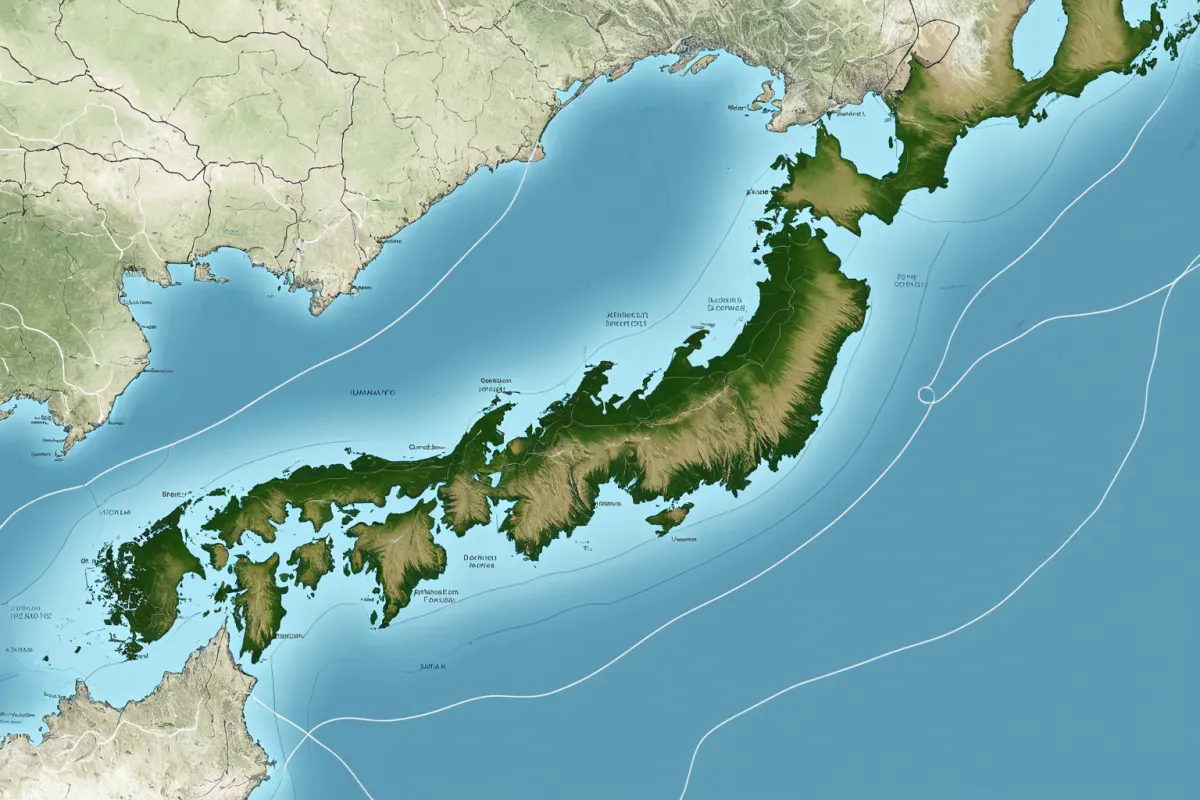
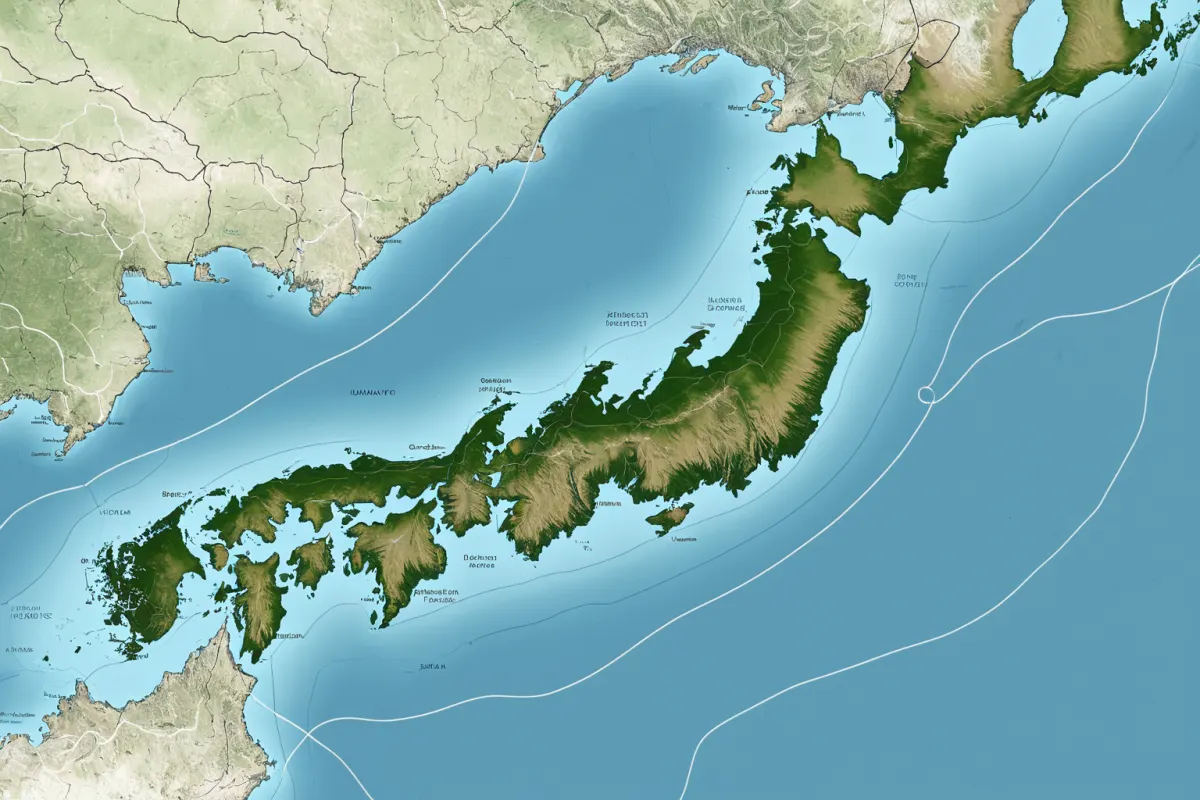
A magnitude 7.1 earthquake in Kumamoto Prefecture, Japan, caused a surge in earthquake reports across Gyeongnam Province. Over 157 reports were received from Busan alone, with tremors detected nationwide.
Gyeongnam Earthquake Report Surge
The magnitude 7.1 earthquake in Kumamoto Prefecture led to a sharp increase in earthquake reports across Gyeongnam. In Busan, residents reported strong vibrations due to the Japanese quake's aftershock, with many noting "strong shaking" on their alerts.
National Safety Agency data shows a total of 760 nationwide earthquake reports, including 157 from Busan. Jeju Island and Daejeon-Chungbuk regions activated 24-hour emergency response systems to manage the Kumamoto quake impact.
Busan saw particularly high report numbers because it is relatively closer to Japan across the sea, allowing seismic waves to reach faster. Additionally, Busan's dense urban area with many tall buildings makes it more sensitive to vibrations.
Vibration Detection Areas and Report Status
The magnitude 7.1 earthquake in Kumamoto affected various regions nationwide. Tremors were detected in Busan, Gwangju, Jeju, and other areas, with a notable surge in reports from the Gyeongnam region.
On July 28, 2026, at approximately 7:47 AM, news of the Kumamoto earthquake spread, triggering tremors detected in Busan. By 8:32 AM, residents reported strong building vibrations, leading to a surge in alerts.
Jeju Island switched to a 24-hour emergency response system at 12:04 PM to address the Kumamoto quake. Similar tremors were felt across Daejeon and Chungbuk regions, with minor shaking (intensity level 1-2) recorded. In Jinju, Gyeongnam, reports of house vibrations due to a magnitude 3.0 earthquake were received, but this was considered an independent domestic event.
According to seismic monitoring data, the Kumamoto quake affected various regions across South Korea, though vibration intensity varied by area. Busan and Gyeongnam experienced stronger tremors compared to Jeju Island and Chungbuk, where only mild vibrations were observed.
Actual Damage Status
In Jinju, Gyeongnam, reports of house vibrations due to a magnitude 3.0 earthquake were received, but no actual damage was reported. The National Safety Agency provided updates on the situation in Gyeongnam following the quake's impact.
The Kumamoto earthquake triggered tsunami warnings and caused damage within Japan, but South Korea only experienced tremors without significant harm. During the college entrance exam (Suneung), a three-step protocol was recommended: no individual evacuation, follow invigilator instructions, and remain in stable positions.
South Korea's quake impact primarily involved tremor detection with no structural damage or casualties reported. This is due to the distance from the epicenter and reduced vibration intensity by the time it reached South Korea. Although the Kumamoto earthquake was powerful (magnitude 7.1), its strength diminished before reaching South Korea, preventing large-scale damage.
Emergency Response Systems and Safety Information
The National Safety Agency provided a three-step protocol for earthquakes during college entrance exams: no individual evacuation, follow invigilator instructions, and remain in stable positions.
Gwangju Songjeongdaga Culture Library offers hands-on disaster education programs. These programs simulate real emergency scenarios to improve citizens' crisis response capabilities. Recent sessions have focused on earthquake evacuation procedures and structural safety checks.
Jeju Island activated a 24-hour emergency response system in response to the Kumamoto quake. This system ensures rapid information sharing and timely evacuation instructions, prioritizing citizen safety. Jeju's 24-hour system includes real-time monitoring by local disaster management centers for swift responses.
Daejeon and Chungbuk regions conducted immediate safety checks after detecting tremors. This reflects effective pre-emptive preparedness based on regional earthquake risk assessments. In Geumsan, Chungbuk, minor shaking (intensity 1-2) was recorded via seismic monitoring systems.
Important Information to Verify
The epicenter of the quake reported near Gyeongju's south-southwest direction at 11 km is unrelated to the Kumamoto earthquake. The magnitude 3.0 earthquake in Jinju, Gyeongnam, was treated as a separate domestic event.
Tremors across Gyeongnam due to the Japanese quake caused widespread alerts but no actual damage. This highlights the difference between Japan's powerful quake and South Korea's relatively minor impact.
Over 150 reports were received from Busan alone, with Jeju Island and Daejeon-Chungbuk regions activating 24-hour emergency response systems to manage the situation effectively.
During earthquakes, it is important to move immediately to a safe location, avoid structures at risk of collapse, and after the quake, turn off gas valves and stop electricity use to prevent further damage.
Frequently Asked Questions
Did Gyeongnam experience actual damage from the surge in earthquake reports due to Japan's quake?
No. While 157 reports were received from Busan alone, only tremors were detected with no reported damage.
What is the recommended procedure during an earthquake while taking college entrance exams?
The three-step protocol applies: no individual evacuation, follow invigilator instructions, and remain in stable positions.
Why did Jeju Island activate a 24-hour emergency response system?
Jeju activated the 24-hour system to respond quickly to information sharing and evacuation guidance following the Kumamoto quake.

You can view similar articles on this topic in one place.
View Related ArticlesFAQ
Did Gyeongnam experience actual damage from the surge in earthquake reports due to Japan's quake?
No. While 157 reports were received from Busan alone, only tremors were detected with no reported damage.
What is the recommended procedure during an earthquake while taking college entrance exams?
The three-step protocol applies: no individual evacuation, follow invigilator instructions, and remain in stable positions.
Why did Jeju Island activate a 24-hour emergency response system?
Jeju activated the 24-hour system to respond quickly to information sharing and evacuation guidance following the Kumamoto quake.
Korean Source
This article is an English localization of a Korean-language report from BlogScore. Original: 경남 지진 신고 폭주, 실제 피해 현황과 대응 방법