
The Impact of Marine Heatwaves on Climate Change: A National Analysis
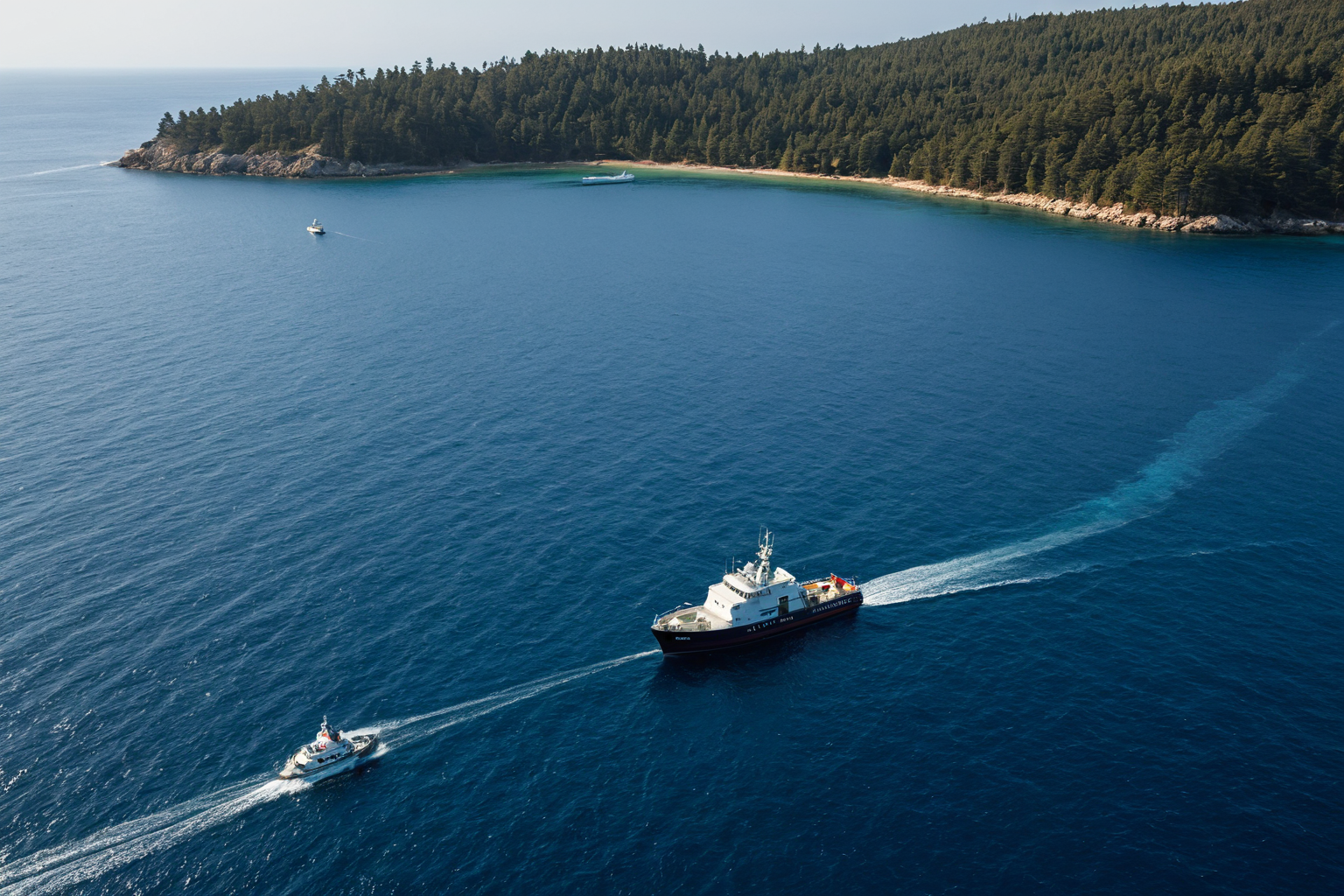
National Impact of South Korea's Marine Heatwave Phenomenon
South Korean sea surface temperatures are rising at more than twice the global average rate, leading to a 58% decline in coastal phytoplankton and triggering marine heatwave warnings. The first half of 2026 recorded the highest sea surface temperatures on record for South Korean waters, significantly impacting fisheries and aquaculture in Jeju region.
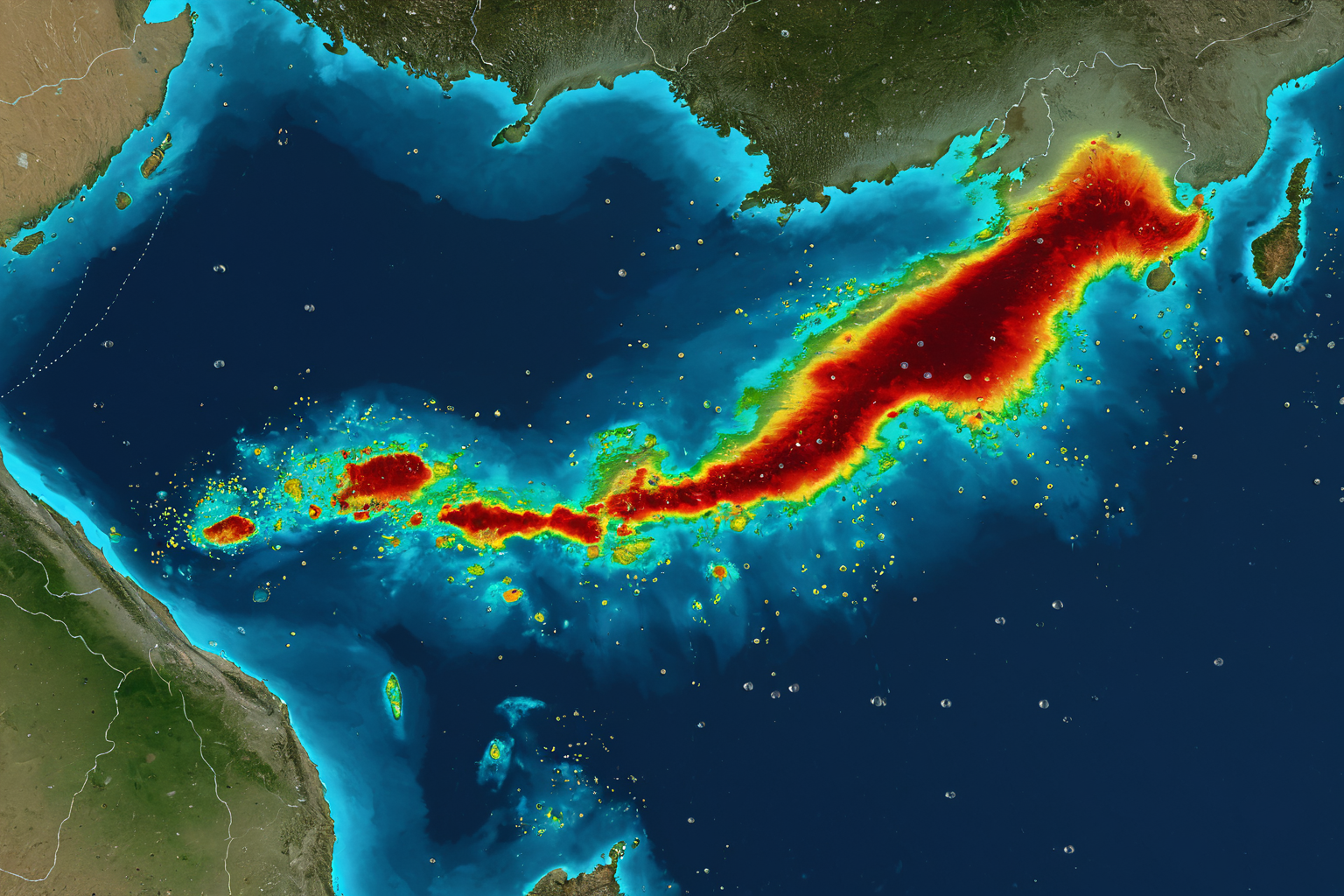
Key Facts About Marine Heatwaves
South Korea's marine warming rate is more than twice the global average, confirmed by an event recorded on October 20, 2025, when 'the stable seasonal average of the sea was lost this summer.' On April 8, 2026, a decline in coastal phytoplankton along the Korean peninsula was reported, causing disruption to marine ecosystem balance.
On May 10, 2026, a warning about changing fish species was issued in Goseong City, and by June 11, 2026, warming rates in the Yeodo sea area reached twice the global average. This nationwide phenomenon is causing ecological shifts as subtropical marine species appear in the East Sea.
Incidents Caused by Marine Warming
The first half of 2026 saw South Korean seas reach record-high surface temperatures, indicating accelerated marine heatwaves. The 58% decline in coastal phytoplankton reported on April 8, 2026, represents a fundamental shift in the marine ecosystem and is a key factor behind climate crisis warnings.
On June 11, 2026, warming rates in the Yeodo sea area reached twice the global average, confirming South Korea's waters as one of the fastest-changing marine environments globally. At the same time, Jeju fisheries suffered severe damage with repeated fish mortality events.
On March 18, 2025, subtropical marine species were reported in the East Sea, prompting Gyeongsangnam-do Province to launch initiatives including subtropical fish distribution and offshore net pilot programs. These represent regional responses to ecological changes caused by rising sea temperatures.
Investigation of Heatwave Causes
South Korea's marine heatwaves appear to be accelerating due to changing meteorological patterns such as El Niño. Predictions indicate these heatwaves will intensify further by 2040, highlighting the severity of climate change.
The fact that South Korean marine warming is more than twice the global average rate relates to broader planetary climate patterns. The Yeodo sea area's warming rate reaching twice the global average demonstrates both Korea's unique oceanic characteristics and accelerated climate change.
The decline in phytoplankton, as a foundational producer in the marine food web, has led to ecosystem collapse across all trophic levels. A significant report on July 13, 2026, documented a sharp decline in coastal phytoplankton, representing an important event related to this issue.
Response and Safety Information
The government is advancing legislation for climate change adaptation at aquaculture facilities to improve the sustainability of fisheries. Gyeongsangnam-do Province is exploring response strategies through subtropical fish distribution programs and offshore net pilot projects.
The subtropical fish distribution program and offshore net pilot project, initiated by Gyeongsangnam-do on March 5, 2025, represent strategic approaches to address ecological changes caused by rising sea temperatures. These efforts are part of regional responses to the appearance of subtropical marine species in the East Sea.
To address rising water temperatures in the Yeodo sea area, a patented land-based kelp cultivation technology has been developed. This is expected to contribute to solving problems related to microplastics and rising water temperatures.
Verified Information
The national impact of South Korea's marine heatwave phenomenon has been confirmed through government reports and marine research findings. Key verified information includes the record-high sea surface temperature in the first half of 2026 and a 58% decline in coastal phytoplankton along the Korean peninsula.
Predictions that marine heatwaves will intensify further by 2040 are based on climate modeling results. This reflects the expectation that meteorological pattern changes, such as El Niño events, will accelerate ocean warming.
The appearance of subtropical marine species in the East Sea serves as direct evidence of ecological structure changes. This represents an important case demonstrating regional ecological shifts caused by rising sea temperatures.
Frequently Asked Questions
How fast is South Korea's marine temperature rise compared to global averages? South Korea's marine warming rate exceeds twice the global average, confirmed by events recorded on October 20, 2025 ('the stable seasonal average of the sea was lost this summer') and June 11, 2026 (Yeodo sea area warming at twice the global average).
What ecological changes have occurred due to marine heatwaves? Coastal phytoplankton has declined by 58%, subtropical marine species are appearing in the East Sea causing structural ecosystem shifts, and repeated fish mortality events are damaging fisheries.
What response strategies are being implemented by government and local authorities? The government is advancing climate change adaptation legislation for aquaculture facilities. Gyeongsangnam-do Province is implementing subtropical fish distribution programs and offshore net pilot projects to address heatwave impacts. Land-based kelp cultivation technology has been patented to help solve rising water temperature issues.
Frequently Asked Questions
South Korea's marine heatwaves are progressing at more than twice the global average rate, significantly impacting marine ecosystems and fisheries. The record high temperatures in the first half of 2026 alongside a 58% decline in coastal phytoplankton illustrate the severity of this phenomenon. With accelerating meteorological patterns like El Niño, marine heatwaves are expected to intensify further by 2040.
Government and local authorities are responding through climate change adaptation legislation for aquaculture facilities and initiatives such as subtropical fish distribution programs. The appearance of subtropical marine species in the East Sea represents direct evidence of ecological structure changes, necessitating ongoing monitoring.
Marine heatwaves reflect accelerated climate change, representing an important environmental issue globally. Addressing this requires collaboration between government, local communities, and research institutions to develop sustainable solutions.
Ensuring marine ecosystem recovery and fisheries sustainability requires concerted efforts from government, research institutions, and local communities. This is a long-term challenge requiring sustained attention rather than short-term fixes.
You can view similar articles on this topic in one place.
View Related ArticlesFAQ
How fast is South Korea's marine temperature rise compared to global averages?
South Korea's marine warming rate exceeds twice the global average, confirmed by events recorded on October 20, 2025 ('the stable seasonal average of the sea was lost this summer') and June 11, 2026 (Yeodo sea area warming at twice the global average).
What ecological changes have occurred due to marine heatwaves?
Coastal phytoplankton has declined by 58%, subtropical marine species are appearing in the East Sea causing structural ecosystem shifts, and repeated fish mortality events are damaging fisheries.
What response strategies are being implemented by government and local authorities?
The government is advancing climate change adaptation legislation for aquaculture facilities. Gyeongsangnam-do Province is implementing subtropical fish distribution programs and offshore net pilot projects to address heatwave impacts. Land-based kelp cultivation technology has been patented to help solve rising water temperature issues.
Korean Source
This article is an English localization of a Korean-language report from BlogScore. Original: 바다 고수온 현상이 기후 변화에 미치는 영향, 전국 분석