
Marine Climate Change Research: Analyzing National High-Temperature Data
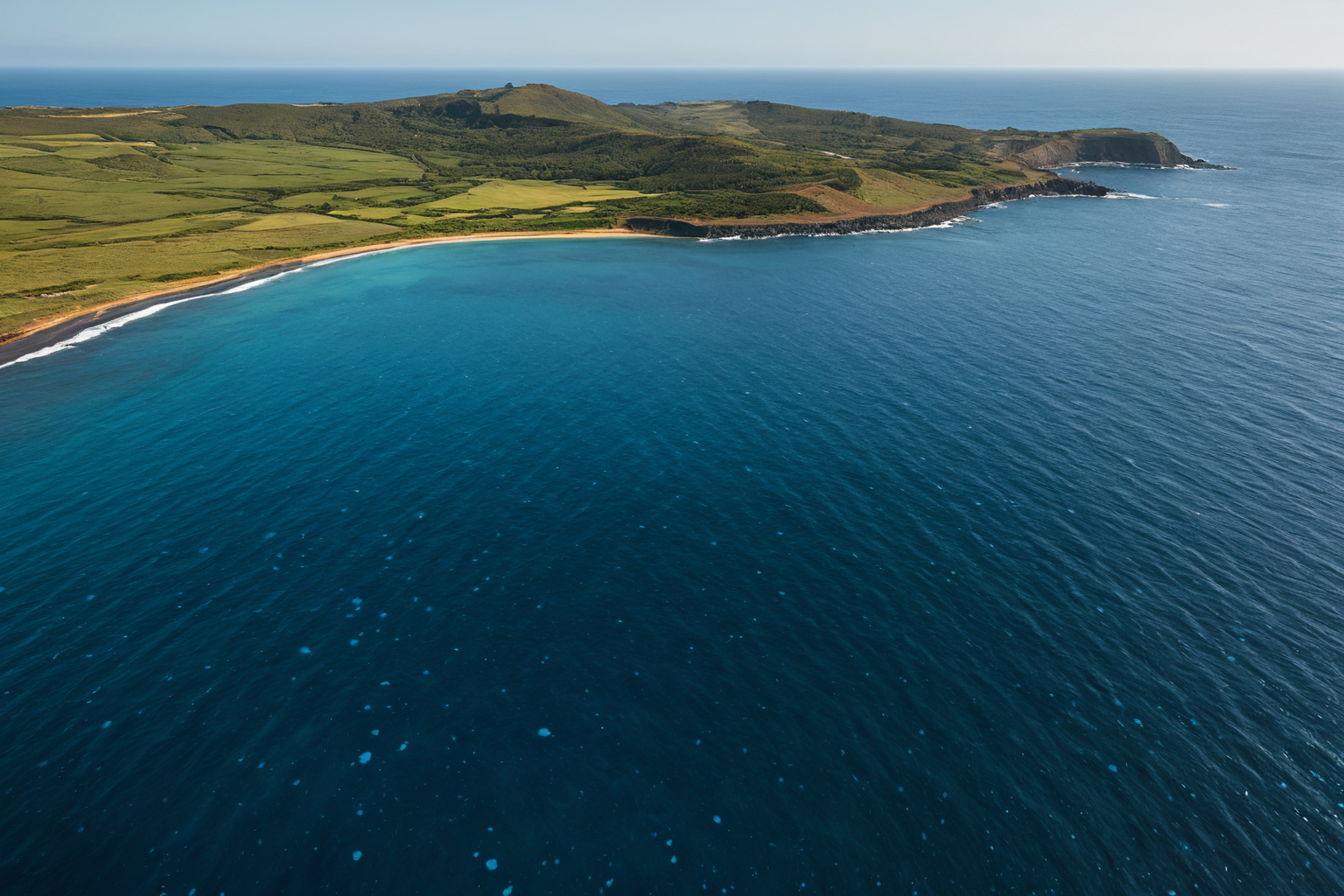
South Korea's Rapid Marine Warming Rate Confirmed
South Korea's marine temperatures are rising more than twice as fast as the global average, leading to a 58% decline in phytoplankton and fisheries losses amounting to ₩23.23 billion over five years. In Jeju Island, 'Gwangnae-mozabon' (a type of seaweed) restoration projects and new aquaculture species development are underway to address climate change impacts, while jellyfish sightings have increased along the southern coast.
National Marine High-Temperature Data Analysis
Coastal phytoplankton decline in the Korean Peninsula has reached 58%, showing significant changes compared to the 1990s. As reported by Hankyoreh and other media in April 2026, this data confirms that the East Sea region is warming at more than twice the global average rate.
The government and fisheries industry emphasize accelerating adaptation through AI-based future transitions and 'sea forests' (a climate solution). This was highlighted in reports from April and June 2026, with research influencing policy directions.
Jeju News reported in July 2025 that Jeju's fisheries are at risk due to high temperatures, prompting the start of Gwangnae-mozabon restoration projects. KBS News covered increased jellyfish sightings along the southern coast in August 2026, linked to high sea temperatures.
Scale of High-Temperature Impacts and Economic Effects
Over five years, fisheries losses due to high temperatures totaled ₩23.23 billion. This has driven calls for increased investment in adaptive species development and research. However, as of now, there have been zero commercialized adaptive fish species, indicating technical and policy limitations.
Reports from April and June 2026 confirmed that the East Sea region is warming at more than twice the global average rate, highlighting regional differences in climate change impacts on South Korea's marine ecosystems compared to global trends.
Jeju Island's Adaptation Efforts
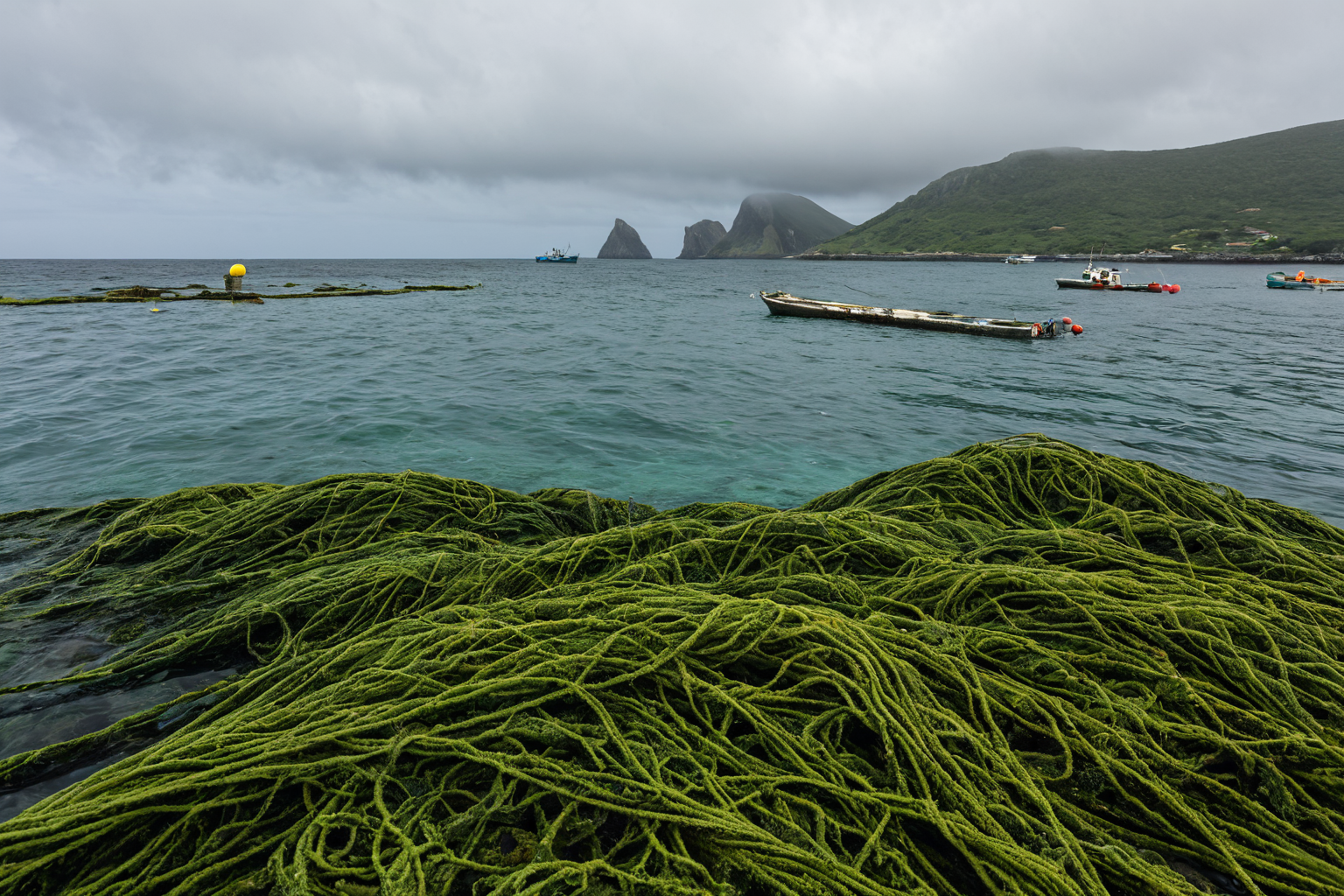
In Jeju, 'Gwangnae-mozabon' restoration projects are addressing climate change. In August 2026, a trial transplant of Gwangnae-mozabon was conducted at Jeju seaweed farms, aiming to develop new aquaculture species that could replace yellow croaker (a traditional fish). These efforts demonstrate the industry's strategic shift toward adapting to changing environmental conditions.
New aquaculture species exploration in Jeju began in September 2025 as production of traditional species like yellow croaker declined due to high temperatures. As one of the first regions experiencing marine ecosystem changes, Jeju plays a key role in developing restoration and adaptation strategies.
In June 2026, Director Kwon Soon-wook of the National Institute of Fisheries Science announced an AI-based future fisheries transition, proposing digitalization as an adaptive strategy. This has spurred collaboration between government and private companies to accelerate technology adoption.
Jellyfish Sightings Along the Southern Coast
Along South Korea's southern coast, increased jellyfish sightings have been linked to high sea temperatures. KBS News reported in August 2026 that this trend directly affects fisheries and tourism industries while signaling shifts in marine ecosystem balance.
Jellyfish outbreaks correlate with declining phytoplankton (58%) and reduced fishery productivity, prompting joint discussions between the fisheries industry and government on management strategies.
Status of Adaptive Species Development and Commercialization
As of now, there have been zero commercialized adaptive species. This is attributed to a combination of technical limitations, policy gaps, and insufficient investment. The government and fisheries industry are advancing AI-based future transitions to address this, with plans unveiled by Director Kwon in June 2026.
Director Choi Yong-seok of the National Institute of Fisheries Science has emphasized 'sea forests' as a climate solution, which aims to simultaneously preserve ecosystems and innovate fisheries. This approach received significant attention following a special feature article in Busan Ilbo in October 2025.
Future Response Strategies and Policy Recommendations
The government and fisheries industry are focusing on technology, policy, and consumer collaboration to address climate change. As emphasized in April and June 2026 reports, AI-based data analysis for predictive modeling is gaining attention.
Incheon is concentrating on marine talent development, aiming to boost future competitiveness of the fisheries sector. In June 2026, Asia Economic reported that Daegu on the eastern coast has seen increasing fish production despite high temperatures.
South Korea's marine ecosystems are highly sensitive to climate change, with growing impacts on fisheries and tourism. Therefore, collaboration between government and private sectors is essential to build a sustainable marine economy.
Verified Information and Reference Materials
South Korea's marine warming rate exceeds the global average by more than double, consistently verified through data from the East Sea region. Reports from Hankyoreh and Tech42 in April 2026 confirmed this trend linked to fisheries losses and a 58% phytoplankton decline.
The government's policy direction focuses on accelerating adaptive species commercialization through AI-based future transitions and 'sea forests' solutions. However, no commercialized cases have been reported yet, presenting an ongoing challenge for industry-government collaboration.
As covered by KBS News in August 2026, increased jellyfish sightings along the southern coast are seen as direct impacts of climate change, posing new challenges for fisheries and tourism industries.
Frequently Asked Questions
Why is South Korea's marine warming rate more than twice the global average?
South Korea's marine environment responds sensitively to climate change due to geographical features and atmospheric circulation patterns. Data from the East Sea region confirms warming at more than twice the global average rate, reflecting strong regional climate characteristics.
Why is phytoplankton decline 58%?
This 58% decline represents a comparison with the 1990s. Rising sea temperatures disrupt marine ecosystem balance, reducing phytoplankton production—a critical factor directly impacting fisheries.
Why are there zero commercialized adaptive species?
The absence of commercialized adaptive species results from combined technical limitations, policy gaps, and insufficient investment. The government and industry are advancing AI-based future transitions to address this challenge, with ongoing efforts to accelerate commercialization.
Frequently Asked Questions
South Korea's marine high-temperature phenomenon is significantly impacting fisheries and ecosystems, highlighting the urgency of climate change adaptation. Jeju Island's 'Gwangnae-mozabon' restoration projects and new aquaculture species development are seen as initial steps in addressing these challenges. The government and industry must accelerate AI-based future transitions and 'sea forests' solutions to commercialize adaptive species through collaboration.
Increased jellyfish sightings along the southern coast represent direct climate change impacts, presenting new challenges for fisheries and tourism industries. Therefore, collaboration between government and private sectors is essential to build a sustainable marine economy.
Data reported from April to August 2026 clearly demonstrates climate change's impact on South Korea's marine environment, emphasizing the need for expanded policies and research based on these findings.
You can view similar articles in one place.
View Related ArticlesFAQ
Why is South Korea's marine warming rate more than twice the global average?
South Korea's marine environment responds sensitively to climate change due to geographical features and atmospheric circulation patterns. Data from the East Sea region confirms warming at more than twice the global average rate, reflecting strong regional climate characteristics.
Why is phytoplankton decline 58%?
This 58% decline represents a comparison with the 1990s. Rising sea temperatures disrupt marine ecosystem balance, reducing phytoplankton production—a critical factor directly impacting fisheries.
Why are there zero commercialized adaptive species?
The absence of commercialized adaptive species results from combined technical limitations, policy gaps, and insufficient investment. The government and industry are advancing AI-based future transitions to address this challenge, with ongoing efforts to accelerate commercialization.
Korean Source
This article is an English localization of a Korean-language report from BlogScore. Original: 해양 기후 변화 연구: 전국 바다 고수온 데이터 분석