
Managing Puppy Knee Health: Combining Supplements and Exercise
Early Signs and Prevention of Patellar Luxation
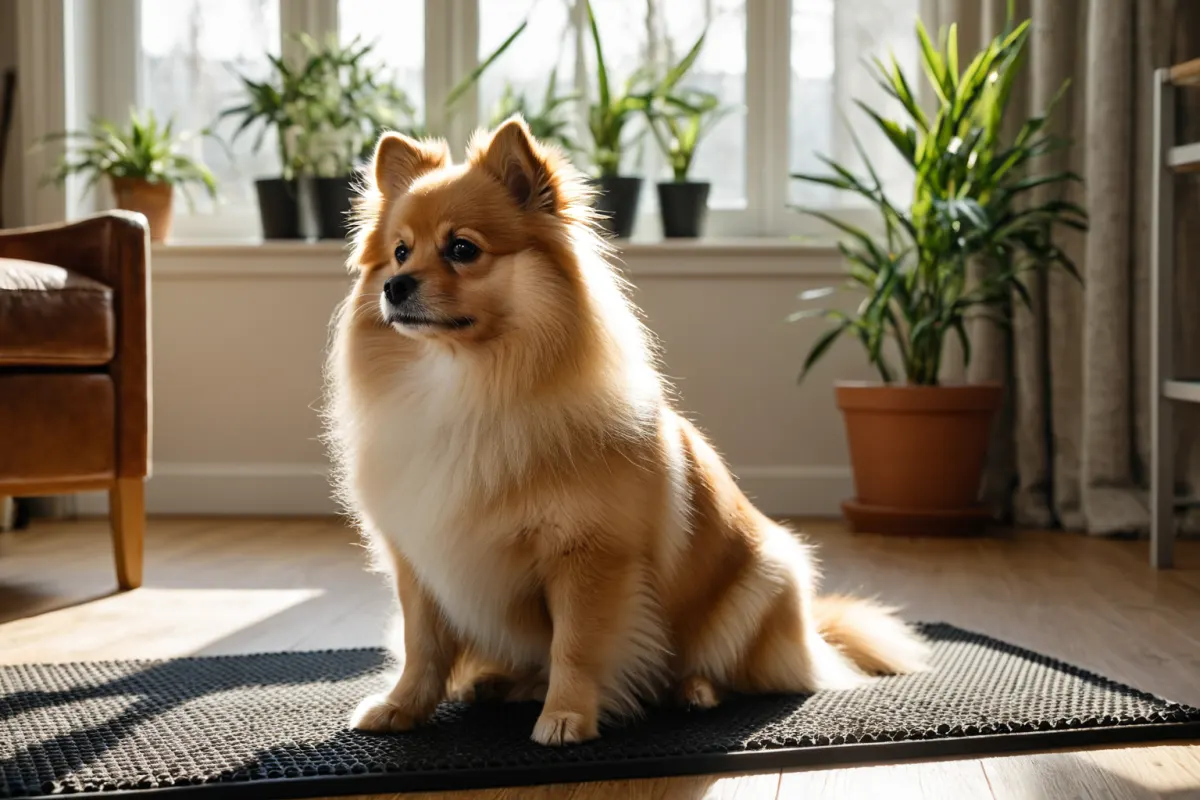
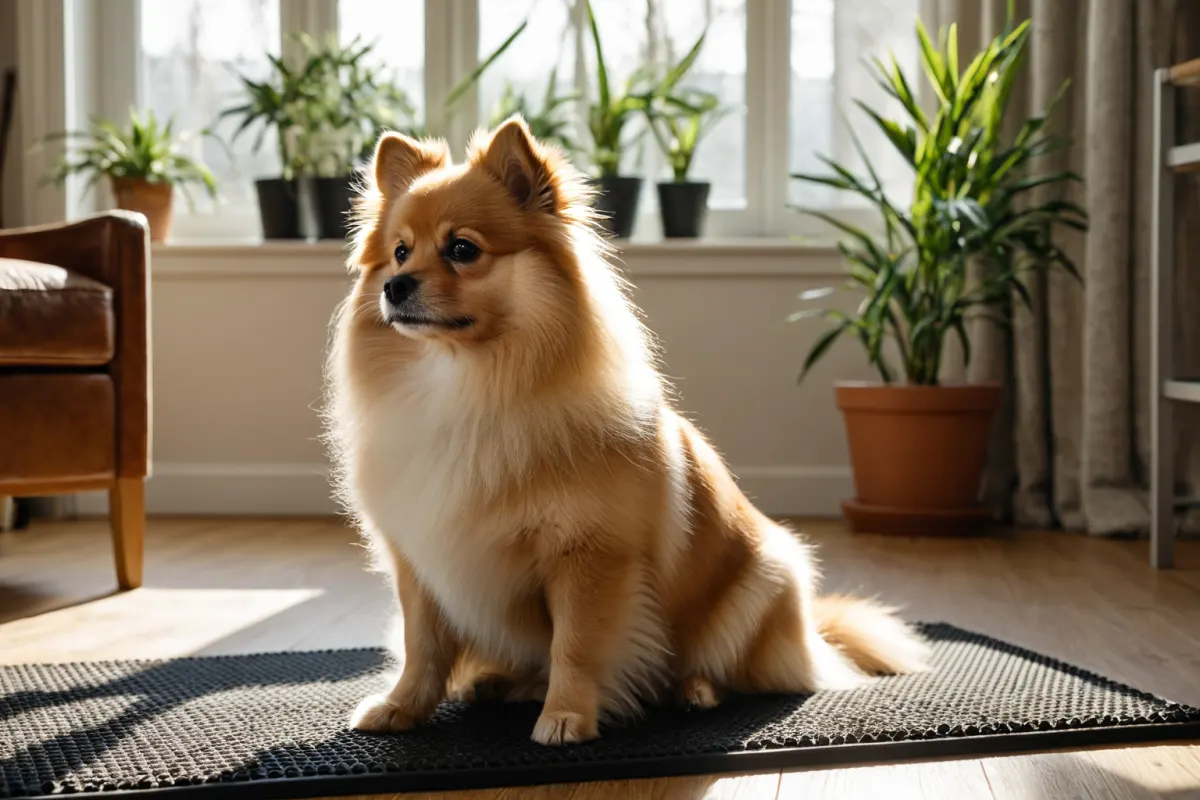
Caring for a puppy's knee health centers around genetics and weight management. Small breed dogs are more prone to patellar luxation, making early detection crucial. Early signs include pain when lifting the leg or "bow-legged" posture, which can progress to Stage 3-4 before owners notice. This condition commonly affects small breeds like Poodles, Yorkshire Terriers, Chihuahuas, and Pomeranians, especially in puppies aged 1-3 years. During this period, shallow and narrow patellar grooves make dislocation more likely, often causing limping or difficulty walking.
Nonsurgical Management: Combining Supplements and Exercise
To reduce joint strain, maintain a healthy weight and install non-slip mats to prevent falls. Joint supplements containing glucosamine and chondroitin support joint health, while gentle walks help strengthen muscles. Recommended nonsurgical approaches include weight management, installing non-slip mats, and taking joint supplements (glucosamine, chondroitin). Supplements with collagen and omega-3s are particularly effective. Environmental improvements like adding stairs to sofas or beds also aid prevention.
Recovery After Surgery: The Importance of Rehabilitation Exercises
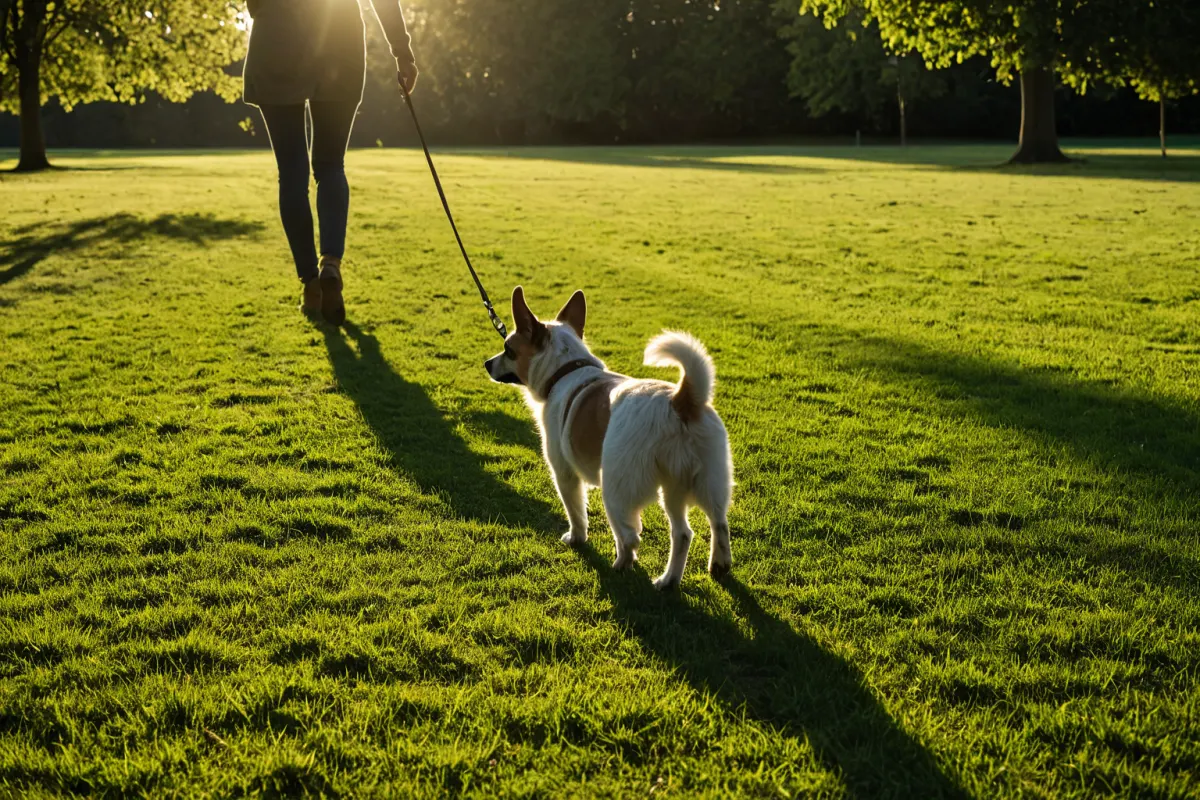
After patellar luxation surgery, regular rehabilitation exercises are essential during the 2-3 month recovery period. Surgical options include groove deepening (to create a better space for the kneecap), tibial tuberosity transposition (repositioning where tendons attach), suture techniques to overlap ligaments, and soft tissue adjustments. In early recovery, limited movement and careful observation by owners help detect issues early, gradually progressing to light walks to build strength. By two months post-surgery, walking and mild exercise become possible, with one 30-minute walk daily recommended for muscle strengthening.
Prevention Through Regular Checkups
Patellar luxation is categorized into four stages: Stages 1-2 involve no pain or temporary dislocation; Stages 3-4 show joint deformities and inability to walk. Owners often miss symptoms from Stage 3 onward, making regular checkups vital. Early detection through routine joint exams and careful observation by owners is key, along with using joint supplements and environmental modifications like adding stairs to furniture for prevention. Senior dogs typically begin aging at 7-8 years for large breeds and 9-10 years for small breeds, when patellar luxation symptoms may become more pronounced.
Ranking Changes and Future Outlook
Which dog breeds commonly experience patellar luxation? Small breeds like Poodles, Yorkshire Terriers, Chihuahuas, and Pomeranians are most affected.
How should joint supplements be administered? Regularly feed products containing glucosamine and chondroitin.
How long does recovery take after surgery? Typically 2-3 months with gradual increase in activity through rehabilitation exercises.
FAQ
What symptoms indicate patellar luxation?
Early signs include pain when lifting or bending the leg; chronic cases may show a "bow-legged" or "X-shaped" posture.
How should rehabilitation exercises be performed after surgery?
Over 2-3 months post-surgery, gradually increase walking to strengthen muscles, starting with limited movement and careful observation by owners.
Which supplements are most effective for preventing patellar luxation?
Joint supplements containing glucosamine, chondroitin, collagen, and omega-3s are recommended.
You can view similar articles all at once.
View Related ArticlesFAQ
What symptoms indicate patellar luxation?
Early signs include pain when lifting or bending the leg; chronic cases may show a "bow-legged" or "X-shaped" posture.
How should rehabilitation exercises be performed after surgery?
Over 2-3 months post-surgery, gradually increase walking to strengthen muscles, starting with limited movement and careful observation by owners.
Which supplements are most effective for preventing patellar luxation?
Joint supplements containing glucosamine, chondroitin, collagen, and omega-3s are recommended.
Korean Source
This article is an English localization of a Korean-language report from BlogScore. Original: 강아지 슬개골 건강 관리, 영양제와 운동의 조합