
Managing Fan Reactions After Handball Losses: 5 Practical Strategies
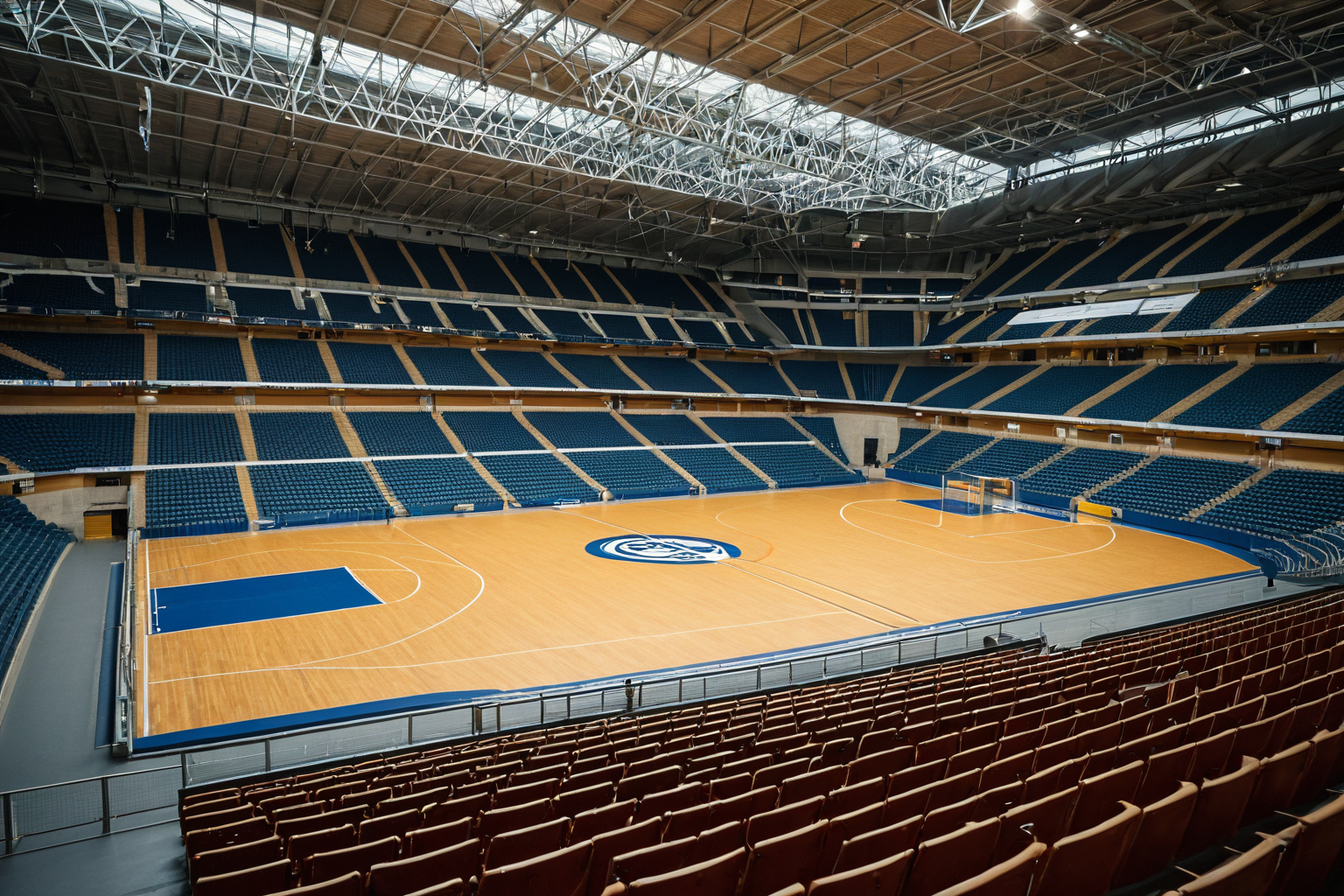
Strategies for Communicating with Fans After a Handball Loss
Effectively managing fans' negative reactions following a handball match is one of the key challenges in sports event management. Rather than relying on post-event responses, implementing preventive approaches and immediate communication can help provide a positive experience.
Analyzing Fan Reactions to Losses
Fans' negative reactions can be broadly categorized into three types: 'Immediate Departure,' where fans leave the venue right after the match; 'Emotional Expression,' involving protests or visible frustration within the stadium; and 'Online Amplification,' where criticism spreads through social media platforms.
Accurately identifying these reaction patterns forms the foundation for the first management strategy. Particularly, emotional expression within the stadium can worsen without immediate intervention.
Practical Strategy 1: Pre-Event Preparation and Preventive Communication
It's important to share messages with fans before the game explaining that losses can occur despite a team's best efforts. The message should emphasize understanding and appreciation for fan support.
For example, pre-game announcements could include: 'Our team gave their all in this match, and while we're disappointed by the loss, it's part of sports. Thank you for your support.'
Practical Strategy 2: Immediate Response Right After Game End
The five minutes before fans leave the venue are critical. During this time, communication should be directed toward managing emotional responses.
For instance, using the stadium's PA system to broadcast: 'Thank you for your support. Everyone gave their best, and we'll see you at the next game,' can leave fans with a positive message as they head home.
Practical Strategy 3: Ongoing Management Through Social Media
After the match, posting official statements about the loss while inviting fan feedback on social media channels helps manage negative reactions spreading online from the outset.
For example, a post could read: 'Thank you for attending. We appreciate your support and feedback on this loss. We'll show our best performance at the next game.'
Practical Strategy 4: Encouraging Fan Engagement to Strengthen Positive Experience
After a loss, keeping fans in the venue longer by offering additional activities can be effective. For example, photo opportunities with players or giving out commemorative items can turn negative feelings into positive memories.
This approach is particularly helpful for children fans, as these activities can transform disappointment into enjoyable experiences.
Practical Strategy 5: Building a Continuous Communication System Between Team and Fans
Beyond managing single-game losses, establishing long-term communication channels between the team and fans is crucial. Regular feedback sessions or online communities allow for collecting fan opinions and improving event operations based on their input.
This ongoing communication builds trust and minimizes negative reactions in future matches, especially when fan suggestions are incorporated into actual game operations.

Case Studies of Applied Communication Strategies
Many sports teams have successfully implemented these strategies to manage fan reactions effectively. For example, some teams saw increased venue attendance after implementing immediate post-game communication with fans.
Additionally, there are reports of negative comments on social media being converted into positive feedback through ongoing management via these platforms. This demonstrates the effectiveness of a preventive approach rather than simple post-event responses.
Key Points to Consider in Fan Reaction Management
The most important consideration when implementing fan communication strategies is 'empathy' and 'sincerity.' Ignoring fans' feelings or delivering only formal messages can actually increase resentment.
Therefore, all communication should acknowledge fans' emotions while honestly sharing the team's efforts and limitations. This approach is essential for building long-term trust with fans.
Establishing Real-Time Response Systems
To manage negative fan reactions effectively, systems must be in place to detect and respond in real-time. Using stadium monitoring systems combined with social media tracking tools enables immediate action.
For instance, staff should be trained to quickly assess situations if fans show protest behavior and provide appropriate responses. This is the core of a preventive approach rather than simple post-event response.
Evaluating the Effectiveness of Communication Strategies
Measuring fan reactions quantitatively after implementing strategies is important. This can be done through surveys, social media analysis, and observing fan behavior within the venue.
For example, measuring how quickly fans leave the venue 30 minutes after the game ends or analyzing positive mentions on social media helps evaluate strategy effectiveness. These data points support continuous improvement efforts.
Frequently Asked Questions
Can fan reaction management strategies be applied uniformly across all sports matches?
Strategies vary depending on the sport type and fan characteristics. Handball is a team-oriented sport where emotions spread quickly, making real-time response particularly important.
Why is it important to communicate with fans immediately after a loss?
Fans' negative feelings tend to worsen over time. Immediate communication helps manage negative reactions early before they escalate.
What should be avoided when managing fan feedback through social media?
Avoid only delivering formal messages without genuine engagement. It's important to listen to fans' opinions and respond appropriately with sincerity.
Frequently Asked Questions
Managing fan reactions after handball losses requires a preventive approach, not just post-event responses, combined with continuous communication. Key elements include preparation before the game, immediate response right after the match ends, and ongoing management through social media platforms.
Honoring fans' emotions while honestly sharing the team's efforts and limitations leads to long-term trust building. This approach transforms a simple loss into an opportunity to strengthen fan relationships rather than merely addressing the outcome of a single game.
For sports event organizers, strategic approaches that consider fan experience are essential. Rather than focusing solely on match results, providing positive experiences through communication can significantly enhance overall fan satisfaction and loyalty.
You can view similar articles about handball losses and fan engagement in one place.
View Related ArticlesFAQ
Can fan reaction management strategies be applied uniformly across all sports matches?
Strategies vary depending on the sport type and fan characteristics. Handball is a team-oriented sport where emotions spread quickly, making real-time response particularly important.
Why is it important to communicate with fans immediately after a loss?
Fans' negative feelings tend to worsen over time. Immediate communication helps manage negative reactions early before they escalate.
What should be avoided when managing fan feedback through social media?
Avoid only delivering formal messages without genuine engagement. It's important to listen to fans' opinions and respond appropriately with sincerity.
Korean Source
This article is an English localization of a Korean-language report from BlogScore. Original: 핸드볼 패배 시 관중 반응 관리, 5가지 실전 전략