
LH Modular Housing Reserves: A Step-by-Step Guide to Application and Purchase
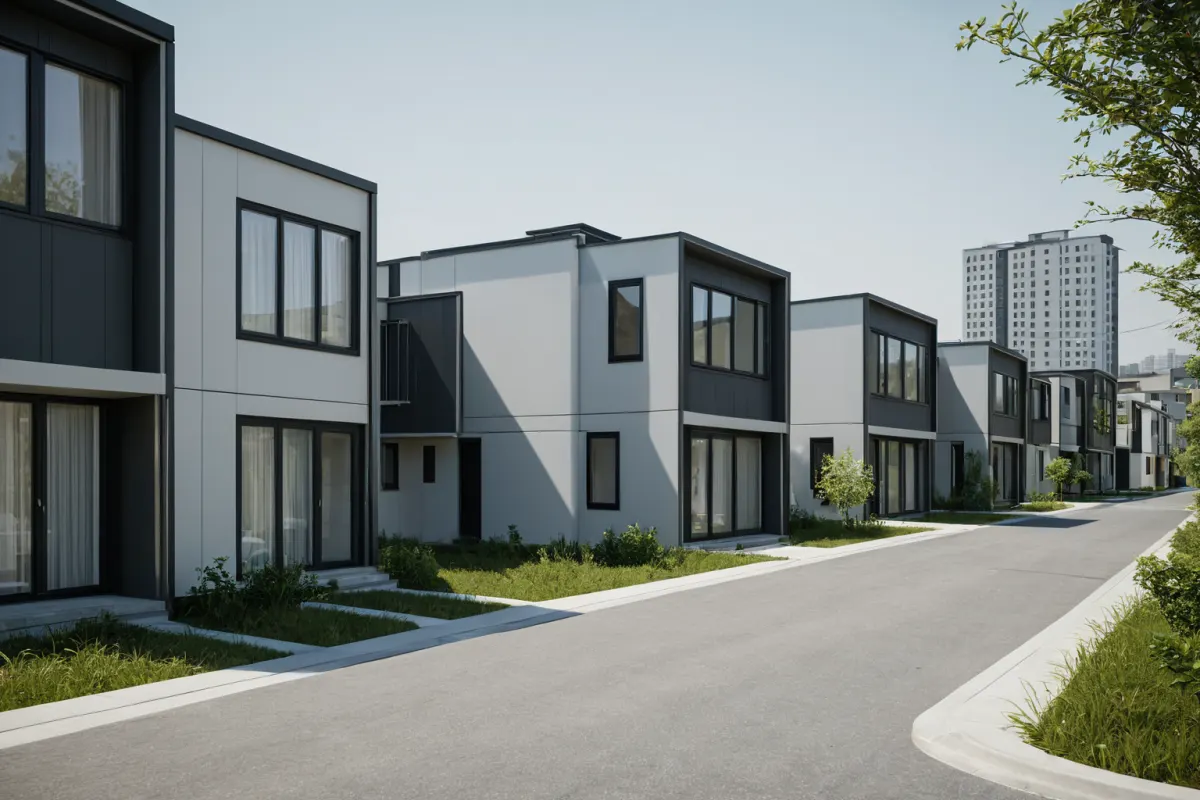
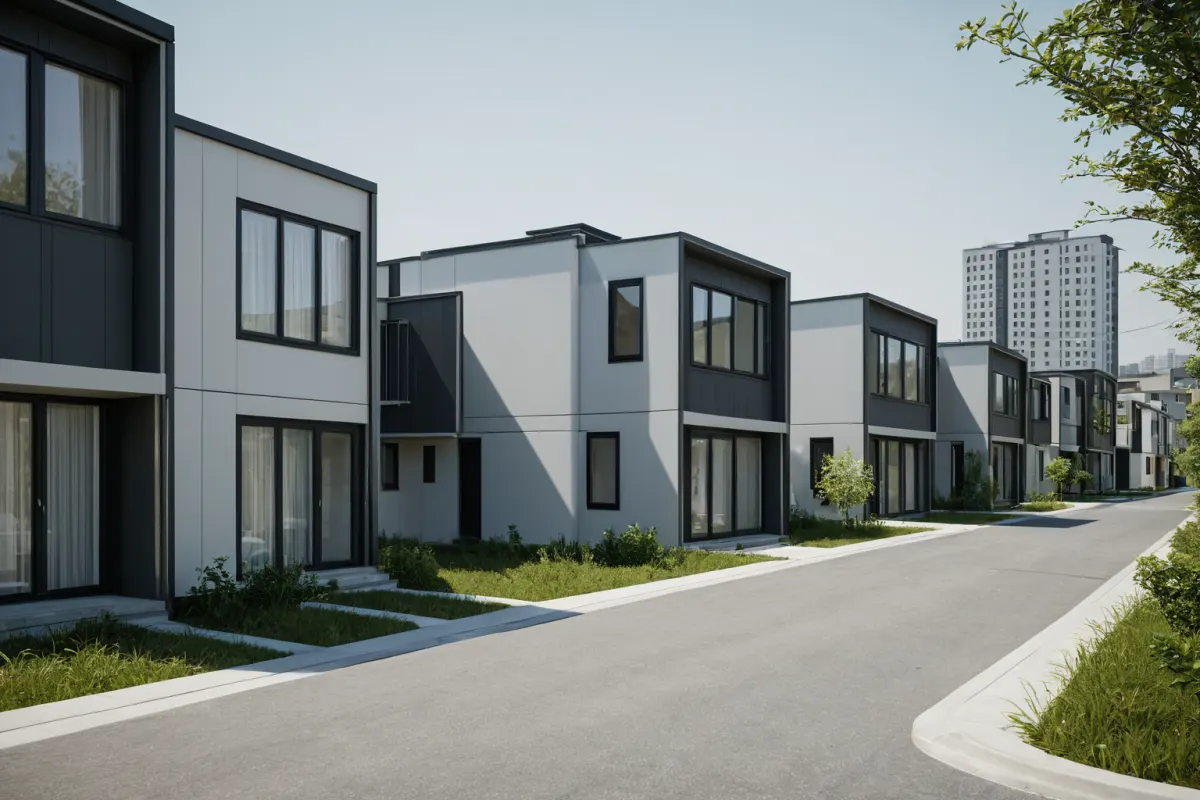
LH Modular Housing Reserves refer to a system where public entities pre-acquire modular homes for later supply when needed. However, the application process, eligibility criteria, and purchase options are not as straightforward as regular housing sales, making it essential to first confirm whether you qualify for the specific program.
Especially since similar-sounding terms may refer to public rental housing, advance reserve stock announcements, or procurement processes, the required documents and procedures vary significantly. Therefore, starting with understanding where to apply and what selection criteria are used can greatly reduce confusion.
The Basics of LH Modular Housing Reserves
Modular homes are constructed in factories using pre-fabricated components, which are then assembled on-site—a process that is typically faster than traditional construction methods and offers more consistent quality control.
In this context, "reserves" mean securing housing stock in advance for specific purposes such as disaster response, temporary accommodation, or supplementary public housing supply. This differs from the typical home-buying process, where individuals purchase property directly.
A common point of confusion is that even if a program is called LH Modular Housing Reserves, it may not be open to individual buyers. Eligibility often depends on whether you are an individual, a government agency, or a business entity—and the application and contracting processes can vary accordingly.
You can find more articles on this topic in one place.
View Related ArticlesEligibility and Target Conditions to Verify Before Applying
The first thing to check is whether you qualify as a participant. While eligibility varies by announcement, it typically includes individual homebuyers, local governments, public institutions, or companies involved in the project.
For example, if the program supports temporary housing, there may be residency or income requirements. If it's for supply or procurement, business registration, construction experience, and technical capabilities might be required. Even though both involve "applying," the nature of each process is completely different.
To avoid confusion, categorize your situation as follows:
- Are you applying as a resident seeking housing?
- Are you applying as a business looking to purchase or supply units?
- Is this part of a public institution partnership program?
- Is it related to temporary housing or reserve stock announcements?
Skipping over the details in the announcement can lead to wasted effort if your documents are rejected later. Also, since specific requirements change with each announcement, relying on past materials is not advisable.
The Actual Application Process Flow
The typical process for LH Modular Housing Reserves involves checking the announcement, determining eligibility, preparing documentation, submitting an application, undergoing review or selection, and finally signing a contract or receiving guidance. While this sequence may seem complex at first glance, following it step by step makes the process manageable.
For instance, if the submission period is two weeks, you should verify requirements on day one and finalize your document list by day two. Rushing at the last minute often leads to problems like needing to reissue resident registration certificates or business documents.
As a general example for individuals: 1) Review the announcement, 2) Confirm residency criteria, 3) Prepare family records and identification documents, 4) Submit online or in person, and 5) Check results. For businesses: 1) Review the announcement, 2) Organize construction experience documentation, 3) Prepare corporate documents and technical materials, 4) Submit, and 5) Respond to evaluations.

Purchase Availability and Key Contract Points
The most common question people ask is: "Can I actually buy this?" The short answer is no—reserves do not always mean direct purchase. Depending on the program, housing may be offered through rental agreements, or it might focus on supplying units to specific organizations.
If purchasing is possible, you’ll need to consider more than just down payment and installments. Factors like site conditions for installation, transportation feasibility, and post-installation maintenance responsibilities are also important. Modular homes depend heavily on proper site preparation and assembly, so land suitability plays a key role.
For example, someone might sign a contract based on the low price alone but later discover that their property isn’t suitable for installation, leading to unexpected additional costs. Missing details like ground conditions, access roads, crane space requirements, or permit availability can significantly increase expenses.
Costs and Maintenance Considerations
While modular homes are built in factories—which helps reduce construction time—they aren't necessarily cheaper overall. Additional costs often include transportation, installation, foundation work, and auxiliary projects.
A common mistake is focusing only on the base price of the home while ignoring site-specific expenses such as electrical connections, plumbing, insulation upgrades, exterior finishes, and permit fees. These add up quickly in total project cost.
Maintenance also remains important after installation. Just because a modular home was factory-built doesn’t mean it requires no further care—regular checks on joints, exterior materials, and leak detection are necessary. In particular, reserve stock may be stored for extended periods, so preservation conditions matter greatly.
Example Step-by-Step Preparation
If this is your first time applying, follow these steps: read the announcement, confirm eligibility, gather documents, and submit your application.
A good starting point on the day an announcement appears is to do three things immediately: check the deadline, save the required document list, and note the contact information. Doing just these three can prevent many last-minute issues.
After that, determine whether you are applying as a resident or as a business participant. Resident applications require checking residency requirements, income levels, and household composition, while business applications focus more on supply track records, technical expertise, and ability to meet schedules.
Additional Context for Better Understanding
When reviewing LH Modular Housing Reserves, it’s helpful to also understand the broader public housing supply structure. Programs like public rental housing, emergency housing, pilot projects, and procurement initiatives may look similar but operate under different procedures.
Even within the same program name, regional differences can affect how applications are processed—some areas prioritize waiting lists, while others use a fixed evaluation system. Therefore, understanding your specific participation method is crucial before starting.
In practice, reading just four sections of an announcement—the target group, process, required documents, and selection criteria—can clarify half the information needed. If these points are unclear, additional inquiries may be necessary.
FAQ
Q1. Can individuals apply for LH Modular Housing Reserves?
It depends on the announcement. While some programs target individual homebuyers, others focus on government agencies or businesses, so verifying eligibility is essential first.
Q2. Is this like buying an apartment directly?
No, it’s usually not. Depending on whether the program focuses on rental, supply, procurement, or reserves, the contracting process varies significantly.
Q3. What do people most often miss when applying?
The submission period and required documents are commonly overlooked. Failing to meet site conditions or eligibility requirements can result in an application being rejected outright.
Continue exploring similar topics.
View Category ArticlesFAQ
Can individuals apply for LH Modular Housing Reserves?
It depends on the announcement. While some programs target individual homebuyers, others focus on government agencies or businesses, so verifying eligibility is essential first.
Is this like buying an apartment directly?
No, it's usually not. Depending on whether the program focuses on rental, supply, procurement, or reserves, the contracting process varies significantly.
What do people most often miss when applying?
The submission period and required documents are commonly overlooked. Failing to meet site conditions or eligibility requirements can result in an application being rejected outright.
Korean Source
This article is an English localization of a Korean-language report from BlogScore. Original: LH모듈러주택비축 신청부터 구매까지 단계별