
Issues and Future Outlook from Lee Jin-sook's May 18 Press Conference
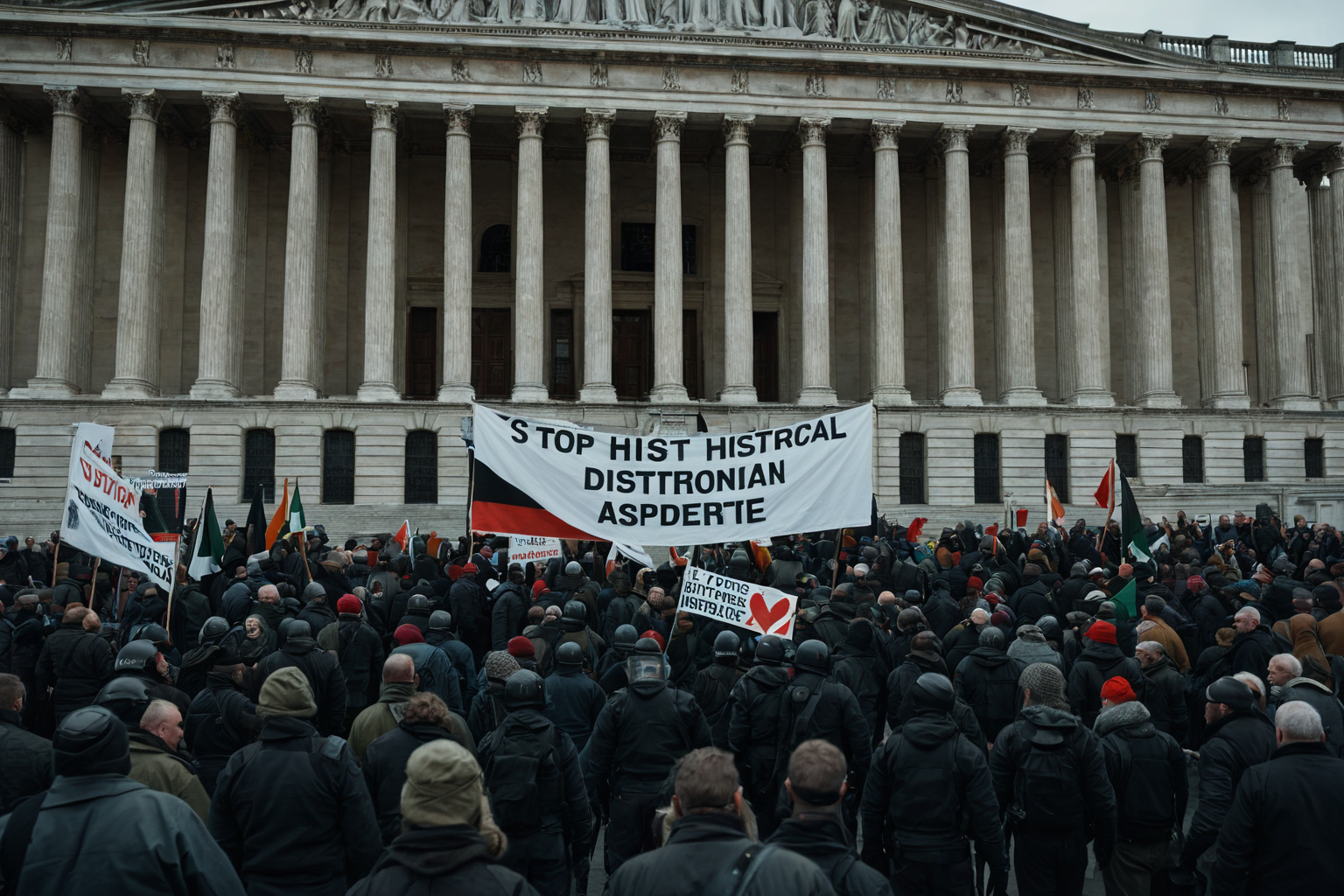
Lee Jin-sook's Controversial Remarks on May 18
Lee Jin-sook, a member of the National Assembly, sparked controversy by describing the May 18 Democratization Movement as a 'disturbance.' This led to calls for her expulsion from the Democratic Party and progressive parties, who labeled it historical distortion. Families of victims and local communities also strongly condemned her remarks.
On August 13, 2026, during a forum titled 'Re-examining May 18' hosted by Lee Jin-sook, she made the controversial statement that 'May 18 was a disturbance,' causing chaos with loud protests and disruptions. Lee claimed the disruption was part of a specific group's strategy, but families called it an unforgivable remark.
Political Debate Over Expulsion Resolution
The Democratic Party-led resolution calling for Lee Jin-sook's expulsion passed in the National Assembly's Rules Committee on August 26. This followed increased pressure within the party after some members referred to her as 'a woman Chun Doo-hwan' (referring to South Korea's former authoritarian leader).
Conversely, the People Power Party refused to consider disciplinary action over the 'May 18 defamation' controversy. On August 17, they stated no disciplinary measures would be taken against Lee Jin-sook, highlighting a clear divide between political parties.
Lee Jin-sook also filed a lawsuit for insult against Kim Min-seok, leader of the Democratic Party, after he called her 'a woman Hitler.' The planned legal action on August 24 further intensified the controversy.
Historical Interpretation Conflict and Political Response
Lee Jin-sook's statement framing the May 18 movement as a 'disturbance' clashed with the view of it as a historical democratization event. This highlighted an ongoing conflict in how South Koreans interpret this pivotal moment, shaping political responses.
The Democratic and progressive parties called for her expulsion over 'historical distortion,' while the People Power Party refused disciplinary action, showing sharp divisions. Within the Democratic Party, some members intensified pressure by calling her a 'woman Chun Doo-hwan.'
Feminist groups demanded an end to unfair disciplinary actions, noting that women's voices were excluded in the process of passing the expulsion resolution. They also called for urgent measures against historical distortion disguised as academic research.
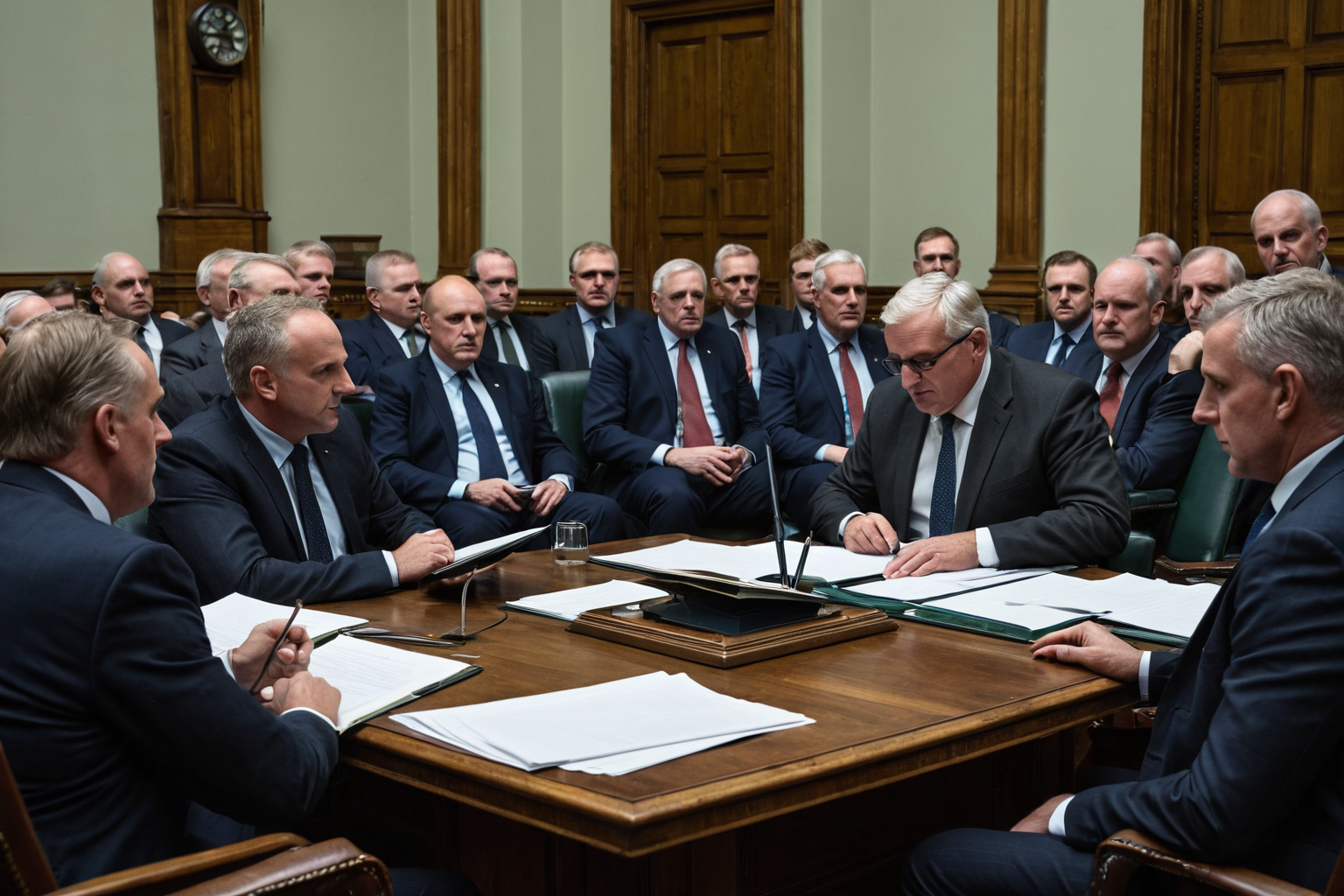
Lawsuit and Feminist Group Demands
Lee Jin-sook signaled legal action over Kim Min-seok's 'woman Hitler' comment, which she claims constitutes an insult. This reflects how political disputes are escalating into legal conflicts.
Feminist groups demanded the suspension of unfair disciplinary actions against Lee Jin-sook and highlighted that women's voices were marginalized during the resolution process. They also stressed the need for a response to historical distortion disguised as academic research.
Process of Expulsion Resolution Passage
The expulsion resolution was passed unilaterally by the ruling party in the National Assembly's Rules Committee on August 25, with opposition parties abstaining from voting. This followed heightened pressure within the Democratic Party after members referred to her as 'a woman Chun Doo-hwan.'
On August 26, the resolution was formally adopted, and the Progressive Party held protests outside the National Assembly, demanding further action. This demonstrated how the 'historical distortion' controversy is deepening political divisions.
Democratization movement groups also called for her expulsion over 'historical distortion,' aligning with the Democratic and progressive parties' stance. Their demands contribute to the broader political debate over historical interpretation.
Legal Response to Historical Distortion Controversy
Lee Jin-sook has threatened various legal actions regarding the 'May 18 defamation' controversy, particularly filing an insult lawsuit against Kim Min-seok for calling her a 'woman Hitler.'
Feminist groups noted that women's voices were excluded during the resolution process and emphasized gender-based conflicts in historical interpretation. They also stressed the need for measures against historical distortion disguised as academic research.
Analysis of Political Stances
The Democratic Party labeled Lee Jin-sook's remarks 'historical distortion' and passed a resolution calling for her expulsion, while the People Power Party refused disciplinary action, clearly highlighting their differing views on historical interpretation and political conflict.
Lee Jin-sook's framing of the May 18 movement as a 'disturbance' challenges the perception of it as a sacred event in South Korea's democratization. This case shows how interpretations of historical events can escalate into political disputes.
Demand from feminist groups and discussions about addressing historical distortion disguised as academic research reveal that debates over historical facts are gaining social influence.
Verified Information
Lee Jin-sook's 'May 18 disturbance' remarks were confirmed to have been made during a forum on August 13, 2026. They received strong condemnation from democratization groups and families of victims, leading to the passage of an expulsion resolution.
The Democratic Party-led resolution for her expulsion passed in the National Assembly's Rules Committee on August 26. This followed increased pressure within the party after some members called her a 'woman Chun Doo-hwan.'
On August 17, the People Power Party stated no disciplinary action would be taken against Lee Jin-sook, clearly showing political division. Feminist groups demanded an end to unfair disciplinary actions and stressed the urgent need for responses to historical distortion disguised as academic research.
Frequently Asked Questions
When did Lee Jin-sook make her 'May 18 disturbance' remarks?
Lee Jin-sook made her controversial statement during a forum titled 'Re-examining May 18' on August 13, 2026. She described the democratization movement as a 'disturbance,' which drew strong condemnation from families of victims and local communities.
How did the expulsion resolution pass?
The resolution was passed unilaterally by the ruling party in the National Assembly's Rules Committee on August 25, with opposition parties abstaining. It was formally adopted on August 26.
Why did the People Power Party refuse disciplinary action against Lee Jin-sook?
The People Power Party refused to consider discipline over the 'May 18 defamation' controversy, indicating an unwillingness to directly confront historical interpretation conflicts. They also acted to strengthen political divisions between parties.
Frequently Asked Questions
Lee Jin-sook's remarks about referring to the May 18 movement as a 'disturbance' triggered debates over historical interpretation and political conflict. While the Democratic and progressive parties called for her expulsion, the People Power Party refused disciplinary action, highlighting sharp political divides.
Feminist groups demanded an end to unfair disciplinary actions and emphasized gender-based conflicts in historical interpretation. They also stressed the urgent need for measures against historical distortion disguised as academic research.
This incident shows how disputes over historical facts can have significant social influence, suggesting that future responses to similar controversies will require careful consideration of balancing historical interpretation with political conflict resolution. It is important to clarify boundaries between historical interpretation and political opposition while seeking societal consensus.
You can view more articles on similar topics in one place.
View Related ArticlesFAQ
When did Lee Jin-sook make her 'May 18 disturbance' remarks?
Lee Jin-sook made the statement during a forum titled 'Re-examining May 18' on August 13, 2026.
How did the expulsion resolution pass?
The resolution was passed unilaterally by the ruling party in the National Assembly's Rules Committee on August 25, with opposition parties abstaining from voting.
Why did the People Power Party refuse disciplinary action against Lee Jin-sook?
The People Power Party refused to consider discipline over the 'May 18 defamation' controversy, indicating an unwillingness to directly confront historical interpretation conflicts.
Korean Source
This article is an English localization of a Korean-language report from BlogScore. Original: 이진숙 5.18 기자회견에서 드러난 문제점과 향후 전망