
The Full Story Behind the Lee Jin-sook 'Grabbing by Collar' Incident and Legal Ruling
Lee Jin-sook MP's Controversial Remarks on the May 18th Democratization Movement
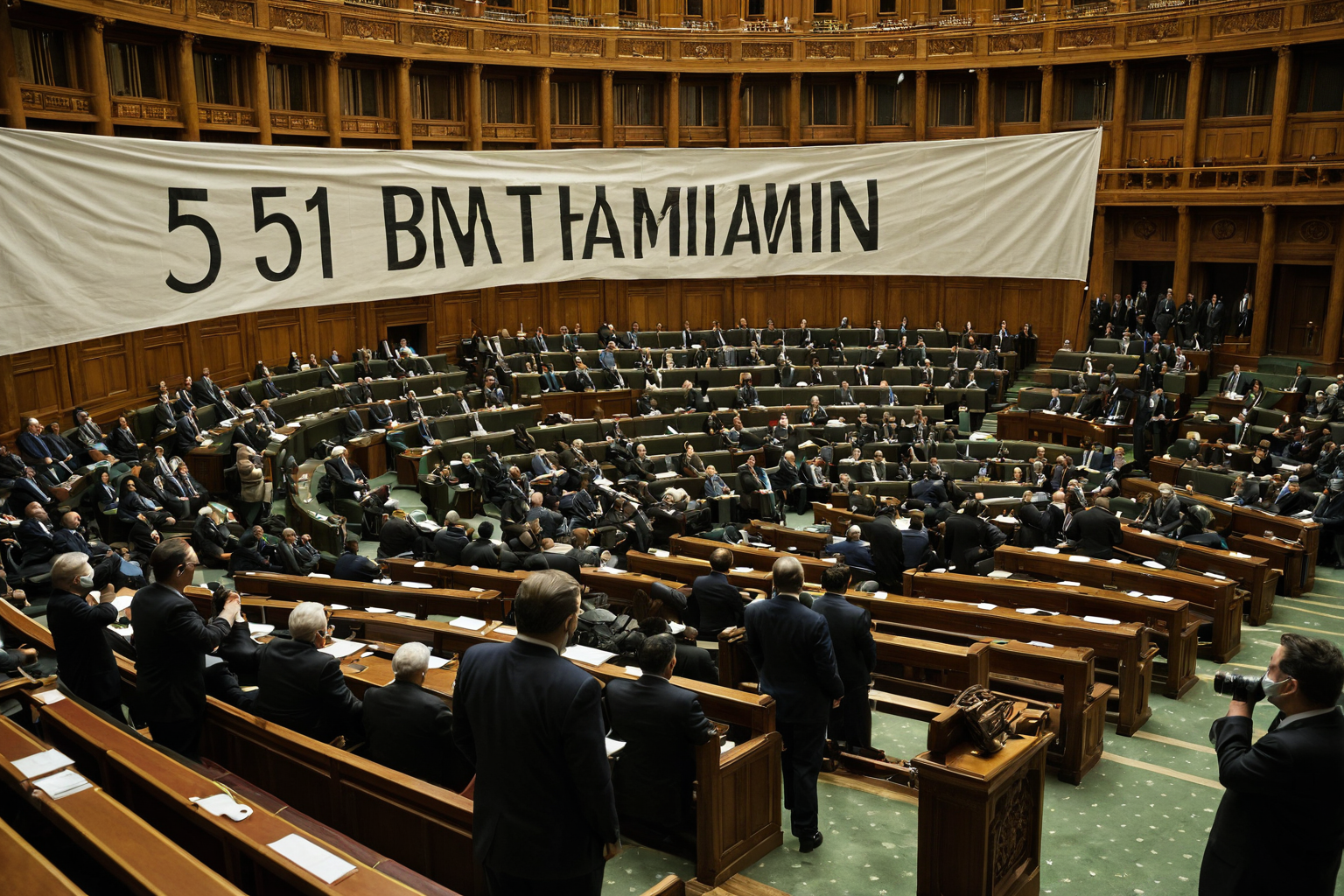
Nationalist Party MP Lee Jin-sook recently hosted a forum titled 'Re-examining the May 18th Democratization Movement as a Riot,' sparking political controversy. The event escalated into physical altercations, including shouting matches and grabbing by the collar, turning the National Assembly into chaos.
Details of the Forum Violence Incident
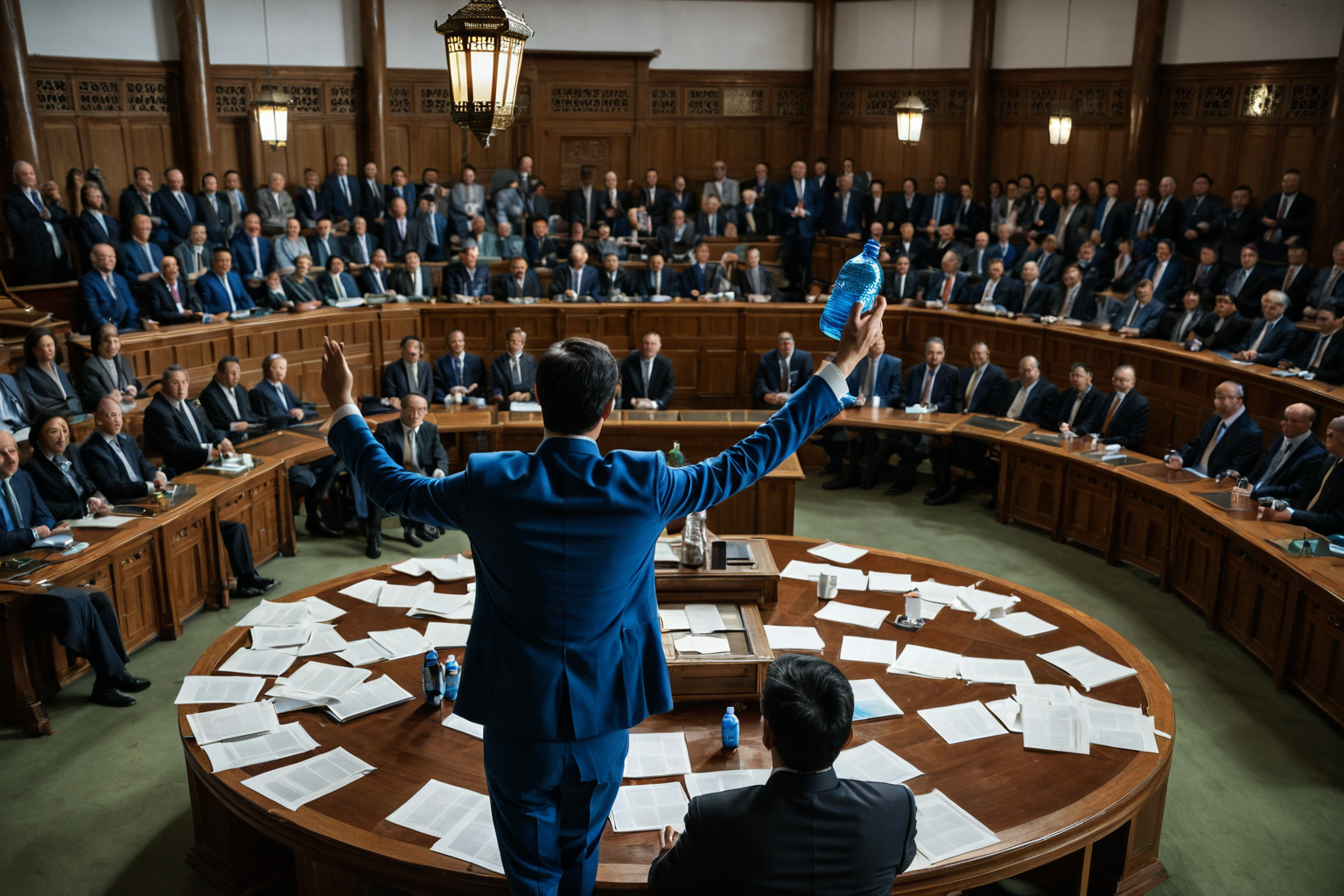
The incident occurred during Lee Jin-sook's forum on August 13th, where discussions began with loud arguments. Some attendees threw water bottles, leading to physical violence including grabbing by the collar. The situation became so severe that it was described as a 'chaos' within the National Assembly.
Committee Decision and Political Tensions
Following the incident, the Nationalist Party's Ethics Committee decided not to investigate Lee Jin-sook for disciplinary action. Instead, they proceeded with disciplinary discussions regarding four opposition party members, accelerating internal party conflicts. While some Democratic Party and Nationalist Party MPs submitted a motion to expel Lee Jin-sook, it was never brought to a vote.
Refusal to Apologize and Political Stance
Lee Jin-sook refused to apologize after the controversy, standing by her position that the May 18th Democratization Movement should be labeled as 'riots' or 'disturbances.' She remained silent about the violent incident during the forum and did not pursue legal action. Lee Jin-sook emphasized the issue of parliamentary qualifications, calling it a political act that would end her career.
Expansion of Political Controversy
After the forum, Lee Jin-sook continued to downplay the May 18th Democratization Movement as a 'disturbance.' Even after the violent incident during the forum involving water bottles and physical altercations, she remained silent. The opposition party criticized her stance, but no legal actions were taken.
Progress of Disciplinary Discussions
On August 18th, the Nationalist Party Ethics Committee received statements from four opposing members before deciding not to investigate Lee Jin-sook. On August 21st, a motion for expulsion was submitted by some Democratic and Nationalist MPs but never came to a vote. This followed growing criticism that the committee's decision amounted to ending a colleague's political career.
Opposition Party Backlash and Cho Kyung-tae's Argument
Opposition party members criticized the Ethics Committee's decision, calling it an act of ending a colleague's political life. Specifically, MP Cho Kyung-tae argued that Lee Jin-sook should resign from her position, intensifying the controversy. Despite these arguments, Lee Jin-sook refused to apologize and maintained her stance.
Basis for Ethics Committee Decision
The Ethics Committee stated they did not consider Lee Jin-sook's remarks on labeling the May 18th movement as a 'riot' as disciplinary matter because it was viewed as political debate. However, this decision faced strong criticism within the party, with opposition members accusing it of political bias.
Seriousness of Controversy in Parliament
The physical altercation during Lee Jin-sook's forum became so severe that it was described as a 'chaos' in the National Assembly. This incident highlighted how political debates can escalate into physical violence, drawing attention to issues with parliamentary operations. Notably, Lee Jin-sook remained silent after the violent event and did not pursue legal action, further intensifying the controversy.
Debate Over the May 18th Democratization Movement
Lee Jin-sook's remarks rekindled debate over whether the May 18th movement should be labeled as a 'riot' or 'disturbance,' contrasting with its widely recognized status as a symbol of democracy in South Korean memory. This controversy reignited political tensions around historical evaluations of the event.
Refusal to Apologize and Emphasis on Political Position
Lee Jin-sook refused to apologize for her downplaying remarks, instead emphasizing issues related to parliamentary qualifications. Her stance was seen as a refusal to step back from controversy while maintaining her political position. Her silence regarding the physical altercation also drew criticism.
Expansion of Controversy and Political Impact
The incident has sparked significant debate within South Korea's political landscape, extending beyond personal remarks into broader historical evaluations of the May 18th movement. The Ethics Committee decision and disciplinary discussions have accelerated internal party divisions, increasing political distrust.
Verified Information
It is confirmed that Lee Jin-sook hosted a forum and made downplaying remarks about the May 18th Democratization Movement. However, specific historical or legal justifications for labeling the movement as 'riots' remain unclear. Details on the extent of physical harm during the incident and any legal actions taken are not reported. Further information is needed regarding Lee Jin-sook's refusal to apologize.
Frequently Asked Questions
How did Lee Jin-sook characterize the May 18th Democratization Movement?
Lee Jin-sook characterized the May 18th Democratization Movement as a 'riot' or 'disturbance.'
What decision did the Nationalist Party Ethics Committee make regarding Lee Jin-sook?
The Nationalist Party Ethics Committee decided not to investigate Lee Jin-sook for disciplinary action and proceeded with discussions on four opposition party members.
Did Lee Jin-sook apologize?
No, Lee Jin-sook refused to apologize and instead emphasized issues related to parliamentary qualifications, standing by her position.
Frequently Asked Questions
The controversy surrounding Lee Jin-sook's downplaying of the May 18th Democratization Movement and the violent incident at her forum has sparked significant political debate. The Ethics Committee's decision and disciplinary discussions have accelerated internal party divisions, with Lee Jin-sook refusing to apologize, further intensifying the conflict. Given the historical significance of the May 18th movement as a symbol of democracy in South Korea, tensions around its evaluation are likely to continue.
You can find more articles on similar topics here.
View Related ArticlesFAQ
How did Lee Jin-sook characterize the May 18th Democratization Movement?
Lee Jin-sook characterized the May 18th Democratization Movement as a 'riot' or 'disturbance.'
What decision did the Nationalist Party Ethics Committee make regarding Lee Jin-sook?
The Nationalist Party Ethics Committee decided not to investigate Lee Jin-sook for disciplinary action and proceeded with discussions on four opposition party members.
Did Lee Jin-sook apologize?
No, Lee Jin-sook refused to apologize and instead emphasized issues related to parliamentary qualifications, standing by her position.
Korean Source
This article is an English localization of a Korean-language report from BlogScore. Original: 이진숙 멱살잡이 사건의 전말과 법적 판결 내용