
Lee Jin-sook's 5.18 Press Conference: Key Points and Responses
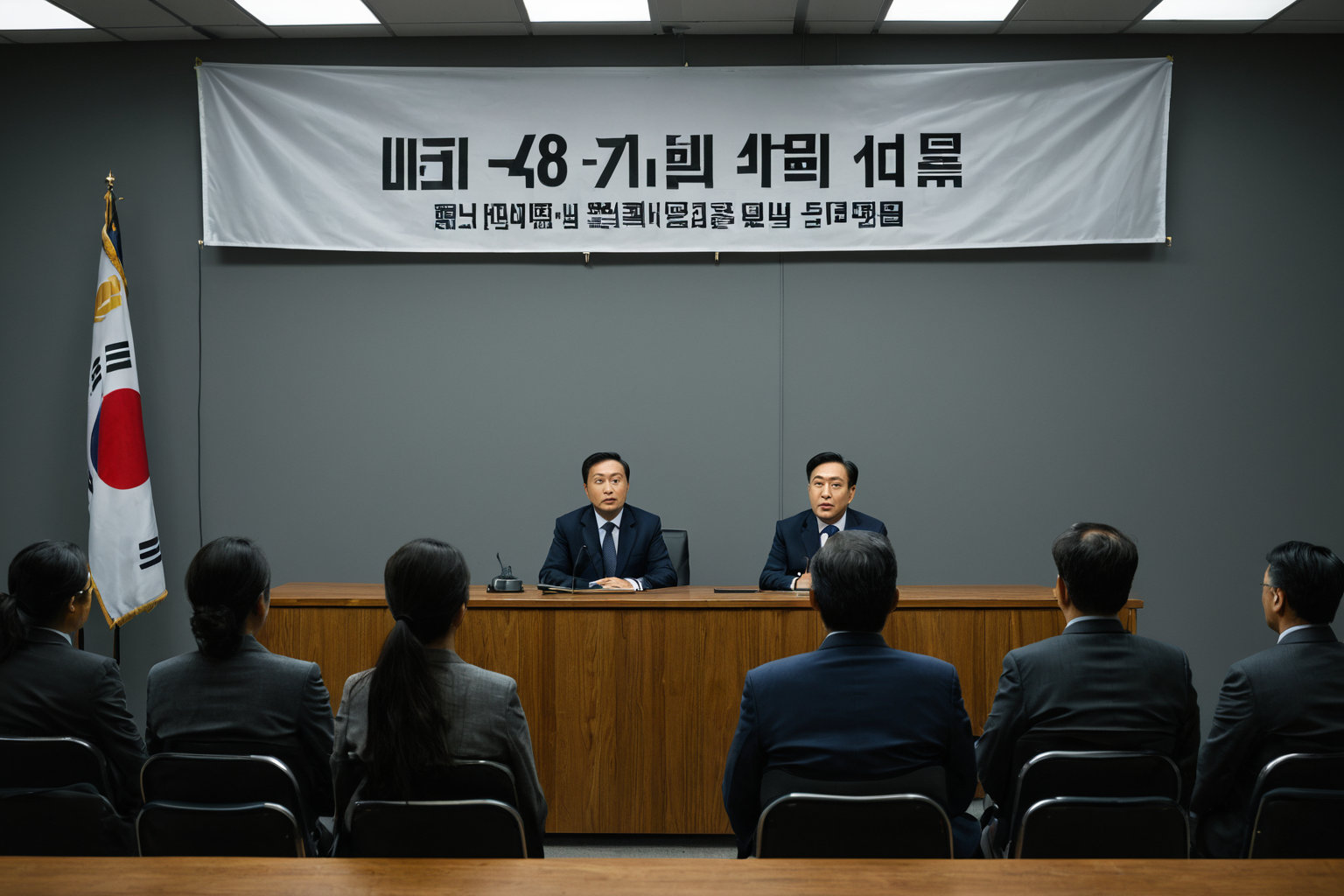
Lee Jin-sook's Key Statements at the 5.18 Press Conference
Rep. Lee Jin-sook characterized the May 18th Democracy Movement as a 'disturbance' and stated that it should not be 'sacralized.' This came after a heated debate where shouting and protests led to chaos, prompting her to hold a press conference for further comments.
Lee described the 5.18 Movement as having gone beyond being sacred ground and already become myth, condemning the halt of discussions. This became a core point of strong opposition from the Democratic Party and civic groups.
Her remarks were criticized for distorting historical interpretation of the May 18th Democracy Movement, with 'sacralization' becoming a central issue. The movement is recognized nationally as a historical event, not something to be sacralized but rather commemorated and taught appropriately.
At the press conference, Lee also stated, 'Is 5.18 sacred? Publicize the merits of those honored,' advocating for greater transparency in the state-funded system recognizing May 18th heroes. While presented as part of her remarks, this was criticized as a policy argument using distorted historical interpretation.
During the press conference, Lee blocked journalists from reporting, which further fueled controversy and expanded into debates about press freedom and political responsibility.
Passage of the Motion to Demand Lee Jin-sook's Expulsion
The Democratic Party-led resolution demanding Lee Jin-sook's expulsion was passed in the National Assembly's Rules Committee. This action followed strong backlash against her remarks.
The motion, processed on August 25, 2026, by the Rules Committee under Democratic Party leadership, reflects a political divide between parties.
The resolution explicitly stated that Lee's remarks on May 18th constitute historical distortion and that she should immediately step down from her parliamentary position. This demonstrates the Democratic Party's firm stance. After passage, the party announced it would consider further measures against Lee.
While the People Power Party (PPP) expressed opposition during the process, no agreement was reached between parties, leading to a single-party passage by the Democrats. This highlights deepening political polarization within the Assembly.
The resolution passed through a vote on August 25, 2026, in the Rules Committee with Democratic Party members' support. This case is analyzed as evidence of worsening inter-party political conflict.
How the Controversy Unfolded
Rep. Lee's remarks began during a debate on August 13, 2026, when she referred to 'May 18th' as a disturbance, prompting shouting and protests.
On August 14, she further stated at a press conference that 'May 18th has gone beyond sacred ground and is already myth.' This was reported by media outlets like Weekly Chosun, expanding the controversy.
By August 15, reports such as 'Lee Jin-sook's Nonsense... Both Democratic Party and Hong Jun-pyo Condemn' began appearing. This marked a key point showing opposition between the two parties.
KBC Gwangju Broadcasting reported on August 16 that Yoo Jae-gwang criticized Lee's remarks in his column 'Yoeudo 108,' calling them 'baseless claims.' This reflects strong criticism from media outlets regarding her statements.
On August 18, Nocut News and Break News covered demands from 42 groups in Daegu, showing expanded public backlash. The 42 groups emphasized that remarks denigrating the May 18th Democracy Movement cannot be tolerated.
Criticism and Controversy
Lee's remarks were criticized by some media and civic groups as 'baseless claims' and 'historical distortion under academic guise.' On August 18, 42 Daegu groups and May Groups issued a statement demanding an apology and resignation.
Rep. Jo Gyeong-tae criticized Lee's defense as 'like saying you didn't drive drunk after drinking,' highlighting that internal party discipline against her is no longer possible within the People Power Party. This reflects political tensions within the party.
Demonstrations outside the People Power Party headquarters called for 'Expel Lee Jin-sook for Distorting May 18th History!' showing the intensity of public sentiment.
While advocating transparency in the state-funded system recognizing May 18th heroes, Lee's remarks were criticized as distorting historical interpretation. Civic groups and the Democratic Party argued that this undermines the significance of the May 18th Democracy Movement.
The 42 Daegu groups issued a statement on August 18 stating that Lee's remarks denigrate the May 18th Movement, necessitating an apology and resignation. They welcomed the resolution passed in the Rules Committee and demanded further action.
Response Strategies and Future Outlook
Lee has advocated for greater transparency in the state-funded system recognizing May 18th heroes, stating that 'the public should see how tax money is used for this purpose.' While part of her remarks, she faces criticism for this stance.
The People Power Party internally concluded that disciplinary action against Lee is no longer feasible. The party views her comments as personal opinion and announced it would not take further measures.
With the 42 Daegu groups and May Groups demanding an apology and resignation, and the resolution passed in the Rules Committee deepening Lee's political crisis, this case shows how differing interpretations of historical events can escalate into political conflict.
Future developments to watch include further demands from the May Groups and Daegu 42 groups, responses within the People Power Party, and Lee's future political actions. Her avoidance of questions about running as an independent candidate is expected to fuel additional controversy.
Lee avoided answering whether she plans to run as an independent candidate, a move likely to draw further criticism. This is seen as significant for her political strategy.
Verified Information
Rep. Lee Jin-sook's remarks labeled the May 18th Democracy Movement a 'disturbance' and opposed its 'sacralization,' which became a core point of strong opposition from the Democratic Party and civic groups.
The resolution to demand her expulsion was processed on August 25, 2026, in the National Assembly's Rules Committee under Democratic Party leadership. This reflects political division between parties over historical interpretation.
During the press conference, Lee blocked journalists from reporting and made remarks such as 'Is 5.18 sacred? Publicize the merits of those honored.' These actions further fueled controversy.
Her remarks were criticized for distorting the historical interpretation of the May 18th Democracy Movement, with 'sacralization' becoming a central issue. The movement is nationally recognized as a historical event that should be commemorated and taught appropriately, not sacralized.
The 42 Daegu groups issued a statement on August 18 stating Lee's remarks denigrate the May 18th Movement, requiring an apology and resignation. They welcomed the resolution passed in the Rules Committee and demanded further action.
Frequently Asked Questions
How did Rep. Lee Jin-sook characterize the May 18th Democracy Movement?
Lee Jin-sook characterized the May 18th Democracy Movement as a 'disturbance' and stated that it should not be 'sacralized.'
What was the backlash to Lee Jin-sook's remarks?
The Democratic Party and civic groups criticized her remarks as 'baseless claims' and 'historical distortion under academic guise,' demanding an apology and resignation.
How was the motion to demand her expulsion handled?
Under Democratic Party leadership, the resolution demanding Lee Jin-sook's expulsion passed in the National Assembly's Rules Committee on August 25, 2026.
FAQ
How did Rep. Lee Jin-sook characterize the May 18th Democracy Movement?
Lee Jin-sook characterized the May 18th Democracy Movement as a 'disturbance' and stated that it should not be 'sacralized.'
What was the backlash to Lee Jin-sook's remarks?
The Democratic Party and civic groups criticized her remarks as 'baseless claims' and 'historical distortion under academic guise,' demanding an apology and resignation.
How was the motion to demand her expulsion handled?
Under Democratic Party leadership, the resolution demanding Lee Jin-sook's expulsion passed in the National Assembly's Rules Committee on August 25, 2026.
Korean Source
This article is an English localization of a Korean-language report from BlogScore. Original: 이진숙 5.18 기자회견 내용 정리: 핵심 논점과 대응 방안