
Latest 2023 Guidelines on Aggressive Driving Penalties and Fines in South Korea
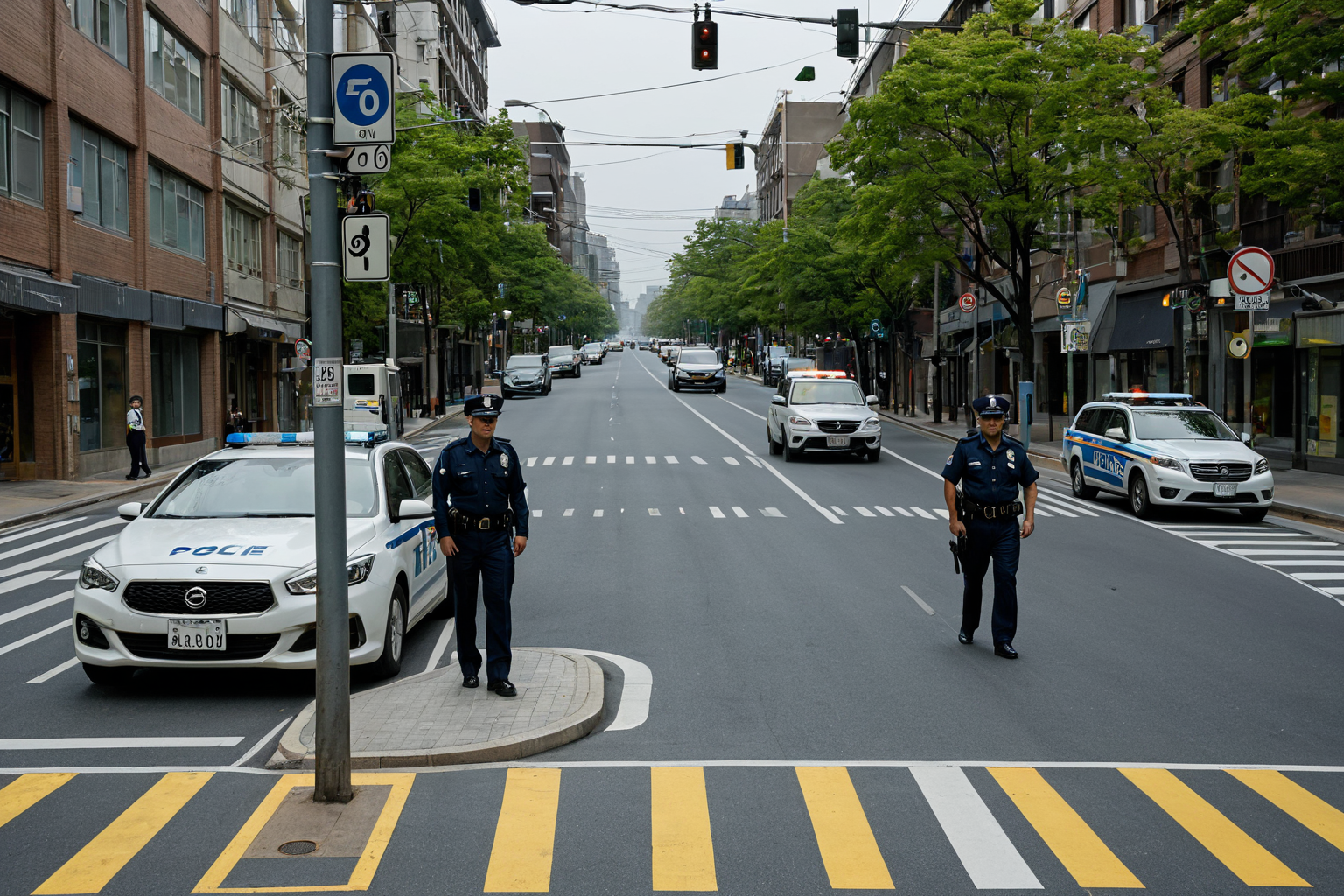
Latest 2023 Guidelines on Aggressive Driving Penalties and Fines in South Korea
As of 2023, penalties for aggressive driving can include criminal charges with a maximum sentence of one year in prison or a fine up to KRW 5 million (approximately USD 3,800). The most common administrative penalties are fines ranging from KRW 500,000 to KRW 2 million (USD 380-1,500) and a five-year license suspension. These standards have been progressively strengthened since the criminal penalty framework was established on February 11, 2016.
Legal Basis and Changes in Aggressive Driving Penalties
On February 11, 2016, South Korea established a legal basis for criminal penalties for aggressive driving, allowing maximum sentences of one year in prison or fines up to KRW 5 million. This marked the beginning of an increasingly strict penalty system.
In November 2017, additional measures were introduced: repeated aggressive driving incidents involving taxi and towing services could lead to business license revocation or suspension of operating rights. Additionally, removing speed limit devices on cargo vehicles over 3.5 tons would result in license cancellation.
On January 23, 2018, urban speed limits were reduced from 60 km/h to 50 km/h as part of a strategy to improve road safety and prevent aggressive driving.
Statistics and Cases Related to Aggressive Driving
A higher incidence of aggressive and retaliatory driving accidents was reported in Busan. Among retaliatory driving cases, seven out of ten were not prosecuted, highlighting gaps in legal enforcement.
In 2023, new sentencing guidelines for school zone traffic accidents were established, allowing maximum sentences of up to 26 years for drunk driving hit-and-runs. This reflects a broader trend toward stricter penalties for aggressive driving-related incidents.
On May 20, 2024, reports indicated that failure to respond early to repeat drunk driving offenses could lead to increased criminal penalties. This suggests growing connections between the enforcement systems for aggressive driving and drunk driving.
Distinguishing Retaliatory Driving from Aggressive Driving
Retaliatory driving must be clearly distinguished from aggressive driving. Attorney Han Moon-cheol, a traffic accident specialist, explained that 'retaliatory driving occurs as a response to aggressive driving and should not be considered simply as hit-and-run or violent acts.'
The 2019 August 23 Jeju Carnival driver assault incident sparked controversy over the distinction between retaliatory and aggressive driving. While criminal activity occurred due to retaliatory driving, legal responses were insufficient.
Recommended responses to retaliatory driving include immediate police reporting and evidence collection. It is also important to avoid violent actions and move to a safe location if situations worsen.
Upcoming Crackdowns and Policy Changes
Since January 2023, when urban speed limits were adjusted to 50 km/h, special crackdowns on speeding and aggressive driving have been intensified during holidays like National Memorial Day and vacation periods. The Chungnam Police Agency plans a special enforcement operation on June 4, 2026, in preparation for National Memorial Day.
The Daejeon Police Agency plans to strengthen undercover patrols targeting speeding and aggressive driving during the summer holiday season, with operations scheduled for July 26, 2026. This reflects a policy focus on preventing traffic accidents during peak travel times.
Reviewing crackdown notices from 2014 through 2026 shows that penalties for aggressive driving have been consistently strengthened, particularly in urban areas where road safety is being improved through various policies.
Penalty Guidelines and Fines for Aggressive Driving as of 2023
The specific penalty guidelines for aggressive driving in 2023 are as follows: criminal penalties can reach up to one year in prison or a fine of KRW 5 million, while administrative penalties include fines between KRW 500,000 and KRW 2 million, and a five-year license suspension.
On October 10, 2016, a case was reported where an aggressive driver was fined KRW 500,000. This served as a representative example of the penalty standards at that time, reflecting the gradual strengthening of the penalty system afterward.
Since 2017, repeated aggressive driving incidents involving taxi and towing services can result in business license revocation. This policy aims to strengthen accountability among transportation companies and represents a comprehensive approach to preventing aggressive driving.
Key Cases and Responses Related to Aggressive Driving
The 2019 August 23 Jeju Carnival driver assault incident highlighted the distinction between retaliatory and aggressive driving. Attorney Han Moon-cheol explained responses to retaliatory driving through this case.
In cases of retaliatory driving, legal requirements must clearly distinguish it from aggressive driving, and it should not be treated as simple hit-and-runs or violent acts. This is an important factor explaining why seven out of ten retaliatory driving cases were not prosecuted in 2023.
The 2023 establishment of sentencing guidelines for school zone traffic accidents has strengthened penalties for drunk hit-and-run cases, showing a trend toward integrating penalty systems for crimes similar to aggressive driving.
Policy Measures for Preventing Aggressive Driving
The policy reducing urban speed limits from 60 km/h to 50 km/h, implemented on January 23, 2018, is part of a strategic effort to improve road safety and prevent aggressive driving.
Special crackdowns on speeding and aggressive driving are intensified during National Memorial Day and vacation periods. The Chungnam Police Agency plans enforcement on June 4, 2026, while the Daejeon Police Agency plans operations on July 26, 2026.
Reviewing policy changes since 2016 shows that the penalty system for aggressive driving has been progressively strengthened, particularly with policies aimed at improving safe driving environments in urban areas.
Important Information to Note
The current information does not include specific legal amendments from 2023. This limits the ability to clearly present the exact penalty standards for aggressive driving.
Distinguishing retaliatory driving from aggressive driving remains a point of contention, leading to insufficient legal responses. The fact that seven out of ten cases were not prosecuted highlights this ongoing issue.
Frequently Asked Questions
What are the penalty guidelines for aggressive driving?
Penalties include criminal charges with a maximum sentence of one year in prison or a fine up to KRW 5 million, and administrative penalties including fines between KRW 500,000 and KRW 2 million, and a five-year license suspension.
How is retaliatory driving distinguished from aggressive driving?
Retaliatory driving occurs as a response to aggressive driving and should not be considered simply as hit-and-run or violent acts. Legal requirements must clearly distinguish between the two.
What are the current urban speed limits in South Korea?
The urban speed limit was reduced from 60 km/h to 50 km/h on January 23, 2018, and this remains in effect today.
Frequently Asked Questions
The penalty system for aggressive driving has been progressively strengthened since the criminal penalty framework was established in 2016. Key changes include the introduction of business license revocation for taxi and towing services in 2017, and urban speed limit adjustments in 2018. As of 2023, fines range from KRW 500,000 to KRW 2 million with a five-year license suspension.
Current information shows that the distinction between retaliatory driving and aggressive driving remains problematic, leading to insufficient legal responses. This is evident in cases where seven out of ten were not prosecuted. Further policy changes and legal amendments after 2023 are needed to improve effective prevention and penalty systems for aggressive driving.
You can view similar articles on this topic in one place.
View Related ArticlesFAQ
What are the penalty guidelines for aggressive driving?
Penalties include criminal charges with a maximum sentence of one year in prison or a fine up to KRW 5 million, and administrative penalties including fines between KRW 500,000 and KRW 2 million, and a five-year license suspension.
How is retaliatory driving distinguished from aggressive driving?
Retaliatory driving occurs as a response to aggressive driving and should not be considered simply as hit-and-run or violent acts. Legal requirements must clearly distinguish between the two.
What are the current urban speed limits in South Korea?
The urban speed limit was reduced from 60 km/h to 50 km/h on January 23, 2018, and this remains in effect today.
Korean Source
This article is an English localization of a Korean-language report from BlogScore. Original: 난폭운전 처벌 기준과 벌금액 2023년 최신 정보