
Kumamoto Ion Mall Explosion Accident: Safety Management Failure Caused the Disaster
Analysis of the Kumamoto Ion Mall Explosion Accident Cause
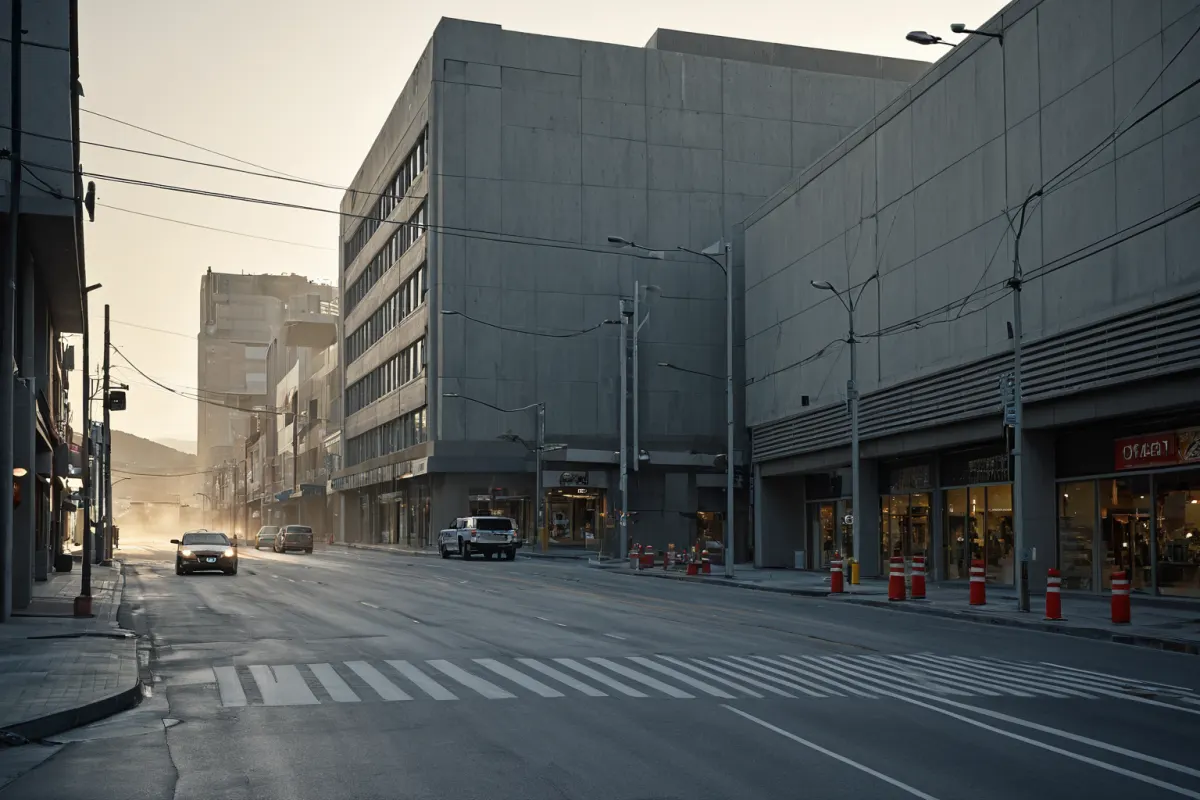
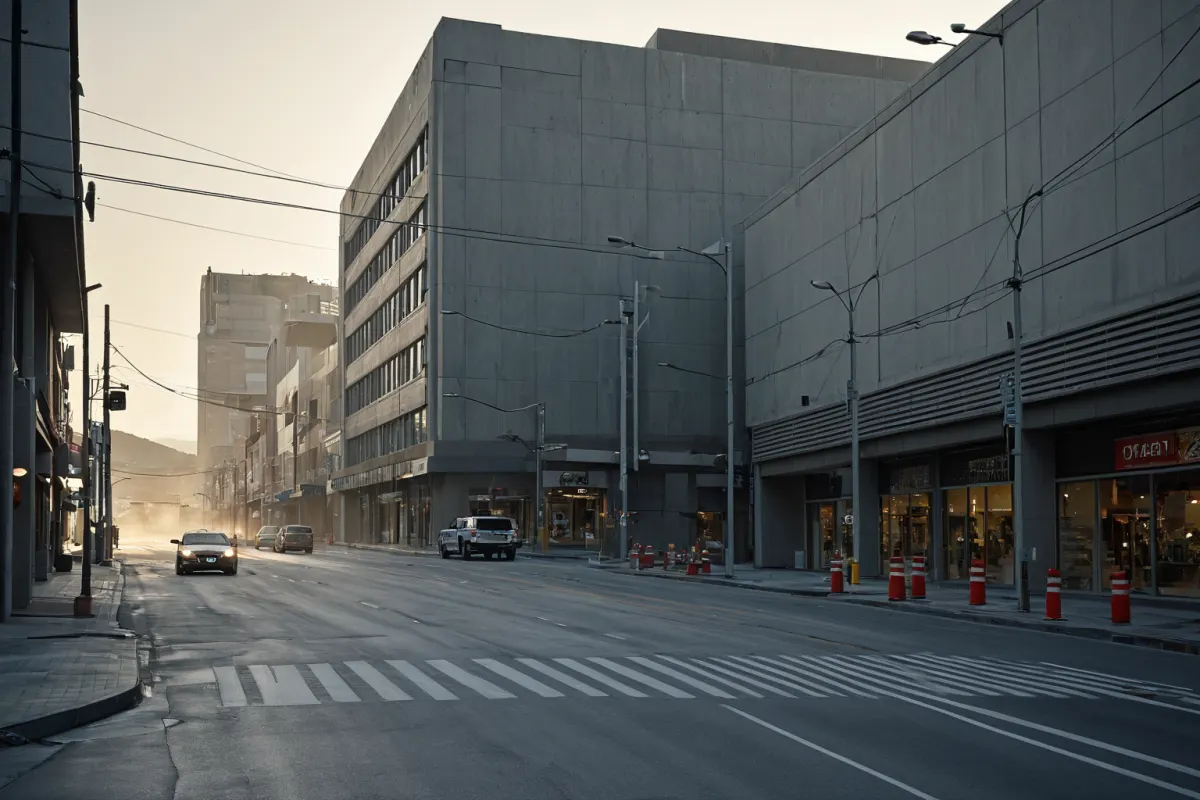
The Ion Mall shopping center collapsed due to a magnitude 7.1 earthquake that struck Kumamoto, Japan on July 28, 2026, leading to an LPG leak and subsequent explosion after ignition. While 5,700 people evacuated within 30 minutes, preventing a larger disaster, the death toll rose from an initial 5 to a final total of 28, with the Japanese government officially reporting 13 fatalities.
Accident Situation and Evacuation Success
During the Kumamoto earthquake, the Ion Mall shopping center was being used as an evacuation site when structural collapse from the quake caused an LPG leak. Immediately after the accident, 5,700 visitors and staff evacuated to safe locations within 30 minutes, which is considered the key factor in preventing a major disaster.
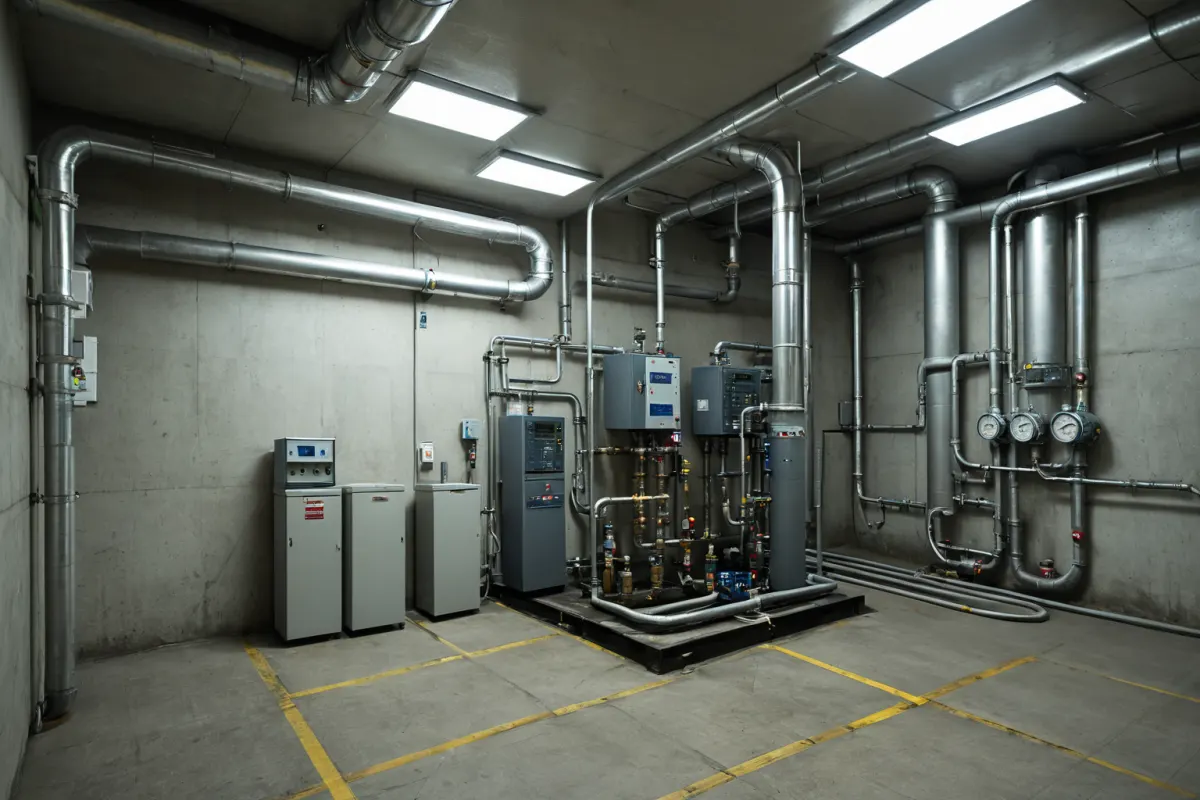
However, gas power generation equipment was installed inside the shopping mall, and damage to this equipment during the earthquake caused the LPG leak. The leaked gas ignited, leading to the explosion.
Death Toll and Government Statement
The Japanese government officially reported 13 fatalities, though initial reports stated 5 deaths. Subsequent investigations suggest an additional 23 deaths, bringing the total confirmed death toll to 28.
On July 28 and 29, the mall owner announced that four employees were missing, but this appears to be part of the overall casualties. Japanese authorities and local police conducted search and rescue operations while verifying the death toll.
Core Cause: Safety Management Failure
Investigation results identified the gas power generation equipment installed inside the mall as a primary source of disaster. The equipment lacked sufficient structural stability during earthquakes and had inadequate safety devices to prevent LPG leaks.
Experts stated that the explosion occurred due to ignition following an LPG leak, directly resulting from poor safety management. Installing gas power generation equipment inside the mall was considered a decision that failed to account for disaster risks.
Proliferation of Fake News and Social Impact
Shortly after the accident, false news about 'burial alive' or 'foreigner arson' spread online, causing social confusion. This appears to be due to insufficient accurate information dissemination during the investigation process.
The Japanese government and local authorities strengthened warnings against fake news and issued timely announcements for accurate information. However, some online communities continued to spread false information.
Direction for Safety Management Improvement
The Kumamoto Ion Mall accident once again highlights the importance of safety management during disaster response. Particularly, multi-use facilities like shopping malls must have equipment and inspection systems that minimize gas leak risks during earthquakes.
To prevent safety management failures, multi-use facilities should conduct regular safety inspections and implement systems to block gas leaks during earthquakes. Additionally, rapid evacuation procedures and information dissemination systems need improvement.
Accident Investigation and Potential for Additional Earthquakes
According to Japanese government investigation results, the Kumamoto area has a high likelihood of additional earthquakes, as aftershocks occurred multiple times after the July 28 earthquake.
The investigation committee recommended strengthening safety inspections at accident sites and improving disaster response systems for multi-use facilities. Specifically, facilities with gas power generation equipment should enhance structural stability during earthquakes.
Information to Verify
For accurate information about the Kumamoto Ion Mall explosion accident, refer to official announcements from Japanese authorities. Some reports stated that the death toll increased from 5 to 28, though the government only officially reported 13 deaths.
The cause of the accident has been confirmed as an LPG leak followed by ignition, with gas power generation equipment inside the mall identified as a primary disaster source. This is directly analyzed as a result of safety management failure.
Frequently Asked Questions
How many people died in the Kumamoto Ion Mall explosion accident?
The Japanese government officially reported 13 fatalities, though initial reports stated 5 deaths. Subsequent estimates suggest an additional 23 deaths, totaling 28 confirmed fatalities.
What was the cause of the accident?
The cause was a structural collapse due to earthquake-induced LPG leakage, which ignited and caused the explosion. The gas power generation equipment inside the mall was identified as a primary disaster source.
How did fake news spread?
Shortly after the accident, false information about 'burial alive' or 'foreigner arson' spread on online communities. This occurred due to insufficient accurate information dissemination.
Frequently Asked Questions
The Kumamoto Ion Mall explosion accident serves as a reminder of the importance of safety management during earthquakes. Installing gas power generation equipment inside malls was considered a decision that failed to account for disaster risks, and prevention requires regular safety inspections and improved earthquake response systems at multi-use facilities.
Based on investigation results, Japanese authorities are expected to strengthen disaster management systems to prevent similar accidents in the future.
You can view similar articles on this topic all at once.
View Related ArticlesFAQ
How many people died in the Kumamoto Ion Mall explosion accident?
The Japanese government officially reported 13 fatalities, though initial reports stated 5 deaths. Subsequent estimates suggest an additional 23 deaths, totaling 28 confirmed fatalities.
What was the cause of the accident?
The cause was a structural collapse due to earthquake-induced LPG leakage, which ignited and caused the explosion. The gas power generation equipment inside the mall was identified as a primary disaster source.
How did fake news spread?
Shortly after the accident, false information about 'burial alive' or 'foreigner arson' spread on online communities. This occurred due to insufficient accurate information dissemination.
Korean Source
This article is an English localization of a Korean-language report from BlogScore. Original: 구마모토 이온몰 폭발 사고, 안전 관리 실패가 원인