
Kumamoto 7.1 Magnitude Earthquake: Damage Status and Recovery Plans
Kumamoto 7.1 Magnitude Earthquake: Current Situation
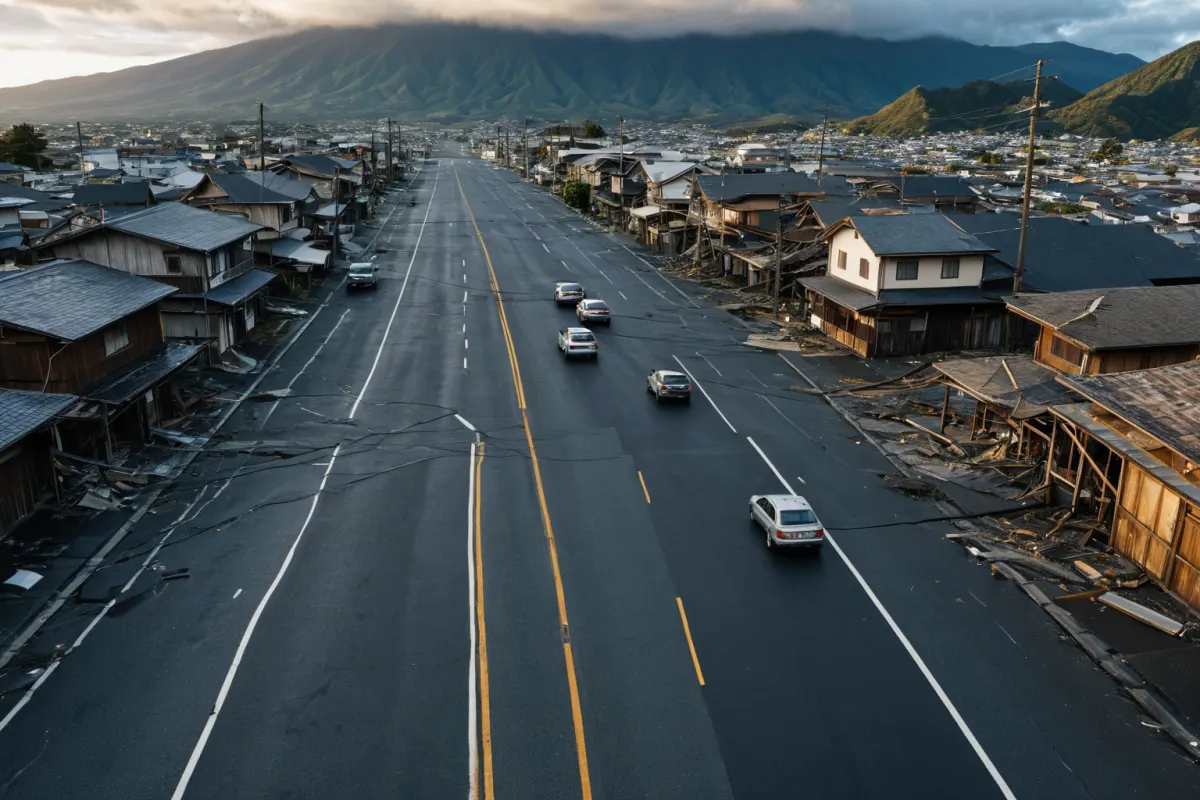
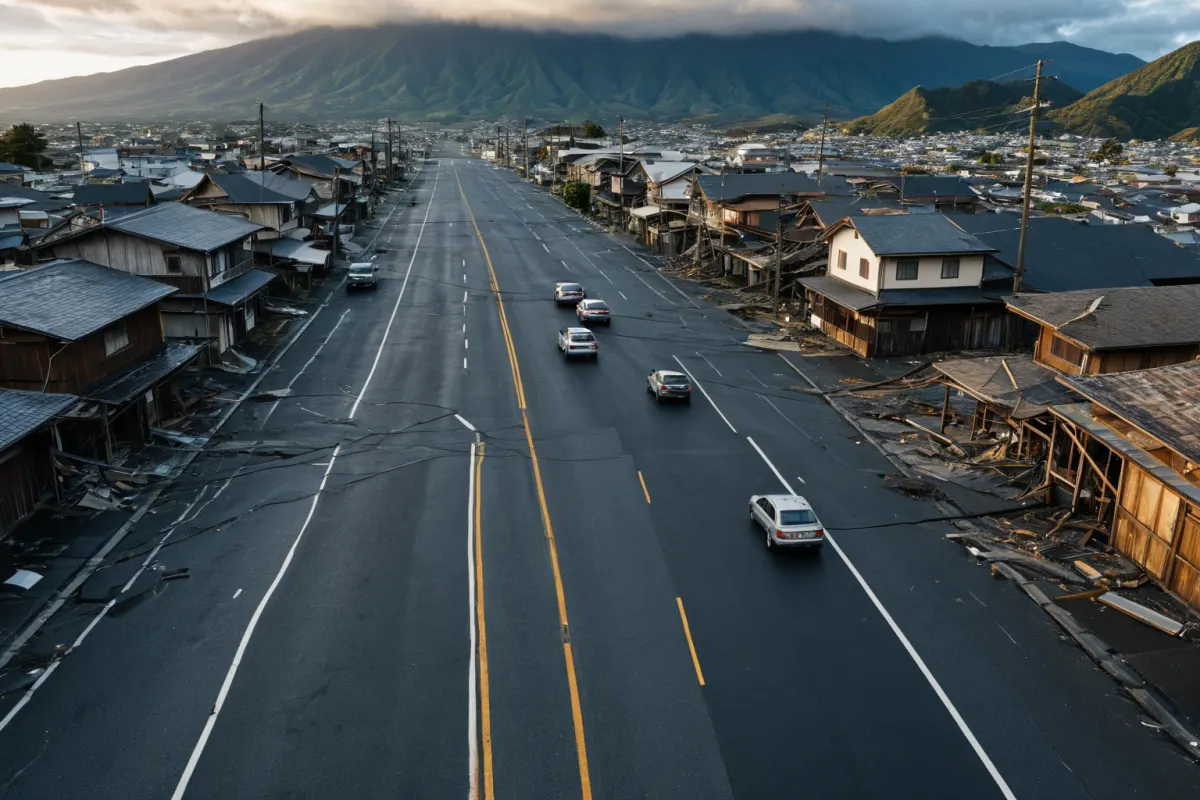
A magnitude 7.1 earthquake struck Kumamoto, Japan. The quake caused a shopping mall collapse resulting in at least 50 injuries and cardiac arrest cases, with TSMC and Toyota factories temporarily suspended. Japanese authorities issued a tsunami warning and focused on rescue operations.

Human and Infrastructure Damage Overview
Following the magnitude 7.1 earthquake in Kumamoto, a shopping mall collapse led to at least 50 injuries, with some patients suffering cardiac arrest and transported to hospitals. Japanese authorities issued a tsunami warning, and tremors were reported across Kumamoto and nearby areas, including Jeju Island and Busan.
Factories operated by TSMC (a major semiconductor manufacturer) and Toyota in the Kumamoto area have been suspended due to structural damage concerns and safety inspections required by Japanese authorities. This disruption impacts industrial operations in Kyushu and could affect global supply chains, particularly for electronics manufacturing where TSMC plays a critical role.
The suspension was determined based on structural damage assessment following the earthquake and necessary safety checks. Both TSMC and Toyota are working to resume operations as quickly as possible, with no further damage reports received so far.
Earthquake Details and Timing
The magnitude 7.1 earthquake occurred around 7:40 a.m. on July 28, 2026, in Kumamoto Prefecture, Kyushu region of Japan, as reported by KBS News. Japanese authorities issued a tsunami warning immediately after the quake, and Jeju Island activated a 24-hour monitoring system due to tremor detection.
Approximately one hour and 27 minutes later (9:07 a.m.), tremors were detected in Jeju Island, triggering a shift to a full disaster response protocol. In Busan, 157 tremor reports were received, with a total of 760 tremor detections reported nationwide.
The shopping mall collapse was reported about three hours after the earthquake (10:30 a.m.), trapping multiple people and requiring emergency medical transport for cardiac arrest cases. The mall is located in central Kumamoto City and reportedly had many visitors at the time of the quake.
Shinkansen train services were suspended approximately 1 hour and 41 minutes after the earthquake (10:27 a.m.), disrupting transportation networks across Kyushu, including major tourist and commuter routes. This suspension is expected to negatively impact economic activity in the region.
Korean Response and Actions
In South Korea, tremors were detected in Jeju Island and Busan. Jeju activated a 24-hour monitoring system due to tremor detection, while Busan received 157 tremor reports.
The city of Busan provided $100,000 in humanitarian aid for earthquake relief efforts in Ishikawa Prefecture's Noto Peninsula following the Japan earthquake. This support was a voluntary decision by Busan City and not officially requested by Japanese authorities.
South Korean authorities maintained a 24-hour monitoring system after the quake to assess tremors and conduct safety inspections. Emergency services processed reports of tremor-related incidents, demonstrating effective coordination between government agencies and private organizations during earthquakes.
While South Korea's official earthquake alert systems did not activate, residents proactively checked their surroundings upon hearing about tremors. This suggests recent government efforts to educate the public on earthquake preparedness have had some positive impact.
Recovery Plans and Future Response Strategies
The Japanese government prioritized rescue operations in its recovery efforts following the quake, with tsunami warnings prompting evacuations of local residents to safe locations.
In industrial sectors, TSMC and Toyota are developing recovery plans to minimize impact on global supply chains. Given TSMC's role as a key semiconductor producer worldwide, rapid resumption of operations at this facility is critical for the electronics industry.
The Japanese government began on-site investigations within 24 hours of the quake, conducting rescue operations and damage assessments simultaneously. The decision to lift tsunami warnings will be based on comprehensive evaluation of tremor reduction and water level changes.
South Korean authorities plan to maintain their 24-hour monitoring system for future earthquake response, while enhancing safety inspections and developing protocols for similar incidents. They also intend to strengthen international cooperation with Japan to support recovery efforts. This aligns with South Korea's broader approach to strengthening bilateral ties following the 2011 Great East Japan Earthquake.
Information to Verify
The exact scale of damage from the Kumamoto earthquake is still under investigation, with additional reports of injuries and infrastructure losses emerging. Japanese authorities are also verifying whether to lift tsunami warnings.
Around areas where tremors were detected domestically, further safety inspections will be conducted. Jeju and Busan continue maintaining their 24-hour monitoring systems following the quake as part of an ongoing response coordinated with official reports from Japanese authorities.
Rescue operations at the collapsed shopping mall in Kumamoto are ongoing, with possibility of additional trapped individuals still being assessed. Japanese authorities are conducting further on-site investigations to confirm details.
Frequently Asked Questions
What is the damage scale from the Kumamoto 7.1 earthquake?
At least 50 injuries were reported, including cardiac arrest cases transported to hospitals due to a shopping mall collapse.
How did TSMC and Toyota factories suspend operations?
TSMC and Toyota suspended operations following the earthquake due to structural damage concerns and required safety inspections.
What support did Busan City provide for Japan's earthquake relief efforts?
Busan City provided $100,000 in humanitarian aid for earthquake victims in Ishikawa Prefecture's Noto Peninsula.
You can view related articles on this topic all at once.
View Related ArticlesFAQ
What is the damage scale from the Kumamoto 7.1 earthquake?
At least 50 injuries were reported, including cardiac arrest cases transported to hospitals due to a shopping mall collapse.
How did TSMC and Toyota factories suspend operations?
TSMC and Toyota suspended operations following the earthquake due to structural damage concerns and required safety inspections.
What support did Busan City provide for Japan's earthquake relief efforts?
Busan City provided $100,000 in humanitarian aid for earthquake victims in Ishikawa Prefecture's Noto Peninsula.
Korean Source
This article is an English localization of a Korean-language report from BlogScore. Original: 구마모토 7.1 강진 피해 현황과 복구 계획