
Kumamoto 7.1 Earthquake: Damage and Response in Japan and South Korea
Location and Scale of the Kumamoto 7.1 Earthquake
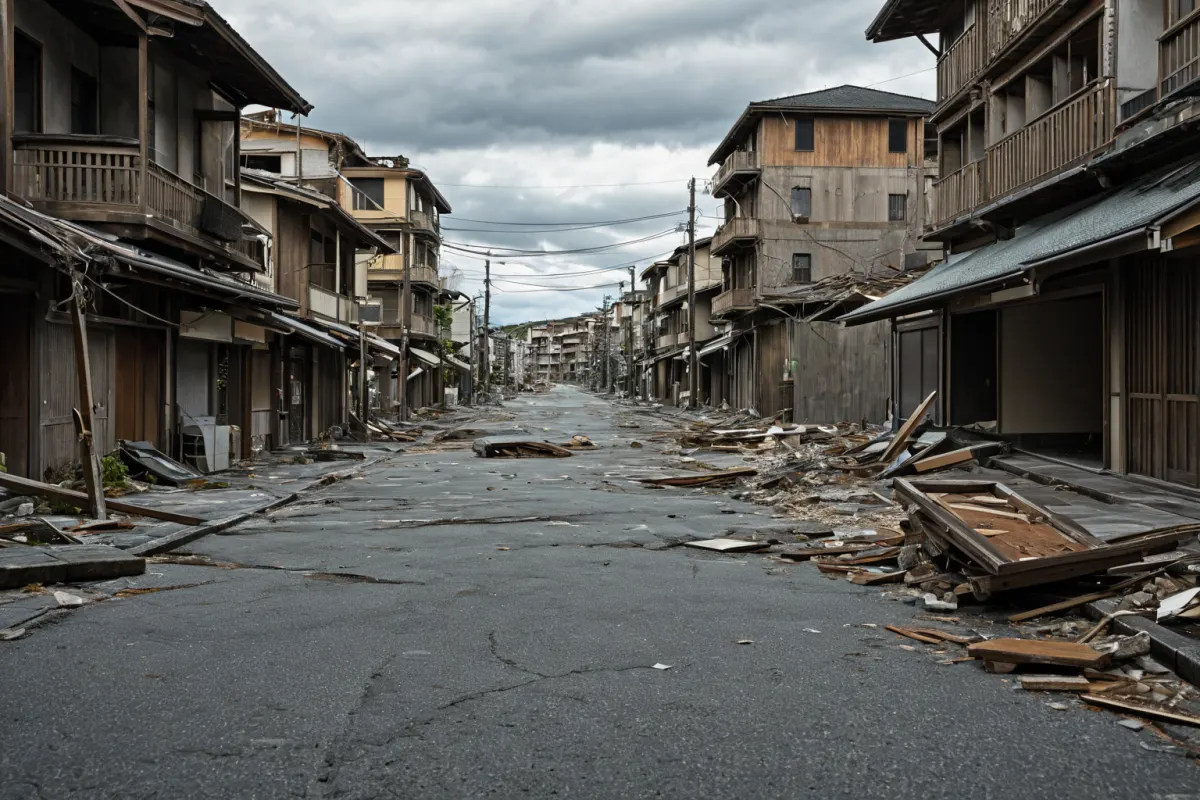
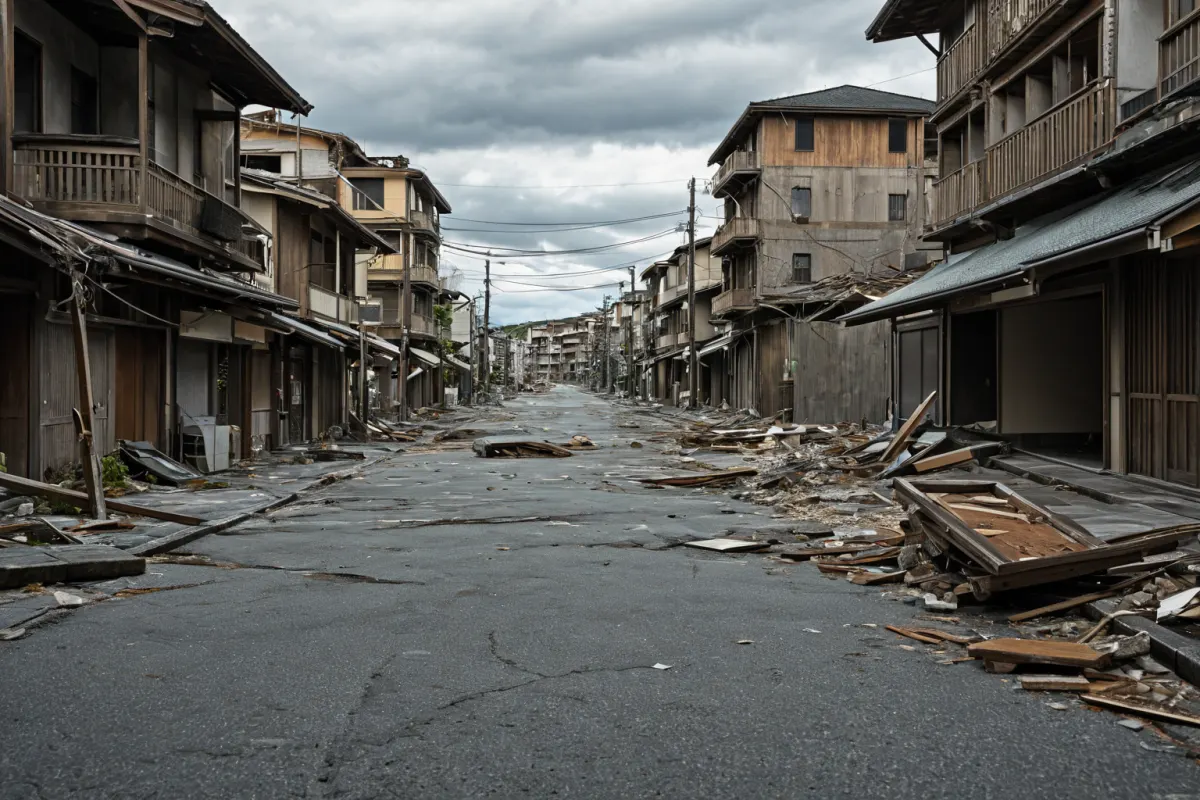
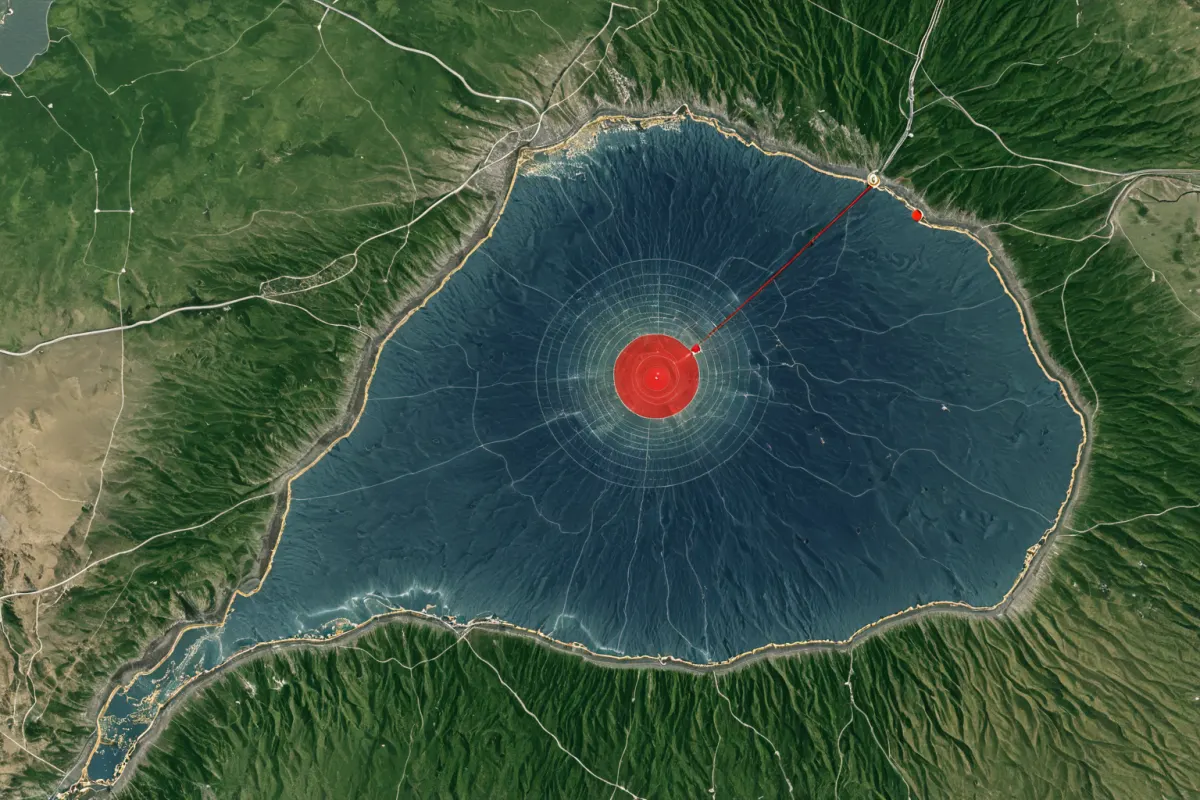
A magnitude 7.1 earthquake struck off the coast of Kumamoto City, Kumamoto Prefecture, Japan, at 7:37 a.m. on July 28, 2026. The quake registered a maximum intensity of 7, prompting an immediate tsunami warning from Japanese authorities. Initial reports indicate damage including the collapse of Kumamoto Castle walls and a major shopping mall, with injuries and infrastructure damage reported. Japan Meteorological Agency confirmed that the strongest shaking was felt in Kumamoto City’s central area, surpassing the intensity of 6.5 recorded during the 2016 Kumamoto earthquake.
Earthquake Tremors Detected Across South Korea
Tremors were reported across southern regions of the Korean Peninsula, including Busan, Gwangju, and Jeju Island. In Busan, shaking was felt around 8:33 a.m., while Jeju activated its emergency management system for 24 hours after detecting tremors. Minor tremors were also felt in southern Gyeonggi Province, though no significant damage was reported. In Busan, some building glass windows shattered and construction sites temporarily halted due to the shaking. Jeju began safety inspections of tourist attractions and residential areas immediately after detection, activating its disaster prevention systems across the island. Southern Gyeonggi saw only slight tremors (intensity 1-2) with no specific damage reported.
Impact on Transportation and Industry
JR Shinkansen services and flights were suspended immediately, while TSMC’s semiconductor factory switched to emergency protocols. The Shinkansen stopped at 8:41 a.m., causing major disruptions to Japan’s transportation network. TSMC focused on employee safety checks and assessing local conditions at the facility. Major roads and highways in Kumamoto were temporarily closed, leading to large-scale movement restrictions that affected economic activity in surrounding areas. TSMC completed safety inspections of its semiconductor production processes and announced a return to normal operations within 24 hours. The Japanese government established a transportation recovery plan within 30 minutes of the quake, with Shinkansen services resuming on some routes by 1:30 p.m.
Damage Reports and Response Efforts
Kumamoto Castle walls collapsed, and fires and trapped individuals were reported at a shopping mall. A possible fatality was raised around 12:07 p.m. due to the mall collapse, with ongoing reports of facility and human damage. Kumamoto Castle, a historical site and major tourist attraction, suffered structural damage that also affected surrounding buildings. Rescue teams were immediately deployed to the scene. At least 15 people were injured in the shopping mall collapse but no fatalities were confirmed. The Japanese government initiated emergency rescue operations in the affected areas and provided safe evacuation centers for residents.
Domestic Reports in South Korea
A total of 760 reports were received in South Korea, with 760 cases logged by 9:08 a.m. Most involved inquiries about tremors and safety checks. The government shared real-time tremor data to alleviate public anxiety. Busan accounted for 320 reports, mostly related to building vibrations and safety inspections. Gwangju and Jeju reported 180 and 150 cases respectively. Within one hour of the quake, the government launched a dedicated channel to provide immediate safety information to citizens.
Tsunami Warning and Subsequent Verification
A tsunami warning was issued but lifted without further damage. The warning was activated at 8:17 a.m. and lifted after two hours at 10:17 a.m. Japanese authorities confirmed no additional damage related to the earthquake. The Meteorological Agency began real-time monitoring of coastal areas within 30 minutes of the warning, alerting marine observation stations and beach residents immediately. The warning was lifted once sea levels returned to normal ranges.
Regional Response Systems
Jeju Island initiated a 24-hour emergency management system after detecting tremors, while southern Gyeonggi Province conducted rapid safety checks due to minor shaking (intensity 1-2). In Kumamoto, rescue teams were deployed for large-scale structural damage from the mall collapse and castle wall failure. Jeju began safety inspections of tourist sites and residential areas within 10 minutes of tremor detection, while southern Gyeonggi confirmed no building damage due to the shaking. Kumamoto City dispatched on-site investigation teams to assess damages, with reports expected within 24 hours.
Public Anxiety and Comparison to the 2016 Earthquake
Residents of Kumamoto recalled the 2016 earthquake, which caused significant damage, heightening their anxiety. While this quake did not exceed the intensity of the 2016 event, many residents remained unsettled due to past experiences. The castle had also been damaged in 2016, intensifying community reactions. Japanese authorities provided regular updates through social media and broadcasts to help calm public concerns, especially given the historical significance of Kumamoto Castle.
Response and Safety Information
Kumamoto City began rescue operations in affected areas and is conducting on-site investigations to accurately assess human and infrastructure damage. TSMC resumed normal production after completing safety checks, with operations restarting within an hour. The Japanese government provided a comprehensive report on the situation and response measures within 24 hours of the quake. Kumamoto City’s investigation teams are expected to complete their assessments within 24 hours, while TSMC managed to restart production just one hour after safety inspections.
Key Information to Verify
The magnitude 7.1 earthquake struck Kumamoto Prefecture, Japan, with a maximum intensity of 7. Damage included the collapse of Kumamoto Castle walls and a shopping mall, resulting in facility and human injuries. Tremors were felt across southern South Korea but no further damage was reported. The tsunami warning was issued but lifted without additional impact. TSMC and other companies activated emergency protocols to ensure safety, with 760 reports received in South Korea.
Frequently Asked Questions
How did the Kumamoto 7.1 earthquake affect South Korea?
Tremors were felt across southern regions including Busan, Gwangju, and Jeju Island. The government collected reports related to tremors and provided safety information to ease public concerns.
How did TSMC respond to the earthquake?
TSMC switched to an emergency protocol at its semiconductor factory, focusing on employee safety checks and assessing local conditions.
What was the scale of damage from the Kumamoto 7.1 earthquake?
Damages included collapsed castle walls and a shopping mall collapse resulting in injuries but no confirmed fatalities.
You can view similar articles on this topic all at once.
View Related ArticlesFAQ
How did the Kumamoto 7.1 earthquake affect South Korea?
Tremors were felt across southern regions including Busan, Gwangju, and Jeju Island. The government collected reports related to tremors and provided safety information to ease public concerns.
How did TSMC respond to the earthquake?
TSMC switched to an emergency protocol at its semiconductor factory, focusing on employee safety checks and assessing local conditions.
What was the scale of damage from the Kumamoto 7.1 earthquake?
Damages included collapsed castle walls and a shopping mall collapse resulting in injuries but no confirmed fatalities.
Korean Source
This article is an English localization of a Korean-language report from BlogScore. Original: 구마모토 7.1 지진 피해 지역과 지원 현황