
Kumamoto 7.1 Earthquake: Current Status and Response Measures
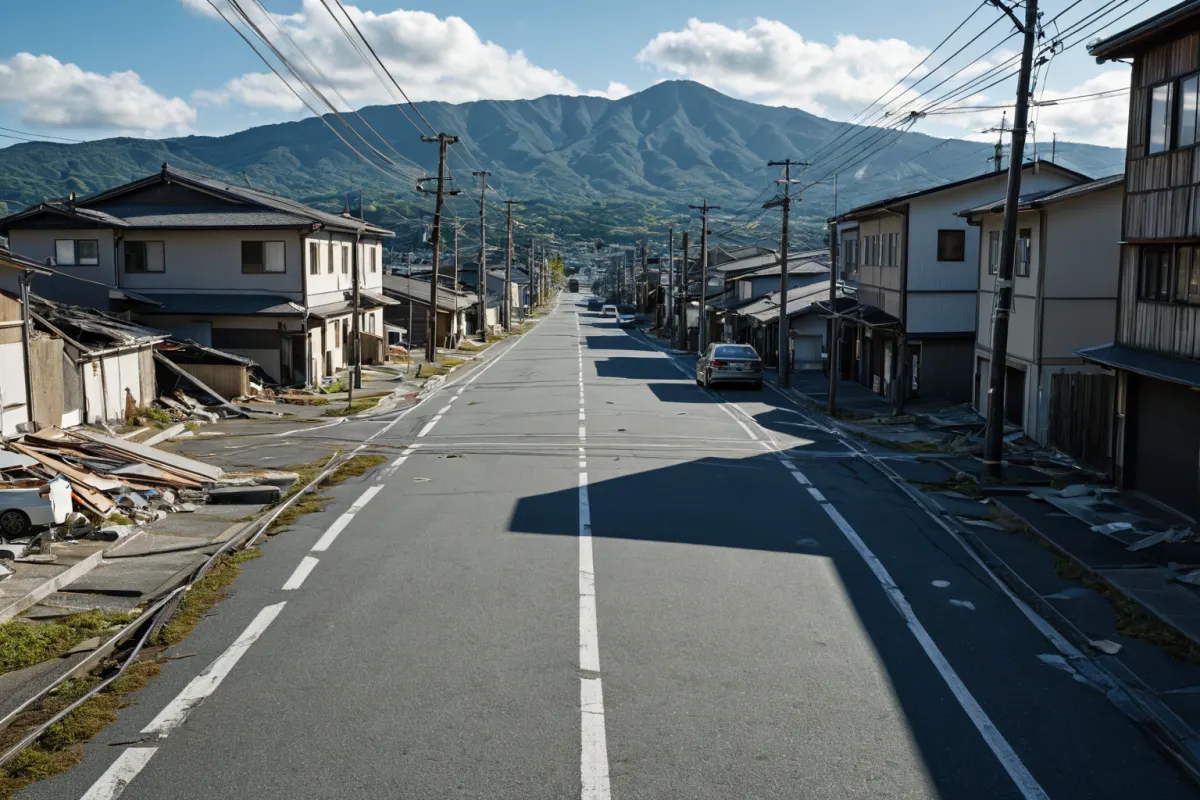
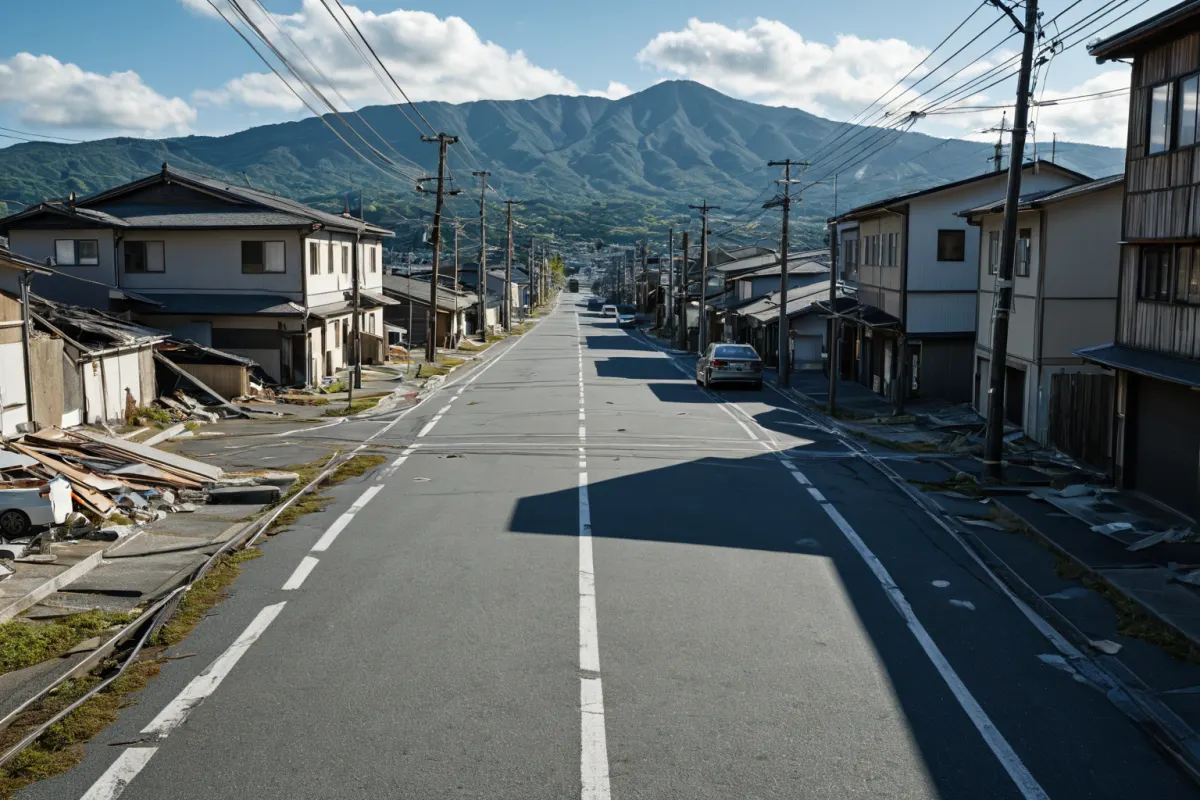
Kumamoto 7.1 Earthquake Current Status
A magnitude 7.1 earthquake struck Kumamoto Prefecture in Japan's Kyushu region. The Japanese Meteorological Agency issued a tsunami warning, and tremors were felt across several regions in South Korea including Busan, Gyeongnam, Jeonnam, and Jeju.
The agency confirmed that the risk of tsunami-induced waves in South Korea is very low. Authorities received 760-789 reports nationwide but confirmed no damage, attributed to Japan's geographical distance and oceanic structure relative to South Korea.
The earthquake occurred on July 28, 2026, at 7:37 a.m. UTC (Japan time) about 23 km south of Kumamoto City in Kumamoto Prefecture, with a maximum intensity of 7. While earthquakes of this magnitude are relatively common in Kyushu, major quakes exceeding magnitude 7 have been rare in the region over the past decade.
The Japanese Meteorological Agency issued a tsunami warning shortly after the quake but lifted it within three hours based on ocean observations. This demonstrates the effectiveness of Japan's rapid tsunami monitoring system.
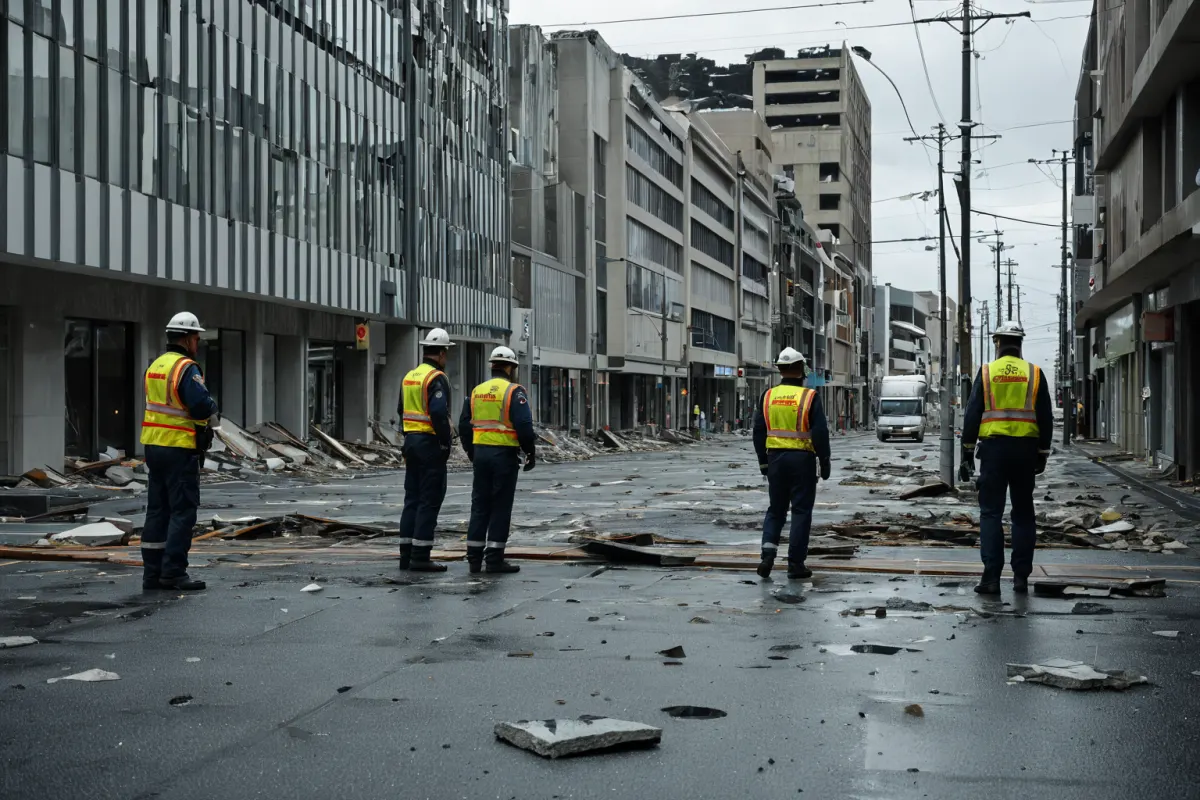
Kumamoto Local Situation and Response
In Kumamoto, a shopping mall collapse reportedly left dozens missing or injured. The exact scale of damage remains unclear, but local reports indicate the mall was located in central Kumamoto City, a high-traffic area.
TSMC's facility in Japan is one of the country's largest semiconductor production sites. Employees promptly evacuated outdoors and implemented rapid response measures. Given TSMC's critical role in global supply chains, any disruption to its operations could impact worldwide semiconductor markets.
Transportation and power systems experienced temporary disruptions but have largely returned to normal. Power was restored across Kumamoto within six hours of the quake, and major roads reopened as traffic gradually recovered.
Jeju Island activated a 24-hour emergency management system to ensure public safety. Due to its proximity to Japan, Jeju felt stronger tremors than other regions. Emergency shelters opened immediately after the quake, with medical aid provided to residents.
National Tremor Detection and Reporting Status
Tremors were confirmed in Busan, Gyeongnam, Jeonnam, and Jeju. Busan saw a spike of 157 reports, while nationwide reports totaled 760-789.
The Ministry of Public Safety and Security held an emergency meeting to discuss response strategies, focusing on public safety measures and damage assessment procedures following the tremors.
Over 70% of national reports came from Busan and Jeju, reflecting stronger tremor detection in coastal areas near Japan. The Meteorological Agency used these observations to assess domestic tsunami risks.
The government did not provide further information on tsunami risks, leading some media outlets to speculate about possible casualties due to a shopping mall collapse. However, the exact scale of damage has yet to be confirmed, indicating potential confusion between local reports and official data.
Epicenter and Cause Investigation
The earthquake occurred on July 28, 2026, at 7:37 a.m. UTC (Japan time) about 23 km south of Kumamoto City in Kumamoto Prefecture. It was measured at magnitude 7.1 with a maximum intensity of 7.
The Japanese Meteorological Agency attributed the quake to tectonic plate movement, noting Kumamoto's location near the boundary between the Pacific Plate and Eurasian Plate, which increases seismic risk.
The agency issued a tsunami warning but lifted it within three hours based on oceanic observations. This reflects the effectiveness of Japan's rapid tsunami monitoring system.
Local authorities' swift response suggests effective disaster management training in Kumamoto, highlighting Japan's well-prepared emergency systems.
Response and Safety Information
The government has not provided additional information on domestic tsunami risks, leading to speculation about casualties from a shopping mall collapse. However, the exact damage scale remains unconfirmed.
Jeju Island activated its 24-hour emergency management system immediately following the quake, opening shelters and providing medical assistance.
National reports spiked after tremors were felt, with Busan reporting 157 cases alone. This indicates stronger perceived shaking in coastal cities closer to Japan.
Authorities regularly update information on tsunami risks, allowing citizens to stay safe. Disaster response training also ensures rapid reaction during emergencies.
Information to Verify
The government and Meteorological Agency have stated that domestic tsunami risk is low, but the scale of damage from the Kumamoto shopping mall collapse continues to be assessed. TSMC staff evacuation details are still pending further information.
National reports totaled 760-789 cases, though this likely reflects only tremor-related reports in affected areas. The exact damage scale remains unconfirmed.
Citizens have prepared through disaster response training to react quickly during emergencies. Reporting tremors to authorities is also important for timely updates.
Frequently Asked Questions
Is there a risk of tsunami in South Korea?
The Meteorological Agency has confirmed that the risk of tsunami-induced waves in South Korea is very low. While tremors were felt across several regions, no tsunami occurred due to the earthquake's origin in Kumamoto.
What is the scale of damage from the Kumamoto shopping mall collapse?
Reports indicate dozens missing or injured due to a shopping mall collapse. The exact damage scale remains under investigation.
What response measures were taken at TSMC's facility?
TSMC employees evacuated outdoors promptly, implementing rapid response protocols. Further details are pending confirmation.
You can find more articles on similar topics in one place.
View Related ArticlesFAQ
Is there a risk of tsunami in South Korea?
The Meteorological Agency has confirmed that the risk of tsunami-induced waves in South Korea is very low. While tremors were felt across several regions, no tsunami occurred due to the earthquake's origin in Kumamoto.
What is the scale of damage from the Kumamoto shopping mall collapse?
Reports indicate dozens missing or injured due to a shopping mall collapse. The exact damage scale remains under investigation.
What response measures were taken at TSMC's facility?
TSMC employees evacuated outdoors promptly, implementing rapid response protocols. Further details are pending confirmation.
Korean Source
This article is an English localization of a Korean-language report from BlogScore. Original: 구마모토 7.1 지진 발생 현황과 대응 방법