
KOSPI Recovers 7,000 Points: What's Next for Stock Market Outlook?
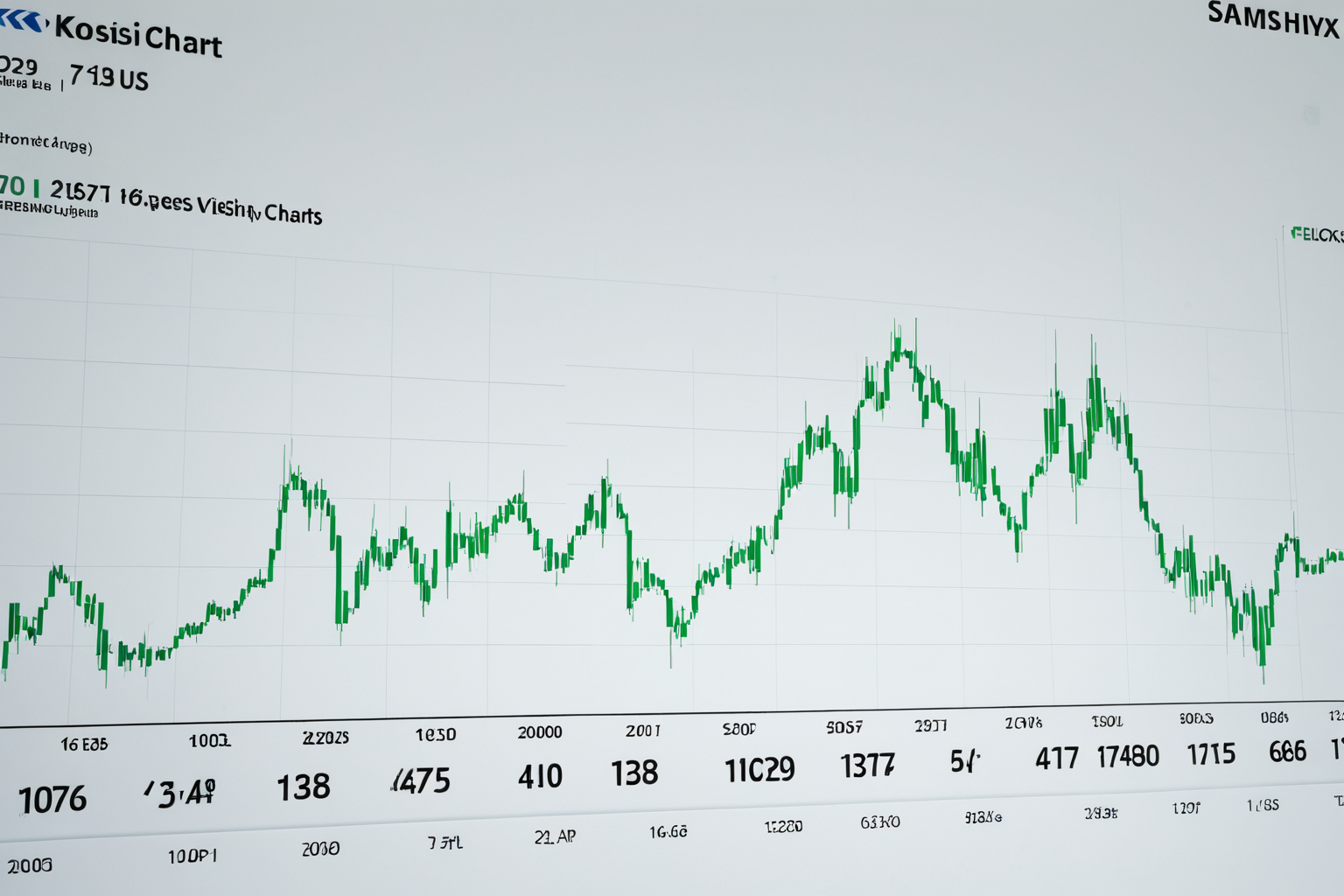
Main Reasons Behind KOSPI's 7,000-Point Recovery
The KOSPI index temporarily rebounded above the 7,000-point level, led by strength in the semiconductor sector and gains in Samsung Electronics and SK Hynix. The recovery was fueled by U.S. semiconductor stock momentum and record domestic semiconductor exports, with foreign and institutional buying driving the market rebound.
Leading Role of the Semiconductor Sector
The strength of Samsung Electronics and SK Hynix has been central to the KOSPI's rise. On September 21, Samsung Electronics rose 3-5% during the session, leading the index recovery, which followed U.S. semiconductor stock momentum and increased domestic semiconductor exports. Notably, attention on Samsung and SK Hynix began to increase from September 18.
The semiconductor sector's upward trend continues due to U.S. government support policies for the semiconductor industry and growing global demand. According to a September 21 news report by Yonhap News Agency, U.S. semiconductor momentum has contributed to the KOSPI's upward outlook, with market attention now focused on digesting selling pressure after breaking through the 7,000-point mark.
Stock Market Outlook and Key Factors
After stabilizing above the 7,000-point level, some analysts suggest the KOSPI could rise to 7,500. Securities firms cite foreign investor inflows and positive U.S. semiconductor policy developments as key factors. However, on September 22, trading volume fell to a yearly low after the KOSPI rebounded above 7,000, raising concerns about weakening investor sentiment.
Other negative factors remain, including high oil prices and rising interest rates. According to an Energy Economy News report from September 11, the combination of AI-related momentum and high oil prices/high interest rates could determine whether the KOSPI stabilizes above 7,000 points.
The KOSPI is currently attempting to stabilize above the 7,000-point level, with some analysts predicting a rise toward 7,500 after briefly breaking through the mark on September 21. The recovery in Samsung and SK Hynix has been closely watched, with foreign and institutional buying driving the market rebound.
Historical Context of KOSPI's 7,000-Point Recovery
Reaching above the 7,000-point level has been a challenging target for the KOSPI in recent times. In May 2026, the index was near 7,000 points but struggled to rebound due to low trading volume. Following this, attention on Samsung and SK Hynix began to increase from September 18, leading to a temporary breakthrough above 7,000 points on September 21.
U.S. Semiconductor Policies and Domestic Export Growth
The U.S. semiconductor stock momentum has been a key driver behind the KOSPI's rise. Despite U.S. interest rates at 5% as of September 20, semiconductor sector momentum continued to grow following announcements by the U.S. government regarding support for the semiconductor industry.
Domestic semiconductor exports have reached record levels. A report from September 8 noted that the KOSPI's breakthrough above 7,000 points was accompanied by gains in SoftBank and SK Hynix, driven by increased domestic semiconductor exports.
Investor Sentiment and Trading Volume
After the KOSPI rebounded above 7,000 points, trading volume fell to a yearly low. This indicates weakening investor sentiment. According to a September 22 Yonhap News Agency report, the decline in trading volume after the index's recovery has raised concerns about deteriorating market confidence.
Impact of High Oil Prices and Interest Rates
High oil prices and rising interest rates could affect KOSPI movements. Energy Economy News reported on September 11 that the interplay between AI-related momentum and high oil prices/high interest rates will determine whether the KOSPI stabilizes above 7,000 points. These factors represent negative influences stemming from rising global oil prices and monetary policy tightening.
Expert Outlook
Some experts have suggested that after stabilizing above 7,000 points, the KOSPI could rise to 7,500. A September 18 report by ColNews24 predicted a potential rise toward 7,500 following stabilization at 7,000. However, on September 21, Samsung Electronics' 3-5% gain was viewed as a short-term rebound rather than a sustained trend.
Potential for KOSPI to Reach 8,000 Points
Some reports have suggested the KOSPI could rise as high as 8,600. However, this is an unverified report; according to source 19, it states 'the KOSPI might reach up to 8,600.' Therefore, this remains under investigation with limited supporting evidence.
Investment Strategies
Investors may consider focusing on the semiconductor sector as an opportunity following the KOSPI's recovery above 7,000 points. However, given that trading volume has hit a yearly low and investor sentiment is weakening, attention should be paid to short-term volatility. Negative factors such as high oil prices and rising interest rates are also likely to persist.
Key Information to Verify
The KOSPI's rebound above 7,000 points was driven by U.S. semiconductor stock momentum and increased domestic semiconductor exports, led by strong performances from Samsung Electronics and SK Hynix, with foreign and institutional buying driving the market recovery. However, trading volume has fallen to a yearly low, raising concerns about weakening investor sentiment.
Frequently Asked Questions
What is the outlook for KOSPI after recovering above 7,000 points?
After stabilizing above 7,000 points, some analysts suggest a potential rise to 7,500. However, trading volume has fallen to a yearly low, raising concerns about weakening investor sentiment.
Will the semiconductor sector's strength continue?
The semiconductor sector is expected to maintain its upward trend in the short term due to U.S. government support and increased global demand for semiconductors. However, negative factors like high oil prices and rising interest rates could act as variables.
How do high oil prices and interest rates affect KOSPI?
High oil prices and rising interest rates can influence KOSPI movements, with Energy Economy News analyzing them as conflicting factors against AI-related momentum.
Frequently Asked Questions
The KOSPI index briefly rebounded above the 7,000-point level, driven by semiconductor sector strength and gains in Samsung Electronics and SK Hynix. U.S. semiconductor stock momentum and record domestic semiconductor exports contributed to the rise, with foreign and institutional buying leading the market recovery. However, trading volume fell to a yearly low after the rebound, raising concerns about weakening investor sentiment. Negative factors such as high oil prices and rising interest rates remain key variables.
You can find more articles on similar topics in one place.
View Related ArticlesFAQ
What is the outlook for KOSPI after recovering above 7,000 points?
After stabilizing above 7,000 points, some analysts suggest a potential rise to 7,500. However, trading volume has fallen to a yearly low, raising concerns about weakening investor sentiment.
Will the semiconductor sector's strength continue?
The semiconductor sector is expected to maintain its upward trend in the short term due to U.S. government support and increased global demand for semiconductors. However, negative factors like high oil prices and rising interest rates could act as variables.
How do high oil prices and interest rates affect KOSPI?
High oil prices and rising interest rates can influence KOSPI movements, with Energy Economy News analyzing them as conflicting factors against AI-related momentum.
Korean Source
This article is an English localization of a Korean-language report from BlogScore. Original: 코스피 7천 포인트 회복, 주가 전망은 어떤가요?