
KOSPI Reaches 6800 Level: Market Outlook and Investment Strategies
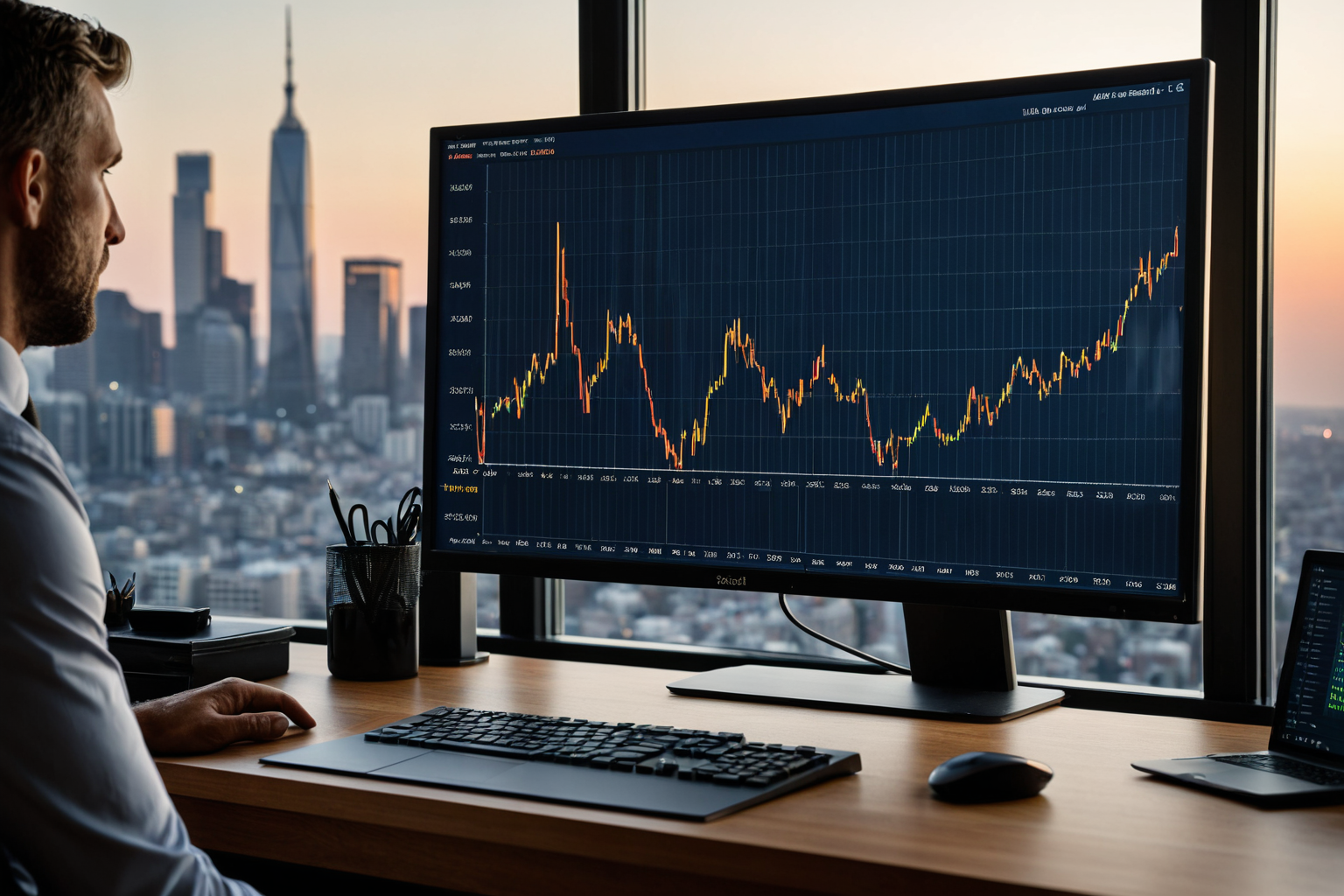
Main Reasons for KOSPI's Recovery Above 6800
The KOSPI index rebounded above the 6800 level due to strength in the semiconductor sector and shareholder return policies from Samsung Electronics and SK Hynix. This confirmed Goldman Sachs' suggested support level, while foreign investor net buying and a recovery in AI investment sentiment further positively impacted the market.
Goldman Sachs Support Level Confirmed
Following Goldman Sachs' July 15, 2026, suggestion of 6800 as a support level, the KOSPI held firm at this level despite a sharp drop on July 16. This confirmed that 6800 was acting as an actual market support level.
The event where Goldman Sachs identified 6800 as a support level and the KOSPI held at that level became a catalyst for market stabilization lasting until August 13. Foreign investor net buying intensified from late July, contributing to the recovery above 6800.
Strength in Semiconductor Sector and Shareholder Return Policies
The semiconductor sector's strength helped the KOSPI recover both the 6800 level and a market capitalization of 600 trillion won on August 13. Samsung Electronics and SK Hynix announced record-breaking shareholder return policies, boosting market confidence.
SK Hynix's announcement of burning 40 trillion won in treasury stock on August 20 led to an 11% share price increase, directly contributing to the KOSPI rebound above 6800. Samsung and SK Hynix's shareholder return policies ("spending 100 trillion, burning 40 trillion") acted as significant positive catalysts for the market.
The U.S. July CPI coming in line with expectations also contributed to a recovery in AI investment sentiment. Positive performance from cloud companies and sustained "breeze" ahead of Nvidia's earnings report further drove KOSPI gains.
Foreign Investor Buying and Market Recovery
On August 26, news of Samsung Electronics and Naver's treasury stock purchases continued foreign investor net buying, helping the KOSPI maintain above 6800. Foreign investors recorded four consecutive days of net buying (59,000 shares), contributing to the recovery.
Goldman Sachs analyzed that leveraged ETF selling had amplified the sharp drop. This allowed the market to stabilize at 6800 and sustain positive momentum.
Experts warn against being misled by rebounds after sharp declines, noting that recoveries within five days of a crash happen only once in seven cases. The continuation of foreign investor buying will be crucial for future market recovery, with attempts to re-enter the 7000 level expected. Employment data, exports, and Broadcom's earnings are also closely watched.
Timeline of KOSPI Recovery Above 6800
The process of the KOSPI index rebounding above 6800 unfolded as follows: After Goldman Sachs identified 6800 as a support level on July 15, the KOSPI held firm at this level despite a sharp drop on July 16.
On August 13, semiconductor sector strength helped the KOSPI recover both the 6800 level and a market capitalization of 600 trillion won. This followed Samsung and SK Hynix's shareholder return policies and improved semiconductor industry conditions.
SK Hynix's announcement of burning 40 trillion won in treasury stock on August 20 led to an 11% share price increase, directly contributing to the KOSPI rebound above 6800. Samsung and SK Hynix's shareholder return policies were significant positive catalysts for the market.
On August 26, news of Samsung Electronics and Naver's treasury stock purchases continued foreign investor net buying, helping maintain the KOSPI above 6800. The U.S. July CPI coming in line with expectations and strong performance from cloud companies further positively impacted the market.
Analysis of Key Factors Behind KOSPI Recovery
The main reasons for the KOSPI rebounding above 6800 were strength in the semiconductor sector and shareholder return policies. Samsung and SK Hynix's record-breaking shareholder return policies ("spending 100 trillion, burning 40 trillion") boosted market confidence.
SK Hynix's announcement of burning 40 trillion won in treasury stock on August 20 led to an 11% share price increase, directly contributing to the KOSPI rebound above 6800. The U.S. July CPI coming in line with expectations helped restore AI investment sentiment, creating a positive "breeze" for the market.
Following Goldman Sachs' identification of 6800 as a support level, the KOSPI held firm at this level. Foreign investor net buying and treasury stock purchases by Samsung and Naver directly impacted market recovery.
Future Outlook and Investment Strategies
After rebounding above 6800, attempts to re-enter the 7000 level are expected. Employment data, exports, and Broadcom's earnings are being closely watched, while sustained recovery in AI investment sentiment could lead to further gains.
Experts caution against being misled by rebounds after sharp declines, noting that recoveries within five days of a crash happen only once in seven cases. The continuation of foreign investor buying will be crucial for future market direction and should inform investment strategies.
The KOSPI's 6800 level is considered a first-line support, and the market stabilizing at this level after leveraged ETF selling had amplified earlier declines is a positive signal. If foreign investor buying continues alongside sustained recovery in AI-related stock sentiment, the KOSPI could surpass the 7000 level.
Key Information to Monitor
To monitor the KOSPI's recovery above 6800, pay attention to: First, foreign investor net buying activity. Second, implementation of Samsung and SK Hynix's shareholder return policies. Third, U.S. July CPI results and cloud company performance. Fourth, whether Goldman Sachs' suggested support level of 6800 remains intact.
Frequently Asked Questions
What caused the KOSPI to rebound above 6800?
The rebound resulted from multiple factors including semiconductor sector strength, shareholder return policies from Samsung and SK Hynix, confirmation of Goldman Sachs' support level, foreign investor net buying, and a recovery in AI investment sentiment following the U.S. July CPI coming in line with expectations.
Will the 6800 level continue to act as a support?
Goldman Sachs identified 6800 as a first-line support, and the KOSPI held firm at this level. However, continued foreign investor buying and additional positive signals will be necessary for it to remain effective.
What investment strategies are recommended moving forward?
Experts recommend caution against rebounds after sharp declines, monitoring the continuation of foreign investor buying, and tracking recovery in AI-related stock sentiment before developing investment strategies. Employment data, exports, and Broadcom's earnings related to re-entering the 7000 level should also be watched.
Frequently Asked Questions
The KOSPI rebounded above 6800 due to semiconductor sector strength, shareholder return policies from Samsung and SK Hynix, Goldman Sachs' support level identification, foreign investor net buying, and a recovery in AI investment sentiment following the U.S. July CPI coming in line with expectations. SK Hynix's announcement of burning 40 trillion won in treasury stock and Samsung/ SK Hynix's shareholder return policies were particularly significant positive catalysts.
To surpass the 7000 level, continued foreign investor buying and sustained recovery in AI-related investment sentiment will be crucial. Experts caution against being misled by rebounds after sharp declines.
The KOSPI's 6800 level is acting as a first-line support, and market stabilization at this level after leveraged ETF selling had amplified earlier declines represents a positive signal. If foreign investor buying continues alongside sustained recovery in AI-related stock sentiment, the KOSPI could surpass the 7000 level.
When developing investment strategies to prepare for market volatility, it's important to monitor foreign investor buying activity and implementation of key companies' shareholder return policies.
You can view similar articles on this topic all at once.
View Related ArticlesFAQ
What caused the KOSPI to rebound above 6800?
The rebound resulted from multiple factors including semiconductor sector strength, shareholder return policies from Samsung and SK Hynix, confirmation of Goldman Sachs' support level, foreign investor net buying, and a recovery in AI investment sentiment following the U.S. July CPI coming in line with expectations.
Will the 6800 level continue to act as a support?
Goldman Sachs identified 6800 as a first-line support, and the KOSPI held firm at this level. However, continued foreign investor buying and additional positive signals will be necessary for it to remain effective.
What investment strategies are recommended moving forward?
Experts recommend caution against rebounds after sharp declines, monitoring the continuation of foreign investor buying, and tracking recovery in AI-related stock sentiment before developing investment strategies. Employment data, exports, and Broadcom's earnings related to re-entering the 7000 level should also be watched.
Korean Source
This article is an English localization of a Korean-language report from BlogScore. Original: 코스피 6800선 회복, 주가 전망과 투자 전략