
KOSPI Plummets 10%, Corporate Performance and Market Reaction Analyzed
KOSPI Plummets 10%: Disconnect Between Corporate Performance and Market Reaction
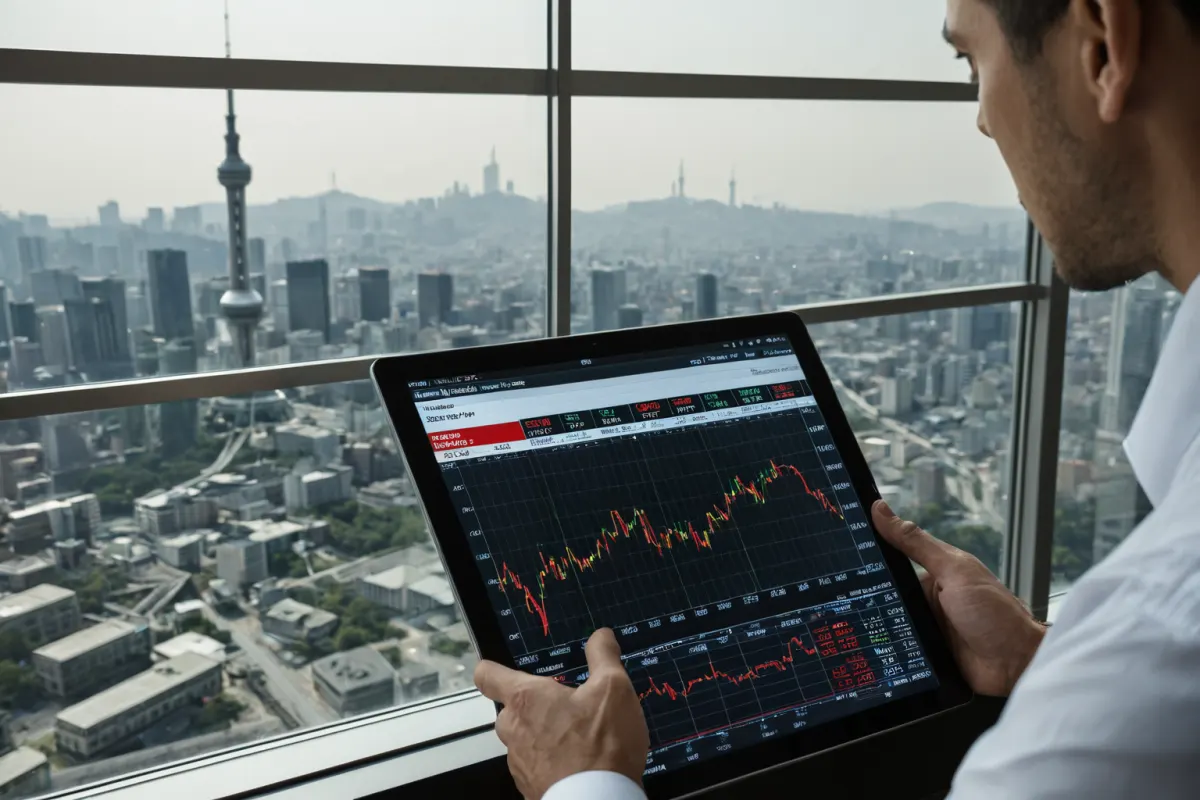
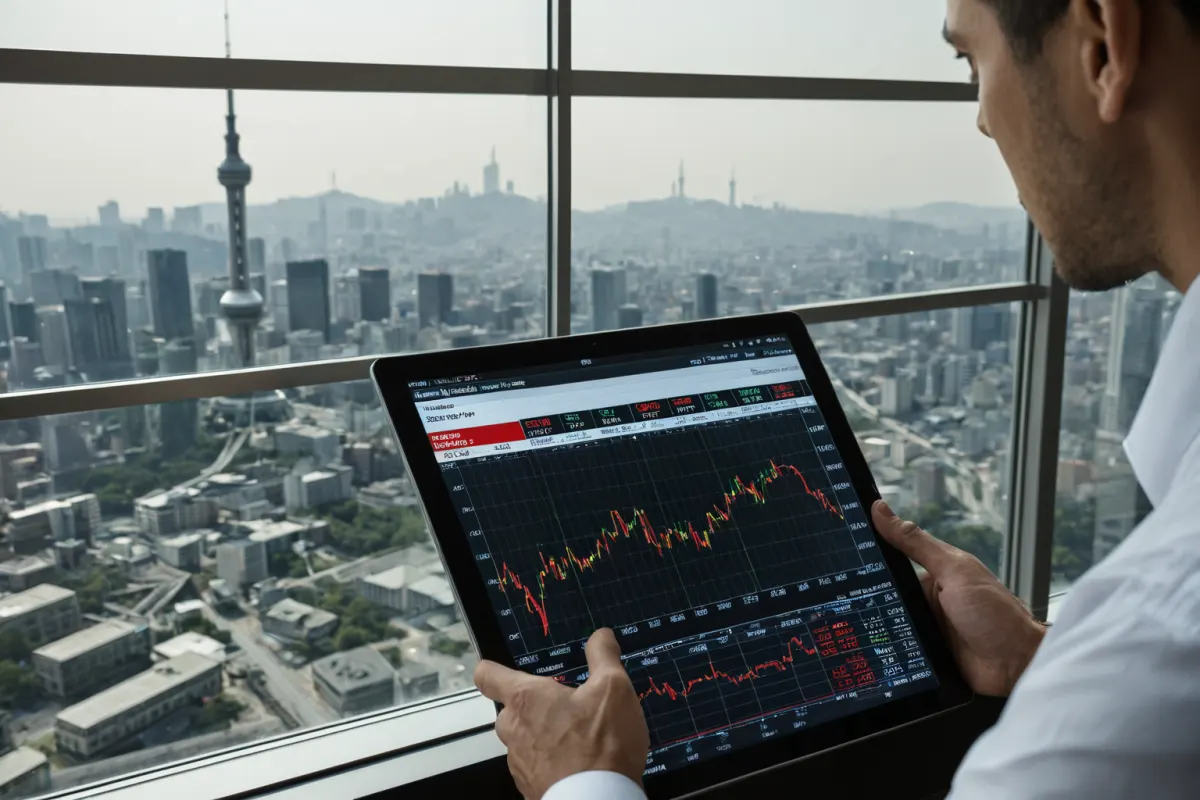
The KOSPI fell 10.84% on July 28, 2026, recording its second-largest single-day drop in history. The index dropped below the 6,000 level during trading, contributing to a 29% decline for the month of July alone as market volatility accelerated. While China's semiconductor shock and spreading Asian risk aversion were cited as key causes, major companies like Samsung Electronics saw their stock prices fall 7% despite reporting record-breaking operating income.

The Specific Circumstances Behind the KOSPI Drop
The KOSPI plummeted 10.84% during afternoon trading on July 28, losing the 6,000 level. This followed a 29% decline for the month of July, driven primarily by heightened risk aversion as uncertainty in China's semiconductor industry spread across Asian markets. Securities research center directors noted that fundamentals remain unchanged and characterized this drop as part of a post-rally consolidation phase.
Despite Samsung Electronics reporting record operating income on July 7, its stock price fell 7%, highlighting the disconnect between corporate performance and market reaction. Some experts view the KOSPI's 10% plunge as an opportunity to buy at a discount, with some predicting a rebound to the 11,500 level. However, volatility driven by external factors like Middle East conflicts remains ongoing.
Analyzing the Key Causes of the KOSPI Drop
China's semiconductor shock directly impacted Asian markets. China's strengthened export regulations on semiconductors led to global supply chain instability. This was compounded by a surge in risk-averse sentiment across Asia, as investors shifted toward safer assets.
Securities research center directors emphasized that corporate fundamentals have not changed, suggesting the market overreacted. Even with Samsung Electronics' record-breaking operating income, stock prices declined, indicating investor anxiety outweighed positive financial performance.
Market Reaction and Expert Opinions
Some experts view the KOSPI's 10% drop as a buying opportunity, predicting it could rebound to the 11,500 level. However, volatility driven by external factors like Middle East conflicts remains a concern. Goldman Sachs has also warned about potential global market impacts from the Middle East conflict.
Previous articles exaggerated political factors, such as statements by Lee Jae-myung, but the primary causes were China's semiconductor policies and spreading Asian risk aversion. Samsung Electronics is focusing on AI development and shareholder returns to recover performance.
Investor Response Strategies
As investor anxiety grows due to the KOSPI plunge, stable investment strategies are becoming increasingly important. Short-term volatility is expected to continue, making long-term investment perspectives essential. Some companies are leveraging AI and performance improvements to drive recovery, which could present long-term investment opportunities.
To prepare for Middle East conflict impacts, portfolio diversification is crucial. Financial company stock declines linked to dollar loan issues should also be considered. Balancing stable assets with riskier ones represents a prudent strategy.
Key Information to Verify
The KOSPI's 10% plunge occurred on July 28, 2026, when the index dropped below the 6,000 level. China's semiconductor shock and spreading Asian risk aversion were cited as primary causes. Despite Samsung Electronics' record operating income, its stock fell 7%, highlighting a disconnect between corporate performance and market reaction.
Investors should consider ongoing volatility driven by external factors like Middle East conflicts, emphasizing the importance of long-term strategies. Some experts' prediction of a rebound to the 11,500 level could signal recovery after short-term drops.
Frequently Asked Questions
What were the main causes of the KOSPI's 10% drop?
China's semiconductor shock and spreading Asian risk aversion. China's tightened semiconductor export regulations destabilized global supply chains, prompting investors to shift toward safer assets.
Why did Samsung Electronics' stock fall despite record operating income?
The disconnect between corporate performance and market reaction. Investor anxiety outweighed positive financial results due to the China semiconductor shock and spreading risk aversion across Asia.
What price level do some experts predict for KOSPI after the 10% drop?
Some experts view the 10% plunge as a buying opportunity, predicting a rebound to the 11,500 level. However, volatility from external factors like Middle East conflicts remains ongoing.
How should investors respond if market volatility continues?
A long-term investment perspective is essential, with portfolio diversification and balancing stable and risky assets being key strategies. Preparing for Middle East conflict impacts by maintaining a balanced mix of stable and riskier assets is prudent.
How has the relationship between corporate performance and market reaction changed after the KOSPI drop?
Despite improving corporate performance, stock prices declined, accelerating the disconnect. This indicates investors are reacting more sensitively to short-term volatility than long-term growth potential.
What impact did China's semiconductor shock have on Asian markets?
China's tightened semiconductor export regulations destabilized global supply chains, leading to risk-averse sentiment and a shift toward safer assets across Asia, negatively impacting the broader market.
Frequently Asked Questions
The KOSPI's 10% drop resulted from China's semiconductor shock and spreading Asian risk aversion, representing temporary volatility. While the disconnect between corporate performance and market reaction may persist short-term, long-term investment strategies are crucial. Major companies like Samsung Electronics are focusing on AI development and shareholder returns to recover performance, which could signal future market recovery.
Investors should prepare for external factors like Middle East conflicts by diversifying portfolios and prioritizing long-term growth potential over short-term volatility. The KOSPI may rebound toward the 11,500 level, but continuous monitoring of external impacts is necessary.
Explore similar articles on this topic in one place.
View Related ArticlesFAQ
What were the main causes of the KOSPI's 10% drop?
China's semiconductor shock and spreading Asian risk aversion. China's tightened semiconductor export regulations destabilized global supply chains, prompting investors to shift toward safer assets.
Why did Samsung Electronics' stock fall despite record operating income?
The disconnect between corporate performance and market reaction. Investor anxiety outweighed positive financial results due to the China semiconductor shock and spreading risk aversion across Asia.
What price level do some experts predict for KOSPI after the 10% drop?
Some experts view the 10% plunge as a buying opportunity, predicting a rebound to the 11,500 level. However, volatility from external factors like Middle East conflicts remains ongoing.
How should investors respond if market volatility continues?
A long-term investment perspective is essential, with portfolio diversification and balancing stable and risky assets being key strategies. Preparing for Middle East conflict impacts by maintaining a balanced mix of stable and riskier assets is prudent.
How has the relationship between corporate performance and market reaction changed after the KOSPI drop?
Despite improving corporate performance, stock prices declined, accelerating the disconnect. This indicates investors are reacting more sensitively to short-term volatility than long-term growth potential.
What impact did China's semiconductor shock have on Asian markets?
China's tightened semiconductor export regulations destabilized global supply chains, leading to risk-averse sentiment and a shift toward safer assets across Asia, negatively impacting the broader market.
Korean Source
This article is an English localization of a Korean-language report from BlogScore. Original: 코스피 10% 급락, 기업 실적과 시장 반응 분석