
The History and Current Situation of the Forced Relocation of Koreans in the Soviet Union
The History of Forced Relocation and Identity Recovery
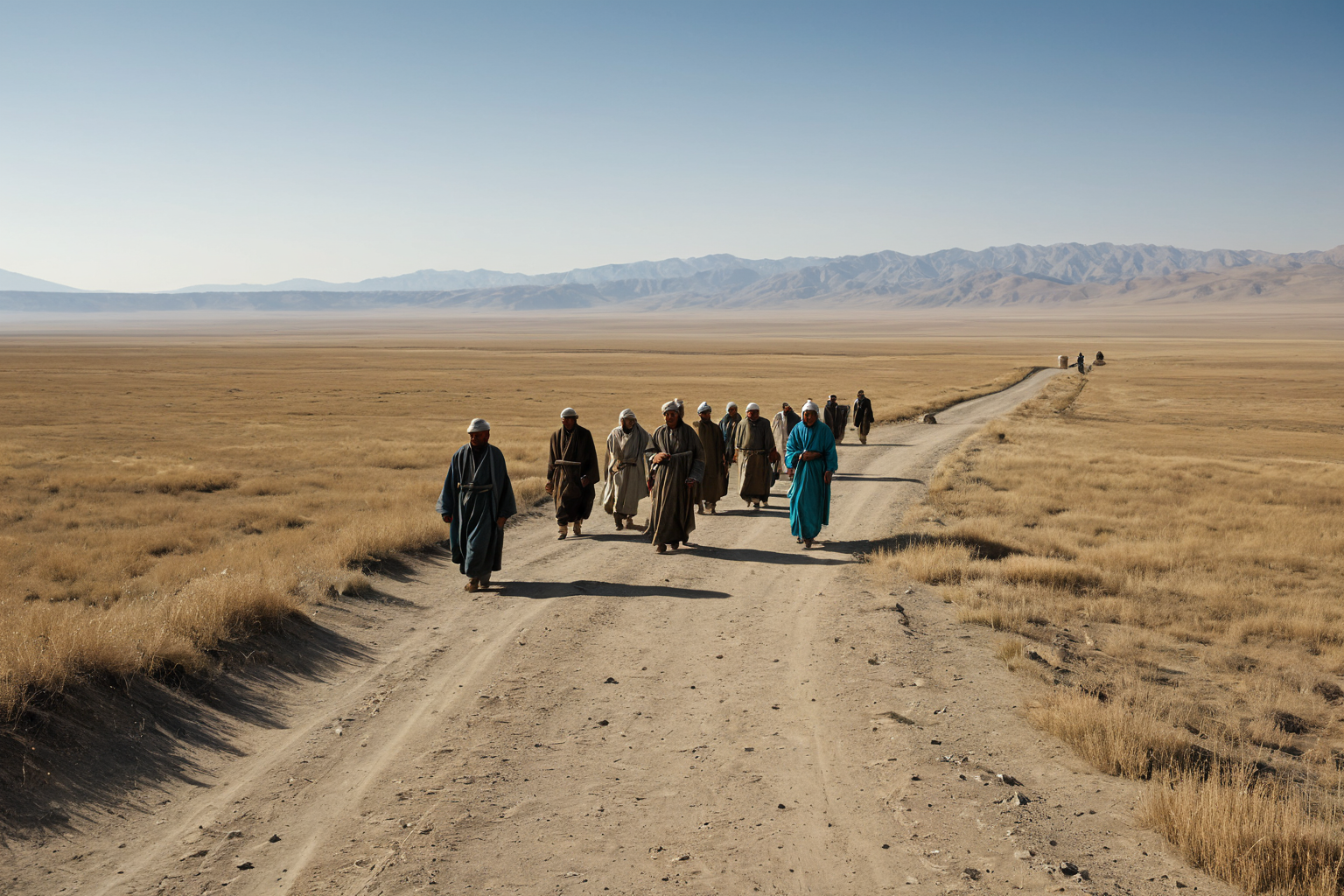
In 1937, the Soviet government forcibly relocated approximately 500,000 Koreans from Primorsky Krai—the cradle of Korean independence movements—to Central Asia. They established new lives in barren lands, shaping their historical narrative. Today, Korean communities settled in cities like Gwangju face challenges with residency status.
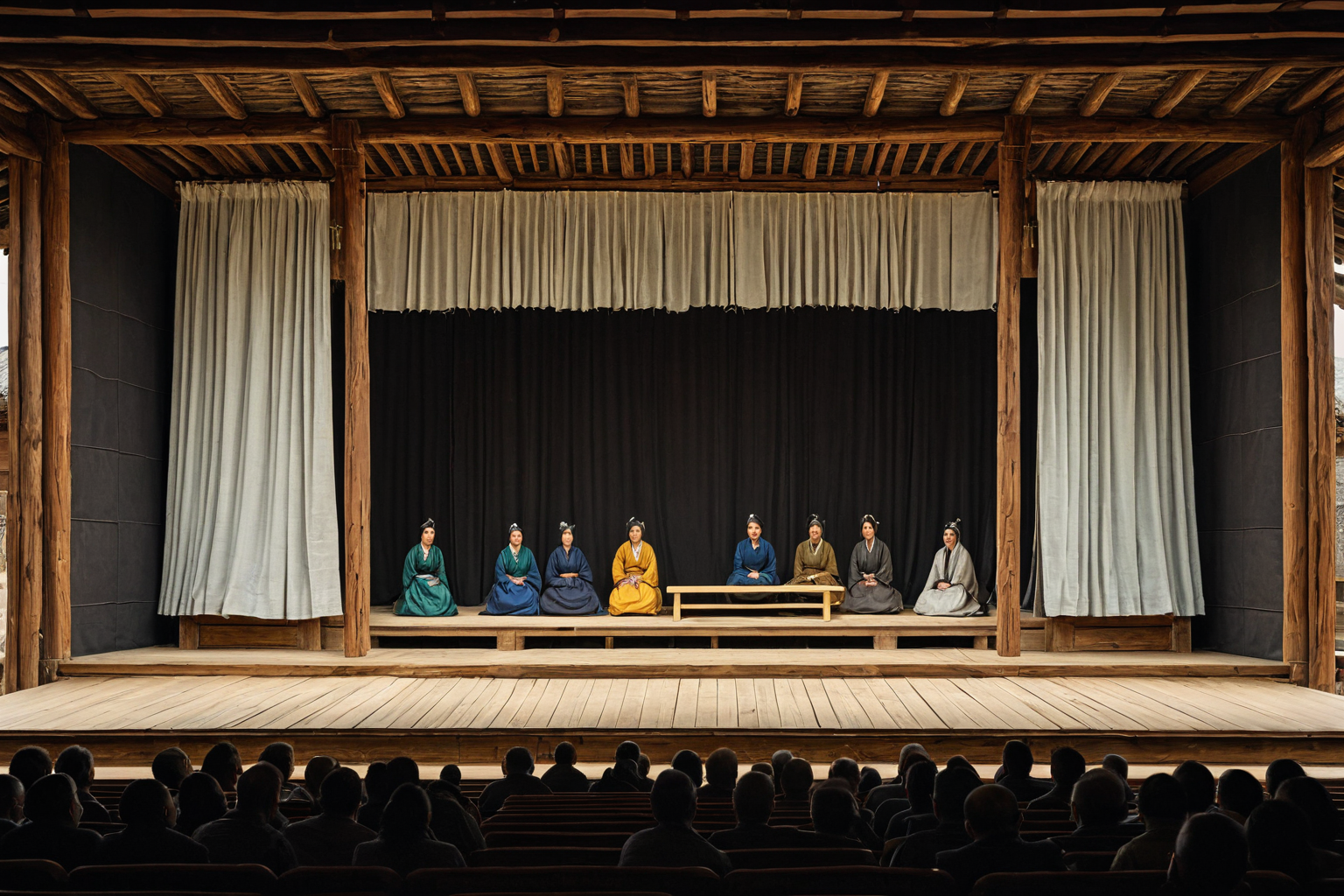
On October 4, 2025, a resolution titled 'Forced Relocation of Koreans' was passed through civil-government cooperation, officially acknowledging this historical fact. The Koryo Theater has served as the heart preserving Korean language and culture for 94 years, with its play 'The Theater Is Running!' touring Seoul and Central Asia to promote cultural identity.
Background and Scale of the 1937 Forced Relocation
In 1937, the Soviet government forcibly relocated Koreans to Central Asia, impacting around 500,000 individuals. This event began in Primorsky Krai, where Korean independence movements had flourished, and Koreans went on to carve out new lives in barren lands.
This forced relocation remains historically connected to current challenges faced by Korean communities settled in Gwangju and elsewhere, particularly regarding residency status issues. On February 26, 2017, a commemorative train run marked the 80th anniversary of the forced relocation.
The Korean Association for the Preservation of History is advancing 'UNESCO Road' to memorialize this history and preserve historical facts. The Anseong Foreign Resident Support Center has also hosted special lectures on the history of the forced relocation, drawing public attention.
Timeline of Key Events
1937: Forced relocation of Koreans to Central Asia; approximately 500,000 Koreans relocated
February 26, 2017: Commemorative train run for the 80th anniversary of forced relocation
October 4, 2025: Resolution 'Forced Relocation of Koreans' passed through civil-government cooperation, officially recognizing historical facts
March 27, 2026: Announcement by Korean Association for the Preservation of History to advance 'UNESCO Road'
June 11, 2026: Gwangju High School students experience diaspora history and culture at Koryo Village
August 2026: Play 'The Theater Is Running!' begins touring Seoul and Central Asia
Cultural Preservation and Identity Recovery Efforts
The Koryo Theater has been the heart preserving the history of forced relocation and Korean culture for 94 years, maintaining language and traditions. The play 'The Theater Is Running!' tours Seoul and Central Asia to share the historical narrative and identity of Koreans.
Gwangju High School students experienced diaspora history and culture firsthand at Koryo Village, while teachers from Saenam School conducted field training to deepen student understanding. These activities contribute to Korean identity recovery and historical education.
The Korean Association for the Preservation of History is advancing 'UNESCO Road' to preserve memory, while some Koreans in Gwangju face 'anxiety over residency status.' Jeonbuk Province aims to take a leading role in Korean policies.
Current Challenges and Solutions
Some Koreans settled in Gwangju face difficulties due to uncertainty around their residency status. This is related to government policy, requiring improved management of residency status and support policies.
After the 2025 resolution passed, historical facts were officially recognized, leading to more active identity recovery efforts. The Korean Association for the Preservation of History aims to attract international attention through 'UNESCO Road.'
In education, Gwangju High School students learn about history and culture through on-site experiences at Koryo Village, while teachers from Saenam School conduct field training to enhance student understanding. These activities help convey Korean identity and historical context.
Key Information to Verify
The specific relocation route and population during the 1937 forced relocation are reported as approximately 500,000 people. Current challenges regarding residency status for Koreans settled in Gwangju continue to draw attention.
The October 4, 2025 resolution was passed through civil-government cooperation, officially recognizing historical facts. The Koryo Theater's 94-year journey has been crucial in preserving Korean language and culture.
Commemorative train runs in 2017 and the 'UNESCO Road' initiative planned for 2026 contribute to preserving historical facts, while Gwangju High School students' on-site experiences help promote identity recovery.
Frequently Asked Questions
Why is the history of Korean forced relocation important?
The forced relocation began in Primorsky Krai—the cradle of Korean independence movements—and led to Koreans relocating to Central Asia. This historical event contributes to identity recovery and cultural preservation.
What is the current situation regarding residency status for Koreans in Gwangju?
Some Koreans settled in Gwangju are reportedly experiencing 'anxiety over their residency status.'
What role does the Koryo Theater play?
The Koryo Theater has been the heart preserving the history of forced relocation and Korean culture for 94 years, maintaining language and traditions.
Frequently Asked Questions
Efforts related to the history of Korean forced relocation and identity recovery continue today. Starting from the 1937 relocation that saw approximately 500,000 Koreans move to Central Asia, current focus is on residency status challenges in cities like Gwangju and cultural preservation activities.
Historical facts have been re-examined through events such as the October 2025 resolution and the 2017 commemorative train. The Koryo Theater's 94-year journey has played a key role in preserving Korean language and culture. Activities like Gwangju High School students' on-site experiences and Saenam School teachers' field training contribute to identity recovery.
Future efforts will include the Korean Association for the Preservation of History advancing 'UNESCO Road' to attract international attention, Jeonbuk Province taking a leading role in Korean policies, and strengthening government policy to address residency status issues.
You can view similar articles on this topic all at once.
View Related ArticlesFAQ
Why is the history of Korean forced relocation important?
The forced relocation began in Primorsky Krai—the cradle of Korean independence movements—and led to Koreans relocating to Central Asia. This historical event contributes to identity recovery and cultural preservation.
What is the current situation regarding residency status for Koreans in Gwangju?
Some Koreans settled in Gwangju are reportedly experiencing 'anxiety over their residency status.'
What role does the Koryo Theater play?
The Koryo Theater has been the heart preserving the history of forced relocation and Korean culture for 94 years, maintaining language and traditions.
Korean Source
This article is an English localization of a Korean-language report from BlogScore. Original: 고려인 강제이주 역사적 배경과 현재 상황