
Korean YouTuber's Onsen Incident: Cultural Etiquette Debate in Japan
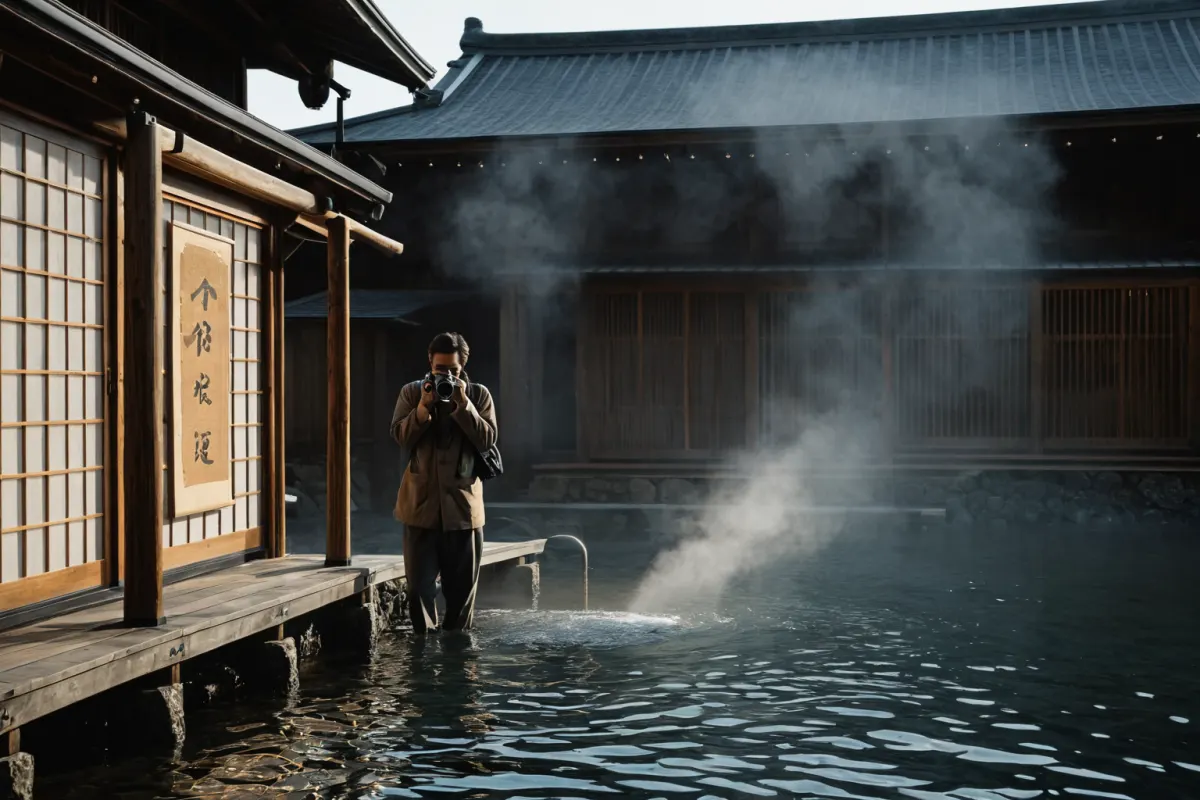
A Korean female YouTuber was caught filming inside a Japanese onsen (hot spring) with visible 'no photography' signs, sparking controversy over cultural etiquette. The incident drew criticism from both Japanese locals and media, who labeled it as 'rude behavior' and 'shameful for the country,' particularly because the onsen is used by mixed genders, yet the YouTuber ignored the no-photography rule.
Onsen Review: Dc Inside Community Reactions
The Dc Inside community saw varied opinions about the incident. Some users criticized the YouTuber for ignoring 'no photography' signs, while others suggested she might have followed others who were filming. However, most users agreed that entering a restricted area without regard for cultural norms was disrespectful.
Incident Details: Violating Onsen Photography Rules
The incident occurred on August 11, 2026, at an onsen in Hokkaido, Japan, where a Korean female YouTuber was filmed using her camera despite clear no-photography signs. Media outlets like Nate and v.daum.net reported the story on August 12, 2026. Despite knowing that the onsen is used by mixed genders, she violated the photography ban.
The YouTuber claimed she followed others filming, but this did not justify ignoring the signs. In Japan, especially in mixed-gender onsen areas, violating photography rules is considered a breach of cultural etiquette.
Cultural Etiquette and Onsen Rules
In Japan, many onsens allow mixed-gender use, following traditional customs. However, certain areas are marked 'no photography' to protect privacy and ensure all guests feel comfortable. This is especially important in Japan, where onsen etiquette is deeply respected.
Photography is strictly prohibited at onsens across Japan, a rule known to both locals and tourists. The YouTuber’s actions led to criticism from Japanese media using terms like 'shameful for the country,' particularly due to the cultural significance of onsens as private spaces.
YouTuber's Actions and Social Response
The incident caused negative reactions in Japan, with media describing it as 'shameful' and warning it could harm South Korea’s image among tourists. The YouTuber’s claim that 'others were filming too' was widely dismissed as insufficient justification for ignoring clear signs.
Some Dc Inside users tried to verify if others were filming, but most focused on the fact that the YouTuber ignored clearly visible no-photography signs.
Safety Information and Preventive Measures
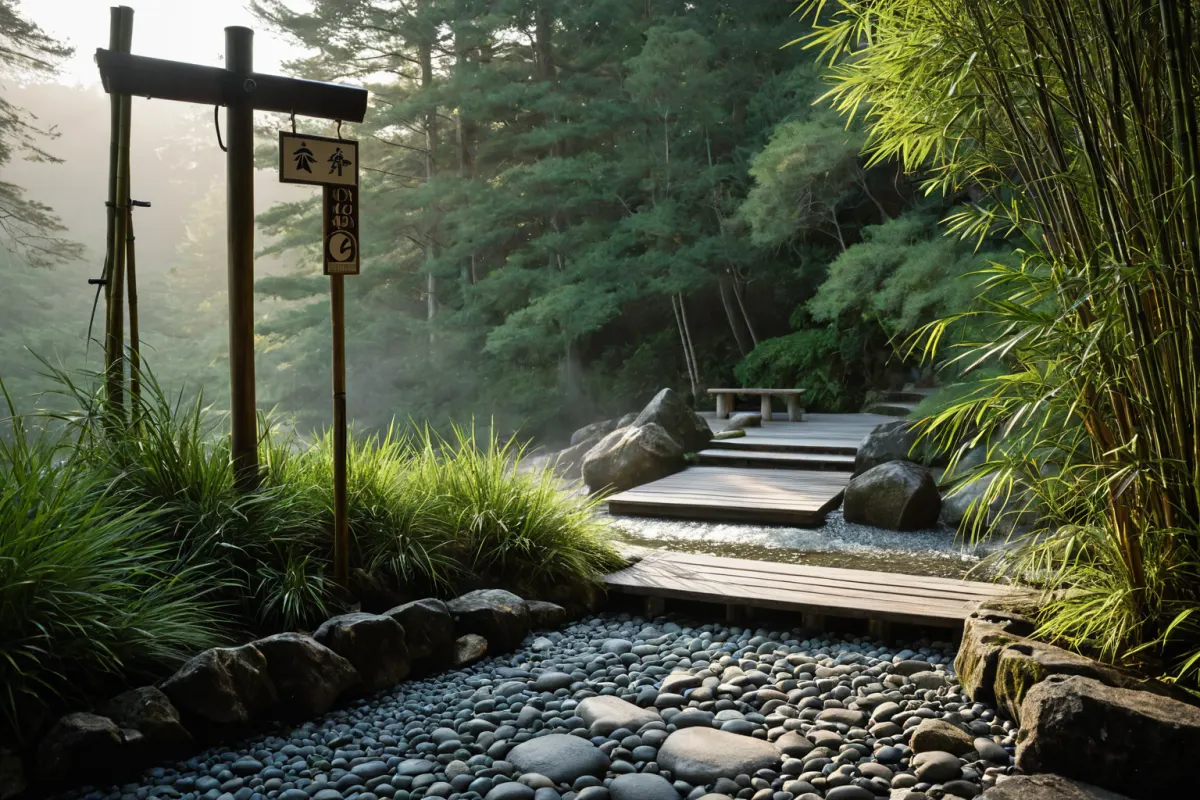
When visiting an onsen, always check for 'no photography' signs. Japanese onsens typically have clear signage, and ignoring it is considered disrespectful. Mixed-gender areas require extra caution to avoid cultural missteps.
Photography in onsens relates to privacy concerns, which locals take very seriously. Foreign tourists should respect these rules by checking signs in Japanese or asking staff for clarification.
Fact Check and Important Notes
The incident happened on August 11, 2026, at a Hokkaido onsen. Media coverage began on August 12, 2026. The YouTuber was criticized for violating the photography ban despite knowing the onsen is used by mixed genders.
Important to note: Claiming 'others were filming' does not excuse ignoring clear signage. In Japan, onsen photography rules are strictly enforced as part of cultural etiquette.
Frequently Asked Questions
Why is photography prohibited at onsens?
Photography is banned to protect personal privacy and ensure all guests feel comfortable. In Japanese culture, onsens are seen as private spaces, and taking photos is considered impolite.
Does the YouTuber's claim 'others were filming' justify her actions?
No. Following others who ignore 'no photography' signs does not excuse violating clear rules. Ignoring such signs is still seen as disrespectful to cultural norms.
What should visitors check before visiting an onsen?
Always confirm whether photography is allowed. Japanese onsens typically have clear 'no photography' signage, and respecting this is key to cultural etiquette.
Frequently Asked Questions
This incident highlights the importance of respecting cultural norms, especially in Japan where onsen etiquette is deeply valued. Onsens are private spaces that prioritize guest comfort, making it essential for tourists—especially foreign visitors—to follow no-photography rules.
By learning from this event, travelers can better understand how to navigate cultural differences and show respect during their visits to Japanese onsens.
Explore more articles on similar topics.
View Related ArticlesFAQ
Why is photography prohibited at onsens?
Photography is banned to protect personal privacy and ensure all guests feel comfortable. In Japanese culture, onsens are seen as private spaces, and taking photos is considered impolite.
Does the YouTuber's claim 'others were filming' justify her actions?
No. Following others who ignore 'no photography' signs does not excuse violating clear rules. Ignoring such signs is still seen as disrespectful to cultural norms.
What should visitors check before visiting an onsen?
Always confirm whether photography is allowed. Japanese onsens typically have clear 'no photography' signage, and respecting this is key to cultural etiquette.
Korean Source
This article is an English localization of a Korean-language report from BlogScore. Original: 혼탕 후기 디시에서의 평가와 추천 여부