
Korean Tax Office Reports Strong First-Half Tax Revenue Growth in 2026
First-Half Tax Revenue Reaches 223 Trillion Won, Up 33 Trillion from Last Year
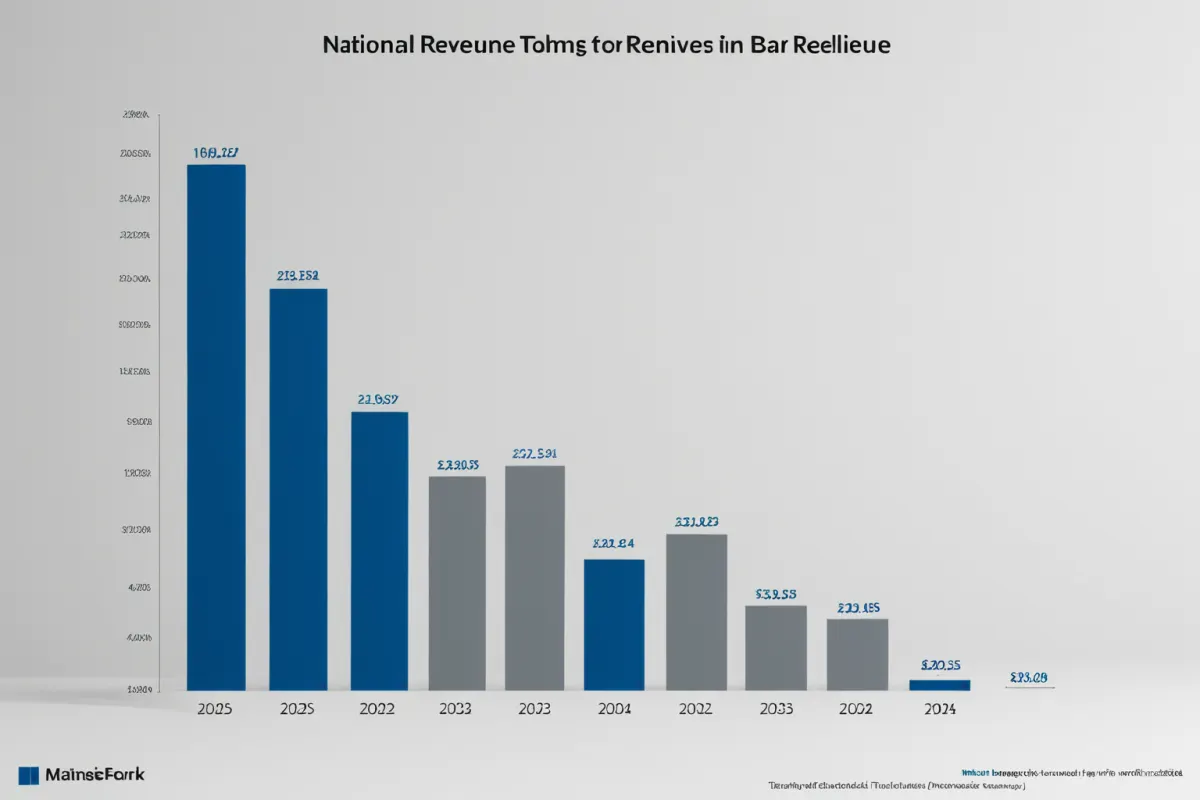
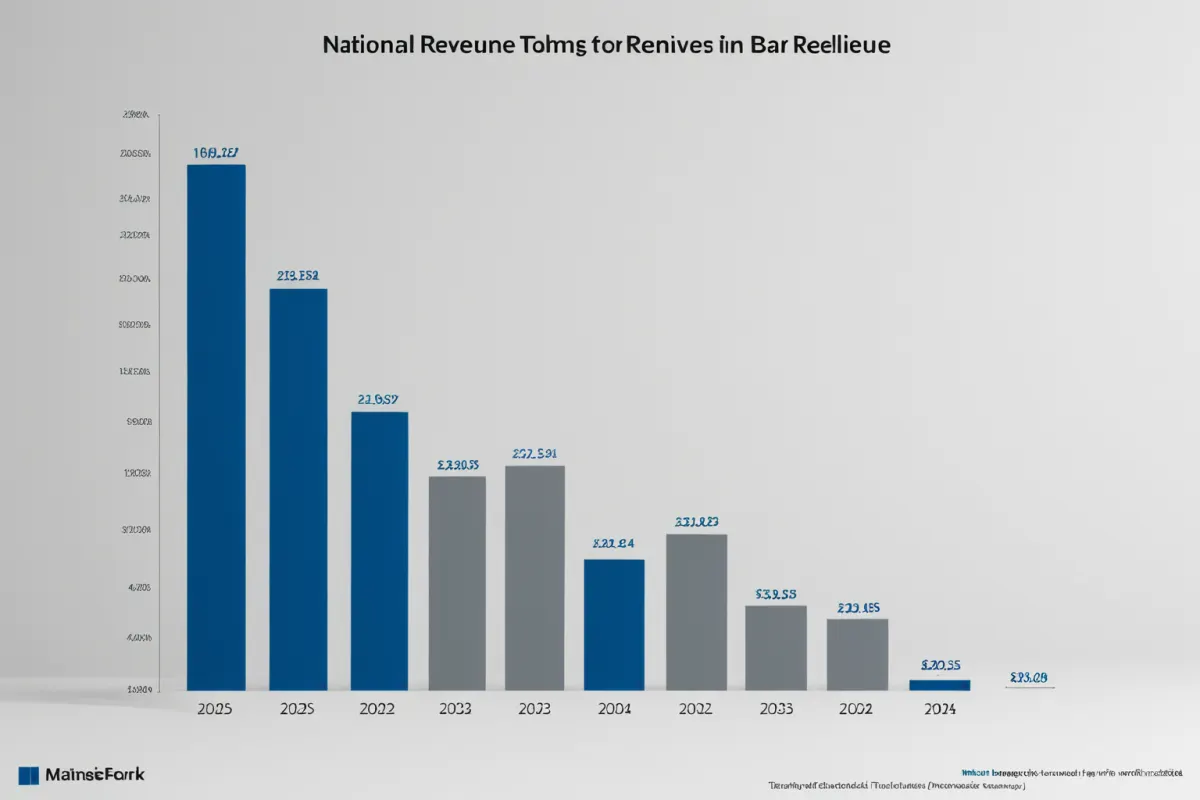
The National Tax Service announced that first-half tax revenue (January-June 2026) totaled 223 trillion won, a 33 trillion won increase compared to the previous year. This growth is primarily attributed to a surge in securities transaction tax due to the semiconductor industry boom and increased stock trading activity. The National Tax Service also recovered 62 billion won from tax evasion related to inflation, stocks, and real estate, while implementing a debt management unit to enhance revenue collection through financial institutions.
The sharp rise in securities transaction tax—a 4.5-fold increase compared to the same period in 2023—marks a significant recovery from the previous year's record decline. This rebound reflects sustained market optimism and increased individual investor activity, particularly driven by rising prices of semiconductor-related stocks. The surge in securities transactions has contributed directly to higher corporate tax revenue, as major companies like Samsung Electronics and SK Hynix reported improved financial performance.

Surge in Securities Tax Drives Revenue Growth Across Key Categories
The 4.5-fold increase in securities transaction tax has been the main driver of overall revenue growth, with corporate and income taxes also showing upward trends. In 2025, total tax revenue was confirmed at 373.9 trillion won, and for 2026, income tax is expected to exceed budget projections by 460 billion won. Corporate tax has increased due to higher profits in the semiconductor industry, while income tax growth stems from expanded taxation on stock trading gains and rising individual investor numbers.
The increase in securities transaction tax follows a sustained investment boom that began in late 2023. After a market downturn in early 2023 led to reduced trading activity, the semiconductor sector's recovery starting in 2024 has fueled steady market growth through 2025 and into 2026. This trend was particularly pronounced with heightened demand for AI-related semiconductors, boosting Samsung Electronics and SK Hynix stock prices.
Historical Tax Revenue Comparison
In the first half of 2023, tax revenue growth hit its lowest point in history, with cumulative revenue falling by 43 trillion won compared to the previous year. This marked nine consecutive years of declining tax revenue and represented the largest fiscal shortfall ever recorded at 56.4 trillion won. However, since early 2026, a clear upward trend has emerged.
The 2023 annual tax revenue totaled 344 trillion won with a budget deficit of 56 trillion won. The first-half fiscal shortfall reached 83 trillion won, and the projected full-year deficit is expected to exceed 25 trillion won. In response, the National Tax Service has focused on improving revenue collection efforts.
National Tax Service's Future Strategy
To mark its 60th anniversary, the National Tax Service announced three key initiatives at a nationwide meeting of tax office directors: 'Integrated Collection,' 'Debt Management Reform,' and 'AI Tax Administration.' The agency is implementing an AI-driven system to improve tax administration efficiency. A dedicated team of 10,000 staff members is managing debt collection efforts, aiming to accelerate payment from delinquent taxpayers and prevent tax evasion.
The National Tax Service's AI strategy goes beyond automation, enhancing the accuracy and efficiency of tax audits. For example, AI analyzes historical tax evasion cases to identify high-risk filings, enabling more targeted investigations. In debt management systems, AI assesses a taxpayer's financial status and payment capacity to develop customized collection strategies.
Tax Revenue Budgets and Fiscal Deficit
In 2023, total tax revenue was recorded at 344 trillion won with a budget deficit of 56 trillion won. The first-half fiscal shortfall reached 83 trillion won, with an expected full-year deficit exceeding 25 trillion won. To address this, the National Tax Service is prioritizing efforts to maximize revenue collection.
The 17.5% growth in first-half tax revenue for 2026—compared to a 43 trillion won decline in the same period of 2023—reflects strong recovery. Combined corporate and income tax growth reached 19.8%, driven by semiconductor industry expansion and increased individual investment activity, indicating effective government economic policies.
Key Data Points for Tax Revenue Monitoring
Official National Tax Service reports confirm first-half revenue of 223 trillion won, a 33 trillion won increase from the previous year. The 4.5-fold surge in securities transaction tax and strong performance in corporate and income taxes are key drivers. Additional noteworthy figures include the recovery of 62 billion won from tax evasion and ongoing operations of the debt management unit.
Official data is updated monthly around the 10th, with first-half figures based on data collected through June. This provides a real-time snapshot of government revenue trends, which often correlate with changes in the semiconductor industry and stock market performance.
Frequently Asked Questions
How did tax revenue increase? The primary driver was a 4.5-fold surge in securities transaction tax due to the semiconductor industry boom and increased stock trading activity.
What happened to tax revenue in the first half of 2023? Tax revenue growth hit its lowest point, with cumulative revenue falling by 43 trillion won compared to the previous year.
What is the National Tax Service's AI tax administration plan? It focuses on 'Integrated Collection,' 'Debt Management Reform,' and 'AI Tax Administration' through an AI-driven system to improve efficiency in tax collection and auditing processes.
You can find similar articles compiled together for your convenience.
View Related ArticlesFAQ
How did tax revenue increase?
The primary driver was a 4.5-fold surge in securities transaction tax due to the semiconductor industry boom and increased stock trading activity.
What happened to tax revenue in the first half of 2023?
Tax revenue growth hit its lowest point, with cumulative revenue falling by 43 trillion won compared to the previous year.
What is the National Tax Service's AI tax administration plan?
It focuses on 'Integrated Collection,' 'Debt Management Reform,' and 'AI Tax Administration' through an AI-driven system to improve efficiency in tax collection and auditing processes.
Korean Source
This article is an English localization of a Korean-language report from BlogScore. Original: 국세청 발표 상반기 국세수입 증가율과 주요 세목