
Korean GM's Labor Agreement Breakthrough and Its Impact on the Job Market
The Significance of Korean GM's Labor Agreement and Changes in the Labor Market
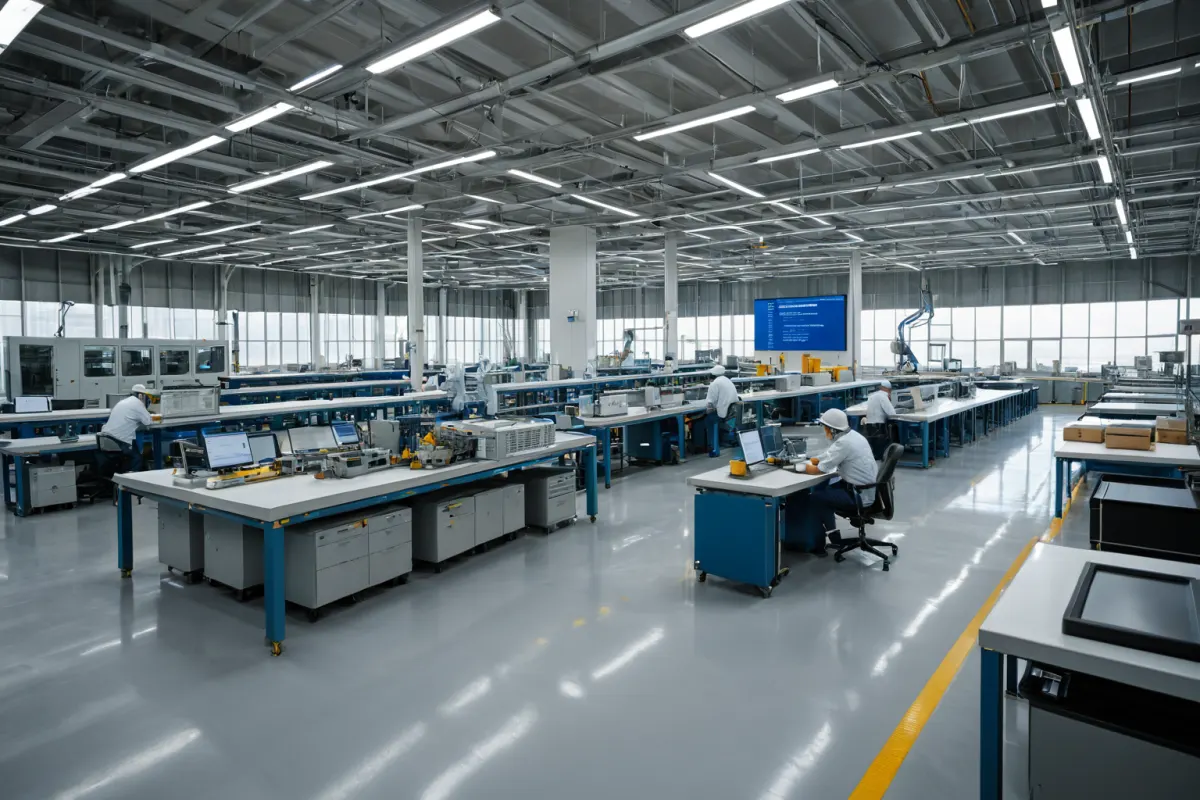
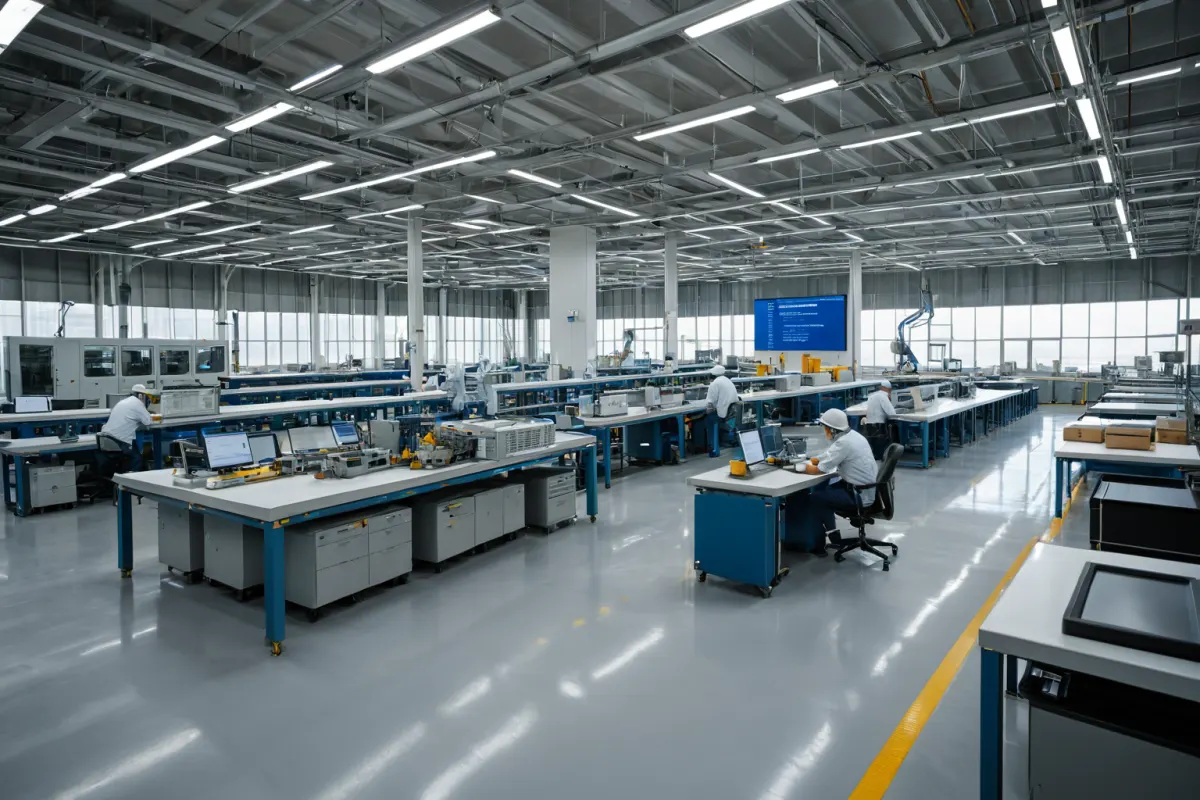
Korean GM finalized a labor agreement on July 28, 2026, with 56.5% approval for a provisional settlement that includes a basic wage increase of KRW 92,000 and a performance bonus of KRW 15 million. This marks the first no-strike labor agreement in the automotive industry, aiming to stabilize employment and secure future vehicle models.
Key Details of the Labor Agreement
Korean GM's union had previously signaled strong opposition with overwhelming approval for strike actions but ultimately approved the provisional settlement at 56.5%. The agreement includes a basic wage increase of KRW 92,000 and a performance bonus of KRW 15 million, making it the first no-strike labor deal in the automotive sector.
This agreement aims to stabilize employment and secure future vehicle models. Hyundai Motor and Kia are also pursuing similar labor agreements, which could improve labor relations across the industry. Discussions on extending retirement age and implementing a four-day workweek continue, potentially establishing a new model for negotiations within the auto sector.
Industry-Wide Impact
Korean GM's agreement is setting a new standard in the automotive industry. Hyundai Motor has achieved six years without strikes, while Kia secured its first no-strike labor agreement in 10 years. This trend indicates accelerating improvement in labor relations across the auto sector.
Similar agreements by Hyundai and Kia have influenced Korean GM, particularly after Hyundai announced an expanded regular wage agreement on September 16, 2025. Kia and Korean GM are now exploring similar negotiations, which could further accelerate improvements in labor relations industry-wide.
Union Opposition to Direct Service Center Closures
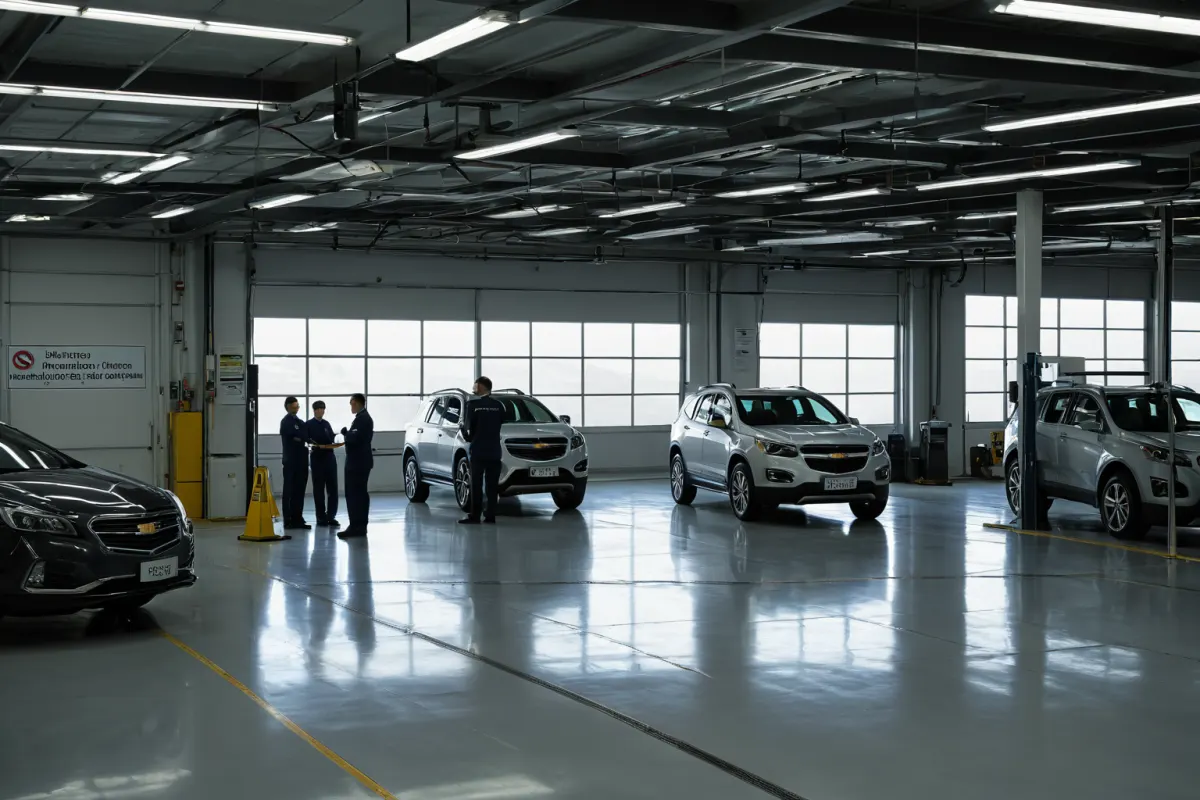
However, the union continues to oppose plans for closing direct service centers scheduled for February of next year. The plan, first reported on November 7, 2025, has drawn strong opposition from the union, with ongoing protests against 'closing all nationwide repair shops.'
Korean GM confirmed the union's opposition to the report on November 9, 2025, and this issue is expected to become a key point in future negotiations. The closure plan may require additional discussions considering its potential impact on the labor market.
Expected Changes After Labor Agreement
Korean GM's labor agreement is expected to improve overall labor relations across the industry. Discussions on extending retirement age and implementing a four-day workweek continue, potentially establishing a new negotiation model within the auto sector.
Notably, Hyundai and Kia's successful agreements have influenced Korean GM. Hyundai has achieved six years without strikes, while Kia secured its first no-strike agreement in 10 years. This trend shows accelerating improvement in labor relations across the automotive industry.
Discussions on Retirement Age Extension and Four-Day Workweek
Alongside Korean GM's labor agreement, discussions on extending retirement age and implementing a four-day workweek continue. Hyundai and Kia are also pursuing similar discussions, which could establish a new negotiation model within the auto industry.
Retirement age extension may bring structural changes to the labor market, while adopting a four-day workweek is expected to improve working conditions. These changes should be considered in light of their potential impact on other industries beyond automotive.
Future Negotiation Issues and Responses
Following Korean GM's labor agreement, opposition from the union regarding plans to close direct service centers remains ongoing. The plan for closing direct service centers scheduled for February 2026, first reported on November 7, 2025, has drawn strong union opposition, and this issue is expected to be a key point in future negotiations.
Korean GM is expected to explore further negotiations by referencing Hyundai and Kia's successful labor agreements. After Hyundai announced an expanded regular wage agreement on September 16, 2025, Kia and Korean GM are also seeking similar agreements.
Key Information for Readers
Korean GM's labor agreement is the first no-strike deal in the automotive industry, aiming to stabilize employment and secure future vehicle models. This aligns with similar agreements by Hyundai and Kia, driving improvements in labor relations across the sector.
However, ongoing union opposition to plans for closing direct service centers suggests additional discussions will be needed in future negotiations. Korean GM is exploring a similar agreement, referencing Hyundai and Kia's successful deals, which could establish a new negotiation model within the automotive industry.
Frequently Asked Questions
What changes are expected due to Korean GM's labor agreement?
Korean GM's labor agreement has established a no-strike deal in the automotive industry for the first time, aiming to stabilize employment and secure future vehicle models. This is driving improvements in overall labor relations across the sector.
How will the direct service center closure plan affect negotiations?
Ongoing union opposition to the plan for closing direct service centers scheduled for February 2026 means further discussions are expected in future negotiations. This issue is likely to remain a key topic after Korean GM's agreement.
How are retirement age extension and four-day workweek discussions progressing?
Korean GM's labor agreement has coincided with ongoing discussions on extending retirement age and implementing a four-day workweek. Hyundai and Kia are also pursuing similar discussions, which could establish a new negotiation model within the auto industry.
Frequently Asked Questions
Korean GM's labor agreement is the first no-strike deal in the automotive industry, aiming to stabilize employment and secure future vehicle models. This aligns with similar agreements by Hyundai and Kia, driving improvements in labor relations across the sector.
However, ongoing union opposition to plans for closing direct service centers suggests additional discussions will be needed in future negotiations. Korean GM is exploring a similar agreement, referencing Hyundai and Kia's successful deals, which could establish a new negotiation model within the automotive industry.
You can view more articles on this topic in one place.
View Related ArticlesFAQ
What changes are expected due to Korean GM's labor agreement?
Korean GM's labor agreement has established a no-strike deal in the automotive industry for the first time, aiming to stabilize employment and secure future vehicle models. This is driving improvements in overall labor relations across the sector.
How will the direct service center closure plan affect negotiations?
Ongoing union opposition to the plan for closing direct service centers scheduled for February 2026 means further discussions are expected in future negotiations. This issue is likely to remain a key topic after Korean GM's agreement.
How are retirement age extension and four-day workweek discussions progressing?
Korean GM's labor agreement has coincided with ongoing discussions on extending retirement age and implementing a four-day workweek. Hyundai and Kia are also pursuing similar discussions, which could establish a new negotiation model within the auto industry.
Korean Source
This article is an English localization of a Korean-language report from BlogScore. Original: 한국지엠 임단협 타결로 인한 노동 시장 변화 예상