
Korean Duty-Free Allowance Explained: What You Can Bring Back for $800
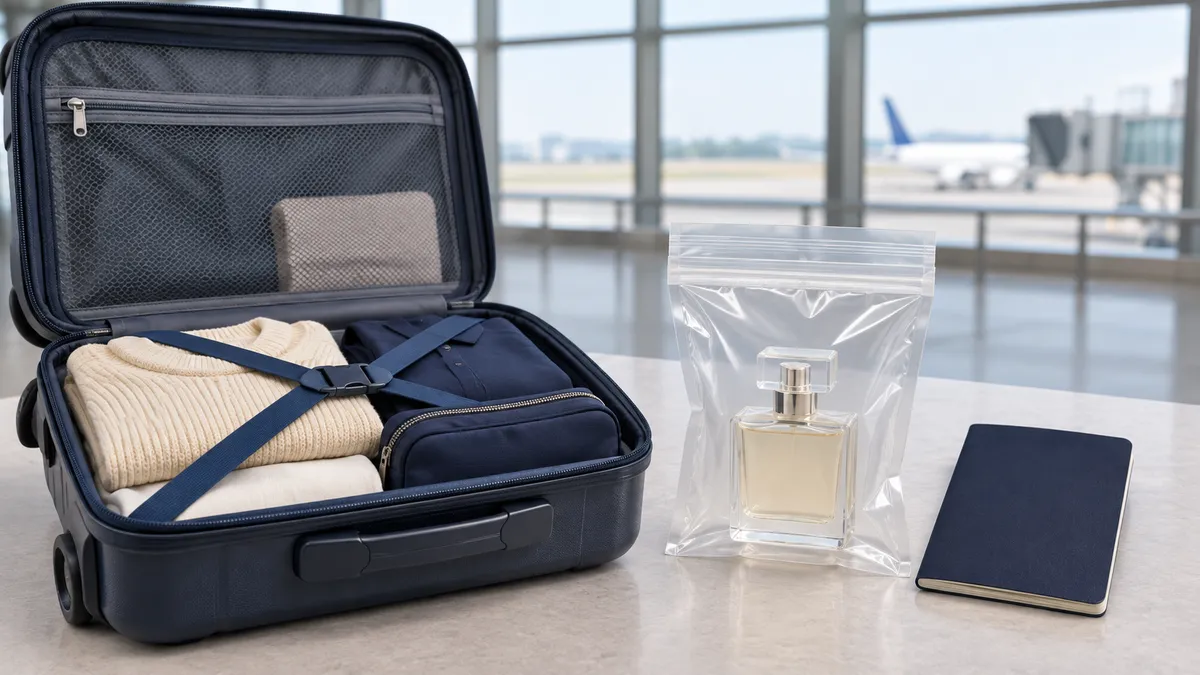
Calculate What You Can Bring Before Checking Out at Duty-Free Shops
Before shopping abroad, check both the store discounts and the duty-free limits for when you return home. Just because you bought something at a duty-free shop doesn’t mean all items will be tax-exempt upon entry into South Korea. This guide outlines the key criteria travelers should verify when bringing goods back to Korea.
According to the Customs Service’s guidelines confirmed on November 9, 2026, the basic duty-free allowance is $800 USD per traveler for the total taxable value of items. Alcohol, tobacco, and perfumes have separate limits. When making your shopping list, it's helpful to separate general items from those with special duty-free categories.
Keep Receipts Organized by Purchase Location
For everyday items like bags or clothing, record product names, quantities, payment amounts, and currencies. Don’t just check the duty-free shop order; also review any additional purchases made during your trip. Keeping all receipts and order confirmations in one place will help when explaining prices to customs.
If prices are listed in different currencies, don’t simply add up the numbers—exchange rates must be considered. When tax values are unclear, avoid assuming duty-free status; instead, prepare documentation for customs verification.
Alcohol and Perfume: Check Both Volume and Price
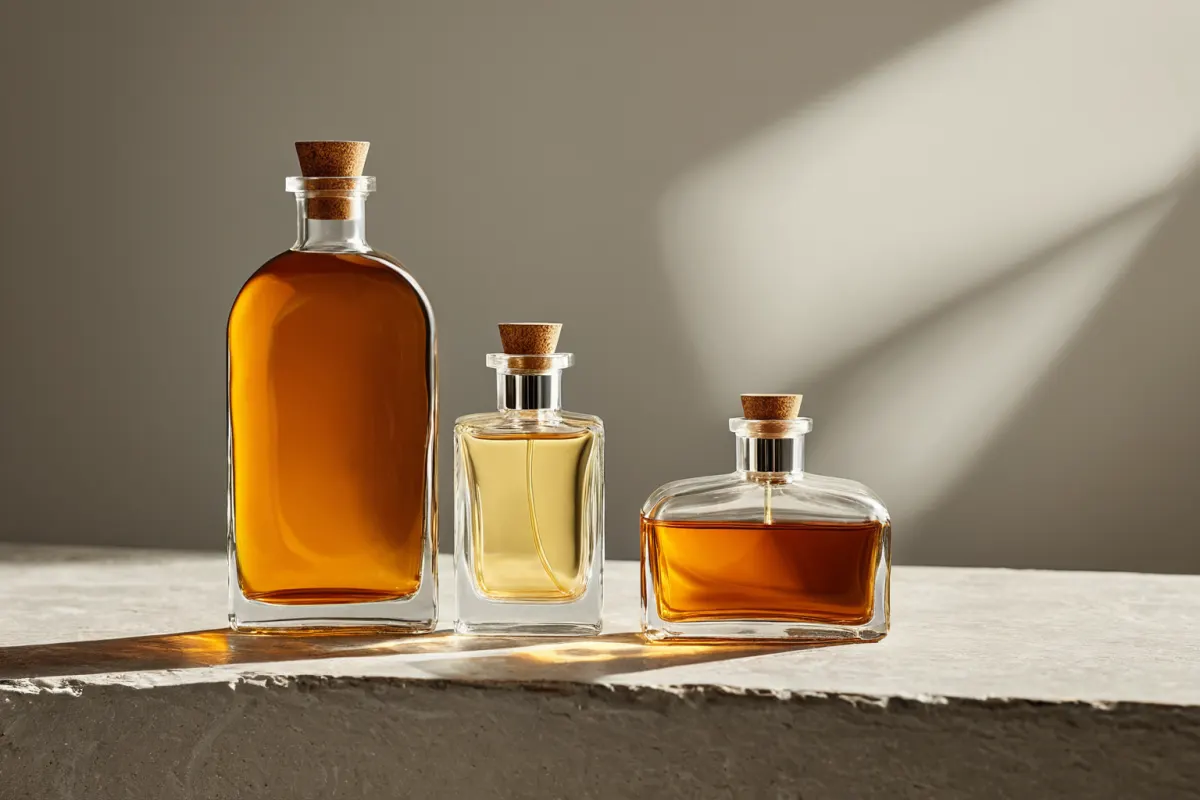
The current separate duty-free limits under Article 48 of the Customs Act Enforcement Regulations are as follows:
- Alcohol: Combined volume up to 2 liters, combined price under $400 USD
- Tobacco: Up to 200 cigarettes (based on roll-your-own)
- Perfume: Up to 100mL per bottle
Alcohol must meet both volume and price requirements. For example, three 700ml bottles total 2.1 liters—exceeding the volume limit. Even two bottles could exceed the $400 price limit if their combined cost is too high. Note that there’s no specific bottle count limit; avoid relying on outdated advice about ‘two bottles’.
Tobacco limits vary by type, so check the official table for details like e-cigarettes or mixed brands. Age restrictions also apply—travelers must be at least 19 years old as of January 1 of their birth year.
The regulations referenced here are based on the July 31, 2026 implementation date, which is when these rules took effect. This does not mean all limits were introduced on that day; they replaced older guidelines. For reference: Customs Act Enforcement Regulations Article 48.
If You Exceed the Limit, Prepare Documentation Before Arrival
1. Match Items with Supporting Documents
When packing your luggage, cross-check actual items against receipts. If you ordered multiple times, create a single list linking each receipt rather than keeping them separate. For alcohol, note both price and bottle volume on the receipt.
2. Submit Paper or Mobile Declaration if Needed
The Customs Service requires travelers with declared items to submit either paper or mobile declarations. Mobile self-declaration allows you to receive a digital notice for payment. If no declaration is needed, you may skip submission—but be aware customs inspections could still occur. Declare any items exceeding limits or those that are unclear before passing through the checkpoint.
3. Follow Instructions After Declaration
Incheon Airport, travelers with declared items are directed to use a ‘Declaration’ passage after submitting their form. Paper declarations can also be completed at the arrival hall. Keep receipts easily accessible for customs officers to verify item details like price and quantity.
When traveling as a family, each person may submit one declaration form—but remember that items should not be arbitrarily split across forms for high-value goods. Always confirm with customs how to declare specific items. For more: Incheon Airport Customs Declaration Guide.
Even Under $800, Some Items Require Special Checks
Duty-free limits and import permissions are separate. The Customs Service clarifies that restricted items (e.g., food or animal products) must meet customs requirements regardless of whether they fall under the duty-free limit.
Never accept items for others without knowing their contents, as travelers may be held responsible if prohibited goods are discovered during transport. If asked to carry something on behalf of someone else, check what it is first.
After finalizing your shopping list, also review any carry-on items for your flight. For Jeju Air passengers: Check battery carry-on rules and packaging procedures.
The official source was confirmed on November 9, 2026. Before departure, double-check the Customs Service and airport guidelines for updates, and bring purchase documentation if unsure about item categorization.
The images in this article were AI-generated for illustrative purposes only.
FAQ
What is the duty-free allowance for travelers entering South Korea?
The basic duty-free allowance is $800 USD per traveler for the total taxable value of items, with separate limits for alcohol, tobacco, and perfume.
Do I need to declare items that exceed the $800 limit?
Yes, if you exceed the $800 limit or have unclear items, prepare documentation before arrival and submit a declaration either in paper or mobile format.
Korean Source
This article is an English localization of a Korean-language report from BlogScore. Original: 한국 입국 면세한도 800달러, 술·향수 계산과 신고 순서