
Korean Central Bank Resumes Gold Purchases: Reasons and Outlook
Background of the Bank of Korea's Gold Purchase Restart
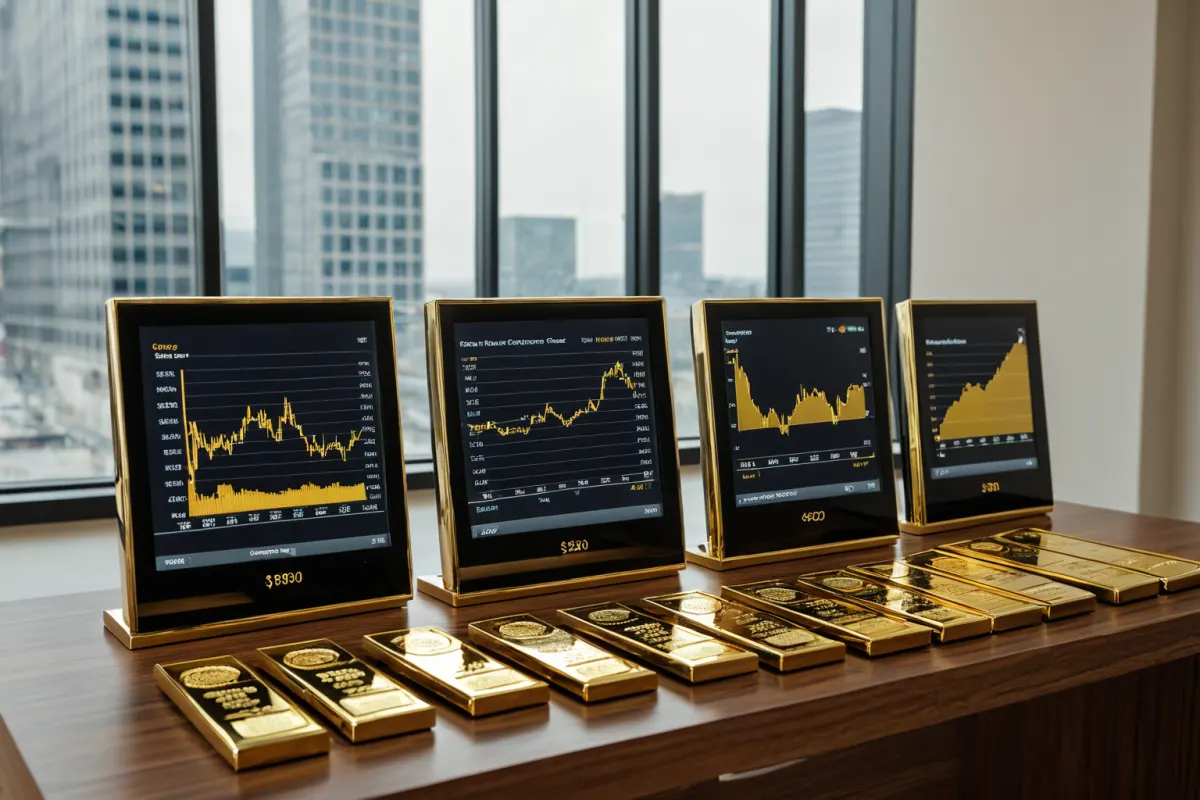
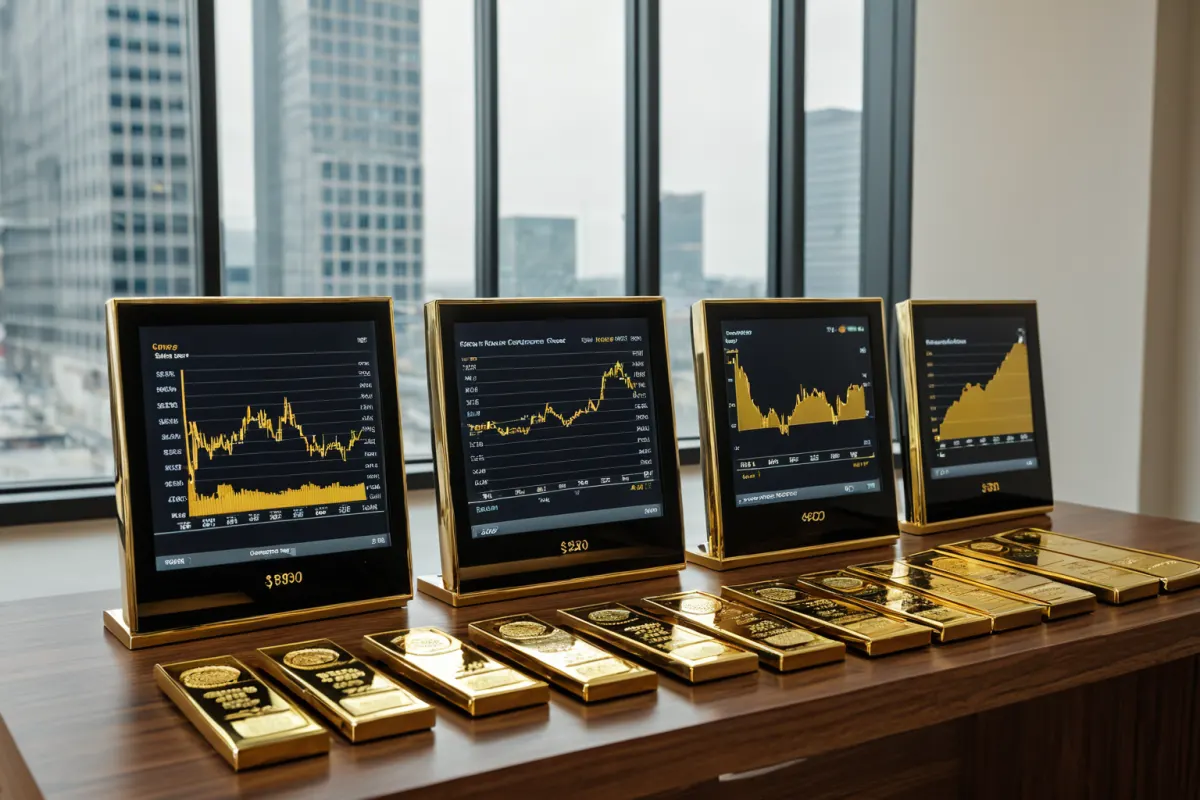
The Bank of Korea has resumed physical gold purchases after a 13-year pause, driven by global gold demand and increased foreign exchange reserves (reaching $427.9 billion). This decision follows a report published on August 3, 2026. The central bank is purchasing domestically produced gold in won and also actively acquiring gold ETFs. The ongoing 'gold rush' in global markets has sustained rising gold prices, attributed to falling U.S. Treasury yields and heightened economic uncertainty leading investors to favor safe-haven assets. This marks the first step in restarting a policy suspended since 2013 as part of broader efforts to diversify foreign exchange reserves.

Rising Gold Prices and Market Response
Gold prices have surpassed 850,000 won per tael, reaching an all-time high. This reflects growing global economic uncertainty and increased investment demand, with gold prices continuing to rise as of July 2026. Particularly, political tensions in the Middle East and concerns about a European Union recession have further boosted gold investment demand. The Bank of Korea's active purchases of gold ETFs have also contributed to a positive market outlook. Gold ETFs are investment products that mirror physical gold prices, with trading volumes increasing by 20% over the past three months—a sign of heightened interest from both individual and institutional investors.
Increase in Foreign Exchange Reserves and Global Competition
Foreign exchange reserves rose to $42.79 billion for July, marking two consecutive months of growth, drawing attention as China continues its 13-month streak of gold purchases. China has maintained the highest level of foreign exchange reserves in a decade while persisting with gold acquisitions, leading the global 'gold rush.' Shifts in U.S. and European monetary policies have accelerated diversification from dollar-centric reserve structures. The Bank of Korea's decision to restart gold purchases aligns with this global trend, aiming to enhance both stability and returns on foreign exchange reserves.
Gold Holdings Ratio and Historical Context
The Bank of Korea's gold holdings ratio remains among the lowest globally, having suspended gold purchases since 2013. The Chosun Ilbo reported on January 12, 2026, about declining gold reserves and the low holding ratio, while Korea AI Real Estate News analyzed the impact of the 2013 policy suspension on January 29, 2026. In 2013, the central bank reduced its gold holdings to maintain a dollar-focused reserve strategy. However, heightened global economic uncertainty has renewed interest in gold as a safe-haven asset, prompting strategic reconsideration.
Decision-Making Process Behind Restarting Gold Purchases
The Energy Economy News reported on October 28, 2025, about the possibility of restarting gold purchases, followed by Seoul Economic News on October 30, 2025, covering medium-term considerations. The Herald Economic News独家reported on June 11, 2026, that the Bank of Korea had completed setting up its gold ETF investment account, and edaily.co.kr announced the central bank's decision to restart gold purchases after 13 years on July 22, 2026. The Bank conducted internal reviews and sought external expert opinions before finalizing this strategic move. It considered rising gold prices and global economic uncertainty while developing a medium-term asset diversification strategy.
Market Outlook and Future Projections
The global 'gold rush' is expected to drive further price increases, with projections of continued growth in 2026. On January 14, 2026, the Chosun Ilbo and Yonhap News Agency reported forecasts predicting gold prices would reach new highs, attributed to political instability in the Middle East and shifts in U.S. monetary policy boosting demand for safe-haven assets. Gold prices are expected to fluctuate over the next year based on global economic indicators and major countries' monetary policies. The Bank of Korea will likely adjust its purchasing strategy flexibly in response to these changes.
Gold Purchase Volume and Unconfirmed Information
The exact volume of gold purchases by the Bank of Korea has not been disclosed. As of August 2026, no specific details about purchase volumes were included in official reports, with some noting that the central bank's strategic planning appears less detailed compared to China. However, the approach through gold ETFs suggests an indirect method of purchasing physical gold while reinforcing its asset diversification strategy. The Bank is expected to share more specific figures and goals in future financial reports or public meetings.
Status of Gold ETF Purchases
The Bank of Korea has already begun acquiring gold ETFs, with the Herald Economic News reporting on June 11, 2026, that it had completed setting up its gold ETF investment account. This demonstrates efforts to increase market accessibility and strengthen asset diversification alongside physical gold purchases. Gold ETFs mirror physical gold price movements and assist investors in managing risk. While specific volumes for the Bank's acquisitions remain undisclosed, analysts predict annual increases of 10-20%.
Comparison with China's Gold Purchase Strategy
China has maintained a 13-month streak of continuous gold purchases, increasing its foreign exchange reserves to a decade-high level and driving global gold demand. In contrast, the Bank of Korea restarted gold purchases after a 13-year suspension in 2013, reflecting a strategic response to economic uncertainty. China aims to reduce dollar dependency through gold acquisitions while diversifying its reserves. The Bank of Korea, however, has opted for a more flexible strategy, adapting to evolving global economic conditions.
Future Outlook for South Korea's Gold Market
Gold prices are expected to continue rising, with further increases anticipated in 2026. However, the exact volume and strategic goals of the Bank of Korea remain unconfirmed, warranting close attention to future market developments. Particularly, global economic indicators and monetary policy shifts will significantly impact gold prices. If the Bank's strategy aims at diversifying foreign exchange reserves and enhancing stability, specific plans are likely to be detailed within 1-2 years.
Information to Verify
The exact figures for the Bank of Korea's gold purchase volume and a precise explanation of the reasons behind the increase have not yet been publicly disclosed. Additional information is expected through future reports, requiring ongoing monitoring of market volatility. Specifically, when details about the central bank's foreign exchange reserve diversification strategy and gold purchase plans are released, it will provide clearer direction for the future of the gold market.
Frequently Asked Questions
When did the Bank of Korea restart physical gold purchases? The Bank resumed physical gold purchases after a 13-year gap, with the decision announced on August 3, 2026.
Why is the Bank of Korea's gold holding ratio among the lowest globally? This is due to the suspension of gold purchases since 2013, which was part of a strategic decision.
What factors have driven the rise in gold prices? Global economic uncertainty and increased investment demand, with gold prices hitting an all-time high as of July 2026.
You can explore more articles on similar topics.
View Related ArticlesFAQ
When did the Bank of Korea restart physical gold purchases?
The Bank resumed physical gold purchases after a 13-year gap, with the decision announced on August 3, 2026.
Why is the Bank of Korea's gold holding ratio among the lowest globally?
This is due to the suspension of gold purchases since 2013, which was part of a strategic decision.
What factors have driven the rise in gold prices?
Global economic uncertainty and increased investment demand, with gold prices hitting an all-time high as of July 2026.
Korean Source
This article is an English localization of a Korean-language report from BlogScore. Original: 한은 금 매입 증가 이유와 전망, 실시간 분석