
Korean Air Reduces Seat Space, Faces Fair Trade Commission Penalties
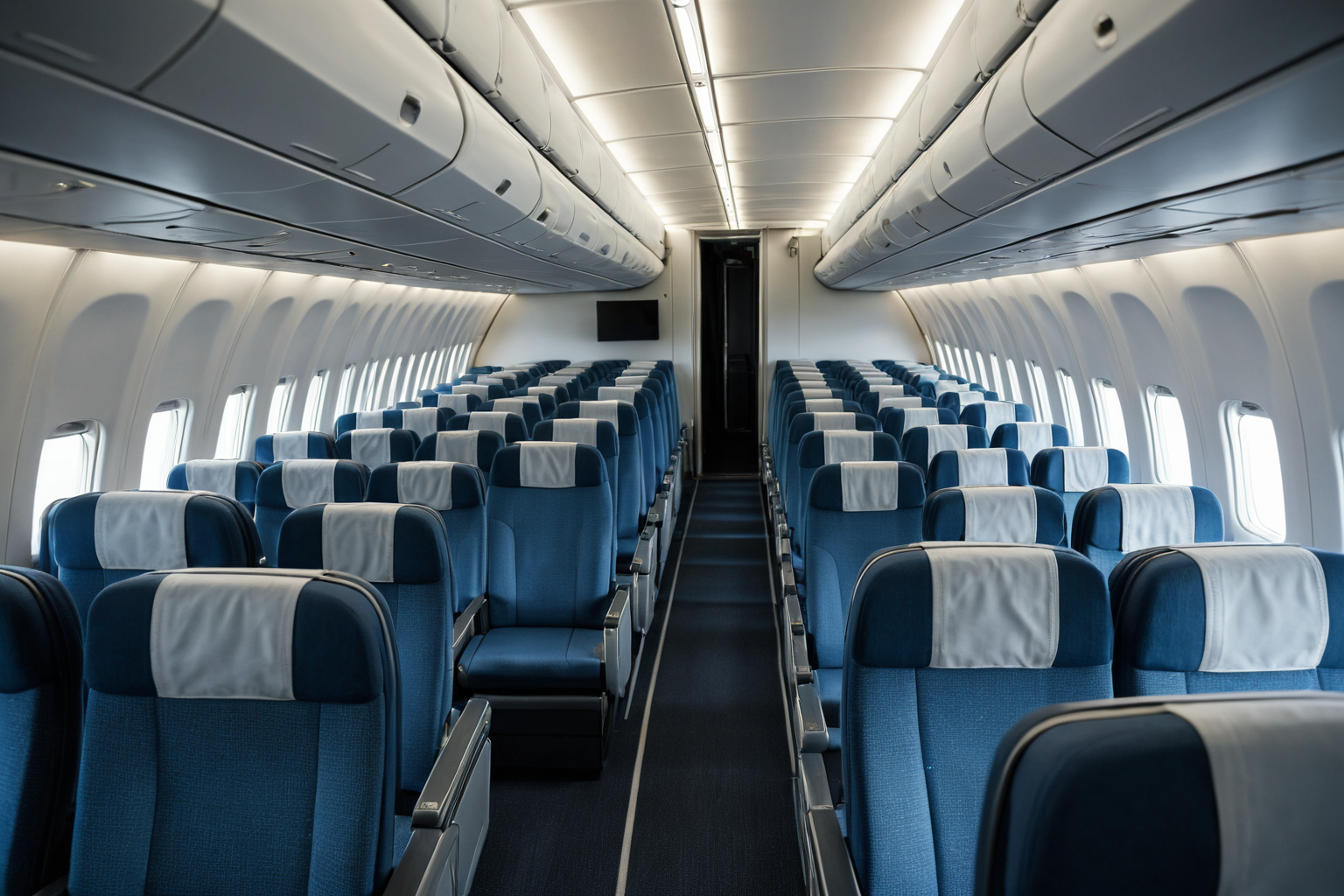
Korean Air Seat Reduction and Fair Trade Commission Penalty Case
Korean Air implemented seat reductions on the Cheongju to Jeju route, leading to penalties including a compliance fine and referral for prosecution from the Fair Trade Commission (FTC). This was confirmed as a violation of the 'seat reduction ban' condition set during Korean Air's merger with Asiana Airlines.
The FTC began its penalty review on September 30, 2026, and has also rejected requests to reduce seats on the Incheon to Guam route. Korean Air previously withdrew its economy class 3-4-3 seating arrangement.
The '59 billion won' report from December 2025 relates to a case where Korean Air failed to comply with an FTC order, as it did not withdraw its seat reduction plan within the specified timeframe for corrective action.
During the merger process between Korean Air and Asiana Airlines, the 'seat reduction ban' was explicitly stated as an important regulation aimed at protecting consumer rights. This condition prevented airlines from altering seat arrangements in ways that could compromise passenger comfort.
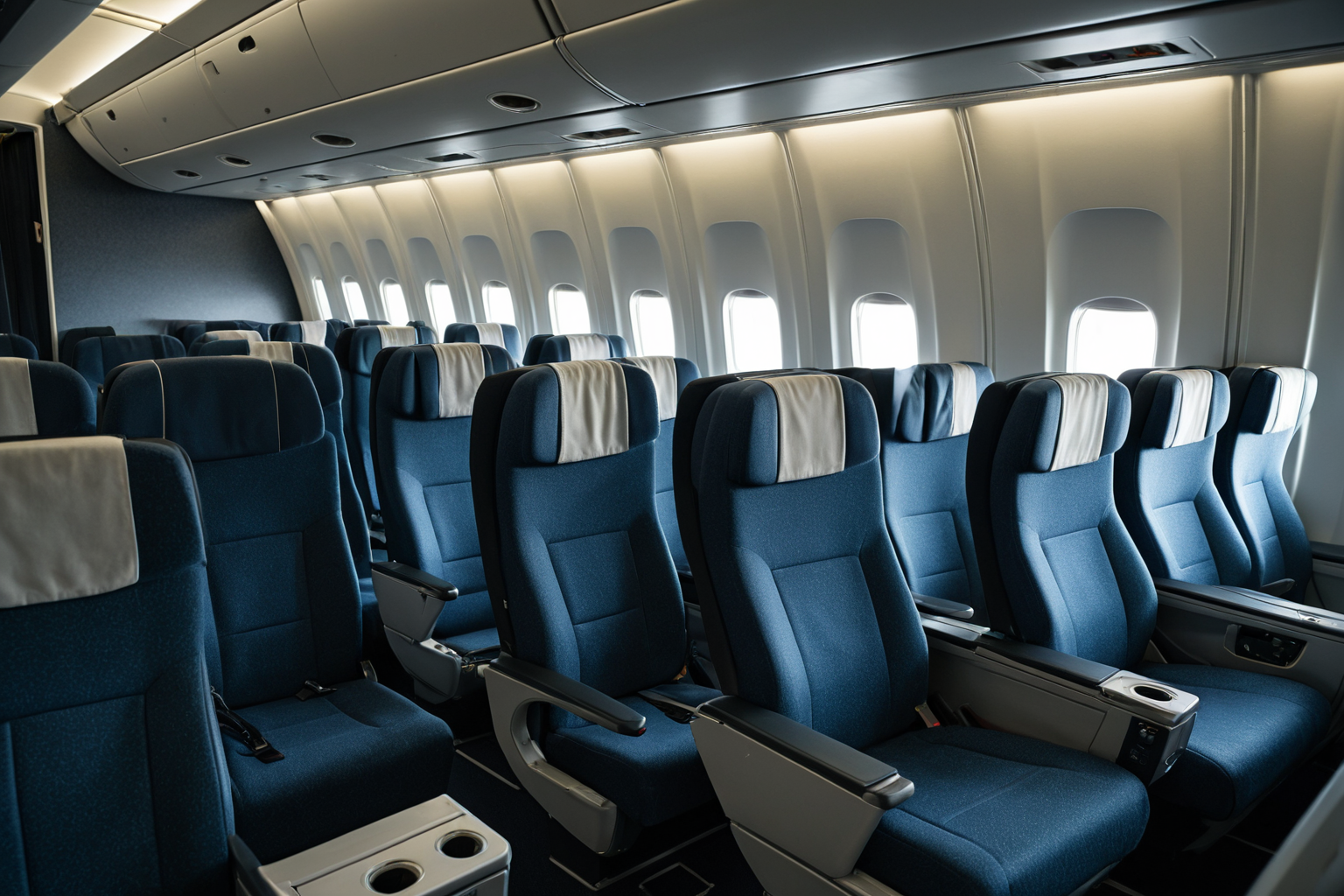
Increasing Consumer Complaints and In-Flight Space Concerns
The seat reduction by Korean Air and Asiana has led to increased consumer complaints, raising concerns about adequate space on flights. The FTC's decision to impose penalties followed its assessment that this practice infringed upon consumer rights.
As reported in December 2025, the '59 billion won' case involved a failure by Korean Air to comply with an FTC directive regarding seat reduction plans. The airline had planned seat reductions but was penalized for not meeting the required corrective action deadline set by the FTC.
Korean Air's decision to reduce seats on the Cheongju to Jeju route was deemed inconvenient for passengers, and the FTC emphasized that airlines should consider passenger convenience and safety when arranging seating.
As a result, Korean Air has withdrawn its economy class 3-4-3 seating arrangement. This move aimed to address consumer complaints and avoid further penalties from the FTC.
Violation of Merger Conditions and Penalty Procedures
Korean Air's three affiliated companies have entered penalty procedures with the FTC for reducing seat numbers on the Cheongju to Jeju route, which appears to violate the 'seat reduction ban' condition set during the merger. The FTC has issued referral opinions against Korean Air and its affiliates and rejected requests to reduce seats on the Incheon to Guam route.
On October 1, 2026, prior to the official consolidation of the Choe Won-tae era, additional referral opinions were added regarding corporate prosecution. The merger between Korean Air and Asiana Airlines was progressing ahead of the 'mega carrier' launch, during which the FTC established various conditions to protect competition among airlines and ensure consumer rights.
Korean Air had planned seat reductions on the Cheongju to Jeju route but faced FTC penalties due to violation of merger terms. This case underscores that airlines must adhere to consumer protection clauses when merging.
Strategies and Player Performances
Why was Korean Air's seat reduction problematic?
Because it violated the 'seat reduction ban' explicitly stated in the merger conditions between Korean Air and Asiana Airlines, which was designed to protect consumer rights.
What are the specific details of the FTC penalties?
Korean Air received compliance fines and corporate prosecution referral, with its request to reduce seats on the Incheon to Guam route also being rejected.
What actions has Korean Air taken?
Korean Air withdrew its economy class 3-4-3 seating arrangement. It was penalized for failing to implement corrective measures regarding its seat reduction plan within the required timeframe.
You can view similar articles on this topic all at once.
View Related ArticlesFAQ
Why was Korean Air's seat reduction problematic?
It violated the 'seat reduction ban' condition set during the merger with Asiana Airlines, which was designed to protect consumer rights and prevent airlines from altering seating arrangements that could compromise passenger comfort.
What penalties did Korean Air face?
The airline received compliance fines and a corporate prosecution referral. It also had its request to reduce seats on the Incheon-Guam route rejected by the FTC.
What actions has Korean Air taken in response?
Korean Air withdrew its economy class 3-4-3 seating arrangement after failing to implement corrective measures within the required timeframe for its seat reduction plan.
Korean Source
This article is an English localization of a Korean-language report from BlogScore. Original: 대한항공 좌석 축소, 탑승자들의 만족도 조사 결과