
Korean Air and Asiana Airlines Merger: Key Pros and Cons for Travelers
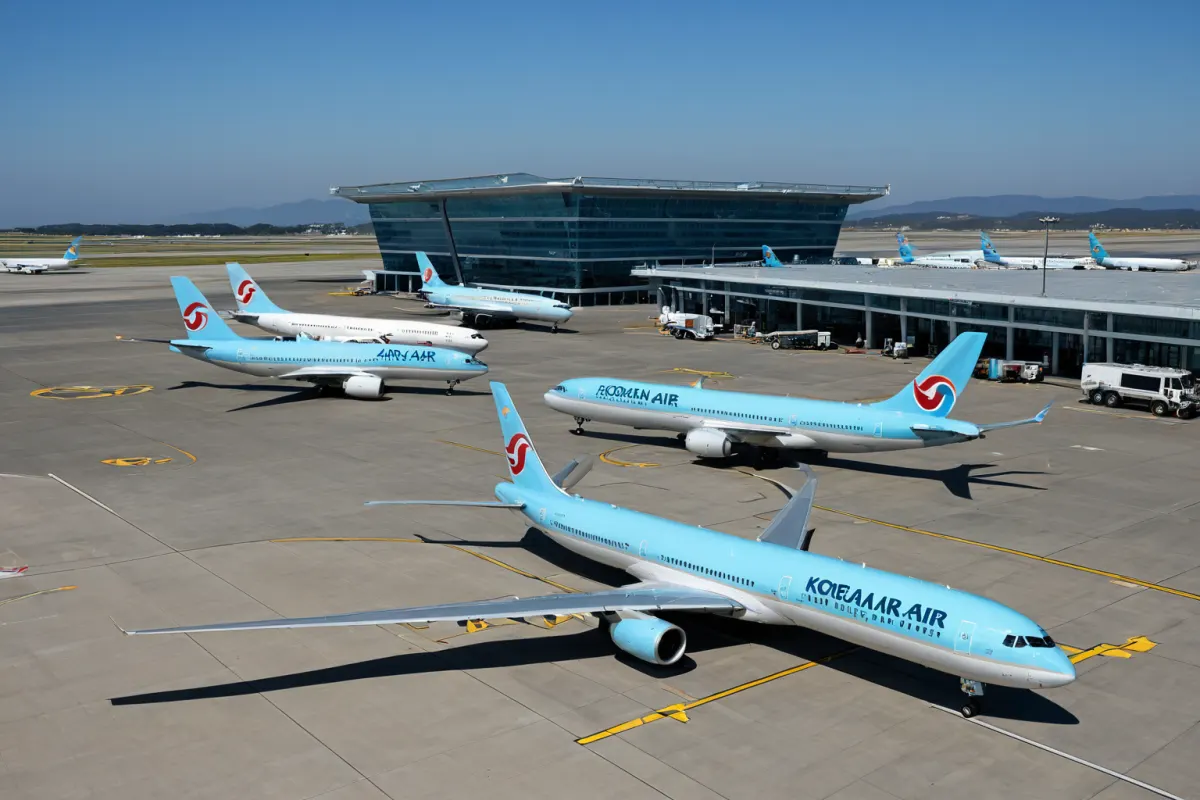
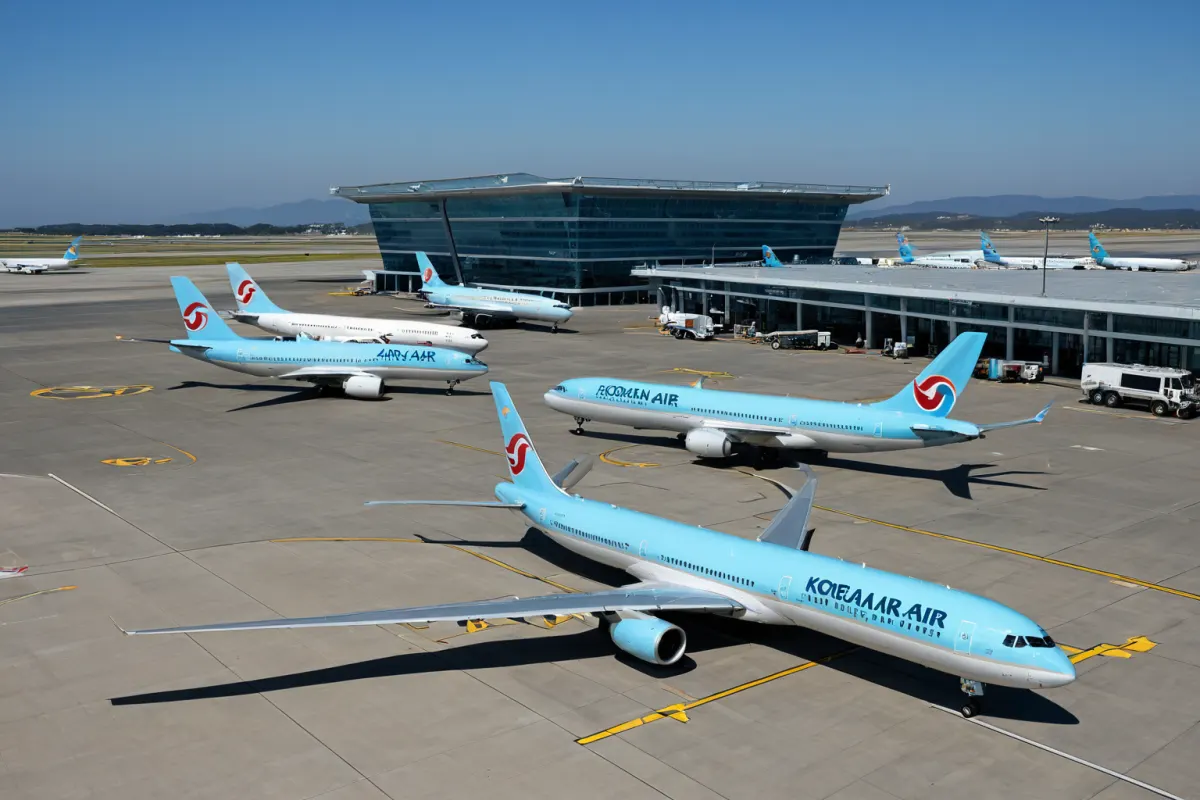
The merger between Korean Air and Asiana Airlines is scheduled for completion by December 2026, aiming to strengthen competitiveness and reduce costs. With the integration underway, route optimization and economies of scale will be fully realized, enhancing Incheon Airport's hub competitiveness. After shareholder approval was completed on August 12, 2026, the 'One Team' system began accelerating, with an additional 45 routes through code-sharing to prepare for mega carrier capabilities.
Completion Date and Key Schedule of Korean Air and Asiana Airlines Merger
The merger between Korean Air and Asiana Airlines is expected to be completed by December 2026. This date has been officially confirmed, with shareholder approval finalized on August 12, 2026, marking the start of the 'One Team' system. The merger process will conclude by the end of 2026.
The merger discussions began in earnest from 2023 onwards, with Chairman Cho Won-tae pushing for full integration into a single team. In December 2025, concerns about wage disparities emerged as a potential obstacle during the merger process.
Benefits of the Merger: Expanded Traveler Choice and Route Optimization
The merger is expected to expand traveler choice through an additional 45 routes and code-sharing. Korean Air and Asiana will reorganize existing routes under the 'One Team' system, creating new pathways to offer consumers more options.
With route optimization and economies of scale fully realized, Incheon Airport's hub competitiveness is anticipated to strengthen. This will help Korean Air enhance its global market competitiveness while leveraging Asiana's established routes and resources to create new growth opportunities.
Drawing Backs of the Merger: Concerns Over Reduced Consumer Choice and Wage Disparities
Asiana Airlines, after 38 years of independent operation since its founding in 1988, is set to conclude with this merger. This has raised concerns about a potential reduction in consumer choice. Some argue that reduced competition following integration could lead to higher prices.
A major obstacle during the merger process has been wage disparities. Asiana employees' average annual salary is reportedly 30 million won lower than Korean Air employees, leading to internal resistance against the merger.
Acquiring Asiana's cargo business also presents challenges regarding licensing and cost burdens, particularly as the cargo acquisition faces difficulties due to costs and regulatory risks.
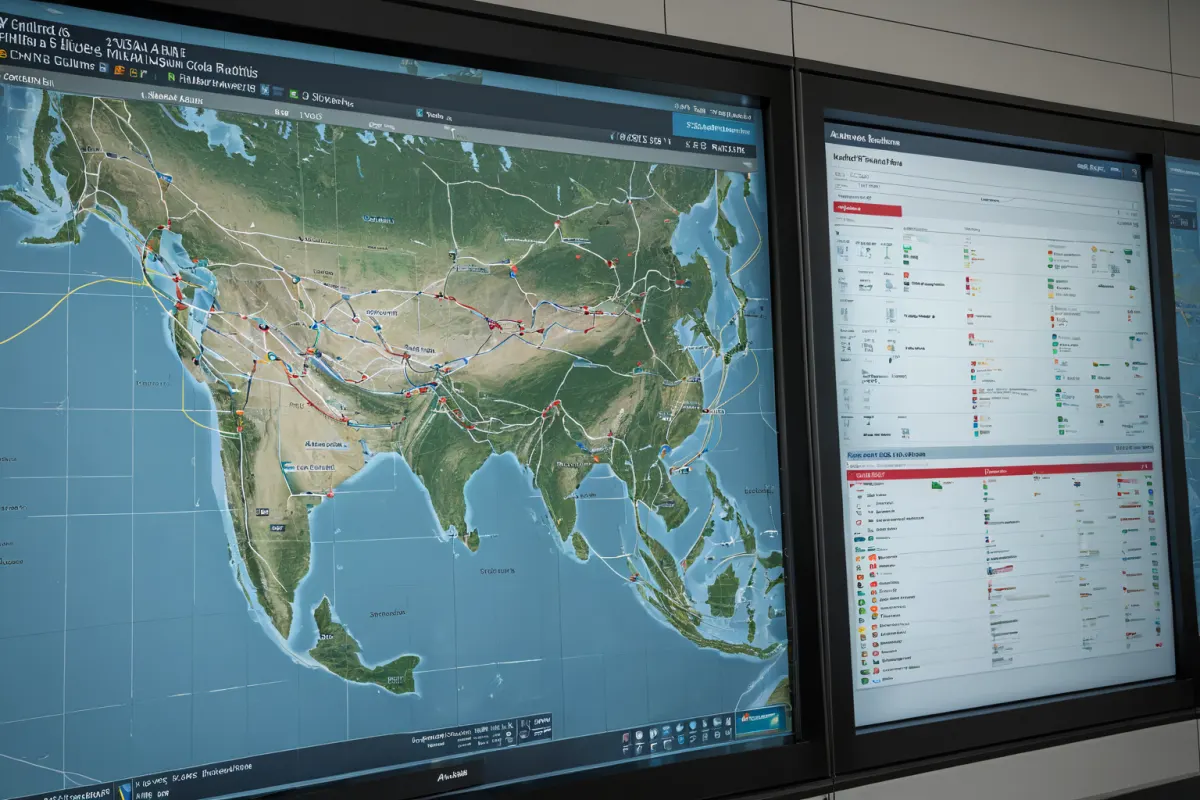
Key Issues and Responses During the Merger Process
Korean Air aims to strengthen competitiveness through the merger, having prepared four solutions for unresolved issues to manage Fair Trade Commission regulatory risks. This strategy seeks to ensure a smooth integration process.
The acquisition of Asiana's cargo business has intensified, revealing strengths and weaknesses among four low-cost carriers (LCCs). This reflects broader market structure changes due to the merger, likely influencing future competition patterns in the aviation industry.
Future Outlook: Strengthening as a Mega Carrier
After completion, Korean Air is expected to establish itself as a 'mega carrier.' With an additional 45 routes through code-sharing and enhanced hub competitiveness at Incheon Airport, it aims to solidify its global market position.
Following shareholder approval, the 'One Team' system accelerated, signaling that the integration of Korean Air and Asiana will go beyond simple merger into a seamless single entity. This represents an important case of structural change in the aviation industry.
Key Facts to Verify: Important Details About the Merger
The merger between Korean Air and Asiana Airlines aims to enhance competitiveness and reduce costs, with discussions beginning as early as 2023 as reported by media outlets such as JoongAng Ilbo. The necessity of the merger has been a topic of discussion since then.
Asiana Airlines operated independently for 38 years since its founding in 1988 but will conclude with this merger in 2026, marking the end of its history. This is an acknowledged fact by both airlines, signifying Asiana's termination.
The wage disparity was one of the most significant challenges during the merger process. According to a December 2025 report by Maeil Business Newspaper, Asiana employees' average annual salary was reportedly 30 million won lower than Korean Air employees.
Frequently Asked Questions
Will airfare prices increase after the merger?
The possibility of price increases due to the merger exists, but no specific pricing adjustments have been announced yet. Cost savings from route optimization and economies of scale might lead to price stability instead.
What will happen to Asiana's cargo business?
The acquisition of Asiana's cargo business faces challenges related to licensing and cost burdens, making it difficult to proceed smoothly. Solutions have yet to be finalized, requiring further updates on this matter.
Will consumer choice decrease due to the merger?
Concerns about reduced consumer choice were raised, but with an additional 45 routes through code-sharing, travelers' options are expected to expand. Therefore, consumers may benefit from more choices rather than fewer.
Conclusion: A New Beginning Through Merger
The merger between Korean Air and Asiana Airlines is set for completion in December 2026. This will be a significant change in the aviation industry, offering travelers various new options.
Although challenges such as wage disparities and licensing issues arose during the process, the 'One Team' system has accelerated following shareholder approval, marking the start of full integration. The merger is expected to enhance Korean Air's global competitiveness while providing better services for travelers, representing an important case of structural change in the aviation industry.
You can explore similar articles on this topic all at once.
View Related ArticlesFAQ
Will airfare prices increase after the merger?
The possibility of price increases exists, but no specific pricing adjustments have been announced. Cost savings from route optimization and economies of scale might lead to price stability.
What will happen to Asiana's cargo business?
Acquisition faces challenges with licensing and cost burdens; solutions are pending.
Will consumer choice decrease due to the merger?
Concerns were raised, but code-sharing through 45 additional routes is expected to expand traveler options.
Korean Source
This article is an English localization of a Korean-language report from BlogScore. Original: 대한항공 아시아나 합병 장단점: 여행객이 알아야 할 5가지