
Understanding the Korea-Mongolia MOU: Background and Key Agreements
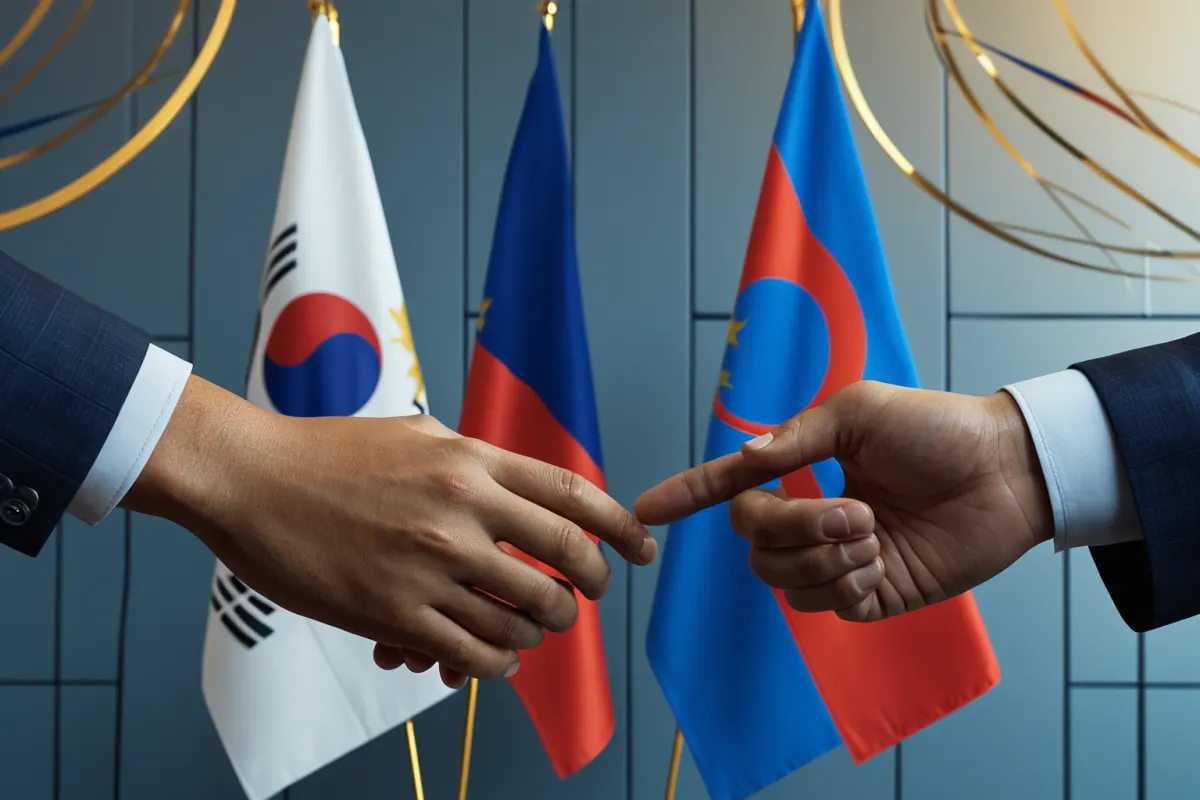
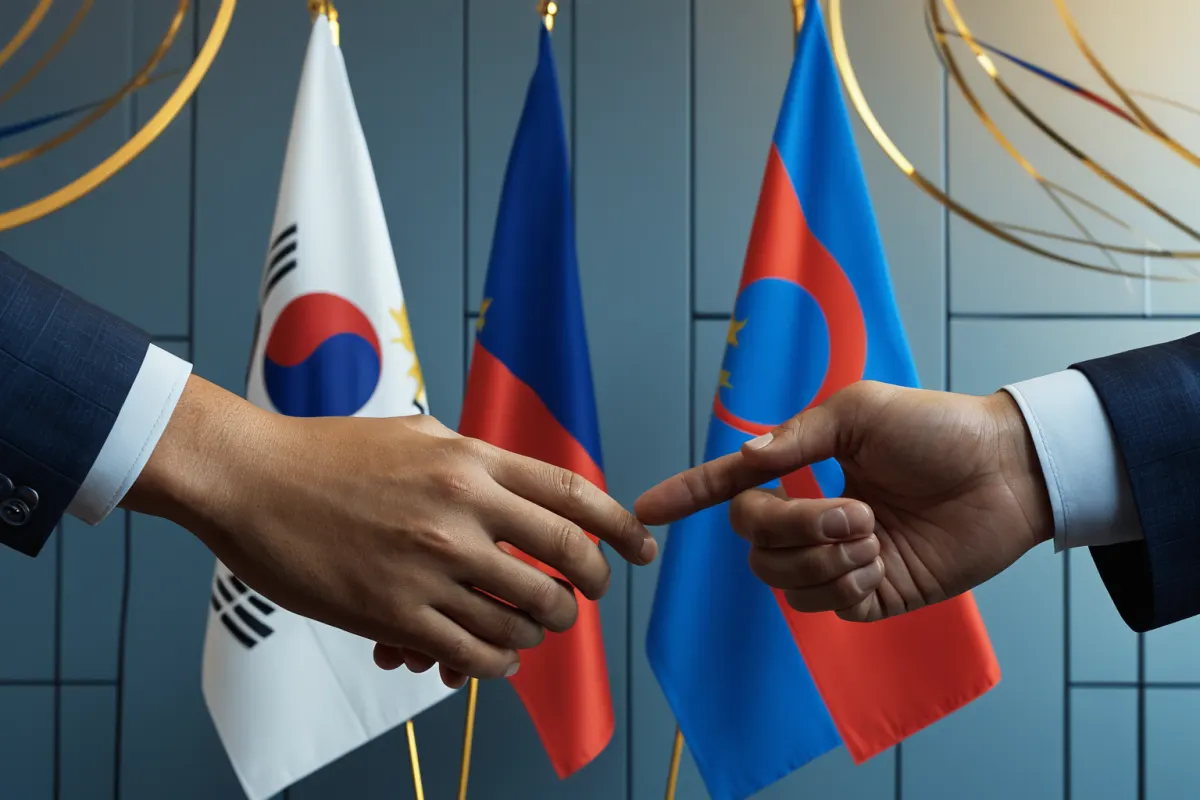
The Korea-Mongolia MOU signifies a formal agreement between both countries to expand cooperation in specific sectors. The most pressing questions are likely "why now?" and "what will actually change?" The core lies in broadening collaboration frameworks in areas like resources, energy, transportation, and human exchanges.
However, an MOU is not legally binding like a formal contract. For actual projects or policies to materialize, follow-up discussions, detailed implementation plans, and budget reviews must occur. Thus, while the title may suggest significant changes, the content positions this as more of a starting point for cooperation.
Background of the Korea-Mongolia MOU
The background of the Korea-Mongolia MOU stems from clear mutual interests: Mongolia possesses abundant mineral resources and vast territory, while South Korea offers technological expertise and industrial experience—creating strong complementary potential.
This alignment coincides with shared challenges in energy transition, supply chain stability, and infrastructure development, increasing the need for bilateral cooperation. Rather than a mere diplomatic event, this reflects a trend toward integrating economic and practical collaboration.
You can explore similar articles on this topic in one place.
View Related ArticlesKey Agreements
The MOU frequently mentions areas such as resource development, energy cooperation, transportation and logistics, environment, health, and educational exchanges. Practical implementation often includes joint research, information sharing, personnel exchange, and exploring business opportunities.
For example, in energy cooperation, South Korean companies may gain more opportunities to participate in Mongolia's renewable energy projects. In transportation and logistics, discussions could focus on optimizing cargo movement. These points typically require further meetings for detailed planning.

What Actually Changes
While the announcement of an MOU might suggest immediate large-scale projects, in reality, it primarily establishes priority areas for cooperation—essentially clarifying "what to discuss first." For businesses, this offers early insight into potential market entry sectors. For governments, it provides clearer channels for collaboration.
However, investment scale, revenue structures, and permit conditions require separate negotiations, so the MOU alone should not be seen as a measure of success.
Underlying Interests of Both Countries
South Korea prioritizes energy supply stability and market expansion, while Mongolia focuses on infrastructure development and industrial diversification. When these interests converge, cooperation opportunities expand significantly.
Mongolia’s resource-based economy means issues like mineral transportation, power grid expansion, and technology transfer frequently arise. South Korea, with strengths in manufacturing, digital technology, healthcare, and education, offers diverse collaboration options.
Real-World Examples
For instance, if a South Korean company is considering solar projects in Mongolia, the MOU could signal an expanded formal channel for discussions with local institutions—but it does not mean construction will begin immediately.
Similarly, educational cooperation might lead to university exchange programs, vocational training, or scholarship initiatives. While these may not show immediate quantitative results, they strengthen long-term relationships over time.
Misunderstandings to Avoid
A common confusion is between an MOU and a binding contract. An MOU confirms mutual intent but lacks the legal enforceability of a formal agreement. Therefore, while the announcement of the Korea-Mongolia MOU is noteworthy, it should not be interpreted as creating immediate legal obligations or investment commitments.
Instead, it serves more as an indicator of potential future directions for cooperation.
What to Watch Next
The true significance lies in follow-up announcements rather than the signing itself. Key indicators include whether a joint committee will be established, the schedule for practical discussions, target project locations, and budget allocations.
Specifically, when governments or relevant agencies release detailed plans, it becomes clear which sectors have received concrete agreements—and only then does real progress become evident.
Frequently Asked Questions
Q1. Does the Korea-Mongolia MOU have legal binding force?
A. Typically, an MOU is a document confirming mutual intent and lacks strong legal enforceability like a formal contract. However, certain clauses may carry practical weight in implementation.
Q2. Will projects start immediately after signing?
A. Usually not. Further discussions, feasibility studies, budget planning, and permit processes are required before actual projects can begin.
Q3. What should general readers focus on?
A. Look for the agreed sectors, upcoming meeting schedules, and specific project names. These three elements help distinguish between a mere declaration and concrete action.
This article is based on publicly available information and media coverage to date; details may vary with further announcements. For the latest updates, refer to official releases.
Continue exploring similar topics.
View Category ArticlesFAQ
Does the Korea-Mongolia MOU have legal binding force?
Typically, an MOU is a document confirming mutual intent and lacks strong legal enforceability like a formal contract. However, certain clauses may carry practical weight in implementation.
Will projects start immediately after signing?
Usually not. Further discussions, feasibility studies, budget planning, and permit processes are required before actual projects can begin.
What should general readers focus on?
Look for the agreed sectors, upcoming meeting schedules, and specific project names. These three elements help distinguish between a mere declaration and concrete action.
Korean Source
This article is an English localization of a Korean-language report from BlogScore. Original: 한-몽골 MOU 체결 배경과 주요 합의 내용