
How Will the Korea-Mongolia CEPA Agreement Change Tariffs and Customs Procedures?
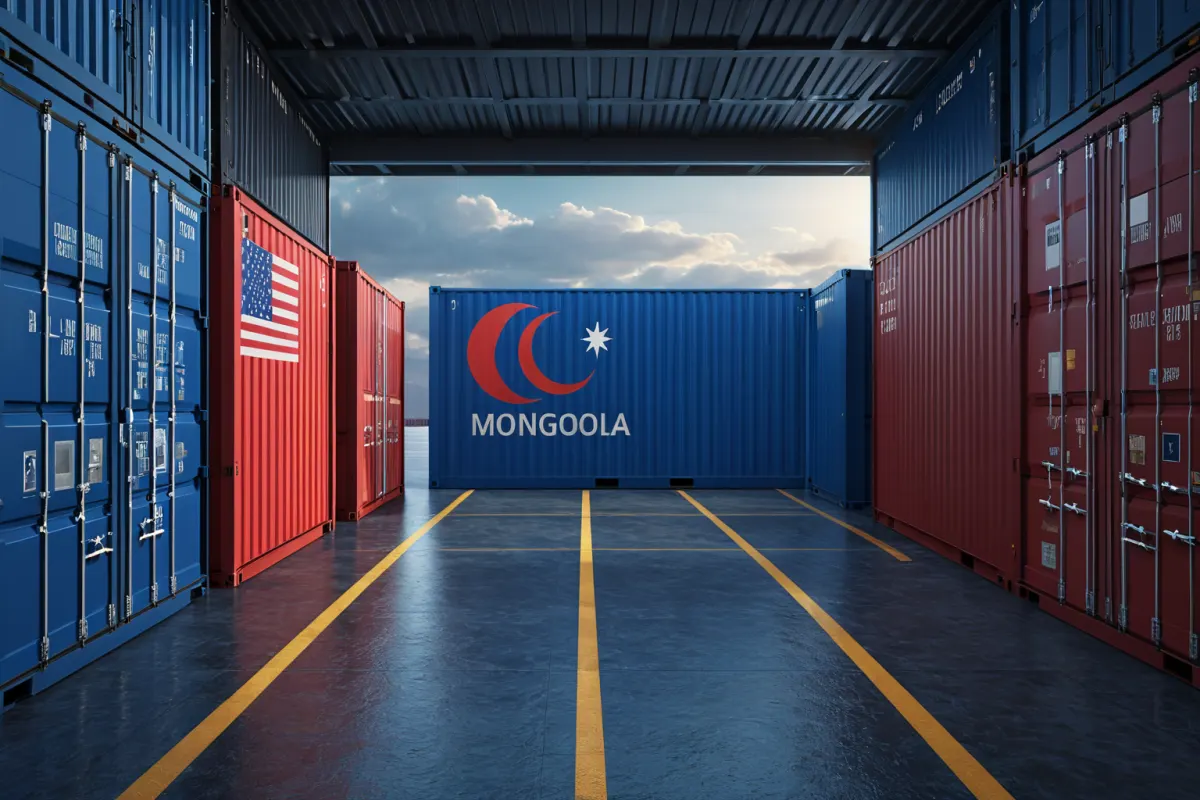
The core of the Korea-Mongolia CEPA agreement is that trade barriers between South Korea and Mongolia will gradually decrease, with some products seeing simplified tariffs and customs procedures. However, not all goods will become duty-free immediately; the actual benefits depend on product-specific origin criteria and implementation schedules.
Especially in export-import operations, it's more important to know "what documents are needed to qualify for benefits" than simply "how much cheaper it will be." While customs procedures may speed up after CEPA takes effect, insufficient origin documentation could result in standard tariffs being applied instead, making preparation key.
What Changes First After the Korea-Mongolia CEPA Agreement?
The most noticeable change is tariff reductions. Previously, general tariff rates applied when importing goods from partner countries, but after CEPA takes effect, eligible products will see gradual rate reductions. For exporters, this improves price competitiveness; for importers, it lowers production costs.
Customs procedures now place greater emphasis on origin verification. To qualify for preferential tariffs, simply stating that goods came from Mongolia isn't enough—they must meet the production criteria set by the agreement. In practice, commercial invoices, certificates of origin, and shipping documents must align with each other, and additional checks may be required depending on the product.
For example, a company exporting Korean food ingredients to Mongolia might find that local distributors first ask "how much tariff has been reduced" rather than focusing on price cuts. If origin documentation is well-prepared, it becomes easier to apply preferential tariffs, improving negotiation conditions for the business.
You can find similar articles in one place.
View Related ArticlesWhich Products Will See Tangible Tariff Reductions?
CEPA does not apply to all products at once; instead, reduction levels and timelines vary by product category. As a result, the actual impact differs significantly across sectors like agricultural products, processed foods, light industrial goods, and components.
The key point is that you shouldn't assume "everything is now duty-free" just because the agreement was announced. Some products will see immediate reductions, while others will gradually decrease over several years. Additionally, some sensitive items may be excluded, so it's essential to check product-specific tariff schedules before finalizing trade agreements.
For instance, companies importing raw materials from Mongolia for domestic processing should first verify tariff rates at the time of import declaration rather than focusing solely on tariff reductions. Conversely, businesses exporting finished products to Mongolia need to confirm how much tariffs have decreased in local pricing to shape effective sales strategies.

Key Changes in Customs Procedures
While there's anticipation that customs will simplify under CEPA, the reality is that document accuracy becomes even more critical. Customs authorities assess origin, product classification, and shipping routes when applying preferential rates—meaning while processing may speed up, inadequate preparation could lead to more follow-up requests.
A common oversight is incorrect product classification. Even if products appear similar, different HS codes can change applicable tariffs and whether they qualify for the agreement. For example, processed foods versus raw agricultural products, or electronic components versus assembled finished goods, require distinct verification standards from the start.
Another important point is post-import verification of origin. Even after preferential rates are applied, customs may verify document authenticity later. Keeping incomplete records could cause issues down the line, so in practice, businesses should maintain a complete set of documents including contracts, invoices, and production evidence together.
Essential Documents for Exporters and Importers
New businesses using CEPA might find it complex at first, but in reality, having just a few key documents properly prepared is sufficient. Typically, commercial invoices, certificates of origin, packing lists, and shipping documents are required; depending on the product, additional items like ingredient sheets or production process documentation may be needed.
For example, when exporting cosmetic raw materials from Korea to Mongolia, it's better to prepare supporting documents explaining origin criteria rather than just sending product photos. Especially for parts combinations or simple packaging where origin determination might be ambiguous, having clear documentation of the production stage can make customs procedures smoother.
The same applies to small businesses importing raw materials from Mongolia. From the contract phase onward, they should confirm whether preferential tariffs apply and check if their trading partner has experience issuing origin documents—this helps avoid costly back-and-forth later. After all, customs clearance ultimately depends on documentation.
Key Points to Verify in Real Transactions
The Korea-Mongolia CEPA agreement announcement may not immediately translate into visible changes in practice. This is because the agreement's effective date, tariff reduction timelines, and product-specific exclusions vary. Therefore, it's necessary to confirm whether benefits apply immediately before finalizing contracts.
Shipping routes also matter. Preferential treatment usually requires direct shipping; if goods pass through a third country, documentation may become unclear, making it harder to qualify for preferential rates. In practice, informing carriers and freight forwarders early that the shipment qualifies as CEPA-covered is recommended.
For example, when Mongolian buyers order products from Korea based solely on price without confirming tariff benefits, unexpected higher total costs might arise later due to non-application of preferential tariffs. Conversely, exporters who prepare origin criteria and documentation upfront can directly connect CEPA benefits to improved price competitiveness.
Changes for Individual Consumers and Small Businesses
The Korea-Mongolia CEPA is not just about large corporations; small importers or online sellers can also benefit from the agreement. However, consumers may not see significant price drops since reduced tariffs are offset by logistics costs, VAT, and local distribution expenses.
Small businesses, however, stand to gain more in inventory management. Lower tariff burdens make it easier to adjust initial order quantities and reduce pricing volatility risks. That said, qualifying for benefits requires careful attention from supplier selection through documentation handling—so checking with customs experts or professionals during the first few transactions can help avoid mistakes.
A common question is "Can I now import Mongolian products at lower prices immediately?" The answer depends on conditions: products must be covered by CEPA, meet origin requirements, and the effective date must have passed. Only when all three align will expected benefits materialize.
Practical Ways to Utilize the Korea-Mongolia CEPA
The most practical approach is to break down the agreement by product category first. Instead of reading general terms, businesses should focus on their specific HS codes, tariff change timelines, and origin criteria for accurate application. This avoids wasting time on products that don't qualify.
Second, clearly divide responsibilities with business partners. Exporters handle origin verification; importers manage customs declarations and tariff applications. Smaller companies often struggle with unclear document responsibility—so creating a single checklist can help streamline the process.
Third, test the process with small initial shipments before scaling up. Start with smaller quantities to verify customs procedures, check for missing documents or classification issues, then expand once everything runs smoothly. After all, CEPA benefits work best when documentation is complete.
FAQ
Q1. Does the Korea-Mongolia CEPA mean immediate duty-free status?
No. Tariff reductions vary by product and timeline; some items may have exceptions.
Q2. Will customs procedures automatically speed up?
No. Accuracy in documentation is required for faster processing. Incorrect origin certificates or misclassified products could increase verification time.
Q3. Can small importers benefit from the agreement?
Yes, but they need to carefully match trading partner documents and origin requirements—especially during first transactions.
The Korea-Mongolia CEPA is more than just a diplomatic announcement; it will shape future trade costs and customs procedures between South Korea and Mongolia. However, its actual impact depends on implementation schedules, product-specific tariffs, and origin documentation, so staying updated with the latest agreement status is advisable.
Continue exploring similar topics.
View Category ArticlesFAQ
Does the Korea-Mongolia CEPA mean immediate duty-free status?
No. Tariff reductions vary by product and timeline; some items may have exceptions.
Will customs procedures automatically speed up?
No. Accuracy in documentation is required for faster processing. Incorrect origin certificates or misclassified products could increase verification time.
Can small importers benefit from the agreement?
Yes, but they need to carefully match trading partner documents and origin requirements—especially during first transactions.
Korean Source
This article is an English localization of a Korean-language report from BlogScore. Original: 한몽골CEPA타결 후 관세·통관 변화는?