
Kim Yun-deok and the Hydrogen Ecosystem: A Cornerstone of Future Energy Innovation
Current Status of Kim Yun-deok's Hydrogen Ecosystem Development
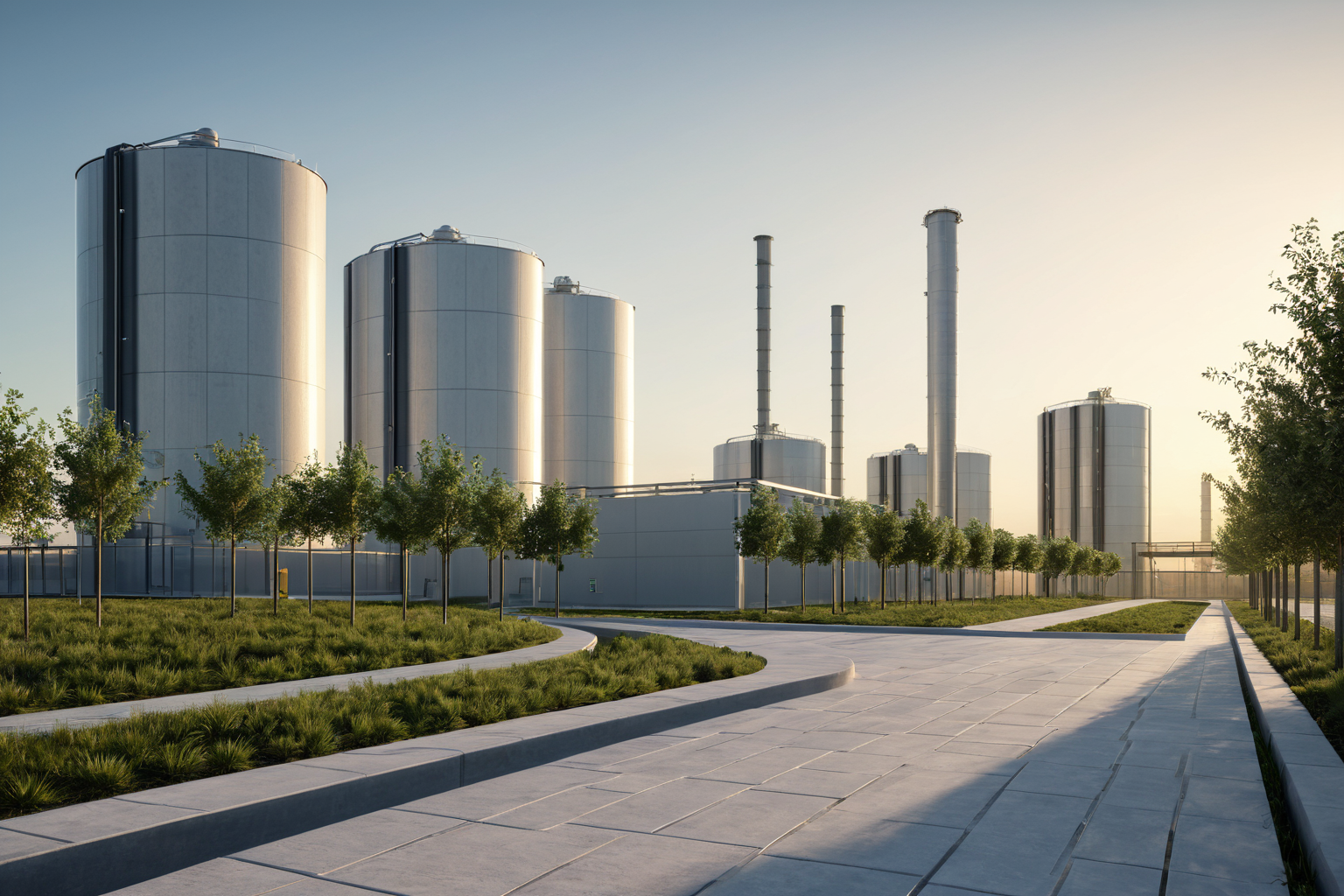
Minister of Land, Infrastructure and Transport Kim Yun-deok is leading the development of a hydrogen ecosystem across Jeollabuk-do province and Saemangeum. During an on-site inspection of Bu-an Hydrogen City on August 15, 2026, he personally examined green hydrogen production facilities, emphasizing the need to build a 'hydrogen economy model' that connects production to utilization.
Bu-an Hydrogen City: A Comprehensive Ecosystem for Green Hydrogen Production and Application
Bu-an Hydrogen City is building an integrated ecosystem from green hydrogen production to application. On August 14, 2026, Minister Kim inspected the green hydrogen production facilities at Bu-an Hydrogen City, stating that it 'connects production to utilization.' This signifies linking sustainable hydrogen production with efficient use—a core principle of the hydrogen economy model.
Bu-an Hydrogen City is establishing a comprehensive ecosystem based on cooperation between the government and private enterprises. Green hydrogen produced here is being utilized across industrial and residential sectors within the region. As the only case nationwide, it is expected to become a benchmark for practical implementation and expansion of hydrogen energy.
9 Trillion Won Investment in Saemangeum: Collaboration with Hyundai Motor Group
On April 30, 2026, Minister Kim accepted Hyundai Motor Group's plan to invest 9 trillion won in establishing a robotics, AI, and hydrogen energy innovation hub in Saemangeum. This is a key strategy for developing Saemangeum into a center of future energy innovation.
Hyundai Motor Group announced its plan to build the Saemangeum Robotics, AI, and Hydrogen Innovation Hub on February 27, 2026. The initiative perfectly aligns with Minister Kim's efforts to develop a hydrogen ecosystem. Hyundai's investment is not just about technology development but aims to create new markets by combining hydrogen energy with robotics and AI technologies.
Visit to China: Strengthening Global Cooperation for the Hydrogen Ecosystem
On June 7, 2026, Minister Kim visited hydrogen ecosystems in Beijing and Inner Mongolia, China. This visit was part of a broader strategy to strengthen global cooperation for Saemangeum development and investment attraction, aiming to share technology and experience with China's hydrogen industry clusters.
After inspecting the hydrogen ecosystem sites in Beijing and Inner Mongolia on June 7–8, Minister Kim decided to accelerate the推进 of Saemangeum AI and Hydrogen City. By referencing China's hydrogen industry experience, Saemangeum aims to build a more systematic and efficient hydrogen ecosystem.
This international cooperation is seen as a strategic move beyond technology transfer, aiming to secure competitiveness in global markets. Collaboration with China is expected to contribute to leading the standardization of the global hydrogen industry.
Naver 1784: On-site Demonstration of Robotics, AI, and Hydrogen Innovation
On May 28, 2026, Minister Kim demonstrated 'ARC,' 'Lucky,' and 'Nuri' robots at Naver 1784. This event highlighted the integration of hydrogen energy with robotics and AI technologies as a key focus for future technological development.
The demonstration showcased the practical potential of hydrogen-powered robotics, emphasizing that the hydrogen ecosystem is evolving beyond just energy supply to become a foundation for new industrial innovation. The convergence of hydrogen technology with AI and robotics is becoming essential for realizing smart cities in the future.
Strategic Significance of Building the Hydrogen Ecosystem
Minister Kim's efforts to build a hydrogen ecosystem are not merely policy initiatives but represent a national strategy for energy transition. This approach aims to increase South Korea's energy independence, contribute to achieving carbon neutrality goals, and create new jobs while securing economic growth.
The specific cases of Bu-an Hydrogen City and Saemangeum demonstrate that hydrogen energy can move beyond theory into practical industrialization. The government-led development of the hydrogen ecosystem is progressing effectively through collaboration with private enterprises.
Future Outlook: Global Leadership in the Hydrogen Ecosystem
Thanks to Minister Kim's efforts, South Korea has a high potential to secure global leadership in the hydrogen industry. By strengthening cooperation with China, South Korea aims to close the technological gap and pioneer new markets.
The August 16, 2026 issue of Hydrogen News reported that Bu-an Hydrogen City had established a 'hydrogen economy model.' This indicates successful collaboration between government and private enterprises, with nationwide expansion expected in the future.
Future development of the hydrogen ecosystem is likely to transcend regional examples and become a global standard. To achieve this, further strengthening of cooperation between government and private enterprises will be necessary.
Main Issues in Hydrogen Ecosystem Development
Minister Kim's efforts to build the hydrogen ecosystem are being closely watched from multiple perspectives. First, the successful implementation of a government-private enterprise cooperation model is noteworthy. Accepting Hyundai Motor Group's 9 trillion won investment plan is seen as an important example for encouraging private sector participation.
Second, the comprehensive approach to green hydrogen production and utilization is gaining attention. Bu-an Hydrogen City is not merely producing hydrogen but building a system that efficiently uses it across industrial and residential sectors within the region.
Third, strengthening global cooperation plays a key role. The visit to China's hydrogen ecosystems in Beijing and Inner Mongolia reflects a strategic approach to incorporate experience and technology into Saemangeum development.
Challenges in Hydrogen Ecosystem Development
Naturally, several challenges exist in building the hydrogen ecosystem. First, the speed of technological development and industrialization must be increased. Efficient production and storage technologies for hydrogen are still under development, which may delay practical industrialization.
Second, continuous engagement from private enterprises is needed. While Hyundai's 9 trillion won investment plan showed significant early success, long-term growth requires more private sector participation.
Third, enhancing competitiveness in global markets is essential. South Korea must differentiate its hydrogen industry through unique technologies and services amid competition with countries like China.
Direction for Expanding the Hydrogen Ecosystem
The success of Bu-an Hydrogen City and Saemangeum is expected to lead to nationwide expansion. The government plans to apply this model to other regions, supporting the national-level dissemination of hydrogen energy.
Additionally, the integration of hydrogen energy with robotics and AI technologies has high potential to create new industries. This goes beyond simple energy supply, offering broader applications in areas like smart city development.
Verified Information
More accurate information about Minister Kim's efforts can be confirmed through official websites of the Ministry of Land, Infrastructure and Transport and related media reports. Specific details regarding on-site inspections at Bu-an Hydrogen City and investment plans for Saemangeum require further verification.
Information about Minister Kim's visit to China’s hydrogen ecosystems in Beijing and Inner Mongolia can be obtained through official announcements from Chinese government and companies. These global cooperation cases will serve as important references for future development of the hydrogen industry.
Frequently Asked Questions
How does Bu-an Hydrogen City produce and utilize green hydrogen?
Bu-an Hydrogen City produces green hydrogen through government-private enterprise collaboration, utilizing it efficiently across industrial and residential sectors within the region.
What is the purpose of Hyundai Motor Group's 9 trillion won investment in Saemangeum?
The 9 trillion won investment by Hyundai Motor Group aims to establish a robotics, AI, and hydrogen energy innovation hub. This strategy combines hydrogen energy with robotics and AI technologies to create new markets.
How will cooperation with China impact South Korea's hydrogen industry?
Cooperation with China is expected to lead global standardization of the hydrogen industry and help close technological gaps. By referencing China’s experience, Saemangeum can build a more systematic and efficient hydrogen ecosystem.
Frequently Asked Questions
Why is Minister Kim's effort significant?
Minister Kim's efforts represent a national strategy for energy transition. The success of Bu-an Hydrogen City and Saemangeum demonstrates that hydrogen energy can move from theory to practical industrialization, with successful government-private enterprise collaboration.
What is the future outlook for South Korea in the hydrogen industry?
South Korea has a high potential to secure global leadership in the hydrogen industry. This will contribute to achieving carbon neutrality goals while creating new jobs and driving economic growth. The hydrogen ecosystem will go beyond solving energy issues, contributing to building future smart cities and innovative industrial structures.
You can view more articles on similar topics at once.
View Related ArticlesFAQ
How does Bu-an Hydrogen City produce and utilize green hydrogen?
Bu-an Hydrogen City produces green hydrogen through government-private enterprise collaboration, utilizing it efficiently across industrial and residential sectors within the region.
What is the purpose of Hyundai Motor Group's 9 trillion won investment in Saemangeum?
The 9 trillion won investment by Hyundai Motor Group aims to establish a robotics, AI, and hydrogen energy innovation hub. This strategy combines hydrogen energy with robotics and AI technologies to create new markets.
How will cooperation with China impact South Korea's hydrogen industry?
Cooperation with China is expected to lead global standardization of the hydrogen industry and help close technological gaps. By referencing China’s experience, Saemangeum can build a more systematic and efficient hydrogen ecosystem.
Why is Minister Kim's effort significant?
Minister Kim's efforts represent a national strategy for energy transition. The success of Bu-an Hydrogen City and Saemangeum demonstrates that hydrogen energy can move from theory to practical industrialization, with successful government-private enterprise collaboration.
What is the future outlook for South Korea in the hydrogen industry?
South Korea has a high potential to secure global leadership in the hydrogen industry. This will contribute to achieving carbon neutrality goals while creating new jobs and driving economic growth. The hydrogen ecosystem will go beyond solving energy issues, contributing to building future smart cities and innovative industrial structures.
Korean Source
This article is an English localization of a Korean-language report from BlogScore. Original: 김윤덕 수소 생태계: 미래 에너지 혁신의 핵심