
Kim Yo-jong's UFS Reduction Remarks and Shifting International Relations
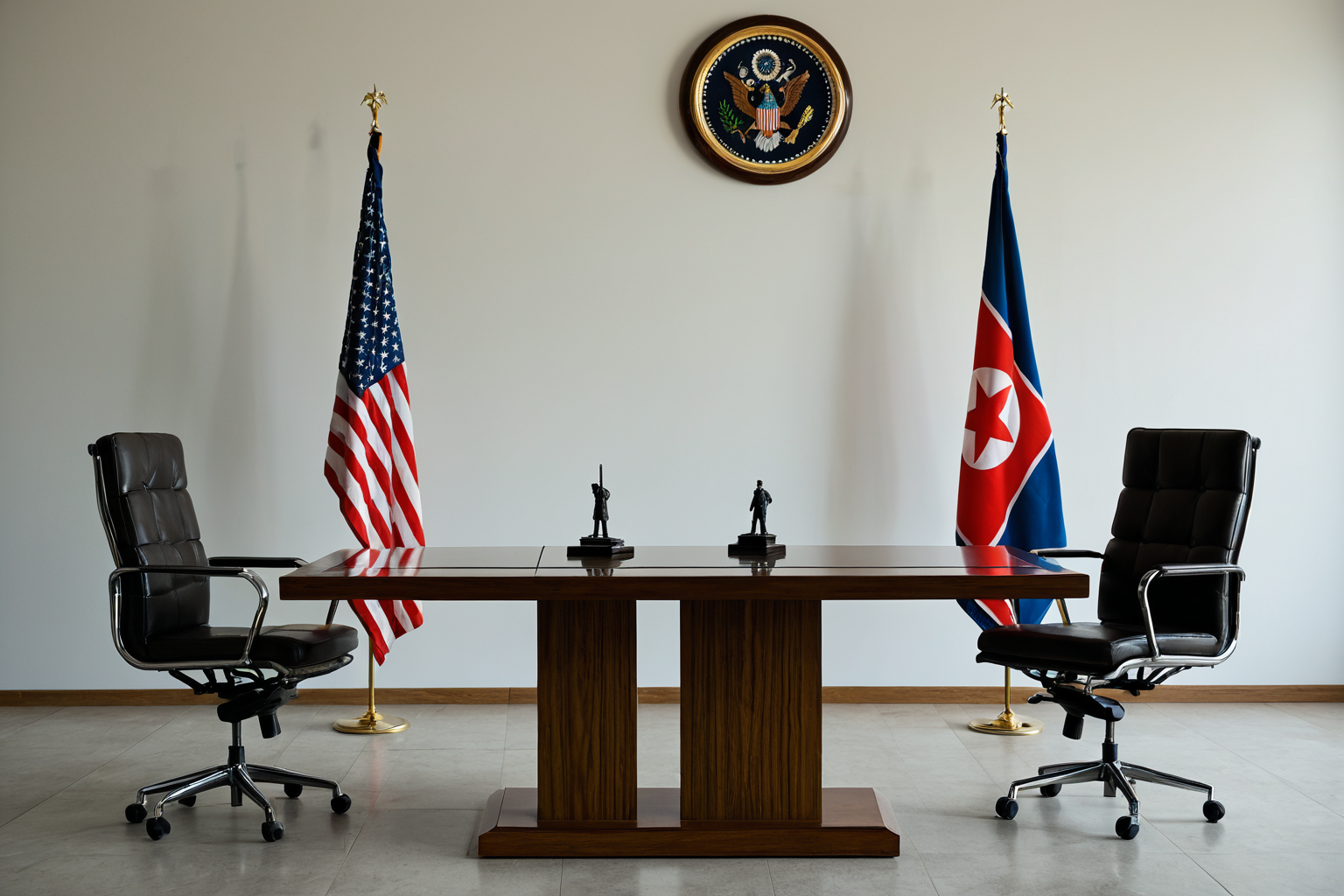
Kim Yo-jong's UFS Reduction Comments and North Korea's Dual Strategy
North Korean official Kim Yo-jong sarcastically referred to South Korea as being in a 'humiliating position' after the reduction of US-South Korean military exercises (UFS), while also launching over ten ballistic missiles in a single day. This dual approach reflects North Korea's strategic concerns and complex response to both the potential resumption of US-North Korea talks and America's 'love call.'
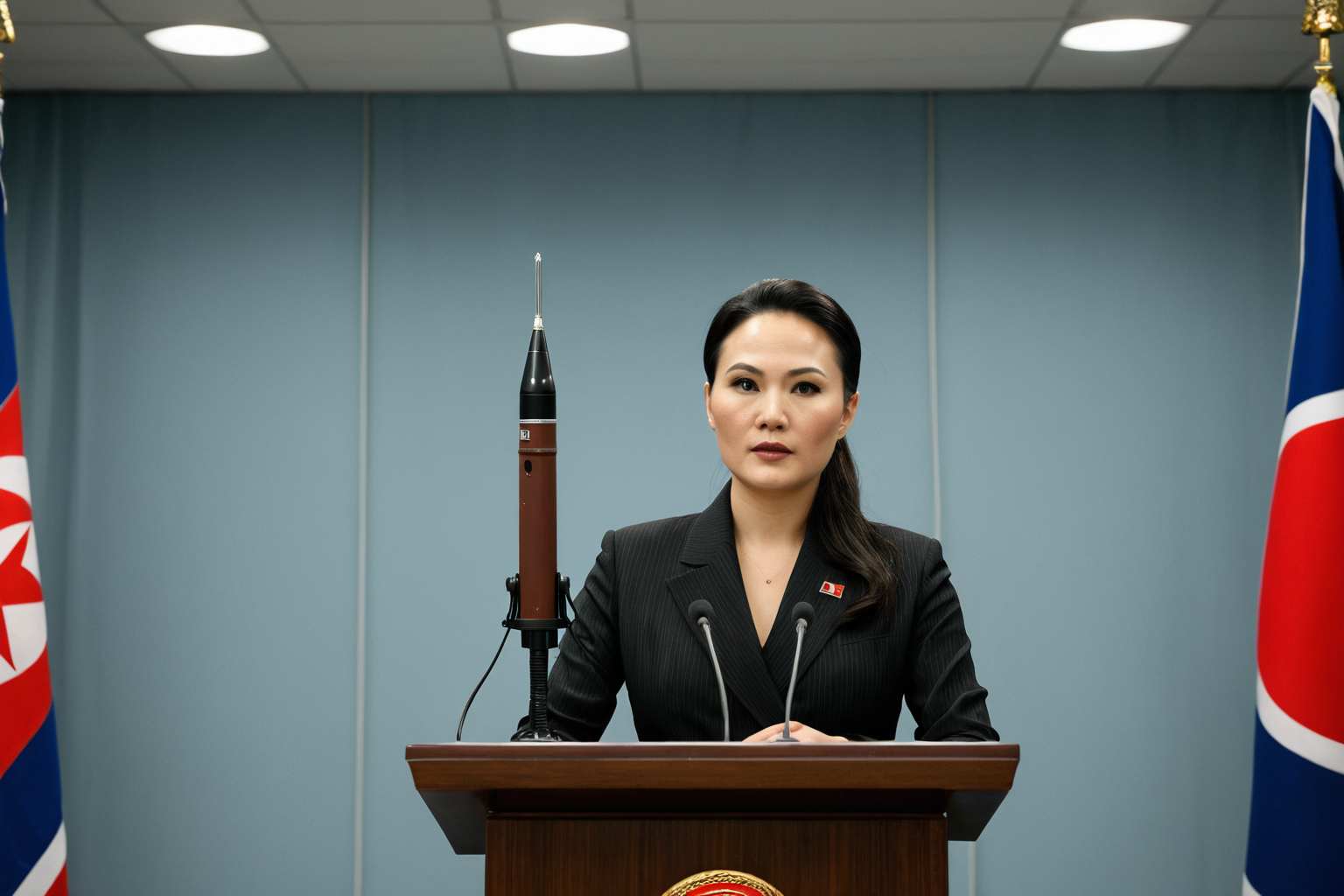
Key Facts: UFS Reduction and Kim Yo-jong's Remarks
On August 20, Kim Yo-jong commented on the reduction of UFS (US-South Korean joint military exercises), stating South Korea was in a 'humiliating position' where it could no longer engage in 'war games.' This suggests North Korea sees heightened potential for US-North Korea dialogue following Trump's remarks, indicating an effort to leave room for negotiations with the United States.
Separately, Kim Yo-jong criticized President Yoon Suk Yeol as making 'embarrassing flattery,' highlighting inconsistent actions. Her comments on August 21 during consecutive late-night speeches appear aimed at emphasizing criticism of South Korea's leadership.
Event Background: US-South Korean Exercise Cuts and North Korea's Response
On August 19, the United States signaled a 'love call' by reducing joint military exercises with South Korea. This was interpreted as a sign that Trump hopes to restart US-North Korea talks. However, North Korea responded coldly.
On August 20, Kim Yo-jong sarcastically referred to the UFS reduction as South Korea being in a 'humiliating position' unable to play 'war games,' mocking it as a 'half-broken practice.' This reflects North Korea's approach of accepting the US-South Korean exercise cut while continuing military pressure.
Specifically, on August 20, following Trump's 'dialogue love call,' North Korea launched over ten ballistic missiles. This demonstrates North Korea's intent to continue military pressure regardless of UFS reductions, sparking controversy in the international community.
On August 21, Kim Yo-jong criticized South Korea as being unable to engage in 'war games' and pointed out President Yoon Suk Yeol's 'inconsistent actions.' This shows North Korea's complex strategy: engaging with the US on dialogue while simultaneously pressuring South Korea.
Analysis: Potential for US-North Korea Dialogue and North Korea's Strategy
North Korea's dual approach signals a new strategy in US-North Korea relations. After Trump mentioned the possibility of a US-North Korea summit, North Korea chose to leave room for dialogue with the United States while continuing military pressure.
Kim Yo-jong's remark that 'the potential for US-North Korea dialogue has increased due to Trump's single comment' suggests North Korea wants improved relations with the US but also aims to maintain military toughness. This can be interpreted as a strategy to strengthen its position in the international community.
Meanwhile, despite UFS reductions, North Korea continued launching over ten ballistic missiles. While this appears to be a cold response to America's 'love call,' it is also seen as an effort to leave room for dialogue. North Korea likely aims to discuss economic support or security agreements through US-North Korea talks.
Responses and Safety Information: Unification Ministry and International Reaction
A senior Unification Ministry official responded to Kim Yo-jong's remarks by stating that 'respect and consideration for others should be shown,' emphasizing the government's position on advancing a peace framework on the Korean Peninsula.
The international community is closely watching North Korea's comments about UFS reductions alongside missile launches, focusing on potential improvements in US-North Korea relations. Particularly since Trump proposed a US-North Korea summit, global attention has intensified.
The South Korean government is expected to pursue peace through dialogue in response to North Korea's statements and military actions. The Unification Ministry expressed hope that North Korea would join efforts toward building a peace framework on the Korean Peninsula.
Verified Information: Consistency of Statements and Facts
Kim Yo-jong's statement about South Korea being in a 'humiliating position' unable to play 'war games' is verified. It was reported by Yonhap News Agency and Chosun Ilbo on August 20.
The launch of over ten ballistic missiles by North Korea on August 20, following Trump's 'love call,' has been confirmed. This demonstrates North Korea's intent to continue military pressure despite UFS reductions.
Kim Yo-jong's criticism of President Yoon Suk Yeol as making 'embarrassing flattery' was confirmed through consecutive late-night speeches on August 21. The term reflects North Korea's dissatisfaction with the South Korean government.
Frequently Asked Questions
What does North Korea's remarks about UFS reductions signify?
North Korea is pursuing a dual strategy: leaving room for dialogue with the US while maintaining military pressure. This appears to aim at improving relations with the US and strengthening its position in the international community.
How will the South Korean government respond to North Korea's remarks?
A senior Unification Ministry official stated that 'respect and consideration for others should be shown,' emphasizing opportunities for building a peace framework on the Korean Peninsula. This indicates a direction toward resolving issues through dialogue.
What is the likelihood of a US-North Korea summit?
The potential for a US-North Korea summit has increased following Trump's 'love call,' but uncertainty remains due to North Korea's continued missile launches and military pressure. However, the international community hopes for improvement through dialogue.
Frequently Asked Questions
Kim Yo-jong's remarks on UFS reductions and North Korea's dual approach could serve as an important opportunity for resuming US-North Korea talks and building a peace framework on the Korean Peninsula. North Korea aims to discuss economic support or security agreements through dialogue with the US while continuing military pressure on South Korea.
The South Korean government is expected to pursue peace through dialogue, as indicated by Unification Ministry statements. The international community also anticipates improvement in US-North Korea relations, leading to more active discussions about building a peace framework on the Korean Peninsula.
It remains to be seen how North Korea's remarks and military actions will evolve. The international community should continue supporting dialogue as a means of improving relations. Building a peace framework on the Korean Peninsula depends on complex factors, making North Korea's strategic choices and international cooperation crucial.
You can view similar articles in one place.
View Related ArticlesFAQ
What does North Korea's remarks about UFS reductions signify?
North Korea is pursuing a dual strategy: leaving room for dialogue with the US while maintaining military pressure. This appears to aim at improving relations with the US and strengthening its position in the international community.
How will the South Korean government respond to North Korea's remarks?
A senior Unification Ministry official stated that 'respect and consideration for others should be shown,' emphasizing opportunities for building a peace framework on the Korean Peninsula. This indicates a direction toward resolving issues through dialogue.
What is the likelihood of a US-North Korea summit?
The potential for a US-North Korea summit has increased following Trump's 'love call,' but uncertainty remains due to North Korea's continued missile launches and military pressure. However, the international community hopes for improvement through dialogue.
Korean Source
This article is an English localization of a Korean-language report from BlogScore. Original: 김여정 UFS 축소로 인한 국제 관계 변화와 전망