
Kim Seong-hwan's Work Report Guide: Step-by-Step Overview
Honam Semiconductor Cluster Power and Water Infrastructure
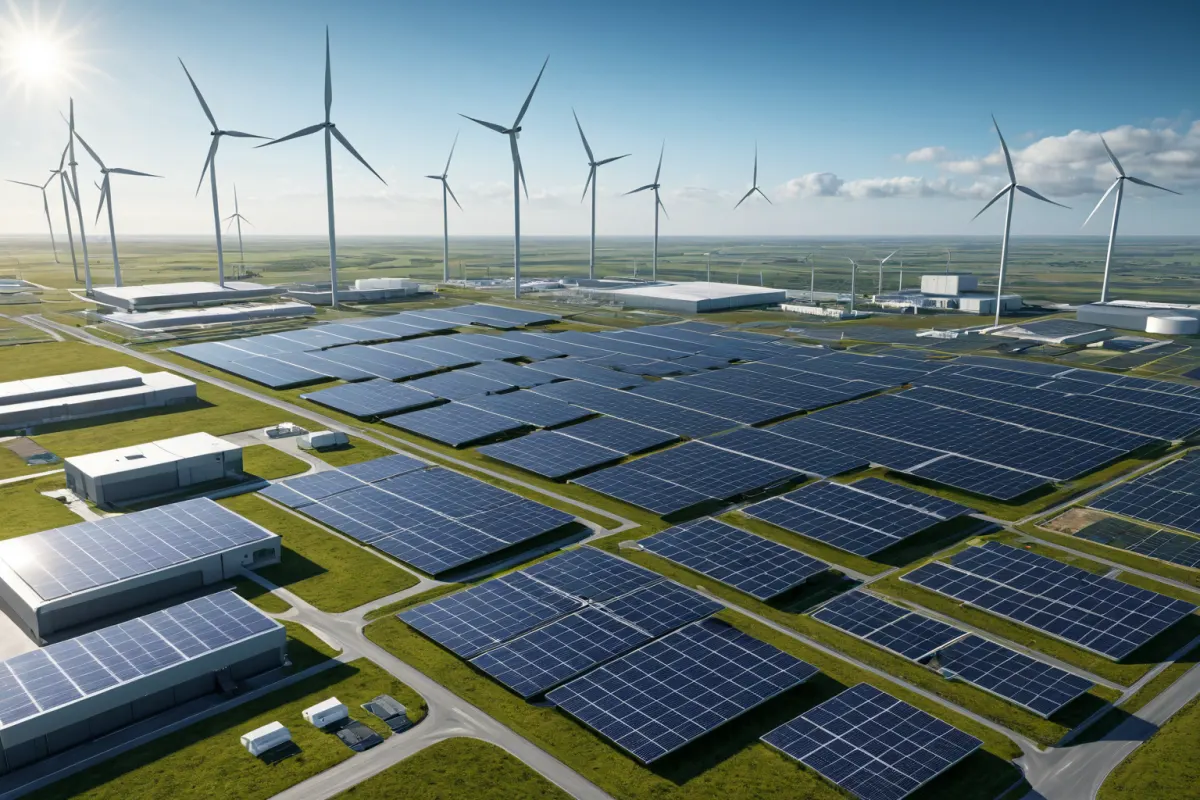
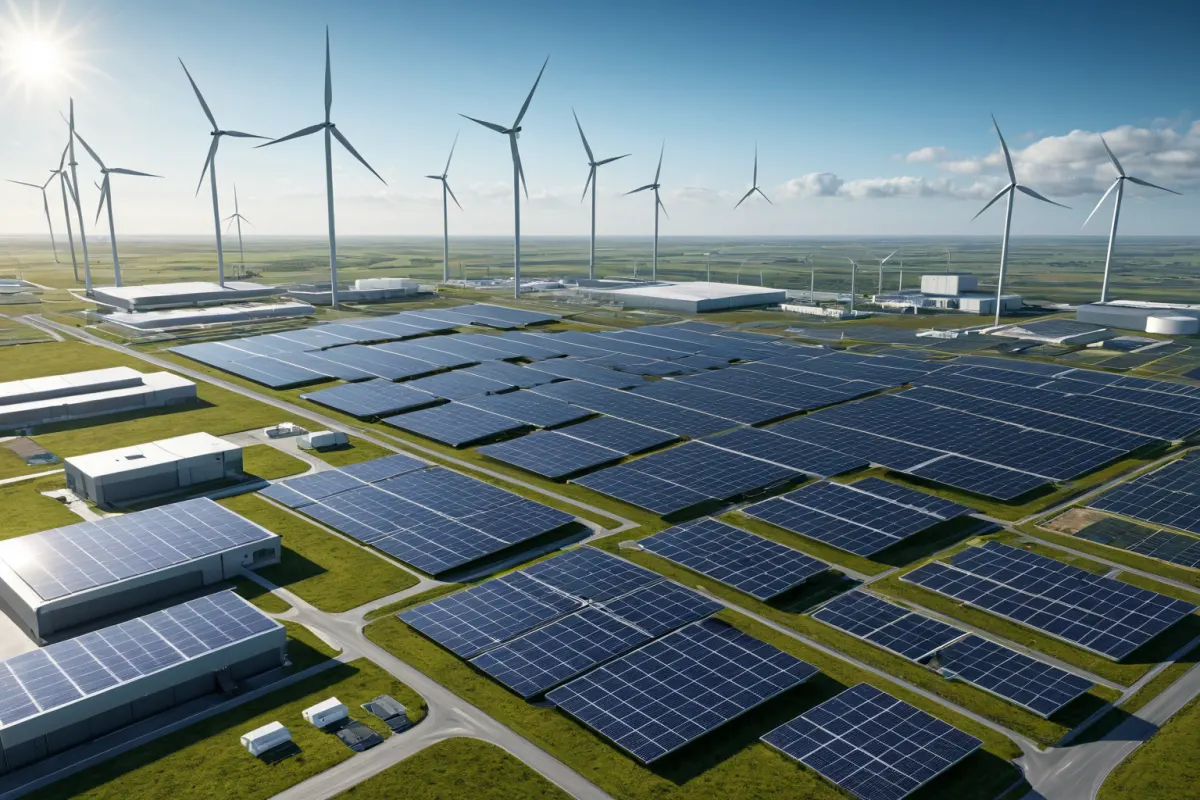
The Ministry of Climate Change and Environment has confirmed that construction for the power and water infrastructure of the Honam semiconductor cluster will begin in July next year. This is considered a critical infrastructure investment as electricity rises to become a national strategic asset amid the AI era. Minister Kim Seong-hwan outlined his 'Electric Nation' vision in the work report, emphasizing that the core of this policy involves systematic infrastructure development to address increasing power demand alongside expanding renewable energy.
Renewable Energy Goals and Electricity Pricing Policy
In announcing targets for 100GW of renewable energy by 2030 and achieving a 40% purchase rate for electric vehicles, Minister Kim Seong-hwan also mentioned that the ministry is reviewing differentiated regional pricing for industrial electricity. The policy aims to freeze rates in Seoul Capital Area while lowering them in other regions, with particular focus on expanding water supply for the Honam semiconductor cluster area due to increased power demand, planning construction to begin next July.
Coal Phaseout Policy and Cautious Statements
The climate minister warned that relying solely on renewable energy expansion for coal phaseout policy could lead to sharp electricity price increases. This reflects the gap between 'optimism and reality' revealed in the 2026 work report, underscoring the necessity of rapid power infrastructure construction. Additionally, plans to test using 'riverbank filtration water and replenishment water' from the Nakdong River intake point next year have drawn attention.
Honam Semiconductor Cluster Infrastructure Plan
Review of Industrial Electricity Rate Differentiation
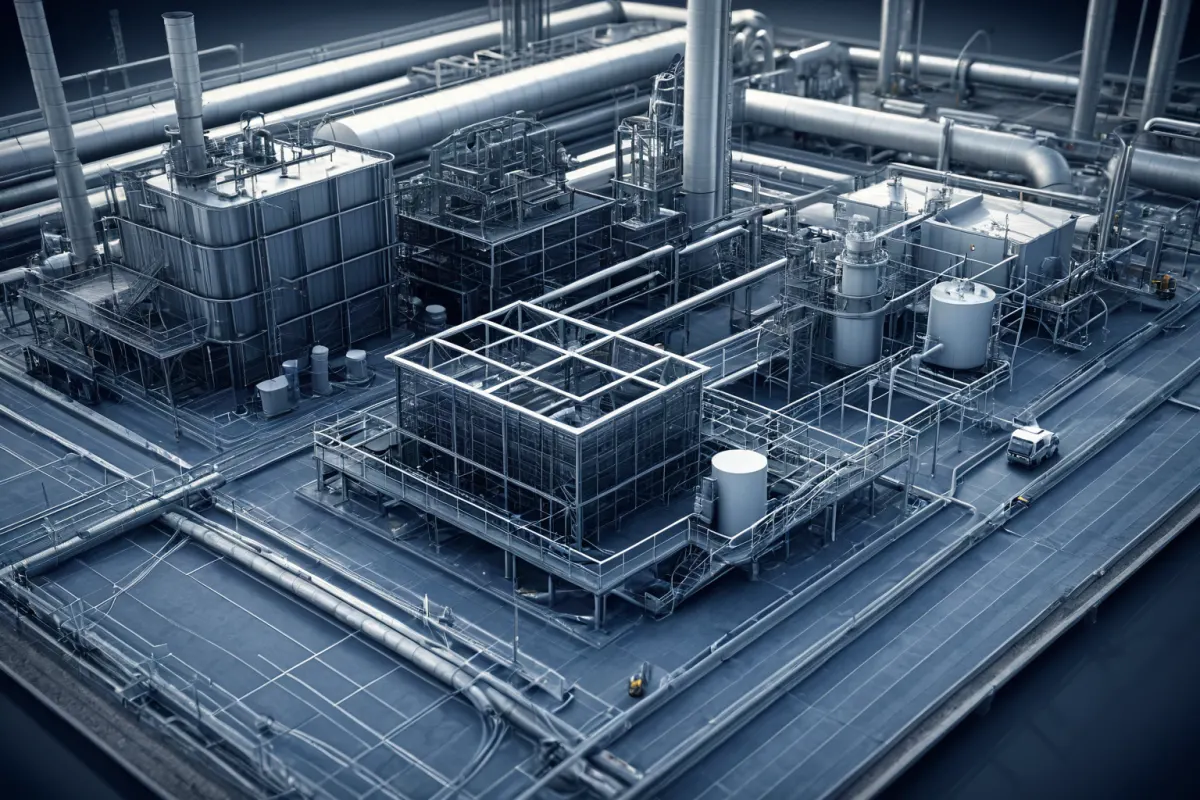
The ministry is reviewing a policy that would lower industrial electricity rates in regional areas while keeping them frozen in Seoul Capital Area. In Gyeongbuk region, industrial electricity rates are being considered for four-tier differentiation to assess nuclear power benefits. This policy aims to respond to increasing demand for power supplied by nuclear plants and connects with the ministry's 'Electric Nation' strategy.
Key Points from Climate Ministry Work Report
In a pre-briefing on August 4, 2026, Minister Kim Seong-hwan mentioned reviewing new LNG power plant options for the Honam semiconductor area. This is seen as a strategic consideration to balance coal phaseout policies and renewable energy expansion by providing additional energy supply to meet rising demand.
Decision on Relocation of Seoul Capital Area Landfill Authority
The climate minister announced that relocation of the Seoul Capital Area Landfill Authority to Incheon will be finalized within this year after the local elections. This decision connects with the ministry's regional balance policy and is being noted as an example of differentiated environmental policies across regions.
Strengthening Plastic Disposable Cup Regulations
Consumers must pay for plastic disposable cups, and straws will only be provided upon request. This aligns with the ministry's carbon neutrality policy as a regulatory measure aimed at encouraging changes in consumer behavior.
Nuclear Power Construction Timeline Dispute
The 2026 climate ministry work report revealed a gap between 'optimism and reality' regarding whether nuclear power plant construction would take seven years or fifteen years. This indicates that policy planning may not have fully reflected actual on-site conditions, suggesting the need for future policy adjustments.
Warning Regarding 30s Clerk's Death Incident
Minister Kim Seong-hwan warned that concealing or downplaying the incident involving a 30-year-old clerk would inevitably lead to greater problems. This relates to the Korean Investment & Securities' refusal to disclose an internal report, highlighting calls for increased transparency in policy-making processes.
Key Information to Verify
The Ministry of Climate Change and Environment is actively pursuing various policies to achieve its 2030 targets of 100GW renewable energy deployment and a 40% electric vehicle purchase rate. The power and water infrastructure for the Honam semiconductor cluster, scheduled to begin construction in July next year, is considered strategically important. Differentiated industrial electricity pricing policies and cautious statements regarding coal phaseout are also noteworthy.
Frequently Asked Questions
When will the power and water infrastructure for the Honam semiconductor cluster be constructed?
The construction is scheduled to begin in July next year. This is a key component of the Ministry's 'Electric Nation' strategy, designed to support increasing power demand driven by AI revolution and renewable energy expansion.
How will industrial electricity rates be differentiated?
The policy aims to freeze rates in Seoul Capital Area while lowering them in other regions. In Gyeongbuk region, industrial electricity rates are being reviewed for four-tier differentiation to assess nuclear power benefits.
What caution did the climate ministry express regarding its coal phaseout policy?
The climate minister warned that pursuing coal phaseout solely through renewable energy expansion could lead to sharp increases in electricity prices. This reflects the 'optimism and reality' gap revealed in the 2026 work report.
Frequently Asked Questions
The Honam semiconductor cluster's power and water infrastructure construction is considered an essential step toward achieving South Korea's 2030 renewable energy 100GW deployment and 40% electric vehicle purchase targets. As electricity becomes a national strategic asset in the AI era, this systematic infrastructure development addresses rising power demand. The ministry is also advancing various policy measures to balance coal phaseout policies with renewable energy expansion, making it an important case study for future energy policy direction.
You can view similar articles on this topic in one place.
View Related ArticlesFAQ
When will the power and water infrastructure for the Honam semiconductor cluster be constructed?
Construction is scheduled to begin in July next year. This is a key component of the Ministry's 'Electric Nation' strategy, designed to support increasing power demand driven by AI revolution and renewable energy expansion.
How will industrial electricity rates be differentiated?
The policy aims to freeze rates in Seoul Capital Area while lowering them in other regions. In Gyeongbuk region, industrial electricity rates are being reviewed for four-tier differentiation to assess nuclear power benefits.
What caution did the climate ministry express regarding its coal phaseout policy?
The climate minister warned that pursuing coal phaseout solely through renewable energy expansion could lead to sharp increases in electricity prices. This reflects the 'optimism and reality' gap revealed in the 2026 work report.
Korean Source
This article is an English localization of a Korean-language report from BlogScore. Original: 김성환 업무보고 작성 가이드: 단계별 안내