
Kim Seong-hwan Inspects Next-Generation Tandem Solar Technology, Expert Tips for Key Checkpoints
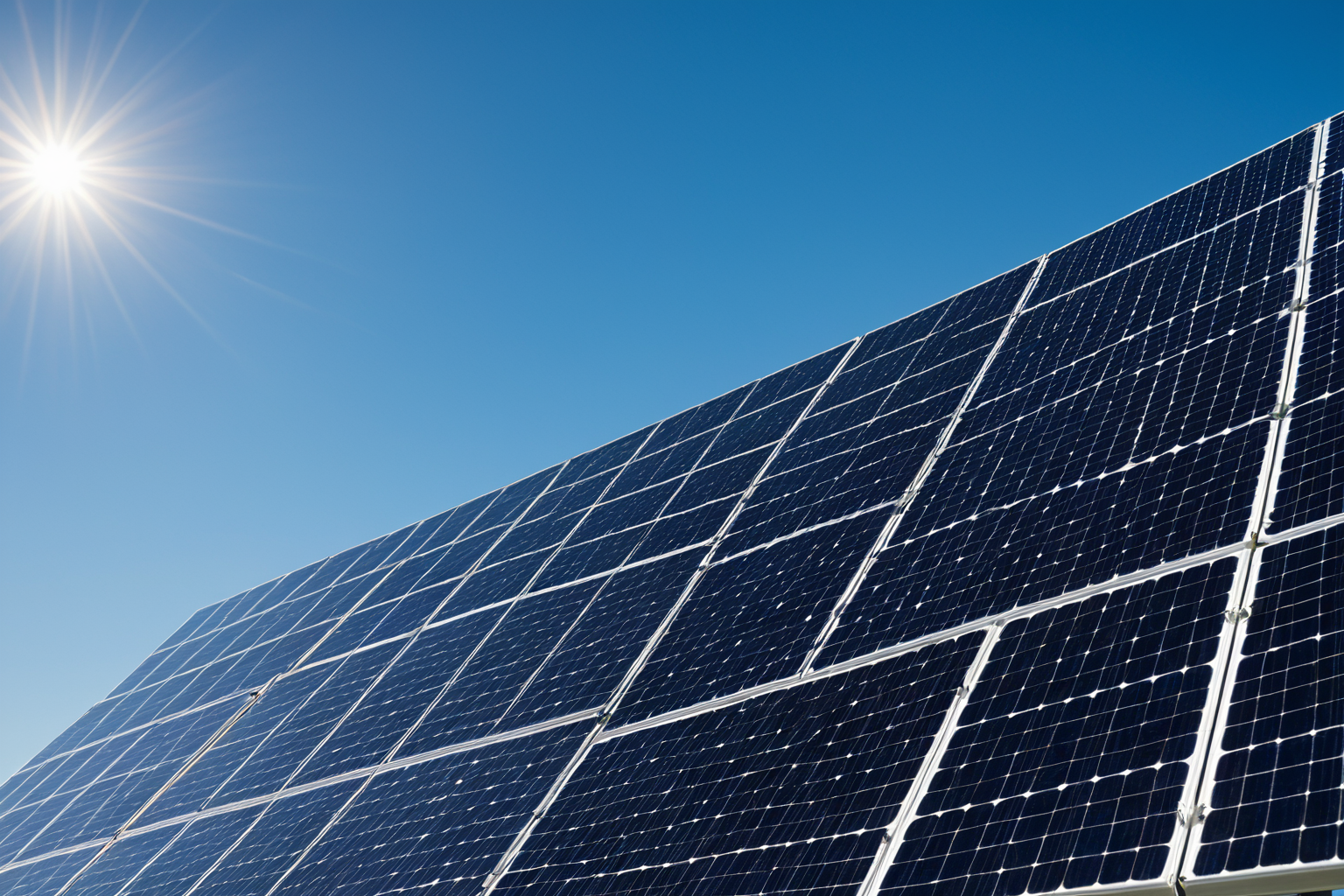
Minister Kim Seong-hwan Inspects Next-Generation Tandem Solar Technology Site
Minister of Environment Kim Seong-hwan recently visited a site developing next-generation tandem solar technology to assess its progress. The technology, which can increase solar panel efficiency up to 44%, has garnered significant attention. The government is advancing its strategy for renewable energy leadership by nurturing next-generation Energy Storage Systems (ESS) and improving grid codes.
On September 21, 2026, Minister Kim inspected Hanwha Q CELLS' solar technology development site, stating that the government will support domestic companies to become key players in the green civilization transition. This reflects the government's goal of securing technological leadership in renewable energy.
This inspection is part of the broader plan for South Korea's 'K-Green Civilization' transition by 2035, expanding on Jeju Island's decarbonization policies. The Ministry also established a Grid Code Expert Committee to revise technical standards for renewable energy power grids.
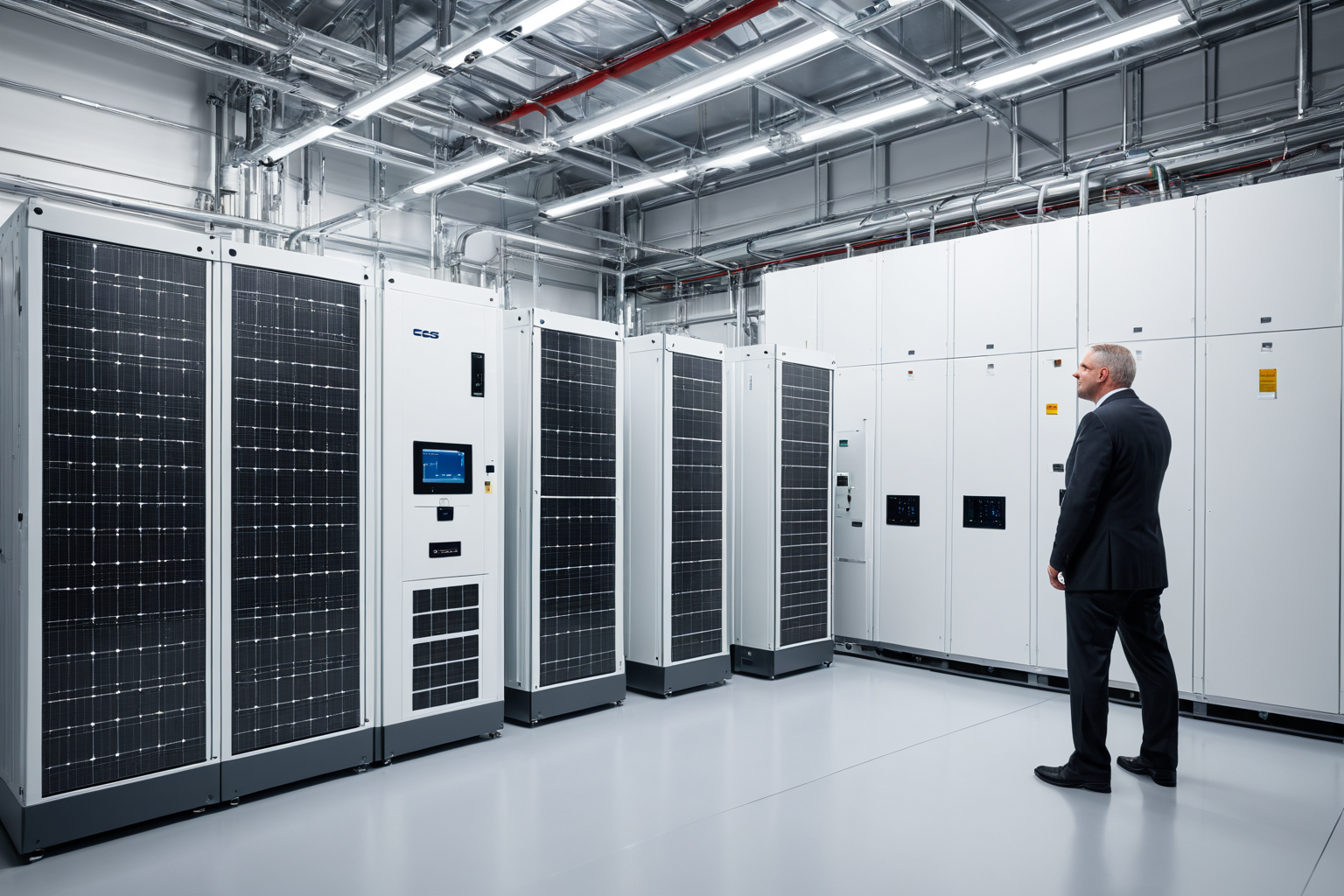
Government's Renewable Energy Strategy
The government has officially launched its strategy to promote next-generation ESS as a core national priority. On May 20, 2026, the Ministry announced it would treat next-generation ESS as a key strategic focus, aiming to enhance grid stability alongside solar expansion.
On May 14, 2026, Minister Kim inspected a site developing next-generation energy storage technology. The visit emphasized the importance of linking renewable energy with ESS while promising policy support for supply chain recovery.
On May 13, 2026, Minister Kim visited a facility producing long-cycle ESS, highlighting the government's strategic approach to both technological development and supply chain reconstruction, particularly focusing on solar supply chain recovery.
Next-Generation Tandem Solar Technology and Efficiency Goals
The next-generation tandem solar technology can reportedly increase panel efficiency up to 44%, marking a significant improvement over traditional single-cell technology. It is considered a key innovation in the renewable energy sector.
On September 11, 2025, Minister Kim visited Hanwha Q CELLS' next-generation solar technology development site, signaling the government's commitment to accelerating tandem cell commercialization and strengthening industry-research collaboration. This goal was reiterated during his September 21, 2026 inspection.
The government is advancing both technological development and supply chain recovery for tandem technology, aiming to help domestic companies gain global competitiveness. Companies like Hanwha Q CELLS are seen as central to this effort.
Improving Renewable Energy Grid Technical Standards
On July 21, 2026, the government officially launched a Grid Code Expert Committee to revise technical standards for renewable energy power grids. This marks an important step in addressing grid stability issues as renewable energy expands.
The committee's establishment is part of the Ministry's broader strategy to concretize its renewable energy leadership policy, aiming to integrate renewables into the grid more stably through improved grid codes. The government plans to continue refining these standards over time.
On October 24, 2026, the government announced a plan to expand Jeju Island's decarbonization policies as part of its '2035 Green Civilization' transition strategy. This approach involves implementing region-specific policies to promote renewable energy expansion and build a sustainable society.
Decarbonization Strategy Presented at Busan Climate Expo
On September 16, 2026, Minister Kim presented a decarbonization strategy combining nuclear power with renewables at the Busan Climate Expo. This represents a new approach moving beyond single-energy reliance and has attracted attention.
The Ministry also explored large-scale solar support plans for areas like Siheung and Hwawong on August 28, 2026. These region-specific renewable energy expansion strategies aim to further concretize the government's overall policy.
On June 5, 2026, Korea Southern Power announced plans to collaborate with citizens in climate action efforts. This aligns with the government's broader renewable energy expansion strategy and aims to strengthen community partnerships.
Government Strategy for Solar Supply Chain Recovery and Technology Leadership
The government is implementing various policies to rebuild the solar supply chain. On September 10, 2026, the Ministry announced specific measures for 'rebuilding the solar supply chain and securing next-generation technology leadership.'
This announcement reflects a dual focus on supporting corporate technological development and supply chain recovery. Domestic companies like Hanwha Q CELLS, leading in technological innovation with government support, are expected to gain global competitiveness.
Alongside Minister Kim's site inspections, the government has outlined strategic directions for nurturing next-generation ESS and advancing renewable energy leadership. This strategy is considered key to achieving South Korea's 'K-Green Civilization' transition by 2035, aiming to address climate change while driving economic growth.
Key Information to Verify
The government's renewable energy strategy is based on the 2035 'K-Green Civilization' plan, expanding Jeju Island's decarbonization policies. It remains unclear whether the 44% efficiency target for tandem technology will be achieved in commercial applications.
How the Grid Code Expert Committee operates and its technical standard revisions are important factors influencing the government's renewable energy expansion strategy. Additional information on specific support targets and scales for solar supply chain recovery is also needed.
The government is advancing both next-generation ESS development and renewable energy leadership, but the exact budget size and implementation plans have not been clearly disclosed. This will help determine the feasibility of the policy's execution.
Frequently Asked Questions
What is next-generation tandem solar technology?
Tandem cells combine two or more semiconductor cells to increase solar efficiency, with potential for up to 44% improvement.
What policies is the government implementing for renewable energy leadership?
The government is promoting next-generation ESS development, grid code improvements, and solar supply chain recovery to advance renewable energy as a primary power source.
What are the specifics of South Korea's 2035 'K-Green Civilization' transition plan?
The plan expands on Jeju Island's decarbonization policies, aiming to promote renewable energy expansion and build a sustainable society through region-specific approaches.
Frequently Asked Questions
Minister Kim Seong-hwan's site inspections of next-generation tandem solar technology are closely tied to the government's renewable energy leadership strategy. The inspections support technological development aimed at achieving a 44% efficiency target while also connecting with solar supply chain recovery and next-generation ESS promotion.
The government's strategy is based on South Korea's '2035 K-Green Civilization' plan, expanding from Jeju Island's decarbonization policies. It aims to address climate change while driving economic growth. Future policy implementation, grid code improvements, and solar supply chain recovery effects will be key indicators of whether the government can achieve its goals.
Additional verification is needed on how effectively the government's renewable energy policies are being implemented, including grid code improvement results and solar supply chain recovery outcomes. These factors will determine if South Korea can meet its stated targets.
You can explore more articles on similar topics.
View Related ArticlesFAQ
What is next-generation tandem solar technology?
Tandem cells combine two or more semiconductor cells to increase solar efficiency, with potential for up to 44% improvement.
What policies is the government implementing for renewable energy leadership?
The government is promoting next-generation ESS development, grid code improvements, and solar supply chain recovery to advance renewable energy as a primary power source.
What are the specifics of South Korea's 2035 'K-Green Civilization' transition plan?
The plan expands on Jeju Island's decarbonization policies, aiming to promote renewable energy expansion and build a sustainable society through region-specific approaches.
Korean Source
This article is an English localization of a Korean-language report from BlogScore. Original: 김성환 태양광 기술 점검, 전문가가 알려주는 핵심 체크리스트