
Kim Jong-un's Military Inspections Reflect Shifting North Korean Strategy
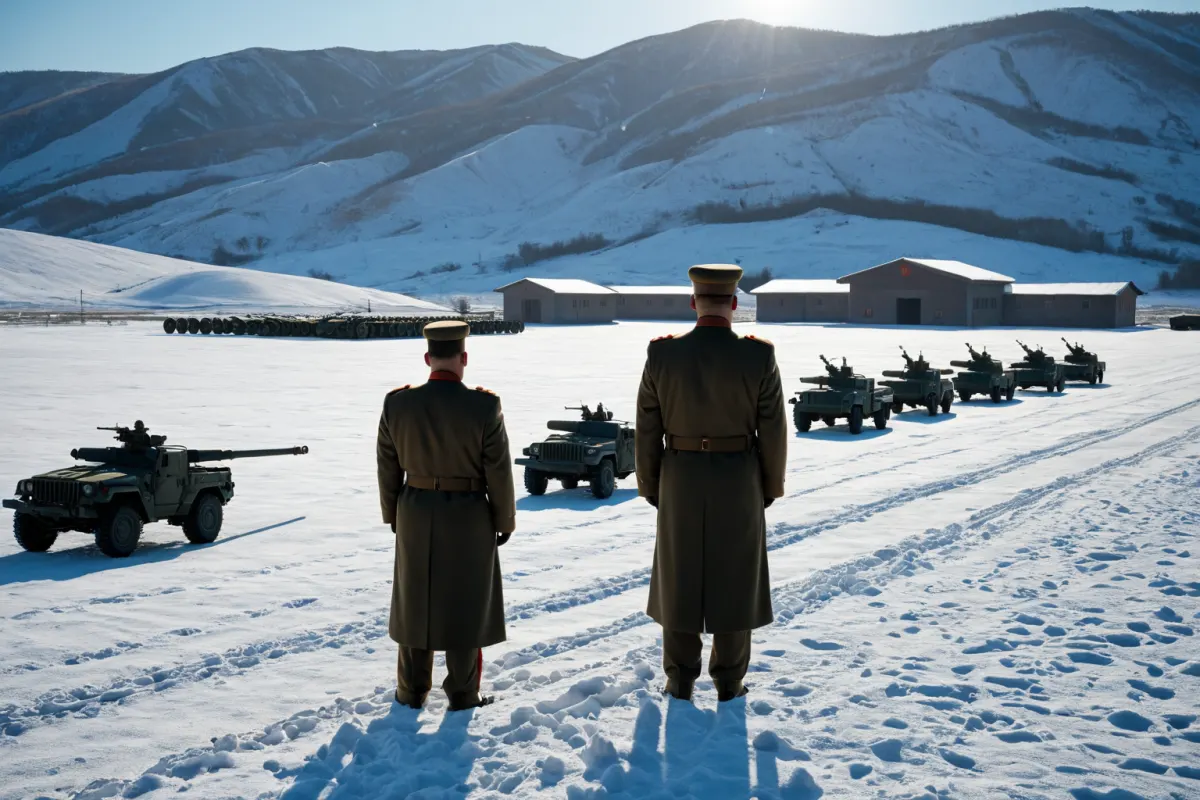
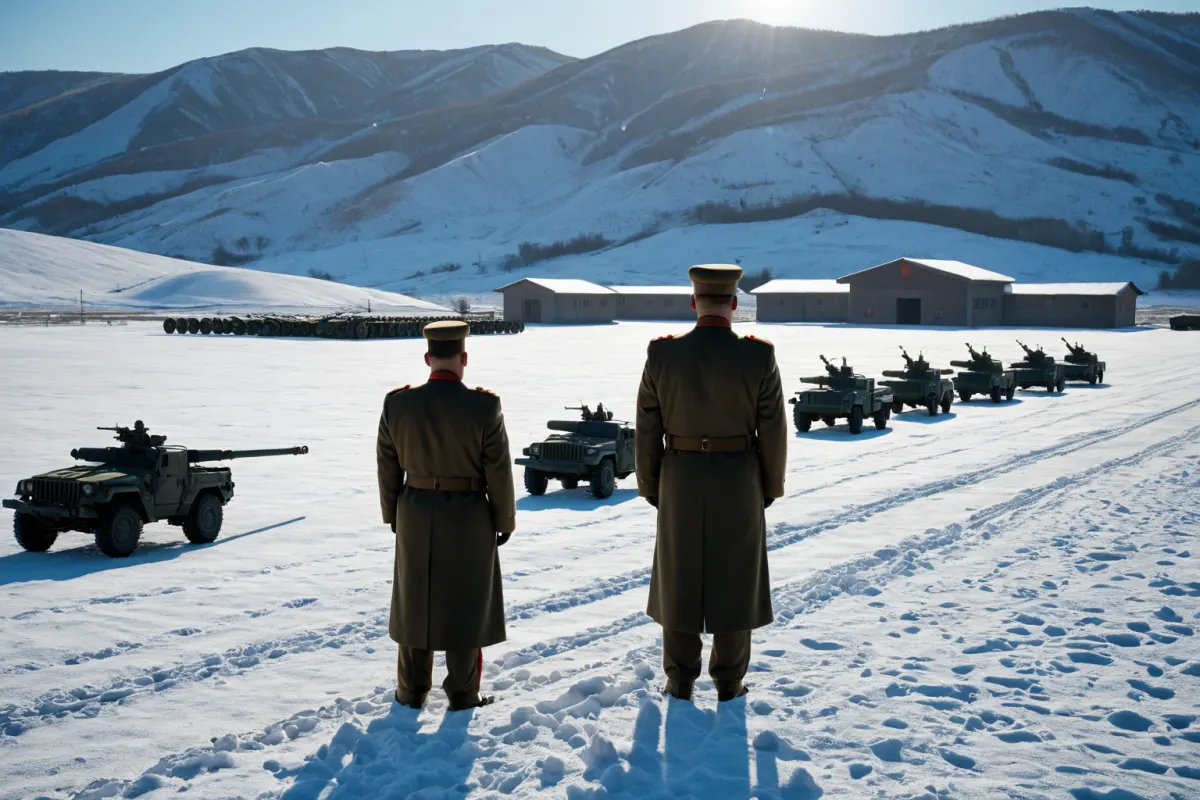
Kim Jong-un's military inspection activities reflect recent shifts in North Korea's military strategy. Through a series of visits and statements between 2025 and 2026, North Korea has demonstrated enhanced special operations capabilities, weapons system development, and its stance toward South Korea. This goes beyond routine inspections to simultaneously advance ideological succession and modern warfare preparedness.
Increased Focus on Military and Security Agencies for Internal Control
On December 1, 2025, Kim Jong-un conducted a concentrated inspection of military forces and security agencies, directing stronger internal control measures. This indicates North Korea's increasingly strict security policies, particularly in response to external pressures through enhanced internal surveillance. The expanded role of security agencies reflects a broader trend toward strengthening society-wide monitoring systems.
Visit to the 11th Army Division and Special Operations Training Base
On November 2, 2025, Kim Jong-un visited the Korean People's Army's 11th Army Division, announcing an enhancement of special operations capabilities. At a special operations training base, he announced the establishment of a 'Central Sniper Training School,' focusing on building systematic training systems for snipers. This demonstrates North Korea's concentration on strengthening special forces to secure tactical advantages in modern warfare.
On-Site Inspection of Giant Rocket Launcher Factory and Weapons System Check
On December 30, 2025, Kim Jong-un personally inspected a giant rocket launcher factory, checking weapons systems. This indicates North Korea's accelerated development of weapons of mass destruction, particularly in the face of international sanctions as it focuses on modernizing its weapon systems. The inspection of the rocket launcher factory may also serve to emphasize military threats while functioning as part of North Korea's strategy toward South Korea.
Visiting Kim Il-sung's Monument and Emphasizing Ideological Succession
On April 26, 2026, Kim Jong-un paid homage at the Kim Il-sung monument, emphasizing ideological succession. This reflects North Korea's strategy for maintaining its identity, with particular focus on the roles of the Korean People's Army and security agencies to preserve ideological heritage. His visit to military units and attendance at a shooting competition on the anniversary of the founding of the guerrilla forces are connected to this emphasis.
Inspection of Special Operations Unit Training and Emphasis on Modern War Preparation
On March 29, 2026, Kim Jong-un personally inspected special operations unit training, stating 'strict preparation for modern warfare.' This indicates North Korea's efforts to build systems capable of responding to modern war forms, particularly emphasizing information technology and special operations capabilities. At this time, North Korea also visited a Russian deployment force to showcase its information technology achievements.
Visit to Reconnaissance Satellite Control Center with Seoul and Pyeongtaek Imagery
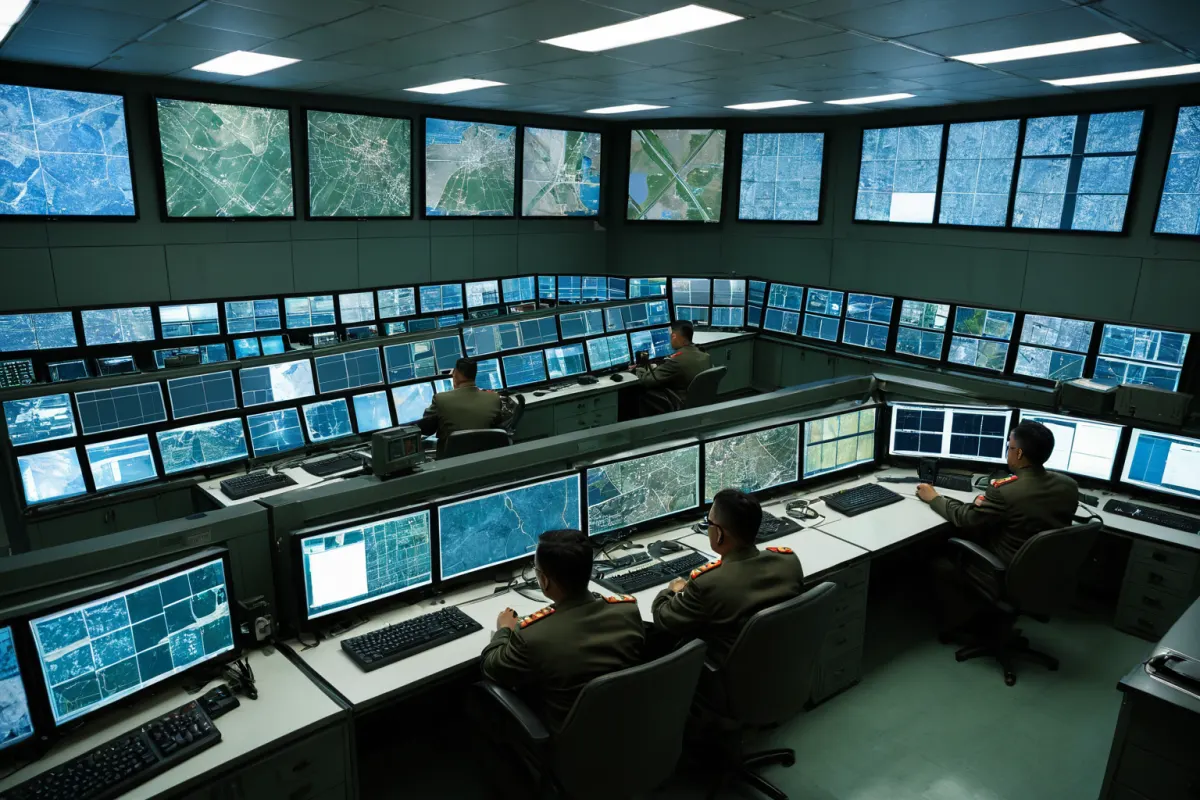
On November 25, 2023, Kim Jong-un visited the reconnaissance satellite control center, capturing imagery of Pyeongtaek and Seoul. This publicly acknowledges North Korea's possession of surveillance satellites, indicating enhanced military monitoring capabilities. Related to this, Kim Yo-jong recently stated that newly developed weapons systems are intended for South Korea rather than Russian exports.
North Korea's Designation of South Korea as a 'Foreign Country and Enemy State'
North Korea has designated South Korea as a 'foreign country and enemy state,' severing relations with Seoul. This reflects North Korea's increasingly hardline approach to its policy toward South Korea, simultaneously publicizing military strategy externally while strengthening internal control. Kim Jong-un's recent announcement that weapons systems development is intended for South Korea connects directly to this designation.
Increased Military Activities in Context of International Relations
In April 2026, it was reported that about two-thirds of Kim Jong-un's public activities focused on military matters. This reflects North Korea's intention to strengthen its military response capabilities amid international conflicts such as the Russia-Ukraine war. Specifically, articles from March and May 2026 noted increased military activity by Kim Jong-un as he expressed concern over the situation in Iran.
Investigating the Reasons Behind Military Inspections
Kim Jong-un's recent military inspection activities aim to strengthen North Korea's internal security policies while responding to external pressures. Particularly, advancing weapons system development and expanding special operations capabilities despite international sanctions appears to be a strategic choice for preparing for modern warfare. Additionally, by visiting Russian deployment forces and sharing information technology achievements, North Korea is also focusing on strengthening international cooperation.
Responses and Safety Information Regarding Military Inspections
North Korea's military inspection activities may heighten South Korea's vigilance, particularly the use of reconnaissance satellites to capture images of Seoul and Pyeongtaek. This indicates North Korea is reinforcing its military monitoring capabilities, suggesting continuous surveillance of South Korea's military movements as part of its strategy toward South Korea. Therefore, South Korea needs to continuously strengthen preventive measures against North Korea's military activities.
Verified Information
Kim Jong-un's military inspection details are available through official reports, particularly the series of visits and statements from 2025 to 2026. The imagery of Seoul and Pyeongtaek during the reconnaissance satellite control center visit, along with Kim Yo-jong's statement about weapons systems intended for South Korea, provide concrete information regarding North Korea's military intentions.
Frequently Asked Questions
Why did North Korea use a reconnaissance satellite to capture images of Seoul?
Capturing images of Seoul with a reconnaissance satellite is seen as a strategic measure to enhance North Korea's military monitoring capabilities and monitor South Korea's military movements.
Why did Kim Yo-jong state that weapons systems are intended for South Korea rather than Russian exports?
Kim Yo-jong clarified that recently developed weapons systems are intended for South Korea, not for Russian export, to clearly convey North Korea's military intentions.
What is included in the special operations unit training?
The special operations unit training includes the establishment of a 'Central Sniper Training School' and emphasizes strategies for preparing for modern warfare.
Frequently Asked Questions
Kim Jong-un's military inspection activities aim to strengthen North Korea's internal control while responding to external pressures. Particularly, expanding special operations capabilities, developing weapons systems, and utilizing reconnaissance satellites reflect a systematic strategy for modern warfare, clearly revealing North Korea's military intentions. Additionally, visiting Russian deployment forces and sharing information technology achievements demonstrates efforts to enhance international cooperation. South Korea needs to continuously strengthen preventive measures against North Korea's military activities.
You can view similar articles on this topic in one place.
See Related ArticlesFAQ
Why did North Korea use a reconnaissance satellite to capture images of Seoul?
Capturing images of Seoul with a reconnaissance satellite is seen as a strategic measure to enhance North Korea's military monitoring capabilities and monitor South Korea's military movements.
Why did Kim Yo-jong state that weapons systems are intended for South Korea rather than Russian exports?
Kim Yo-jong clarified that recently developed weapons systems are intended for South Korea, not for Russian export, to clearly convey North Korea's military intentions.
What is included in the special operations unit training?
The special operations unit training includes the establishment of a 'Central Sniper Training School' and emphasizes strategies for preparing for modern warfare.
Korean Source
This article is an English localization of a Korean-language report from BlogScore. Original: 김정은 대통령, 격려 방문에서 확인한 군사 점검 내용