
Kim Hee-chul's 'Upside-Down Taegukgi' Apology Incident: Facts and Controversy
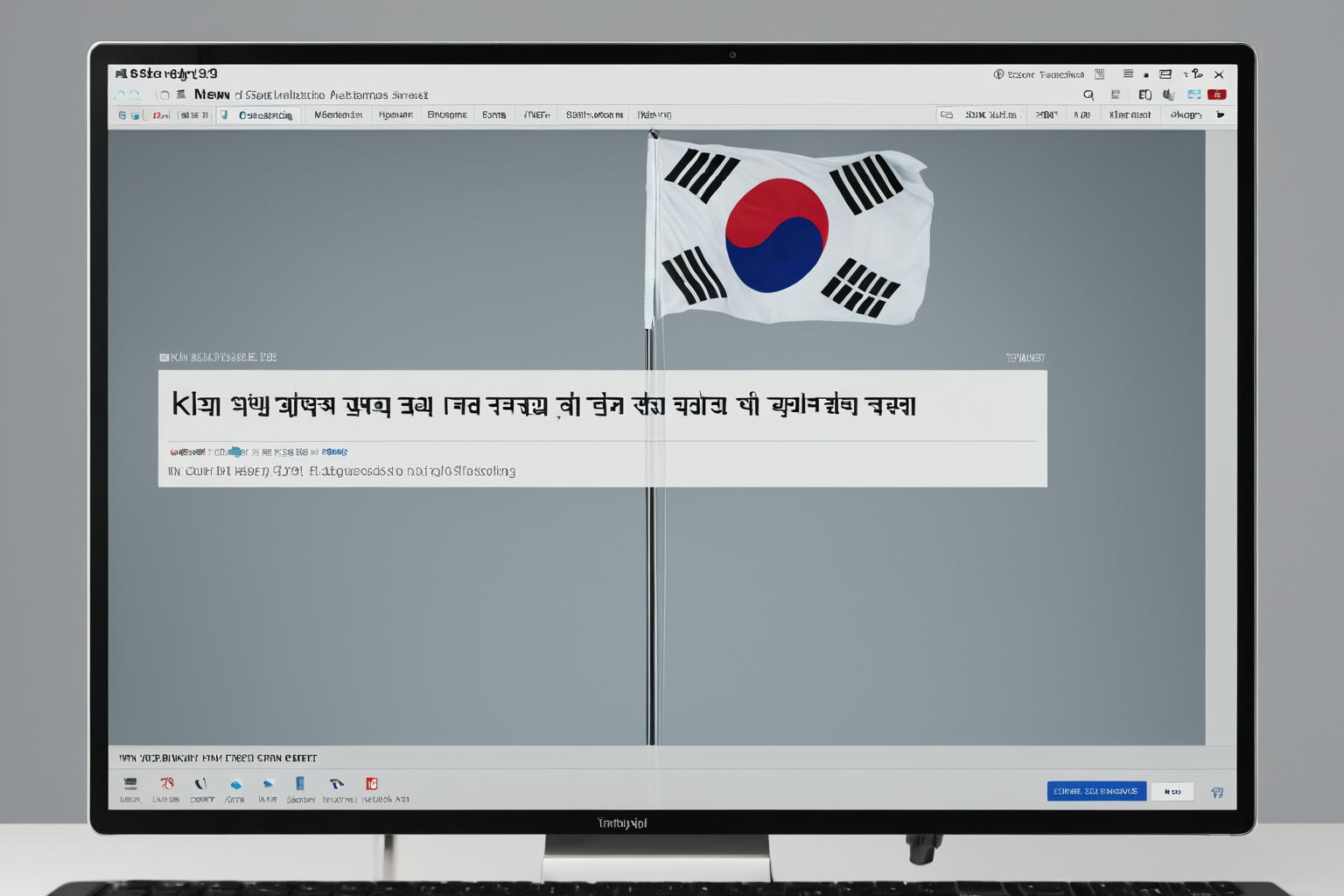
Kim Hee-chul Taegukgi Apology Incident Overview
In mid-August 2026, Kim Hee-chul caused controversy by using an upside-down taegukgi and later admitted his mistake in a public apology. The incident gained media attention from August 9 to 12, with criticism from Choi Si-won and Kim's rebuttal.
Exact Sequence of Events
On August 9, 2026, Kim Hee-chul issued an apology statement regarding the controversy over using an upside-down taegukgi. He acknowledged it was his 'hasty mistake' and admitted that using the flag in an inverted position had been problematic. The media reported this apology as addressing the hasty response to the controversy caused by the inverted taegukgi usage.
On August 10, Kim Hee-chul issued a second statement attempting to rebut claims about political coloring, questioning 'Why are right-wing and left-wing factions coming into this?' This was an attempt to counter concerns that the taegukgi controversy could be interpreted through a political lens.
On August 11, Choi Si-won criticized Kim's apology by stating it should focus on admitting fault rather than making excuses, saying 'Too much formal etiquette, I'm heading toward the truth room.' This was seen as criticism of Kim's attempt at over-explaining the situation.
On August 12, The Kyunghyang Shinmun reported that despite existing guidelines for taegukgi production, an incorrectly displayed flag had been used. This report provided important context about the background of the controversy.
Detailed Analysis of Incident Sequence
The controversy began after Kim Hee-chul mentioned using an 'upside-down taegukgi,' which was confirmed to have been displayed inverted, violating standard Korean flag specifications. The taegukgi is South Korea's national flag and has specific design requirements.
In his apology statement, Kim acknowledged it was his 'hasty mistake'—admitting he had not sufficiently reviewed the proper use of the flag before acting. The apology appears to have been issued after receiving an official warning.
Choi Si-won's criticism focused on how Kim's apology seemed more like a defense than an admission of fault. His statement 'Too much formal etiquette, I'm heading toward the truth room' emphasized that Kim's apology wasn't addressing the actual problem but was instead focusing on justifying his actions.
Kim later rebutted claims about political coloring by asking 'Why are right-wing and left-wing factions coming into this?' This reflected his concern that the taegukgi controversy might be interpreted through a political lens, which he expressed in a subsequent statement after his apology.
Investigation of Incident Cause
Taegukgi production guidelines clearly specify correct display methods. The flag features 'yin' and 'yang' symbols at its center; displaying it upside-down changes its meaning entirely.
The exact reason why Kim used the inverted taegukgi remains unclear, but the issue was that he failed to properly review the standard usage before using it. This was a mistake in an official setting requiring proper flag etiquette, necessitating an apology.
Choi Si-won's criticism centered on the need for acknowledging the problem itself rather than focusing on justifying actions. He pointed out Kim's apology seemed to be over-explaining rather than addressing the core issue.
Kim's rebuttal regarding political coloring was a response to concerns that the taegukgi controversy might be interpreted through political affiliations, which he expressed in his subsequent statement after the apology.
Response and Safety Information
Proper display of the taegukgi is an important cultural element reflecting Korean tradition. The flag features 'yin' and 'yang' symbols at its center; displaying it upside-down changes its meaning entirely.
In his apology, Kim acknowledged that his actions were a result of 'haste,' admitting he hadn't properly reviewed the correct usage before acting. This emphasized the importance of understanding proper flag etiquette for such occasions.
Choi Si-won's criticism highlighted the danger of focusing on justifying rather than addressing the problem, which could be an important lesson in formal apologies.
Kim's rebuttal regarding political coloring was a response to concerns about the taegukgi controversy being interpreted through political affiliations, as reflected in his subsequent statement after the apology.
Verified Information
The original text of Kim Hee-chul's apology statement is not cited with specific sources. However, the phrase 'my mistake due to haste' appears in publicly reported content about his apology.
Choi Si-won's statement 'Too much formal etiquette, I'm heading toward the truth room' was reported on August 11, 2026, and reflects a critical perspective on Kim's apology.
The report about taegukgi production guidelines came from The Kyunghyang Shinmun on August 12, 2026, providing important context about proper flag display standards.
Frequently Asked Questions
Why did Kim Hee-chul use an upside-down taegukgi?
Kim admitted to using the inverted taegukgi but did not specify a reason. It appears he used it without sufficient review, calling it a 'hasty mistake'.
What was Choi Si-won's criticism of Kim Hee-chul's apology?
Choi Si-won criticized Kim's apology for focusing on justification rather than admitting fault, saying 'Too much formal etiquette, I'm heading toward the truth room.' This highlighted his concern that Kim was over-explaining instead of addressing the actual issue.
What does the taegukgi production guideline specify?
The taegukgi production guidelines clearly state how to correctly display the flag. It features 'yin' and 'yang' symbols at its center, and displaying it upside-down changes its meaning entirely.
Political Context of the Incident
The taegukgi controversy occurred in a situation where it could be interpreted through political affiliations. Kim's rebuttal about political coloring was an attempt to counter this potential interpretation, showing how cultural symbols can be viewed through political contexts.
After his apology, Kim stated 'Why are right-wing and left-wing factions coming into this?' to distance the issue from political interpretations. This appeared to be a measure to prevent the taegukgi controversy from escalating into a political debate.
Difference Between Apology and Justification
Kim's apology statement acknowledged his 'haste' and focused on resolving the problem, but Choi Si-won argued it was more of a justification. This distinction is important in formal apologies.
The difference between an apology and justification lies in whether one admits fault or focuses on explaining why something happened. Kim admitted fault but Choi Si-won felt his statement emphasized justifying actions rather than acknowledging the problem itself.
Cultural Significance
The taegukgi is a significant cultural symbol representing Korean tradition, requiring proper display. An upside-down taegukgi changes its meaning entirely and can be a serious issue in cultural context.
Kim's apology and Choi Si-won's criticism illustrate the importance of understanding cultural symbols correctly. The incident emphasizes the need for thorough review before using culturally significant items like the national flag.
You can find more articles on similar topics in one place.
View Related ArticlesFAQ
Why did Kim Hee-chul use an upside-down taegukgi?
Kim admitted to using the inverted taegukgi but did not specify a reason. It appears he used it without sufficient review, calling it a 'hasty mistake'.
What was Choi Si-won's criticism of Kim Hee-chul's apology?
Choi Si-won criticized Kim's apology for focusing on justification rather than admitting fault, saying 'Too much formal etiquette, I'm heading toward the truth room.'
What does the taegukgi production guideline specify?
The taegukgi production guidelines clearly state how to correctly display the flag. It features 'yin' and 'yang' symbols at its center, and displaying it upside-down changes its meaning entirely.
Korean Source
This article is an English localization of a Korean-language report from BlogScore. Original: 김희철 태극기 사과 사건, 진위와 논란의 정확한 경위