
KIA's Lee Ee-ri Reclaims Closer Role with Strong Season Finale
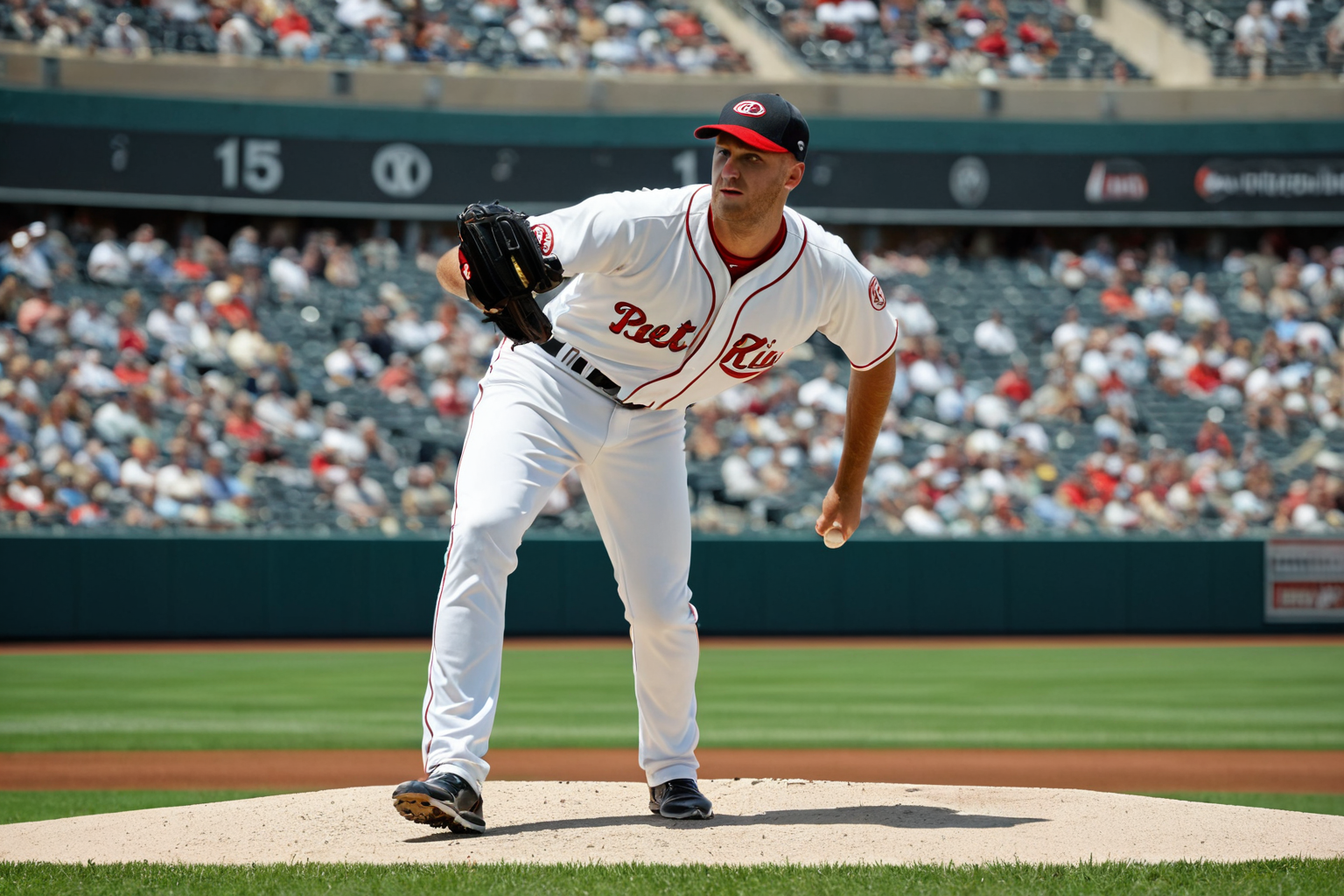
Lee Ee-ri Returns to Closer Role, Leads KIA to Victory
Since transitioning from the bullpen to closer in mid-season, Lee Ee-ri has delivered strong performances, including a nine-game streak of scoreless appearances. Notably, on August 17, he recorded eight scoreless outings in nine relief appearances as a closer, proving his potential in the role.
Lee Ee-ri's pitching performance showed dramatic improvement compared to early-season results. On April 17, he recorded five scoreless innings with a top speed of 156 km/h, but later struggled with control issues, allowing six runs in two innings against LG on May 29 and eight runs in a bullpen meltdown on August 14. However, these were temporary setbacks during his recovery from injury, as his velocity and command remained strong.
Background of Closer Transition and Scoreless Situation
On May 29 against LG, Lee Ee-ri allowed four walks and six runs in two innings, leading to a dramatic exit. At that time, KIA had designated him as closer but struggled with his inconsistent control. Similar issues occurred on May 11 and April 24.
After Lee Ee-ri surrendered eight runs in the bullpen meltdown on August 14, KIA acknowledged his limitations as a starter and decided to replace him in the closer role. On May 30, the team made the strategic decision to start Japanese prospect ShiraKawa instead of Lee Ee-ri. This marked a shift in strategy for utilizing Lee Ee-ri as a closer, aiming to improve the team's overall defense.
Velocity and Game-by-Game Performance: The 156km Gap
In early season, Lee Ee-ri recorded a top speed of 156 km/h on April 17, ranking first among left-handed pitchers in the KIA team. This demonstrated his potential as a starter. However, on August 14, he allowed eight runs in a bullpen meltdown, expanding his scoring issues.
After returning from injury on July 19 with one inning, two strikeouts, and one run allowed, Lee Ee-ri secured a victory in his final start on August 16 with seven innings and one run allowed. On August 17, he completed eight scoreless outings in nine relief appearances, confirming his ability to perform as a closer.
August 17: Eight Scoreless Appearances in Nine Relief Games
On August 17, Lee Ee-ri recorded eight scoreless innings in nine relief appearances, proving his potential as a closer. This was the most significant achievement since KIA designated him as closer. However, the six runs he allowed on May 29 against LG remain an unresolved issue showing his control problems.
Lee Ee-ri also recorded six runs in two innings after returning from injury 10 days earlier, which was a temporary dip during recovery but later overcome by strong performances on August 17.
Closer Transition and Limitations of Starter Resources
KIA revised its strategy for utilizing Lee Ee-ri as closer, clearly demonstrated after the bullpen meltdown on August 14. After allowing eight runs in that game, KIA acknowledged his limitations as a starter and decided to start ShiraKawa instead.
Although Lee Ee-ri recorded a top speed of 156 km/h, ranking first among left-handed pitchers in the season, he also experienced scoring issues due to control problems. This distinction between his role as a starter and closer became an important clue for evaluating his performance.
August 19: '4-Out SV Success' Against Hanwha
On August 19, Lee Ee-ri secured victory with a 'four-out save success' against Hanwha, sealing KIA's three-game winning streak. His performance was key to the team's improved defense, and his role as closer became even more solidified.
Even in a game where he threw 28 balls out of 57 pitches, Lee Ee-ri led the team to victory, demonstrating concentration and strategic judgment despite inconsistent control.
Season Performance Summary
Early season, Lee Ee-ri struggled with his debut on March 29 (two innings, four runs) and another poor performance on April 4 (six walks, three runs). However, he gained attention on April 17 with five scoreless innings at 156 km/h. Later, he allowed six runs in two innings against LG on May 29 and eight runs in a bullpen meltdown on August 14. After returning from injury on July 19 (one inning, two strikeouts, one run), he secured victories on August 16 (seven innings, one run) and achieved an eight-out scoreless streak in nine relief appearances on August 17.
Lee Ee-ri's adaptation to KIA's strategic shift after May 30, when the team started ShiraKawa, demonstrated his ability to solidify his role as closer. This became a turning point for him.
Verified Facts and Unconfirmed Information
The 156 km/h velocity recorded by Lee Ee-ri on April 17 is verified, along with his five scoreless innings. The decision to start ShiraKawa after the August 14 bullpen meltdown was confirmed in reports.
Lee Ee-ri's eight scoreless appearances out of nine relief games on August 17 are reported in media coverage, reflecting his performance since being designated as closer. However, the six runs he allowed against LG on May 29 remain unconfirmed information.
Frequently Asked Questions
Why was Lee Ee-ri transitioned to closer?
Lee Ee-ri was shifted to closer due to early-season control issues. After struggling with six runs in two innings against LG on May 29, he later posted eight scoreless appearances out of nine relief games, solidifying his role as closer.
Which game did Lee Ee-ri perform best in?
Lee Ee-ri's best performance was on April 17 with a top speed of 156 km/h and five scoreless innings. Additionally, he achieved eight scoreless appearances out of nine relief games on August 17.
Why did KIA start ShiraKawa?
After Lee Ee-ri allowed eight runs in a bullpen meltdown on August 14, KIA acknowledged his limitations as a starter and decided to start Japanese prospect ShiraKawa. This was a strategic move aimed at improving the team's overall defense.
Frequently Asked Questions
Lee Ee-ri has successfully performed as closer for KIA, leading the team to victory with his 156 km/h velocity and scoreless relief appearances. However, his control issues on May 29 against LG and the August 14 bullpen meltdown remain unresolved incidents that highlight ongoing challenges.
Lee Ee-ri's performance prompted KIA to revise its closer strategy, and starting ShiraKawa became a key factor in improving team defense. Lee Ee-ri is expected to continue performing as closer, leading the team toward further victories.
FAQ
Why was Lee Ee-ri transitioned to closer?
Lee Ee-ri was shifted to closer due to early-season control issues. After struggling with six runs in two innings against LG on May 29, he later posted eight scoreless appearances out of nine relief games, solidifying his role as closer.
Which game did Lee Ee-ri perform best in?
Lee Ee-ri's best performance was on April 17 with a top speed of 156 km/h and five scoreless innings. Additionally, he achieved eight scoreless appearances out of nine relief games on August 17.
Why did KIA start ShiraKawa?
After Lee Ee-ri allowed eight runs in a bullpen meltdown on August 14, KIA acknowledged his limitations as a starter and decided to start Japanese prospect ShiraKawa. This was a strategic move aimed at improving the team's overall defense.
Korean Source
This article is an English localization of a Korean-language report from BlogScore. Original: KIA 이의리 마무리, 시즌 마지막 등판에서의 실점 상황