
Kia and Hyundai's Unprecedented Labor Agreement Trends: Lessons from GM Korea's Settlement
Key Points of GM Korea's Labor Agreement Settlement
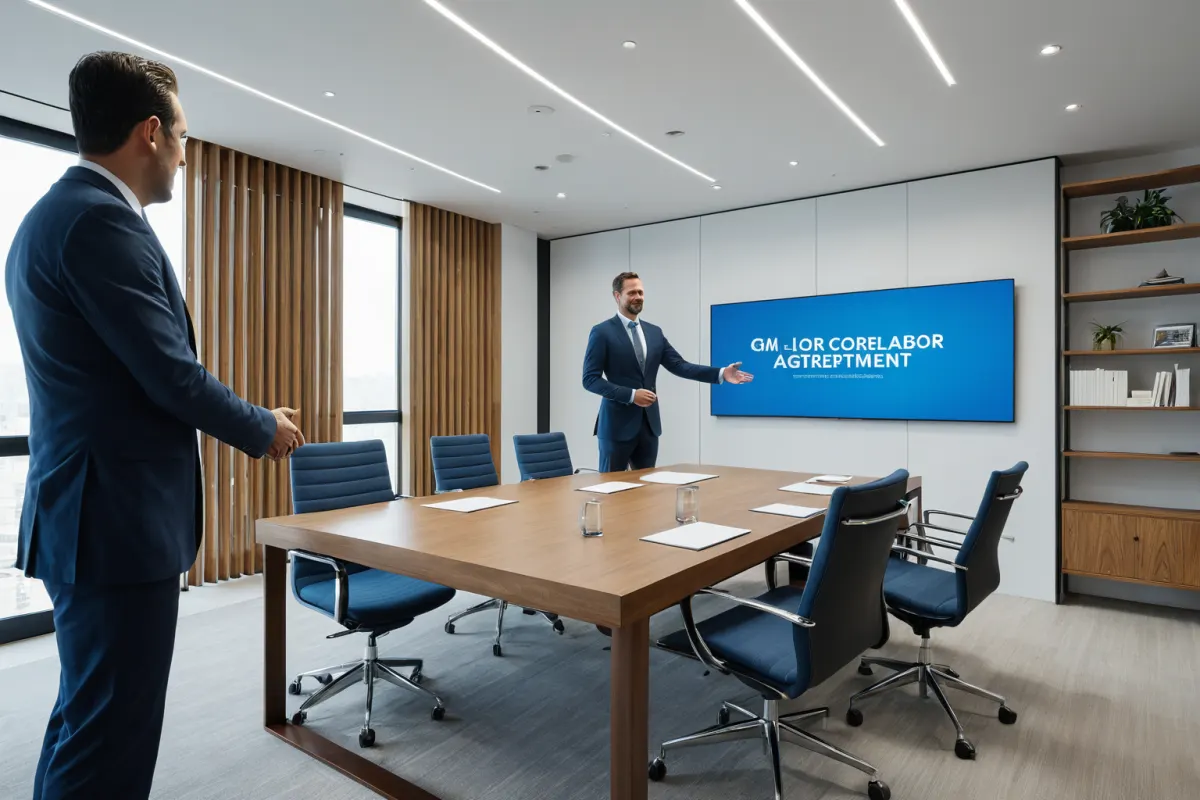
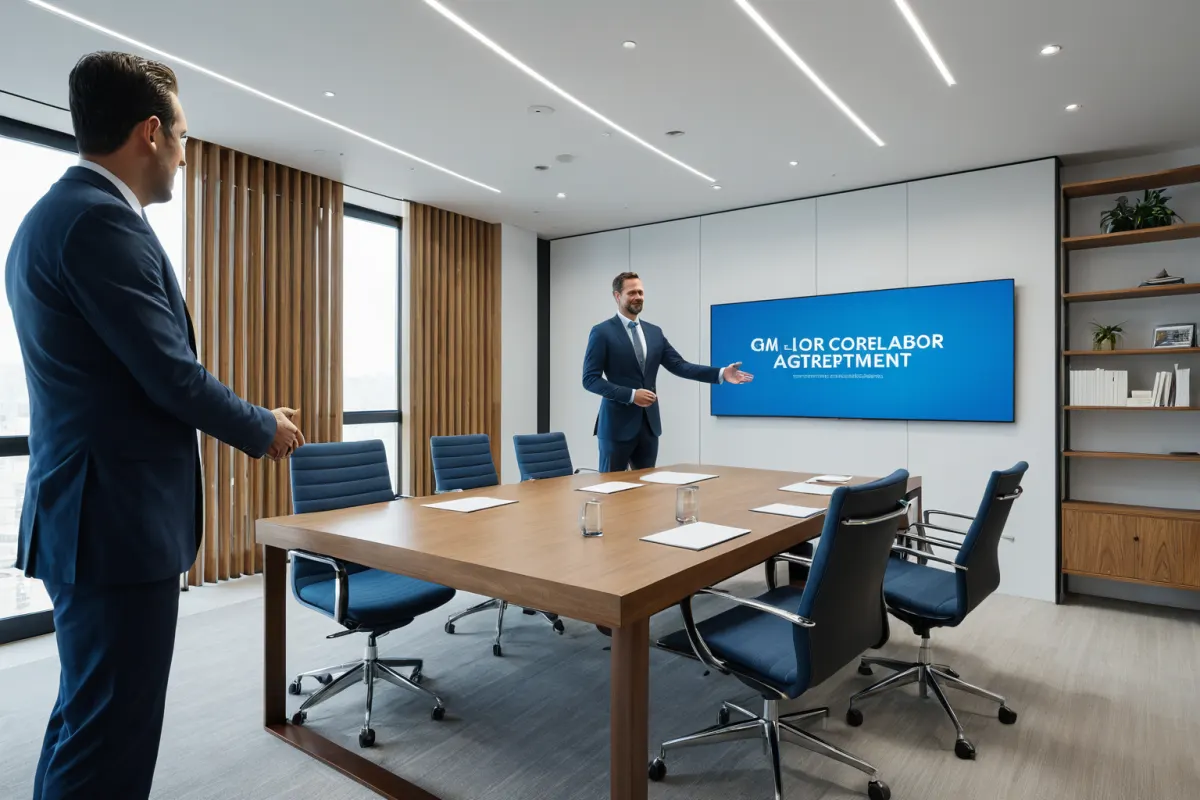
GM Korea reached a final agreement in an emergency labor-management negotiation on July 28, 2026, securing a basic wage increase of KRW 92,000 and a performance bonus of KRW 15 million—making it the first completed labor agreement in the automotive industry. The tentative agreement was approved by 56.5% of union members, while the union countered rumors of withdrawal by demanding an end to the sale of company-owned service centers and increased investment in future vehicles.
Labor Agreement Process and Key Details
On June 19, 2025, GM Korea's union overwhelmingly approved strike action. Subsequently, Hyundai Motor and Kia also achieved labor agreements without strikes, setting a positive precedent. Hyundai secured six consecutive years of no-strike negotiations by 2024, while Kia achieved its first no-strike agreement in ten years.
Alongside the labor agreement settlement, GM Korea urged the government and Industrial Bank to prepare future strategies by 2028, while also requesting direct investment from its U.S. headquarters. This suggests ongoing negotiations for employment stability and subsequent vehicle development within the next year.
Changes in the Automotive Industry and Competitive Landscape
The settlement of GM Korea's labor agreement marks the first such case in the automotive industry, foreshadowing market changes as Hyundai Motor and Kia have already maintained no-strike negotiations. Hyundai has successfully achieved six consecutive years of no-strike agreements through 2024, while Kia secured its first no-strike resolution after a decade.
The union's demand to halt the sale of company-owned service centers and increase investment in future vehicles counters withdrawal rumors, showing that the union is thinking beyond immediate wage increases toward long-term strategy.
Changes in the Labor Market and Response Strategies
Following the labor agreement settlement, GM Korea reiterated its demand to halt the sale of company-owned service centers and request investment in future vehicles. The union announced a strong response through a standing committee, urging government and Industrial Bank to implement measures protecting the industrial ecosystem.
By setting 2028 as a turning point for requesting preparation of future strategies from the government and Industrial Bank, the union aims at long-term employment stability and growth potential. This strategic approach shows that GM Korea is working to maintain competitiveness in the market when compared with Hyundai Motor and Kia's successful no-strike negotiation examples.
Future Strategy and Investment Demands
The GM Korea union met with U.S. headquarters executives to request investment in future vehicles, asking for further negotiations to prevent closure of the Gunsan plant. This emphasizes the role of government and Industrial Bank in establishing GM Korea's future strategy.
If these demands are realized, GM Korea is expected to focus on expanding investments and vehicle development. Strategic investment will be essential to build competitiveness in the emerging future vehicle market.
Key Issues After Labor Agreement Settlement
The settlement of GM Korea's labor agreement represents the first case in the automotive industry, signaling new changes in the labor market. While Hyundai Motor and Kia have already maintained no-strike negotiations, GM Korea being the first to reach a settlement is significant.
Demands by the union to halt the sale of company-owned service centers and request investment in future vehicles go beyond simple wage issues, reflecting consideration for industrial structure and long-term strategy. This shows GM Korea's confidence in its future while demonstrating strategic efforts to maintain market competitiveness.
Key Elements of Labor Market Change
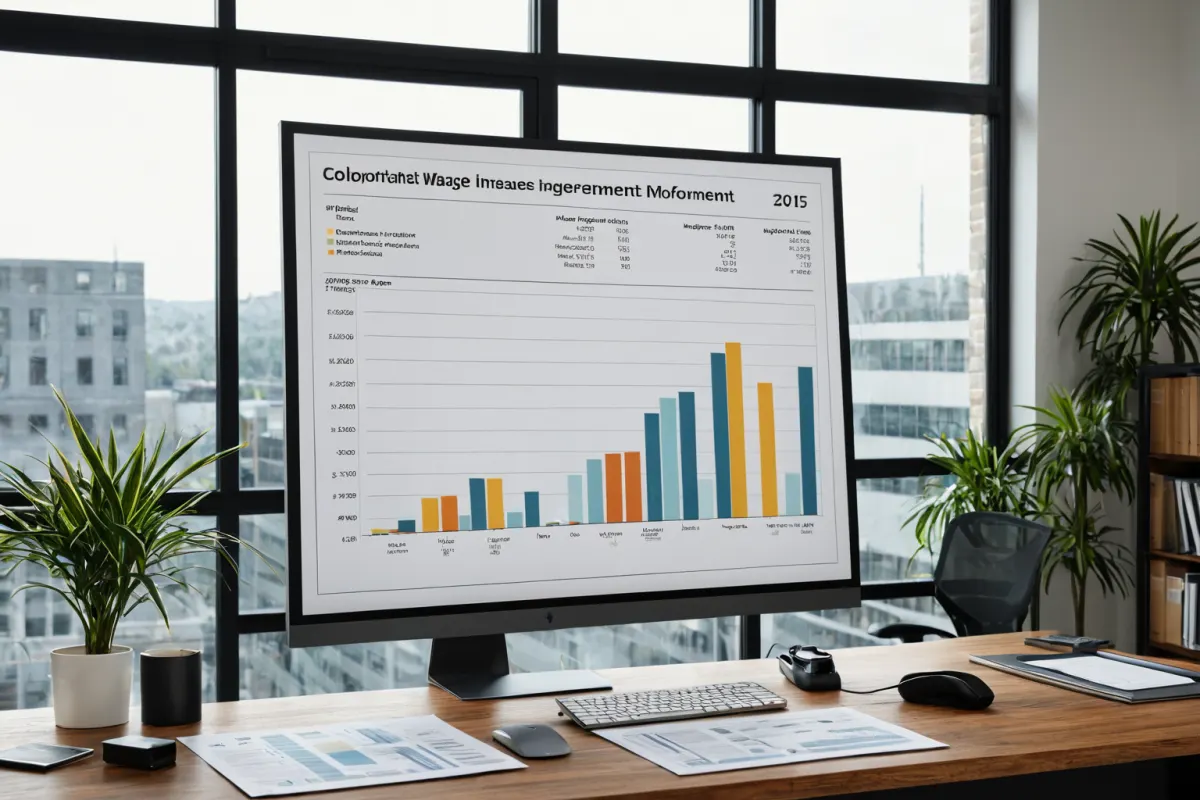
The settlement of GM Korea's labor agreement combined two key elements: employment stability and future investment. The basic wage increase and performance bonus provided immediate economic benefits, while the request for strategic preparation by 2028 aimed at long-term stability.
The fact that a labor agreement was reached amid tension between the union and management shows a new paradigm in the labor market. This indicates that both companies and workers are shifting toward considering long-term growth.
Response Strategies and Safety Information
As GM Korea's settlement marks the first case in the automotive industry, other companies may prepare similar negotiations. Therefore, businesses should respond quickly to changes in the labor market.
Beyond wage increases and performance bonuses, it is important for workers to demand employment stability and future vehicle investment. This allows securing long-term stability beyond immediate benefits.
Information to Verify
The key content of GM Korea's labor agreement settlement was finalized on July 28, 2026, with a basic wage increase of KRW 92,000 and performance bonus of KRW 15 million—making it the first completed labor agreement in the automotive industry. The tentative agreement was approved by 56.5% of union members.
The union requested an end to the sale of company-owned service centers and investment in future vehicles, while also requesting direct investment from the U.S. headquarters. By setting 2028 as a turning point for urging government and Industrial Bank to prepare future strategies, the organization is advancing organizational restructuring efforts.
Frequently Asked Questions
What are the main contents of GM Korea's labor agreement settlement?
The settlement secured a basic wage increase of KRW 92,000 and performance bonus of KRW 15 million, marking the first completed labor agreement in the automotive industry. The tentative agreement was approved by 56.5% of union members.
What demands did GM Korea make?
The union demanded an end to the sale of company-owned service centers and increased investment in future vehicles, along with a direct request for investment from the U.S. headquarters. They also urged the government and Industrial Bank to prepare future strategies by 2028.
What impact will GM Korea's labor agreement settlement have on the automotive industry?
As the first case in the automotive industry, it may encourage other companies to prepare similar negotiations. It represents a new paradigm in the labor market, leading to more active discussions on employment stability and future investment.
Frequently Asked Questions
GM Korea's labor agreement settlement is the first in the automotive industry, showcasing changes in the labor market and response strategies. The basic wage increase and performance bonus provide immediate economic benefits, while the request for strategic preparation by 2028 aims at long-term stability.
This settlement reflects a shift toward considering long-term growth from both workers and management. It is expected to open new horizons in negotiation patterns across South Korea's automotive industry in the future.
Such changes may positively impact the overall economy, emphasizing the importance of building trust and strengthening cooperative relationships in the labor market.
You can view similar articles on this topic at once.
View Related ArticlesFAQ
What are the main contents of GM Korea's labor agreement settlement?
The settlement secured a basic wage increase of KRW 92,000 and performance bonus of KRW 15 million, marking the first completed labor agreement in the automotive industry. The tentative agreement was approved by 56.5% of union members.
What demands did GM Korea make?
The union demanded an end to the sale of company-owned service centers and increased investment in future vehicles, along with a direct request for investment from the U.S. headquarters. They also urged the government and Industrial Bank to prepare future strategies by 2028.
What impact will GM Korea's labor agreement settlement have on the automotive industry?
As the first case in the automotive industry, it may encourage other companies to prepare similar negotiations. It represents a new paradigm in the labor market, leading to more active discussions on employment stability and future investment.
Korean Source
This article is an English localization of a Korean-language report from BlogScore. Original: 한국지엠 임단협 타결 이후 노동 시장의 변화와 대응 전략