
Key Takeaways from the 15th Korea-ASEAN Transport Cooperation Forum
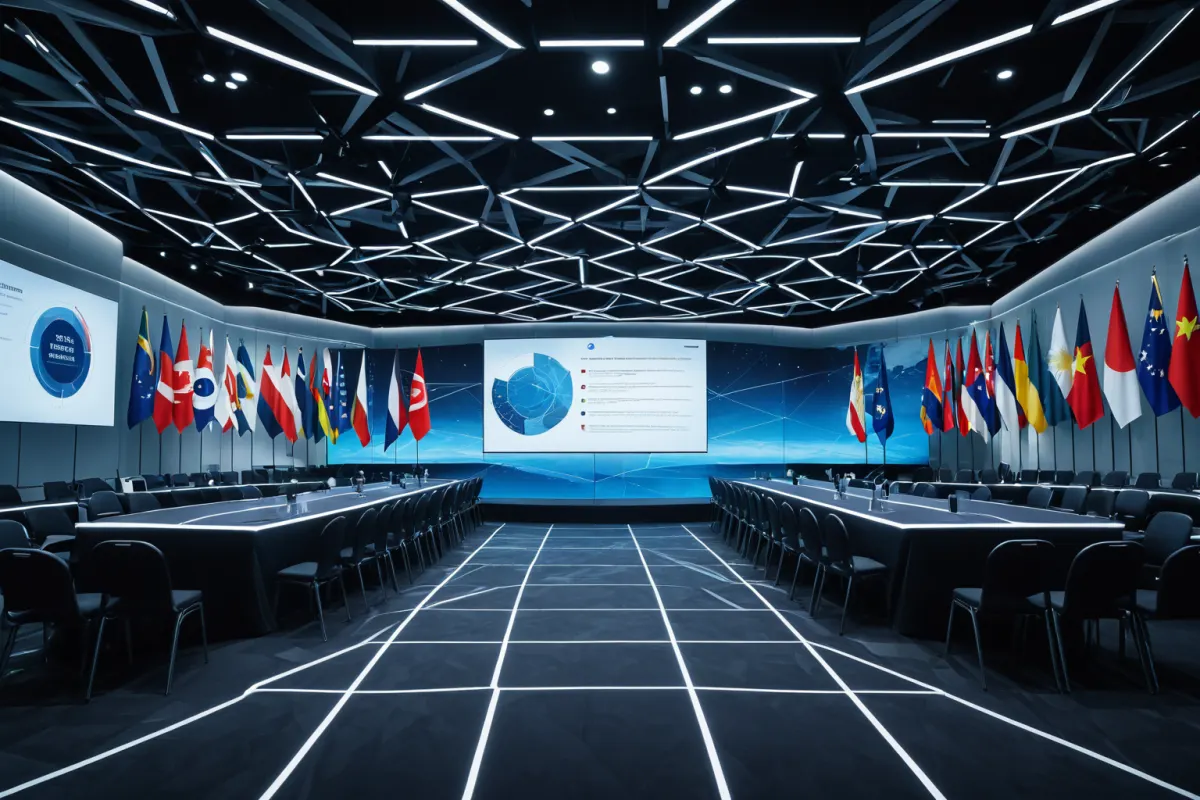
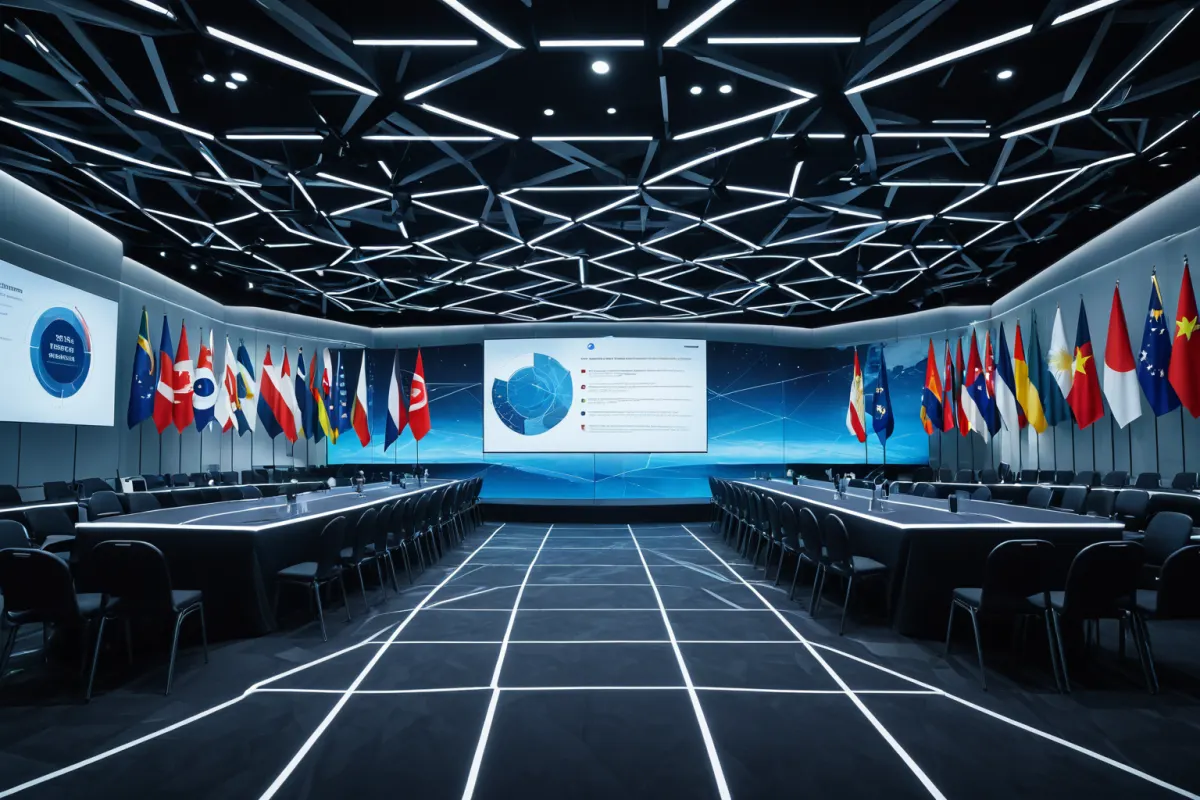
The 15th Korea-ASEAN Transport Cooperation Forum served as a platform for sharing how South Korea and ASEAN can expand cooperation in the transportation sector. Rather than just introducing the event, this forum centered on strengthening connectivity across roads, railways, ports, and aviation, while also re-evaluating directions for logistics collaboration.
Those searching for information typically want to know: "What was discussed?" "What does this mean for South Korea?" and "How might this lead to tangible cooperation?" In short, the forum prioritized aligning systems and cooperative frameworks that enable people and goods to move more quickly and safely—rather than focusing solely on transportation infrastructure.
Key Themes of the 15th Korea-ASEAN Transport Cooperation Forum
The most important focus at this forum was enhancing connectivity within transportation networks. Given that ASEAN countries have varying growth rates and infrastructure levels, topics such as cross-border road connections, port linkages, and aviation cooperation consistently remained central.
For South Korea, the significance is substantial. With manufacturing, logistics, tourism, and e-commerce all dependent on transportation networks, cooperation with ASEAN extends beyond mere diplomacy to tangible economic activity. Particularly in today's climate of supply chain stability concerns, this forum directly addresses practical business interests.
You can find similar articles in one place.
View Related ArticlesWhy the Korea-ASEAN Transport Cooperation Forum Matters
The forum acts as a mechanism for both sides to confirm alignment on shared goals. Without gradually harmonizing different standards and procedures, even extensive infrastructure investments would fail to facilitate smooth movement and transport across borders.
For instance, complex customs procedures when logistics vehicles cross borders can significantly delay shipments. Similarly, new railway or port systems may underperform if operational rules differ between countries. This is why the forum also addresses not only infrastructure investment but also standardization of regulations, technology exchange, and safety cooperation.
How Transportation Cooperation Makes a Real Difference
Transportation collaboration isn't just talk—it leads to tangible improvements like reduced logistics costs, shorter transit times, and better tourism convenience. With steadily increasing cross-border movement within ASEAN, the integration of airports, ports, and land transport has become increasingly important.
For example, when South Korean companies supply parts to ASEAN countries, efficient port handling and reliable inland transportation systems make on-time delivery more achievable. Conversely, inconsistent procedures or differing regulations can lead to unpredictable shipping times, increasing inventory burden. Thus, the discussions at this forum impact both businesses and travelers—not just as policy news but as practical improvements.

Common Agenda Items Discussed at the Forum
At international transport cooperation events like the 15th Korea-ASEAN Transport Cooperation Forum, certain topics frequently come up. First is land transportation connectivity, including roads and railways. Second is improving port and maritime logistics efficiency. Third is expanding aviation safety standards and network coverage.
Digital transformation also plays a key role. Recent discussions often include shared traffic data, smart logistics, eco-friendly transport, and carbon reduction initiatives. In other words, the focus isn't just on building more roads but on how to connect systems smarter and more sustainably.
Real-World Examples for Beginners
Consider a South Korean company shipping parts to Vietnam, Thailand, or Malaysia. If ports and road networks are well-connected, containers move quickly, allowing production schedules at local factories to remain stable.
If border crossing procedures are slow or transportation regulations differ between countries, the same shipment may arrive at inconsistent times. In such cases, standardization and cooperative frameworks discussed at the forum can provide practical solutions—reducing uncertainty in international logistics.
Potential Benefits for South Korea
Given South Korea's large scale of engagement with ASEAN, transport cooperation has significant ripple effects. Easier travel for tourists, expanded airline routes, and more efficient maritime shipping benefit both businesses and consumers.
Transport sector collaboration also connects to technology exports. Areas like smart transportation systems, eco-friendly bus operations, traffic safety management, and port automation are where South Korea holds competitive advantages. Thus, the forum serves as a nexus for policy discussions and industrial opportunities.
What to Look For in Articles or Press Releases
When reading about such international forums, focus on actual agreements rather than flashy headlines. Key indicators include budget allocations, joint research initiatives, pilot projects, personnel exchanges, and follow-up meeting schedules—these help gauge real-world impact.
The specific focus area is also important: Is the emphasis on road infrastructure, port logistics, or digital transportation systems including carbon reduction? Depending on this focus, future benefits will vary. While headlines may seem similar, the nature of the agenda can differ significantly.
Background for Understanding the Korea-ASEAN Transport Cooperation Forum
The Korea-ASEAN Transport Cooperation Forum isn't a repetitive event; it evolves with changing regional transportation environments and shifting global logistics flows. As such, each successive forum broadens its scope of cooperation slightly.
Given that ASEAN countries are at different development stages, one-size-fits-all models rarely work. This is why the forum emphasizes phased, tailored collaboration for each country's context. Understanding this background makes it more meaningful to focus on what sustainable cooperation directions emerged in the 15th meeting rather than just the numerical designation.
Summary of Key Points from the 15th Korea-ASEAN Transport Cooperation Forum
This forum serves as a platform for South Korea and ASEAN to discuss collaboration on transportation infrastructure, logistics, safety, and digital transformation. While no single event will transform everything overnight, it sets an important foundation for future initiatives and policy improvements.
To summarize the core points for readers: This forum was about determining what needs to be aligned to enable faster and more reliable movement of people and goods—focusing on logistics connectivity, eco-friendly transportation, and sustainable practical collaboration.
FAQ
Q1. What is the 15th Korea-ASEAN Transport Cooperation Forum?
The forum brings together South Korea and ASEAN nations to discuss directions for cooperation in the transportation sector. Topics include roads, railways, ports, aviation, logistics, and safety.
Q2. Is this relevant to ordinary citizens?
While it may seem like a policy-focused event, it indirectly affects air routes, logistics costs, tourism convenience, and traffic safety.
Q3. What should I look for in press releases about the forum?
Focus on agreement details, follow-up initiatives, pilot project plans, specificity of cooperation areas, and future meeting schedules to better understand practical implications.
For latest results or official announcements, check updates following the event.
Continue exploring similar topics.
View Category ArticlesFAQ
What is the 15th Korea-ASEAN Transport Cooperation Forum?
The forum brings together South Korea and ASEAN nations to discuss directions for cooperation in the transportation sector. Topics include roads, railways, ports, aviation, logistics, and safety.
Is this relevant to ordinary citizens?
While it may seem like a policy-focused event, it indirectly affects air routes, logistics costs, tourism convenience, and traffic safety.
What should I look for in press releases about the forum?
Focus on agreement details, follow-up initiatives, pilot project plans, specificity of cooperation areas, and future meeting schedules to better understand practical implications.
Korean Source
This article is an English localization of a Korean-language report from BlogScore. Original: 제15차 한-아세안 교통협력포럼 핵심 내용 정리