
Key Points to Consider When Adopting a Stray Dog: A Step-by-Step Guide
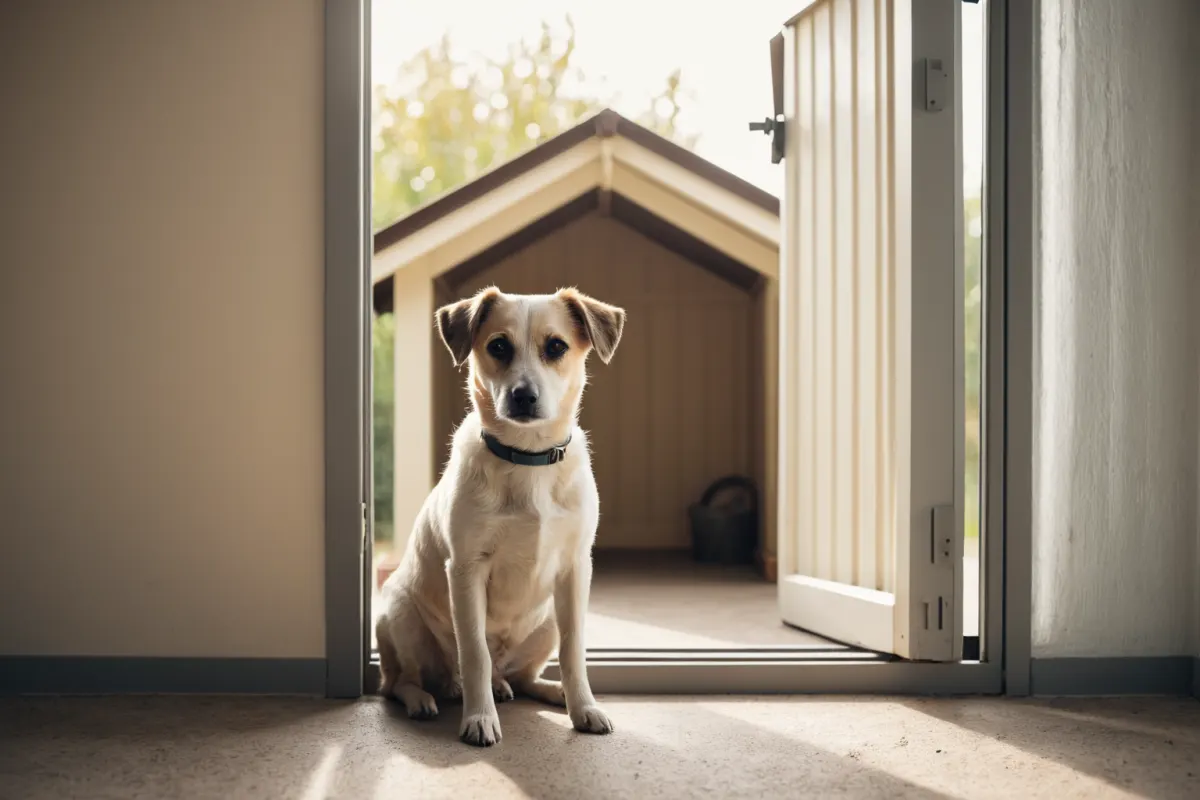
If you're considering adopting a stray dog, the first thing to check isn't 'where to adopt from,' but whether adoption is actually possible. When adopting through shelters or animal protection centers, procedures like identity verification, counseling, home environment checks, and responsibility agreements are required. If documents or schedules don't align, the process may not proceed smoothly. Knowing these steps in advance can prevent wasted trips and ensure a more stable meeting for the dog.
Many people mistakenly think stray dog adoption is as simple as 'free pet adoption,' but it's far from a straightforward handover. Adopting a companion animal is a lifelong responsibility, so shelters carefully assess applicants, and adopters must demonstrate readiness.
Basic Flow of Stray Dog Adoption Procedures
The process typically starts with visiting the shelter or checking online notices. Once you find a dog you like, don't rush to take them home immediately. Instead, expect to complete steps like filling out an adoption application, counseling, identity verification, and confirming adoption conditions.
Next, shelters will ask questions about your living environment and care plans, such as 'How much time are you alone during the day?' or 'What type of housing do you have?' This may feel like a strict review, but it's designed to match each dog with the right home.
Finally, you'll complete contracts or adoption agreements per shelter guidelines, receive information about vaccinations and health status, and sometimes maintain contact for a period after adoption.
You can find more articles on similar topics in one place.
View Related ArticlesConditions to Verify Before Applying for Adoption
First, check adoption eligibility by location and whether you can visit in person. Some shelters only allow in-person visits, while others require appointments or have limited hours on weekends or specific times. Plan your schedule accordingly.
Your living environment matters more than lease type. Focus on whether your space is suitable for a dog—do you have enough indoor space, accessible walking routes, and permission to keep pets?
Family consent is also crucial. If you decide to adopt without involving family members and later face allergies or opposition, it could stress the dog. Make sure everyone agrees on caregiving responsibilities and financial commitments before applying.
Frequently Asked Questions During Shelter Counseling
Shelters often ask questions like 'How often can you walk your dog?' or 'Is someone home during the day?' You don't need to give perfect answers, but be honest about what's realistically possible. For example, if you work full-time and are alone for long periods, say something like, 'I'm alone during weekdays but can take my dog out in the morning and evening.' Shelters use this info to match dogs with compatible owners.
Some shelters may also request proof of spaying/neutering or vaccination records for existing pets. This isn't optional—it's essential for safety, so bring these documents ahead of time to speed up the process.
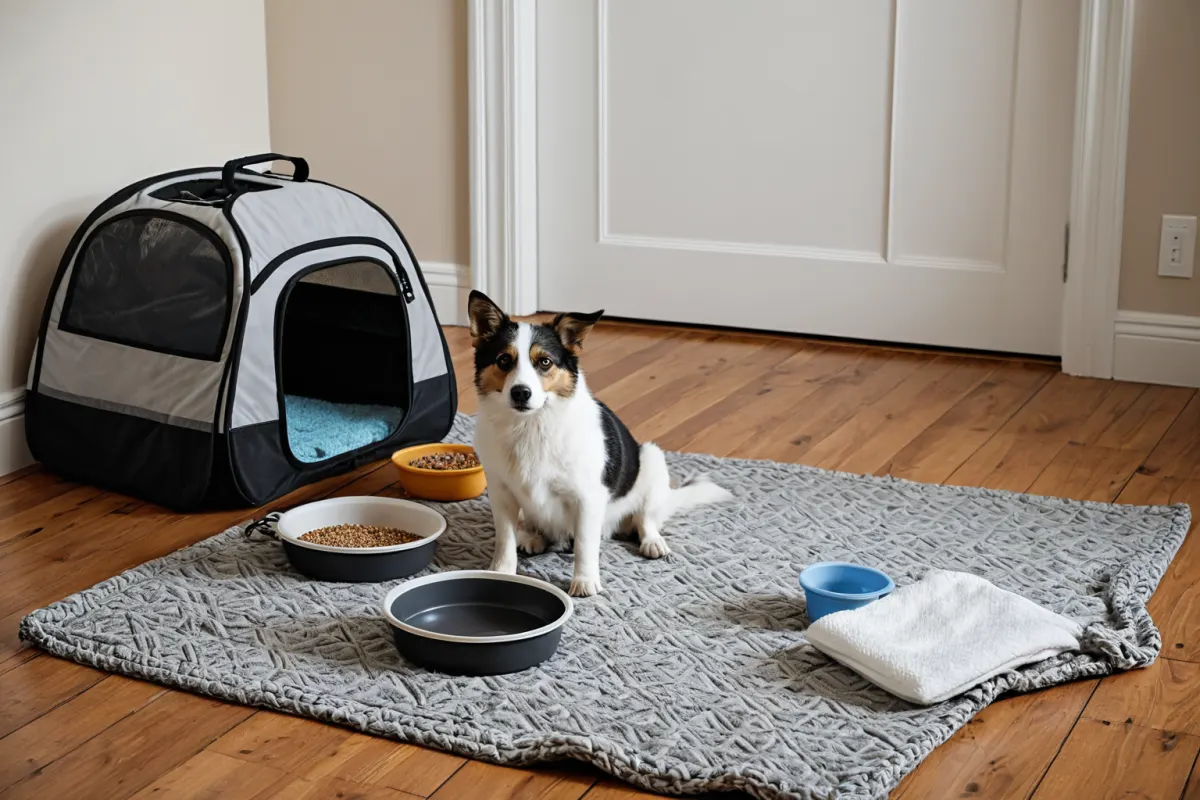
Essential Items Needed Right After Adoption
Once adoption is confirmed, prepare basic items before bringing your new pet home. Essentials include food, water and food bowls, harnesses, leashes, potty pads, and carriers. Whether adopting a puppy or adult dog, the first few days are about adjusting to their new environment, so provide a quiet space for rest.
Focus on practical items rather than fancy ones. For example, choose a harness that fits your dog's size—otherwise walks will be uncomfortable—and place potty pads strategically based on your home layout to minimize accidents.
In the first few days, avoid overwhelming your new pet with visitors or excessive cuddling. Let them adjust quietly in their new surroundings; too many stimuli can lead to nighttime barking or accidents.
Common Mistakes in Stray Dog Adoption
A common mistake is assuming a dog will naturally adapt once at home. In reality, you often need to adjust routines before bringing them home—like setting consistent walking and feeding times—to help them settle faster.
Another error is judging a dog's personality based solely on photos. A calm photo might not reflect their true behavior; some dogs are shy or wary initially but become affectionate over time, while others may seem friendly in photos but be nervous around people.
Avoid rushing comparisons with other adopters' experiences. Every dog adapts at its own pace—what works for one might not work for another. Don't assume initial calmness means the dog will remain calm forever.
Understanding Adoption Costs and Responsibilities
Adopting a stray dog doesn't mean no cost. Fees vary by shelter, covering basic checkups, vaccinations, spaying/neutering, transport, and follow-up care. However, ongoing costs like vet visits and daily supplies are more significant than the adoption fee itself.
Be prepared for unexpected expenses in the first month—like switching food due to allergies or treating stress-related issues. Before adopting, ask yourself not just 'Can I bring them home now?' but 'Can I support them steadily over months?'
Responsible pet ownership means integrating care into daily life: walking, potty training, training, vet visits, and evening care. Self-assess whether you can handle these commitments before adopting.
Sample Pre-Adoption Checklist
If you're new to adoption, here's a simple checklist:
- Can you legally keep a dog at home?
- Do all family members agree to the adoption?
- Can you schedule walks on weekdays and weekends?
- Can you afford expected vet costs and supplies?
- Are your schedules aligned with shelter counseling hours?
Checking these items can prevent post-adoption stress. Adoption works best when preparation comes before enthusiasm.
What to Look for in Stray Dog Adoption Listings
When reviewing listings, check age, gender, spaying/neutering status, weight, health condition, and temperament. Pay special attention to whether they're friendly with people, shy around strangers, or compatible with other pets—these traits directly impact daily life.
For example, a listing saying 'quiet bark' might mean the dog is calm in shelter settings but noisy at home. Always ask questions during counseling rather than relying solely on descriptions.
Adoption requirements vary by shelter, so if one doesn't work for you, don't give up—adjust your approach to find a process that fits your situation.
Managing the Adjustment Period After Adoption
The first week after adoption should prioritize stability over training. Your dog might not respond quickly to their name or eat as much at first. Avoid forcing interaction; instead, maintain consistent routines for better adjustment.
Start walks short and gradually increase duration based on your dog's reaction. Praise positive behavior like successful potty breaks rather than scolding accidents. Remember: adapting takes time—being a steady caregiver matters more than being perfect.
FAQ
Q1. Can anyone adopt a stray dog immediately?
No. Shelters assess factors like age, living conditions, family consent, and available care time before approving adoptions. Counseling usually precedes the adoption process.
Q2. Is 'free pet adoption' the same as stray dog adoption?
Not exactly. While fees might be low or nonexistent, shelters still require proper procedures and responsibilities. Don't assume it's just about cost—there are important conditions involved.
Q3. Is adopting an adult dog easier than a puppy?
It depends, but adults often have more predictable personalities and habits compared to puppies, which may require more time for potty training and socialization.
Stray dog adoption procedures might seem complex at first glance, but taking it step by step makes them manageable. The most important things are answering shelter questions honestly and confirming you can handle the commitment long-term. Always double-check current adoption policies with your local animal shelter before proceeding.
Explore more articles on similar topics.
View Category ArticlesFAQ
Can anyone adopt a stray dog immediately?
No. Shelters assess factors like age, living conditions, family consent, and available care time before approving adoptions. Counseling usually precedes the adoption process.
Is 'free pet adoption' the same as stray dog adoption?
Not exactly. While fees might be low or nonexistent, shelters still require proper procedures and responsibilities. Don't assume it's just about cost—there are important conditions involved.
Is adopting an adult dog easier than a puppy?
It depends, but adults often have more predictable personalities and habits compared to puppies, which may require more time for potty training and socialization.
Korean Source
This article is an English localization of a Korean-language report from BlogScore. Original: 유기견분양 받을 때 입양절차 주의할 점 정리