
Key Issues in South Korea's Second Space Center Competition: Location, Budget, and Jobs
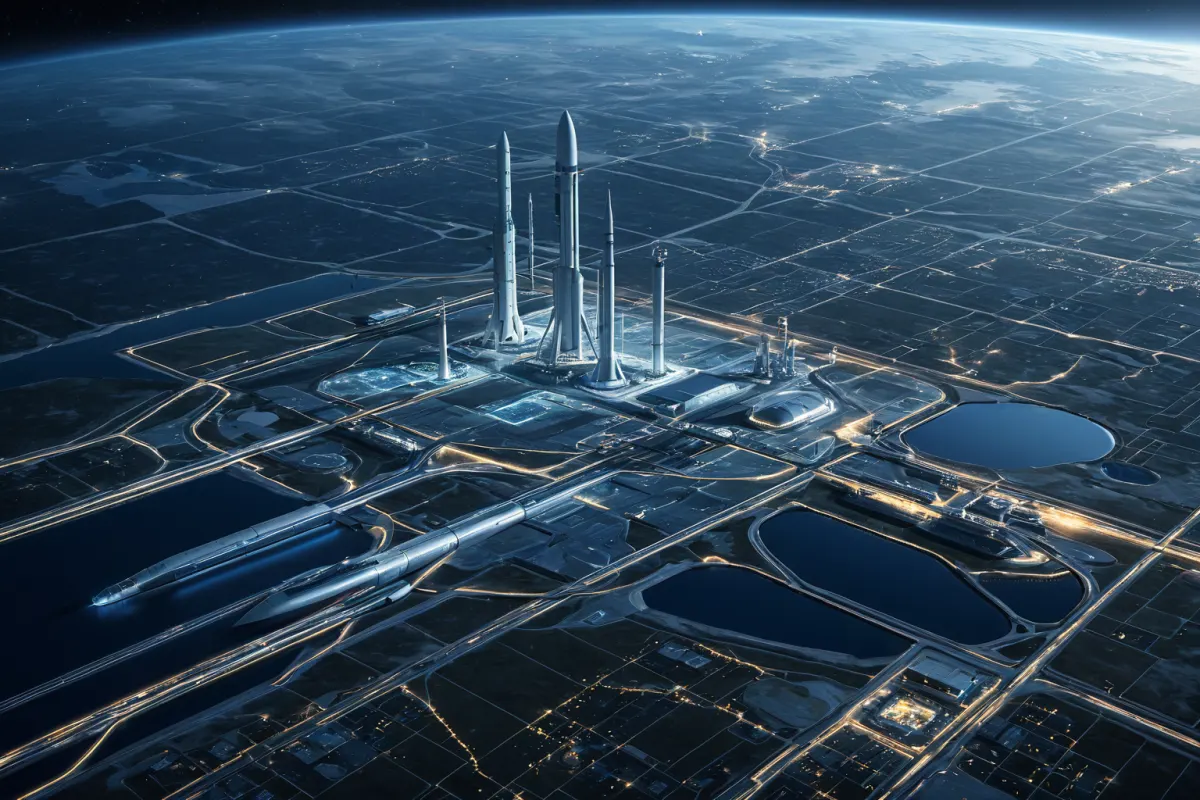
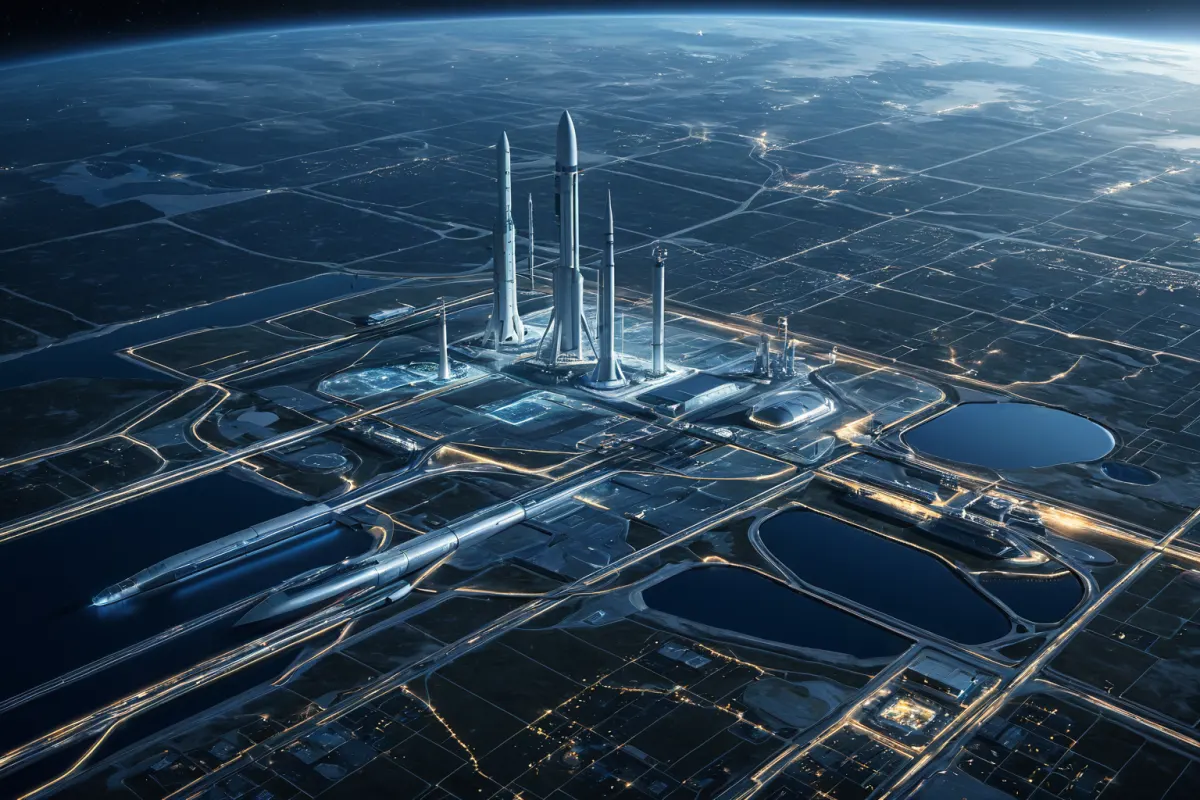
The core of the Second Space Center competition ultimately comes down to where it can be built, how much budget it will require, and how many jobs it will create in the region. This is not just about building a single space-related facility, but competing for a location that could become a hub for South Korea's national space industry, considering operational costs and long-term industrial impact.
Therefore, when evaluating this issue, it's more important to consider "why a particular area is being considered" and "whether the conditions are realistically manageable," rather than simply who wins the competition. While it may seem like a development opportunity on the surface, factors like land acquisition, transportation, power supply, and workforce availability play a much more critical role.
Why Location Is the First Priority
A space center is not just an office building—it requires facilities for testing, assembly, launch support, and research. This makes location conditions particularly demanding. The key considerations include whether there's enough land available, whether it avoids conflicts with nearby civilian infrastructure, and whether noise or safety concerns can be managed.
For example, coastal areas with good access may be well-suited for rocket launches due to better connectivity, while inland locations might be more favorable for research and assembly. So it's not accurate to say "coastal is always better" or "Seoul area is always easier." The decision depends on a balanced evaluation of all factors.
You can find similar articles in one place.
View Related ArticlesBudget Disputes Are Growing
This project isn't just about building a structure once—it could involve roads, power lines, communication systems, and testing facilities, making initial budgets quickly escalate. As a result, competing regions often emphasize "significant economic benefits," while the central government must weigh financial burden against priority needs.
In reality, large national projects like this often face more debate over operational costs than construction costs. Even if a region seems promising at first, uncertainty around long-term maintenance and additional infrastructure costs can undermine the project's viability.
For example, even if one region promises free land, costs for road expansion or industrial park connections could push total expenses higher than expected. That's why "free land" is less important than understanding who bears the total project cost and follow-up expenses.
Job Effects May Differ From Expectations
The expectation that a space center will create local jobs is high. Indeed, construction may bring short-term employment, while operations could generate demand for research, safety, facility management, and supporting companies.
However, not all jobs necessarily go to local residents. Specialized researchers or technical roles are likely to be filled from outside the region, while local job opportunities might focus more on support, maintenance, and service sectors. So it's important to look at job composition, not just numbers.
For instance, a claim of "1,000 new jobs" could include regular research positions, short-term construction workers, and subcontractor staff. What matters most for residents is understanding which types of roles will actually emerge in the area.

Regional Balance and Industrial Ecosystem Expansion
The Second Space Center competition also draws attention because it's not just about facility placement—it's tied to expanding an industrial ecosystem. The space industry doesn't operate in isolation; it requires components, materials, maintenance, testing, and data analysis companies working together for scale.
So if a region secures the center, it could bring together nearby universities, research institutes, and small businesses into one network. For this effect to materialize, long-term contracts and infrastructure for collaboration must be established first—not just one-time events.
This is exactly what regions hope for: rather than simply attracting more tourists, they aim for business attraction and professional talent retention. However, building such an ecosystem requires strong existing research foundations and business networks; it can't happen through mere promises.
Key Factors to Consider When Evaluating Candidates
What searchers are most curious about is likely "which area has the advantage?" But when assessing candidates, it's helpful to look at these factors together:
- Land size and potential for future expansion
- Transportation network and logistics convenience
- Basic infrastructure like power, communication, and water supply
- Potential neighborhood conflicts and safety distances
- Connectivity with research institutions, universities, and businesses
No single factor alone guarantees success. Especially for space-related facilities where safety and operational stability are critical, even a seemingly ideal location may not be chosen if local acceptance or environmental conditions don't align.
For example, an area with existing industrial zones might have faster infrastructure development but higher land costs or more neighborhood complaints. So it's inaccurate to assume "underdeveloped areas are always better" or "developed areas are always worse." Each case must be evaluated on its own merits.
Real-World Examples: Expectations vs Reality
In large public facility competitions, initial expectations are often high, but actual results take time to materialize after selection. The same is true for the space center—economic revitalization doesn't happen immediately after an announcement.
The first changes involve construction demand and administrative procedures, followed by business expansion and talent recruitment. Residents might wonder "why isn't there any change yet?" but such projects require more time for preliminary planning than actual construction.
So when reading about the competition, focus not just on who wins, but also on how feasibility studies, land acquisition, infrastructure work, and operational management are being handled. These steps must align to create real impact.
Other Key Issues to Consider Alongside This
The Second Space Center competition isn't a standalone issue—it's intertwined with national space policy and regional industrial strategy. Rocket technology, satellite data usage, and plans for nurturing private space companies all need to progress alongside the center's development for it to have real meaning.
Another often overlooked aspect is public acceptance. Large facilities bring both expected benefits and potential lifestyle disruptions like noise, traffic, and safety concerns. Clear communication about these issues can help reduce conflicts.
In the end, winning this competition isn't about who makes the biggest promises—it's about who has the most sustainable conditions for long-term operation. Real plans matter more than short-term promotion.
FAQ
Q. Why is the Second Space Center competition receiving so much attention?
A. Because it could become a central hub for South Korea's national space industry, bringing job opportunities and business attraction to regions while offering the government a strategic long-term base.
Q. Does having good land guarantee winning the competition?
A. No. It requires a balance of land availability, budget planning, infrastructure, public acceptance, and operational plans. One strong factor alone isn't enough.
Q. What should local residents check first?
A. The types and scale of actual jobs created, as well as changes to living conditions. Short-term construction effects may differ from long-term operational benefits, so it's important to distinguish between the two.
Latest announcements or candidate changes may vary later, so it's best to double-check relevant schedules and government review results.
Continue exploring similar topics.
View Category ArticlesFAQ
Why is the Second Space Center competition receiving so much attention?
Because it could become a central hub for South Korea's national space industry, bringing job opportunities and business attraction to regions while offering the government a strategic long-term base.
Does having good land guarantee winning the competition?
No. It requires a balance of land availability, budget planning, infrastructure, public acceptance, and operational plans. One strong factor alone isn't enough.
What should local residents check first?
The types and scale of actual jobs created, as well as changes to living conditions. Short-term construction effects may differ from long-term operational benefits, so it's important to distinguish between the two.
Korean Source
This article is an English localization of a Korean-language report from BlogScore. Original: 제2우주센터유치전 쟁점 정리: 입지·예산·일자리