
Key Issues in the Hanwha Aero Explosion Incident
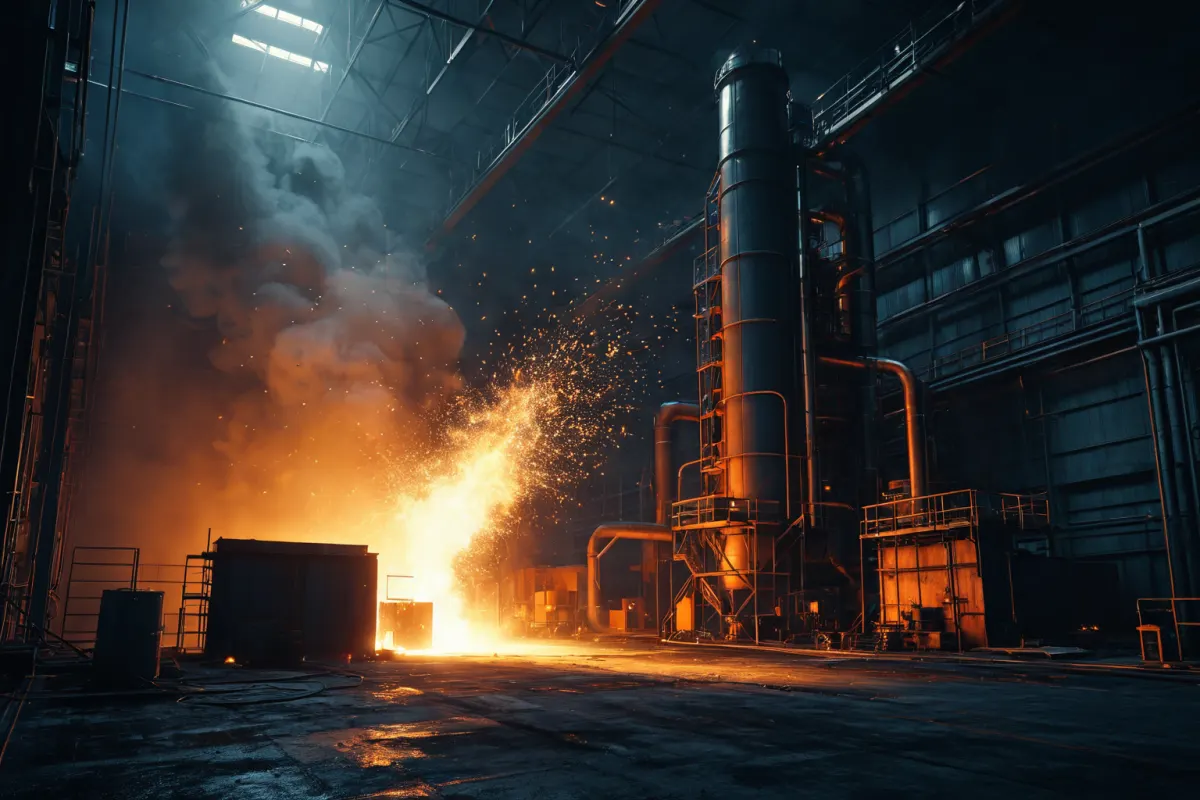
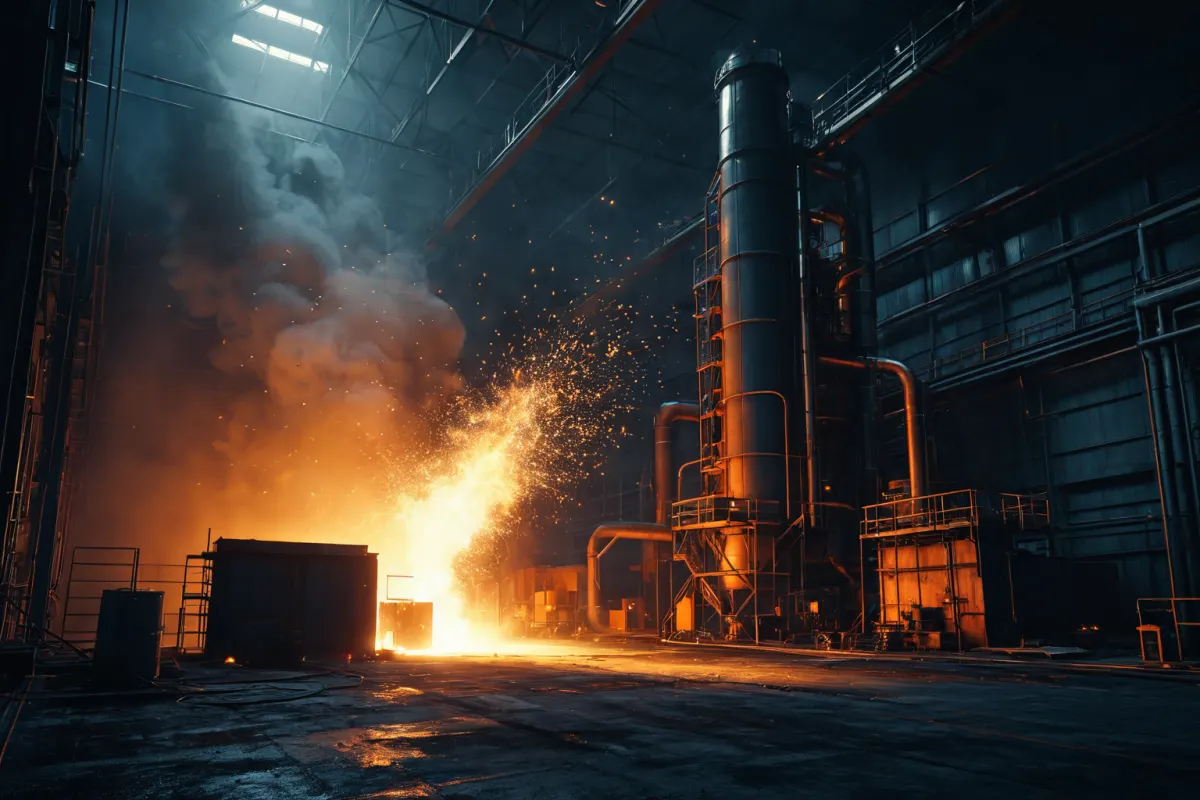
The most common question about the Hanwha Aero explosion is "Why did it happen?" While investigations are ongoing and no definitive conclusion has been reached, such incidents typically result from multiple factors combining—such as ignition sources, flammable materials, work procedures, and equipment malfunctions.
In other words, the key issue to focus on isn't who made a mistake but rather what conditions coincided. News articles often use sensational language, but determining the actual cause requires examining physical evidence at the scene, equipment records, worker testimonies, and safety management history together.
Core Issues in Determining Explosion Causes
Explosions rarely stem from a single error. In environments with flammable gases, dust, or chemicals, even a small spark, static electricity, or equipment malfunction can lead to major incidents.
In industrial settings like this one, critical factors include whether pre-work inspections were properly conducted, whether hazardous material handling standards were followed, and whether ventilation and isolation systems functioned correctly. While these elements serve as starting points for investigation, they shouldn't be used alone to draw conclusions.
You can view similar articles on this topic in one place.
View Related ArticlesKey Inspection Points at the Scene
To assess the cause of an explosion, the first things investigators look at are on-site conditions. This includes work being performed just before the incident, machine operation status, whether unusual odors or alarms were detected, and the types of materials present nearby.
For example, in processes involving solvents or gases, even minor leaks can be problematic. Investigators also check if sparks occurred when metal tools were handled, electrical arcs appeared, or static prevention measures were taken.
At this stage, it's important to distinguish between speculation and verified evidence. Statements like "I smelled something" or "the sound was strange" aren't enough on their own; physical debris and measurement data must align with these accounts.
Why Safety Management Issues Are Drawing Attention
After an explosion, questions often arise about whether the safety management system functioned properly—because accidents rarely happen by mere bad luck but usually involve missed warning signs.
For instance, if routine inspections were conducted superficially, hazardous work permits were loosely handled, or protective gear was routinely ignored, the risk of an accident increases significantly. That's why investigations look beyond just the incident site to review prior management records.
A common issue at industrial sites is when "people knew but didn't document it." When this happens, determining responsibility becomes complicated, and official cause announcements may be delayed.

Common Patterns in Similar Incidents
Industrial explosions often follow predictable patterns. Examples include electrical sparks in the presence of flammable vapors, gas accumulation in enclosed spaces, or insufficient removal of residual materials during cleaning and maintenance.
Historically, many accidents occurred even when workers said "we always do it this way," highlighting how routine tasks can lead to complacency and overlooked safety checks. That's why investigations closely examine whether normal procedures were truly safe.
When incidents like the Daejeon Hanwha Aero explosion involve specific locations or companies, information spreads quickly—but so do unverified speculations. In such cases, it's important to separate official investigation results from early media reports.
Necessary Materials for Understanding the Cause
Searchers often want to know "what was actually wrong," but this answer rarely comes all at once. Multiple pieces of evidence must be gathered:
- Work instructions and staff assignments just before the incident
- Equipment inspection records and alarm logs
- Hazardous material handling history
- On-site CCTV footage, debris analysis, and forensic results
- Safety training records and work permits
If any one of these is missing, the conclusion will remain speculative. That's why early definitive statements should be treated with caution.
What to Watch for as a General Reader
When reading about such incidents, focus on factual details rather than sensational headlines. Phrases like "confirmed cause" or "management negligence confirmed" should be viewed carefully before official investigations conclude.
For example, when searching for similar incidents, check whether the article includes time, location, type of work, and investigation body—not just the headline. Shorter articles often lack context.
Also, avoid blaming individual mistakes alone. Industrial accidents usually result from a combination of equipment, environment, and management systems working together—not just one person's error.
FAQ
Q1. Has the cause of the Hanwha Aero explosion been confirmed?
No, investigations are still ongoing, so it's difficult to determine a definitive cause yet. A more accurate conclusion will come after on-site investigation and safety record review.
Q2. What is most commonly cited as the cause of explosions?
Commonly mentioned factors include leaks of flammable materials, ignition sources, equipment malfunctions, non-compliance with work procedures, and static electricity. However, actual causes are often complex combinations of multiple factors.
Q3. How should such news reports be viewed?
Focus on official investigation results, on-site verification details, and police findings rather than speculative language. Information can vary depending on the timing of the report.
Given that this is a developing situation with ongoing investigations, details may change as more information becomes available. It's best to follow official investigation outcomes for the final cause and responsibility determination.
Continue exploring similar topics.
View Category ArticlesFAQ
Has the cause of the Hanwha Aero explosion been confirmed?
No, investigations are still ongoing, so it's difficult to determine a definitive cause yet. A more accurate conclusion will come after on-site investigation and safety record review.
What is most commonly cited as the cause of explosions?
Commonly mentioned factors include leaks of flammable materials, ignition sources, equipment malfunctions, non-compliance with work procedures, and static electricity. However, actual causes are often complex combinations of multiple factors.
How should such news reports be viewed?
Focus on official investigation results, on-site verification details, and police findings rather than speculative language. Information can vary depending on the timing of the report.
Korean Source
This article is an English localization of a Korean-language report from BlogScore. Original: 한화에어로폭발사고 원인으로 거론되는 쟁점