
Key Elements and Scope of the U.S. Forced Labor Tariff System
U.S. Forced Labor Tariff Set at 12.5%
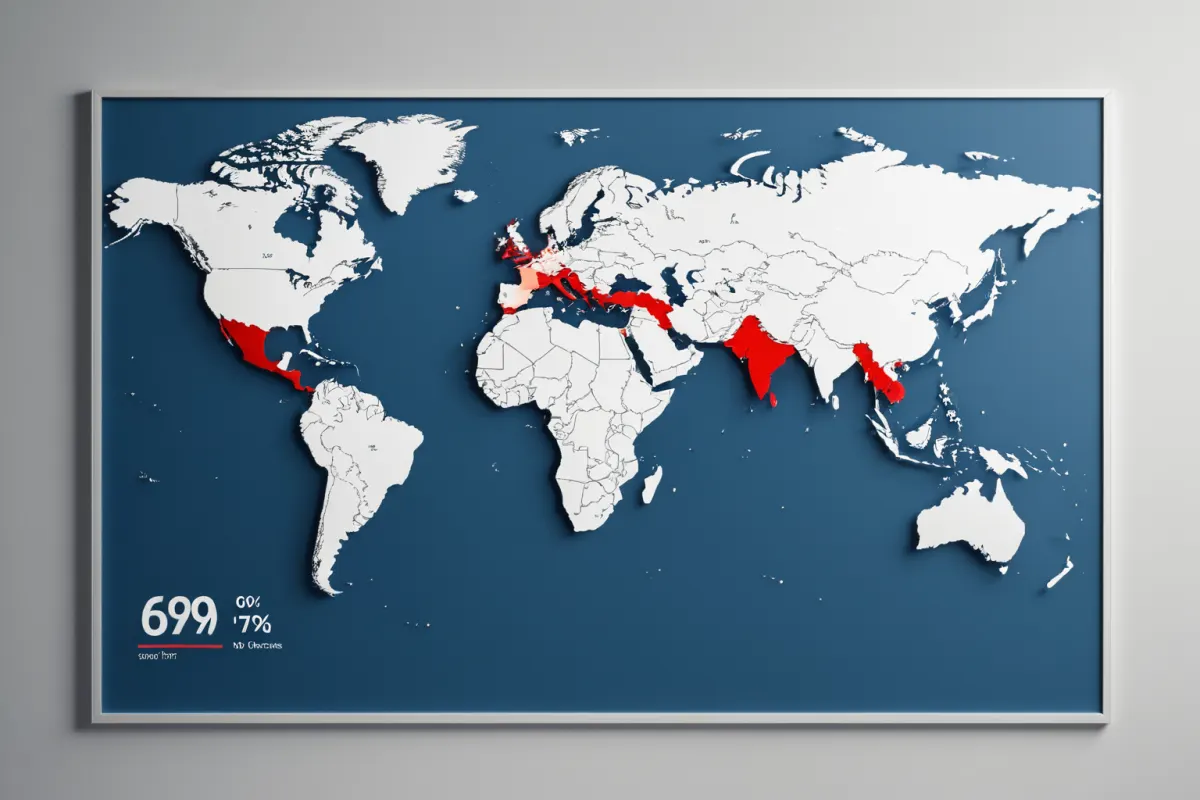
The U.S. has imposed a 12.5% additional tariff on South Korean products as part of its forced labor policy, affecting exports to over 60 countries including Korea. This decision, based on Section 301 of the U.S. Trade Act initiated during the Trump administration, was maintained after government negotiations with U.S. authorities.
You can view similar articles in one place.
View Related ArticlesBackground of the Forced Labor Tariff System
The U.S. Trade Act Section 301 allows additional tariffs on imports related to forced labor issues. This provision has been used by the U.S. since the Trump administration in 2017 and applied to multiple countries until recently. The recent decision extends this policy to 60 countries including South Korea, with significant impact expected on automotive, battery, and steel exports.
The U.S. Trade Representative (USTR) finalized the Section 301 tariff measures related to forced labor on July 23, 2026, setting the rate at 12.5% for South Korean products. Despite negotiations with the Korean government, the 12.5% rate was maintained.
Impact on Korean Industries and Tariff Coverage
The U.S. is imposing a 12.5% additional tariff even on South Korean products not officially designated as involving forced labor. Reports indicate that while the U.S. raised concerns about potential forced labor issues, both the Korean government and companies have denied these allegations.
Automotive, battery, and steel sectors are expected to be most affected, as they hold significant market shares in the U.S. Additional tariffs could weaken their competitiveness. However, pharmaceuticals have been excluded from this tariff, which is seen as a positive development for exporters in that sector.
Cheong Wa Dae's Negotiation Efforts and Future Outlook
The Korean government has been negotiating with the U.S. to maintain a 15% cap on tariffs under the Korea-U.S. tariff agreement. However, the U.S. maintained the 12.5% rate, signaling potential changes in future tariff policies.
Cheong Wa Dae (the Blue House) continues to negotiate with the U.S. to maintain a 15% cap, which could lead to reduced actual tariff rates. Despite these efforts, the 12.5% tariff has been confirmed as of now.
Tariff Coverage and Exclusions
The U.S. is imposing forced labor tariffs on 60 countries including South Korea, but pharmaceuticals have been excluded from the tariff list, which will benefit exporters in this sector.
Automotive, battery, and steel exports are expected to be most affected as these industries play a significant role in the U.S. market. The battery sector, especially, is of growing importance due to expanding electric vehicle markets, making additional tariffs a concern for competitiveness.
Korean Government's Response Strategy
The Korean government is preparing clear explanations regarding forced labor issues and plans to request further negotiations with U.S. authorities. It is also working closely with export industries to minimize the impact of these tariffs through various measures.
Specifically, companies in automotive, battery, and steel sectors are preparing strategies such as price adjustments and market diversification, while actively expanding exports to markets outside the U.S.
Background of U.S. Forced Labor Tariff Policy
The U.S. uses Section 301 to impose additional tariffs related to forced labor issues. This policy began under the Trump administration and has been applied to multiple countries until now. The current move extends this policy to cover 60 countries, aiming to reinforce trade barriers.
By framing forced labor as an international issue, the U.S. is building trade barriers to enhance its competitive advantage over other nations. However, concerns have arisen since South Korea was included in the tariff list despite not receiving a forced labor designation.
Uncertainty of Tariff Policy and Future Outlook
The U.S. forced labor tariff policy remains uncertain, particularly as negotiations to maintain a 15% cap are ongoing. While Cheong Wa Dae is working to preserve the 15% cap under the Korea-U.S. tariff agreement, the current rate of 12.5% has been confirmed.
Going forward, the Korean government may seek through further negotiations with the U.S. to lower the tariff rate or find alternative solutions. At the same time, export industries are expected to accelerate market diversification beyond the U.S. market.
Verified Information
The specific implementation schedule for the forced labor tariff system has not yet been disclosed. Exporters need further confirmation regarding the start date and duration of the tariff application.
Frequently Asked Questions
Have South Korean products been designated as involving forced labor?
No. The U.S. has not officially designated South Korean products as involving forced labor, but a 12.5% tariff is being applied.
Are pharmaceuticals subject to the forced labor tariff?
No, pharmaceuticals have been excluded from the forced labor tariff list, which will positively impact exporters in this sector.
Has the Korean government negotiated with the U.S. to lower the tariff rate?
As of now, the 12.5% tariff has been maintained despite negotiations, and Cheong Wa Dae is still negotiating for a 15% cap.
Frequently Asked Questions
The U.S. has imposed a 12.5% tariff on South Korean products under its forced labor policy, affecting key industries like automotive, batteries, and steel while excluding pharmaceuticals. Although the Korean government attempted to negotiate for a lower rate, the 12.5% tariff was maintained as of July 23, 2026. The specific implementation date remains unclear, but the Korean government continues efforts to maintain a 15% cap through further negotiations.
The Korean government is working with export industries to minimize tariff impacts through price adjustments and market diversification. Future changes in U.S. tariff policy will depend on ongoing negotiations, requiring continued monitoring by relevant sectors.
Keep exploring similar topics.
View Category ArticlesFAQ
Have South Korean products been designated as involving forced labor?
No. The U.S. has not officially designated South Korean products as involving forced labor, but a 12.5% tariff is being applied.
Are pharmaceuticals subject to the forced labor tariff?
No, pharmaceuticals have been excluded from the forced labor tariff list, which will positively impact exporters in this sector.
Has the Korean government negotiated with the U.S. to lower the tariff rate?
As of now, the 12.5% tariff has been maintained despite negotiations, and Cheong Wa Dae is still negotiating for a 15% cap.
Korean Source
This article is an English localization of a Korean-language report from BlogScore. Original: 강제노동 관세 제도 핵심 요소와 적용 범위