
Key Considerations for Jointly Owned Property Acquisition Tax Calculation in South Korea
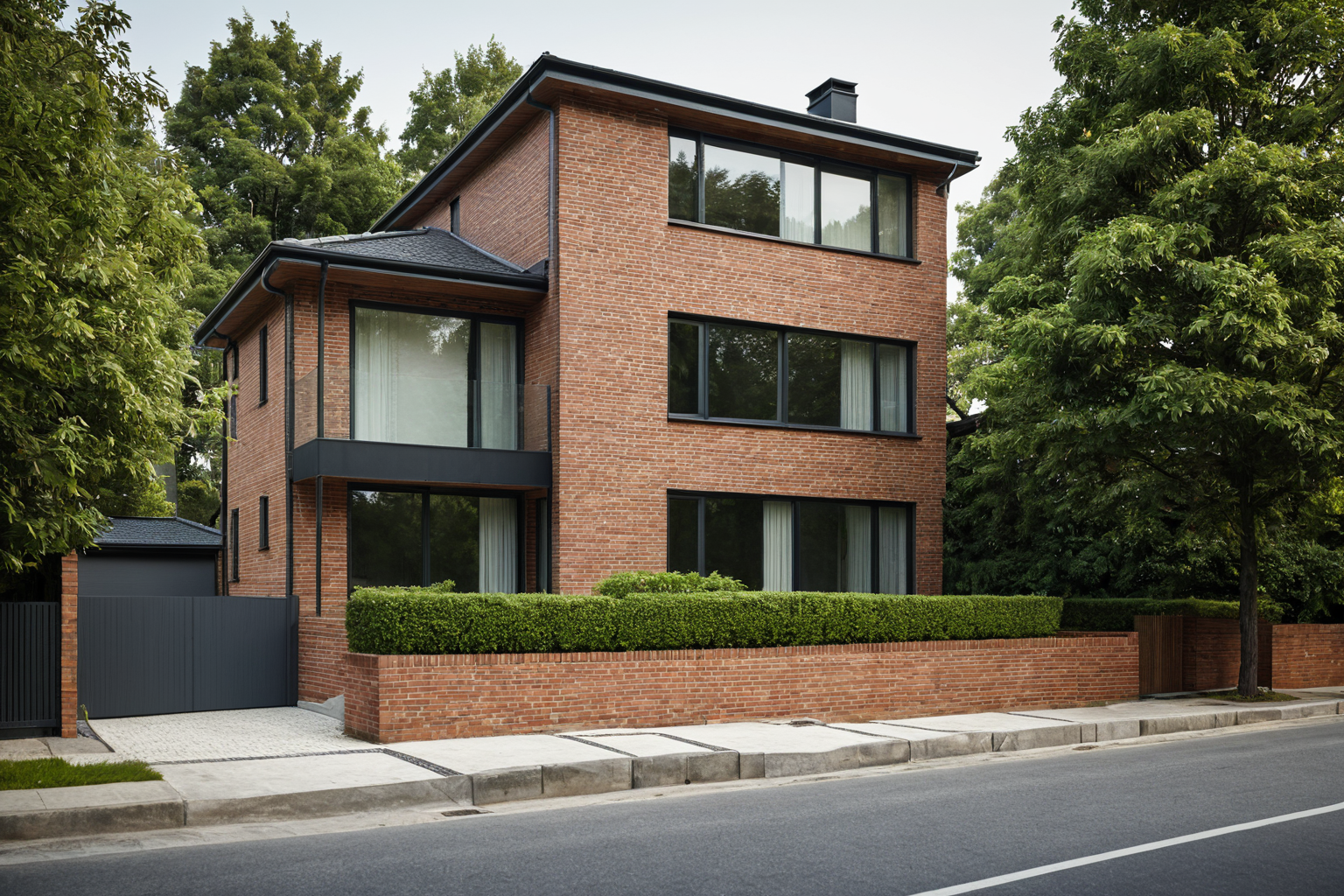
When calculating acquisition tax for a house held in joint ownership by married couples, it is treated as a single residence for inheritance tax purposes. However, if additional properties are acquired, the couple may be classified as multi-homeowners, leading to higher taxes. Properties within adjusted areas often see increased property tax rates, such as a 20.3% increase in Songpa District.
Key Guide to Jointly Owned Property Acquisition Tax Calculation
A house held jointly by spouses is considered a single residence for inheritance tax purposes, but if another property is acquired, it may be classified as multi-homeownership with higher taxes. For example, purchasing an additional home beyond the jointly owned one can significantly increase inheritance tax.
Properties within adjusted areas often experience increased property tax rates. Songpa District saw a 20.3% rise in property tax due to its designation as an adjusted area.
Joint ownership may offer advantages over sole ownership regarding inheritance tax classification, but this does not apply universally. Tax burden varies based on residency status, location, and housing prices.

Weakened Tax Savings Effect from Recent Inheritance Tax Reforms
The recent inheritance tax reform has weakened the tax savings effect of jointly owned properties. Previously, holding property jointly was advantageous, but now it may be classified as multi-homeownership with higher taxes.
The government clarified that jointly owned homes by couples should be treated as single residences, but in practice, they are processed as 0.5+0.5=two residences, leading to a tax burden. This has led to criticism of the 'divorce incentive tax' policy.
Na Kyung-won, a lawmaker, criticized the tax issue related to jointly owned homes on August 11, 2026, calling it a 'divorce incentive tax.' The controversy continued despite government clarification on August 12, 2026.
Calculation Standards for Number of Properties and Inheritance Tax Application
A house held jointly by spouses is considered one residence for inheritance tax calculation. The acquisition of a cooperative housing right is classified as 'original acquisition' and taxed at a flat 2.8% rate regardless of the number of properties.
Even if a spouse or children under 30 live separately, they are still treated as part of one household in accordance with recent amendments to the Local Tax Act. For example, if a couple jointly owns a home and their child lives elsewhere, it is still considered one residence for inheritance tax purposes.
Tax burden varies based on whether the property is occupied or not, location, and housing prices. For instance, properties in Gangnam, Seoul, are subject to higher inheritance tax thresholds due to high prices.
Changes in Taxation After Inheritance Tax Reform
Before the inheritance tax reform, jointly owned homes were treated as single residences with relatively lower inheritance tax. However, recent reforms have classified them as multi-homeownership, increasing taxes.
For example, inheritance tax on a previously jointly owned home was calculated based on one residence, but under new rules, it is treated as two residences, significantly raising the tax burden. This has had a significant impact in high-priced areas like Seoul.
Properties within adjusted areas often see increased property tax rates. Songpa District's 20.3% increase in property tax resulted from its designation as an adjusted area, affecting jointly owned homes as well.
Influence of Actual Residence on Inheritance Tax Burden
Actual residence status greatly affects inheritance tax calculation. A jointly owned home where the couple resides is treated as a single residence with lower inheritance tax.
For example, if a couple lives together in their home, it is considered one residence for tax purposes, and even if they own another property elsewhere, the primary residence remains taxed at one-residence rates.
However, a jointly owned home where the couple does not reside may be classified as multi-homeownership with higher inheritance tax. For instance, if the couple lives separately from their other properties, those are treated as two residences for tax purposes.
Differences in Inheritance Tax Application by Region
There are differences in inheritance tax thresholds between Gangnam, Seoul and regional cities. Gangnam's high-priced housing market leads to higher tax burdens.
For example, jointly owned homes in Gangnam face relatively higher inheritance tax rates due to regional tax standards. In contrast, regional cities may benefit from lower tax rates.
Housing prices also significantly impact the tax burden. High-value properties are subject to higher inheritance tax because the property's price is factored into the calculation.
Strategies After Inheritance Tax Reform
After the inheritance tax reform, couples holding jointly owned homes may need to explore alternative strategies for tax savings. For instance, living with children can reduce taxes as it is treated as one household.
Additionally, when acquiring cooperative housing rights, a flat 2.8% rate applies regardless of property count, making this an option worth considering.
Since actual residences have lower inheritance tax burdens, managing properties based on residency status is advisable. For example, couples may focus on owning the home they live in and rent or sell other properties elsewhere.
Key Information to Verify
When calculating acquisition tax for jointly owned property, it is treated as one residence for inheritance tax purposes but may be classified as multi-homeownership if additional homes are acquired. Properties within adjusted areas often see increased property taxes, such as Songpa District's 20.3% rise.
Joint ownership may offer advantages over sole ownership regarding inheritance tax classification, but this is not universal. Tax burden varies based on residency status, location, and housing prices.
The government claims jointly owned homes should be treated as single residences, but in practice, they are processed as 0.5+0.5=two residences, leading to a tax burden. This has led to criticism of the 'divorce incentive tax' policy.
Frequently Asked Questions
Jointly owned homes by couples are treated as one residence for inheritance tax purposes but may be classified as multi-homeownership if additional properties are acquired, leading to higher taxes.
Properties within adjusted areas often see increased property tax rates. Songpa District's 20.3% rise in property tax is due to its designation as an adjusted area.
The recent inheritance tax reform has weakened the tax savings effect of jointly owned homes. The government claims they should be treated as single residences, but in practice, they are processed as two residences (0.5+0.5), resulting in a higher tax burden.
Frequently Asked Questions
Key considerations for calculating acquisition tax on jointly owned homes include inheritance tax classification, potential multi-homeownership status upon additional property purchase, and increased property taxes within adjusted areas. Recent reforms have weakened the tax savings effect of joint ownership, meaning even couples living together may face higher taxes.
Tax burden varies based on residency status, location, and housing prices, so managing property holdings with these factors in mind is important. Living with children or acquiring cooperative housing rights can reduce tax burdens as they are treated as one household or taxed at a flat rate.
Given the gap between government clarification and actual tax processing, couples should adopt more cautious property ownership strategies after the inheritance tax reform, especially in high-priced areas like Seoul.
FAQ
How is a jointly owned home treated for inheritance tax purposes?
A house held in joint ownership by spouses is considered one residence for inheritance tax calculation, but may be classified as multi-homeownership if additional properties are acquired.
Why did Songpa District's property tax increase by 20.3%?
Songpa District saw a 20.3% increase in property tax due to its designation as an adjusted area, which affects all properties within that region.
What is the 'divorce incentive tax' criticism about?
The government claims jointly owned homes should be treated as single residences, but they are processed as two residences (0.5+0.5), leading to higher taxes and criticism of a 'divorce incentive tax' policy.
Korean Source
This article is an English localization of a Korean-language report from BlogScore. Original: 부부 공동 명의 주택 취득세 계산 시 유의할 점