
Key Companies and Roles in TerraPower SMR Collaboration Project
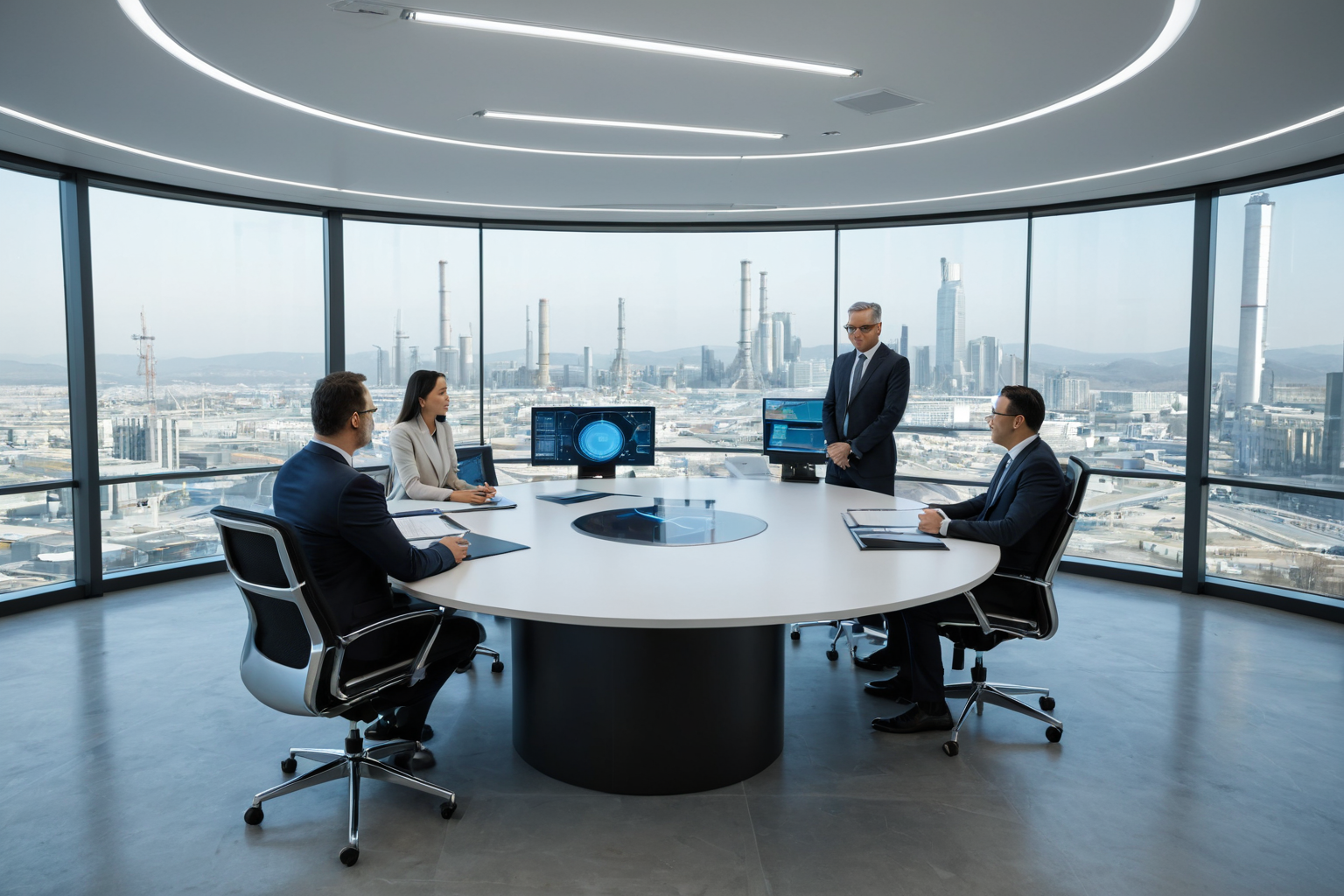
TerraPower SMR Collaboration Project Overview
TerraPower, led by Bill Gates, is collaborating with SK Innovation and major Korean companies including HD Hyundai and Doosan on a sodium-cooled small modular reactor (SMR) project named 'K-Sodium.' The initiative aims to support TerraPower's global expansion while positioning South Korea as an optimal partner for SMR supply chain development. Industry Minister Kim Jeong-gwan emphasized that South Korea is the ideal partner to fulfill core roles in the SMR supply chain.
Collaborating Entities and Roles
The key participants are SK Innovation, HD Hyundai, and Doosan. SK Innovation leads business development, while HD Hyundai and Doosan handle manufacturing. This collaboration aims to commercialize TerraPower's sodium SMR technology in South Korea and expand globally. SK Innovation is also involved in the U.S. Kemmer nuclear project, signaling a strategic expansion of its partnership with TerraPower.
On August 14, 2026, SK Innovation and TerraPower signed a memorandum of understanding for their sodium SMR collaboration. On that day, Industry Minister Kim Jeong-gwan met with Bill Gates to highlight the role of Korean companies in the SMR supply chain. This followed reports on August 15, 2026, about South Korea's nuclear manufacturing ecosystem accelerating its entry into TerraPower's fourth-generation SMR supply chain. Earlier that week, Chairman Jung-yeon and CEO Choi Tae-won met with Bill Gates before his visit to discuss concrete plans for SMR collaboration.
Government Support and Collaboration Structure
The government supports Korean companies in securing global competitiveness in the SMR sector. Minister Kim Jeong-gwan explicitly stated at a meeting with Bill Gates that South Korea is TerraPower's ideal partner, emphasizing its role in forming the core SMR supply chain.
SK Innovation's participation in the U.S. Kemmer nuclear project is viewed as part of this strategic expansion. Additionally, Chairman Choi Tae-won and Bill Gates discussed AI-powered energy solutions to support collaboration, reflecting a strategy to combine SMR technology with AI-based energy management systems for global competitiveness.
Government support extends beyond financial aid, focusing on regulatory improvements and establishing international cooperation frameworks to facilitate global market entry. For instance, standardization of regulations and simplification of international certification procedures are underway as South Korea's nuclear manufacturing ecosystem integrates into TerraPower's fourth-generation SMR supply chain.
As reported on August 15, 2026, the Korean nuclear manufacturing ecosystem is concentrating on technological collaboration and infrastructure development to enter TerraPower's SMR supply chain. This strategic move aims to strengthen South Korea's position in the global SMR market over the coming years.
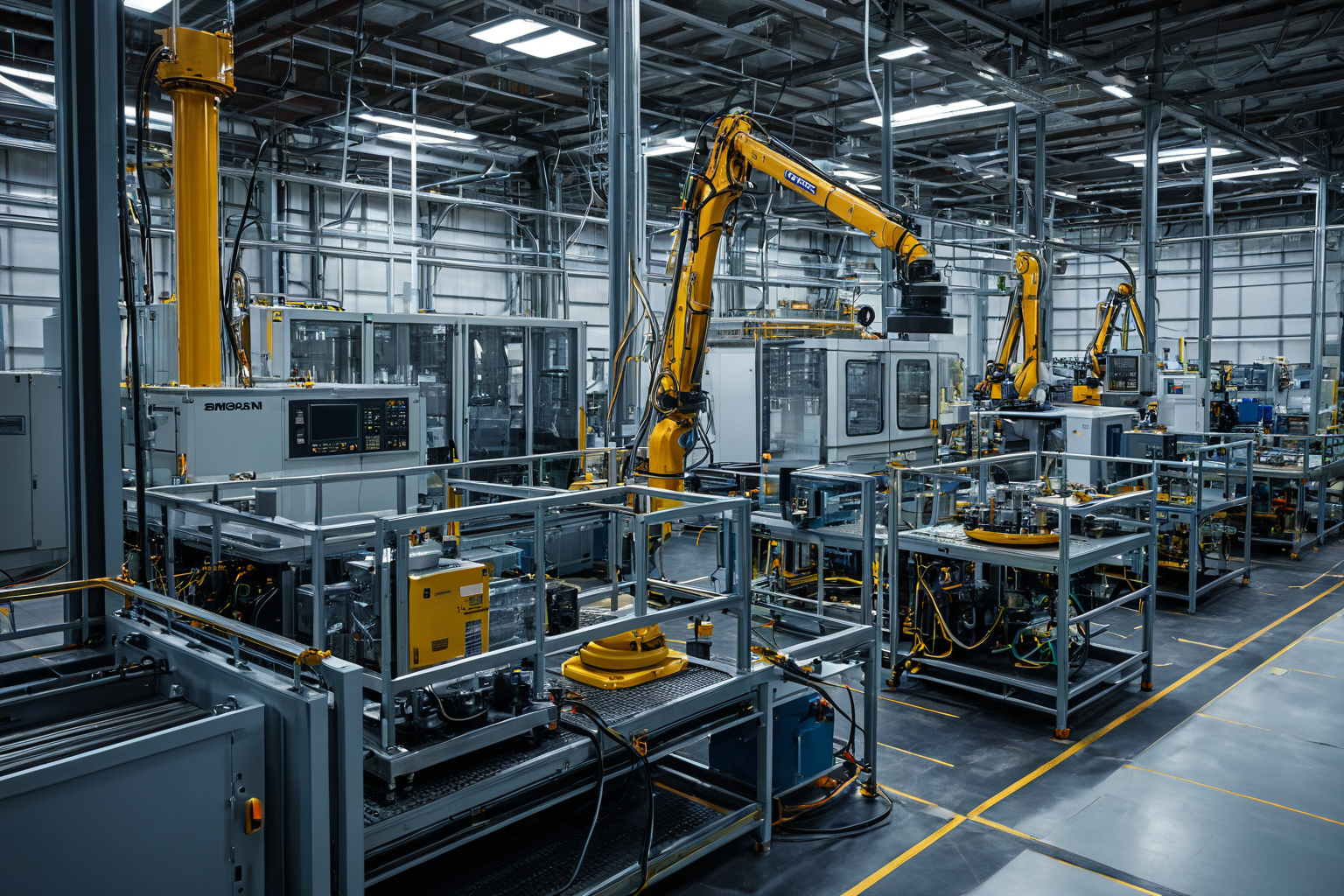
Future Direction of Collaboration
The collaboration between TerraPower and SK Innovation is expanding into a 'K-Nuclear Alliance' that connects development, manufacturing, and supply chains. This alliance aims to position South Korea as a global leader in SMR technology. The K-Nuclear Alliance goes beyond simple cooperation, evolving into a comprehensive strategy to secure competitiveness in the global energy market.
On August 18, 2026, reports indicated that TerraPower's collaboration with SK Innovation, HD Hyundai, and Doosan was becoming more concrete, signaling accelerated entry of South Korea's nuclear manufacturing ecosystem into TerraPower's SMR supply chain. The government aims to cultivate South Korea as a hub for SMR production through this initiative. SK Innovation's involvement in the U.S. Kemmer project further supports global market competitiveness.
Technical Background of Collaboration
Sodium SMRs are a type of small modular reactor that use sodium coolant. They offer superior safety and economic efficiency, particularly suitable for regions where large-scale nuclear plant construction is challenging. TerraPower's sodium SMR technology has gained competitive standing in the global market.
The high-temperature operation capability maximizes energy efficiency while simplifying reactor design to lower maintenance costs. This makes sodium SMRs especially promising for developing countries, and TerraPower aims to expand its global market share through this technology.
SK Innovation leads commercialization efforts in South Korea, while HD Hyundai and Doosan leverage their manufacturing expertise. This strategy simultaneously supports TerraPower's global expansion and Korean companies' overseas market growth. Additionally, sodium SMR technology aligns with global decarbonization goals, contributing to the achievement of carbon neutrality targets.
Future Plans and Key Points to Watch
The collaboration is expected to deepen following the August 14, 2026 agreement. With continued government-industry cooperation, South Korea could secure global leadership in the SMR sector.
Key points to watch include: First, how TerraPower and SK Innovation's partnership connects with the U.S. Kemmer nuclear project. Second, infrastructure development and technological support required for Korean companies to compete globally in the SMR sector. Third, the pace at which regulatory reforms and international cooperation frameworks accelerate global market entry.
Readers can track key information through: First, official government announcements regarding the TerraPower-SK Innovation collaboration. Second, press releases about SK Innovation's involvement in the U.S. Kemmer project for strategic expansion insights. Third, ongoing developments on technological collaboration and infrastructure building as South Korea's nuclear ecosystem enters TerraPower's SMR supply chain.
Significance of the Collaboration
This partnership extends beyond technology sharing to establish South Korea as a competitive player in global SMR markets. Minister Kim Jeong-gwan's statement that 'South Korea is an ideal partner' reflects the project's potential impact on Korean economic and technological innovation.
The TerraPower SMR collaboration, beginning with the agreement signed on August 14, 2026, has solidified South Korea's role in the global SMR market through SK Innovation, HD Hyundai, and Doosan, who lead business development and manufacturing respectively. With government support, this project is poised to become a significant example of how energy technology innovation can enhance global competitiveness.
Frequently Asked Questions
Q: Who are the key companies involved in the TerraPower SMR collaboration?
A: The main participants are SK Innovation, HD Hyundai, and Doosan. SK Innovation leads business development, while HD Hyundai and Doosan handle manufacturing.
Q: What does the 'K-Sodium' project name signify?
A: 'K-Sodium' refers to South Korea's sodium SMR collaboration project developed through partnership between SK Innovation and TerraPower.
Q: How is the government supporting this collaboration?
A: The government, led by Industry Minister Kim Jeong-gwan, has emphasized Korean companies' role in the SMR supply chain during meetings with Bill Gates. It aims to cultivate South Korea as a hub for SMR production through strategic cooperation.
You can explore more articles on similar topics here.
View Related ArticlesFAQ
Who are the key companies involved in the TerraPower SMR collaboration?
The main participants are SK Innovation, HD Hyundai, and Doosan. SK Innovation leads business development, while HD Hyundai and Doosan handle manufacturing.
What does the 'K-Sodium' project name signify?
'K-Sodium' refers to South Korea's sodium SMR collaboration project developed through partnership between SK Innovation and TerraPower.
How is the government supporting this collaboration?
The government, led by Industry Minister Kim Jeong-gwan, has emphasized Korean companies' role in the SMR supply chain during meetings with Bill Gates. It aims to cultivate South Korea as a hub for SMR production through strategic cooperation.
Korean Source
This article is an English localization of a Korean-language report from BlogScore. Original: 테라파워 SMR 협력 프로젝트의 주요 참여 기업과 역할