
Keeping a Turtle in an Aquarium: A Guide to Creating the Perfect Environment
Keeping a Turtle in an Aquarium: A Guide to Creating the Perfect Environment
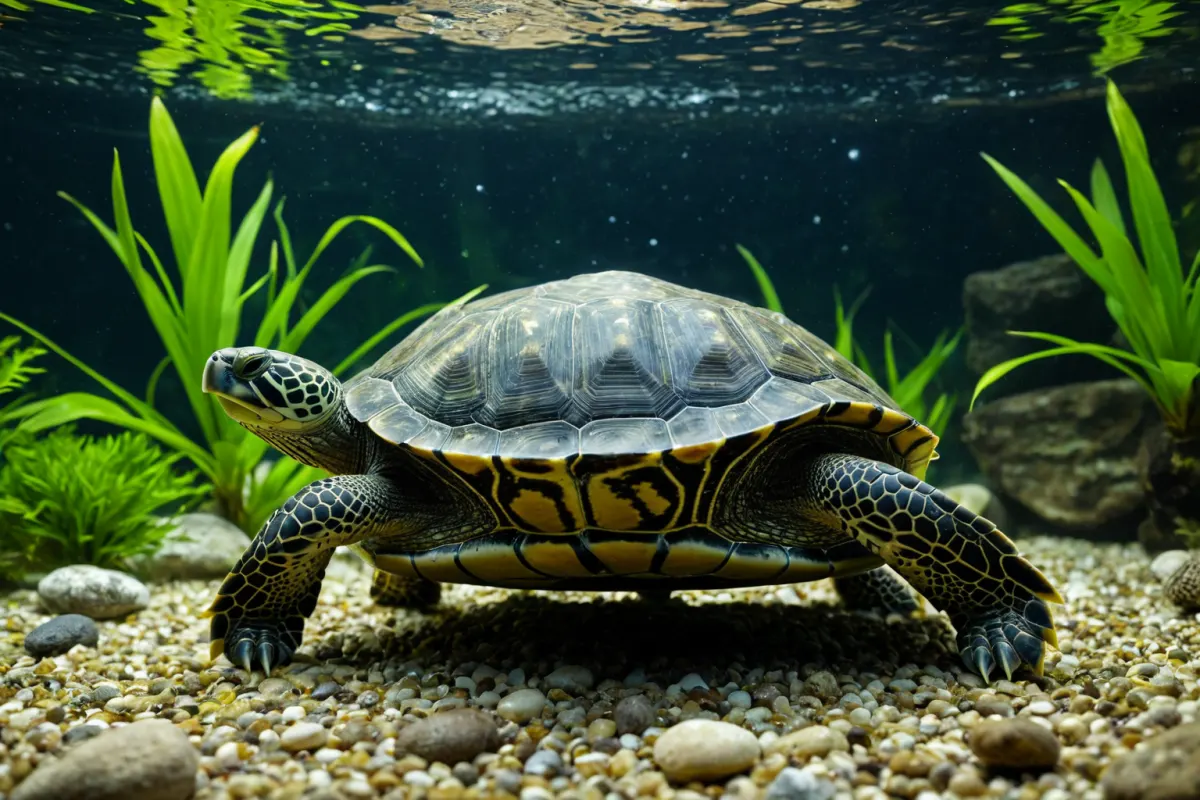
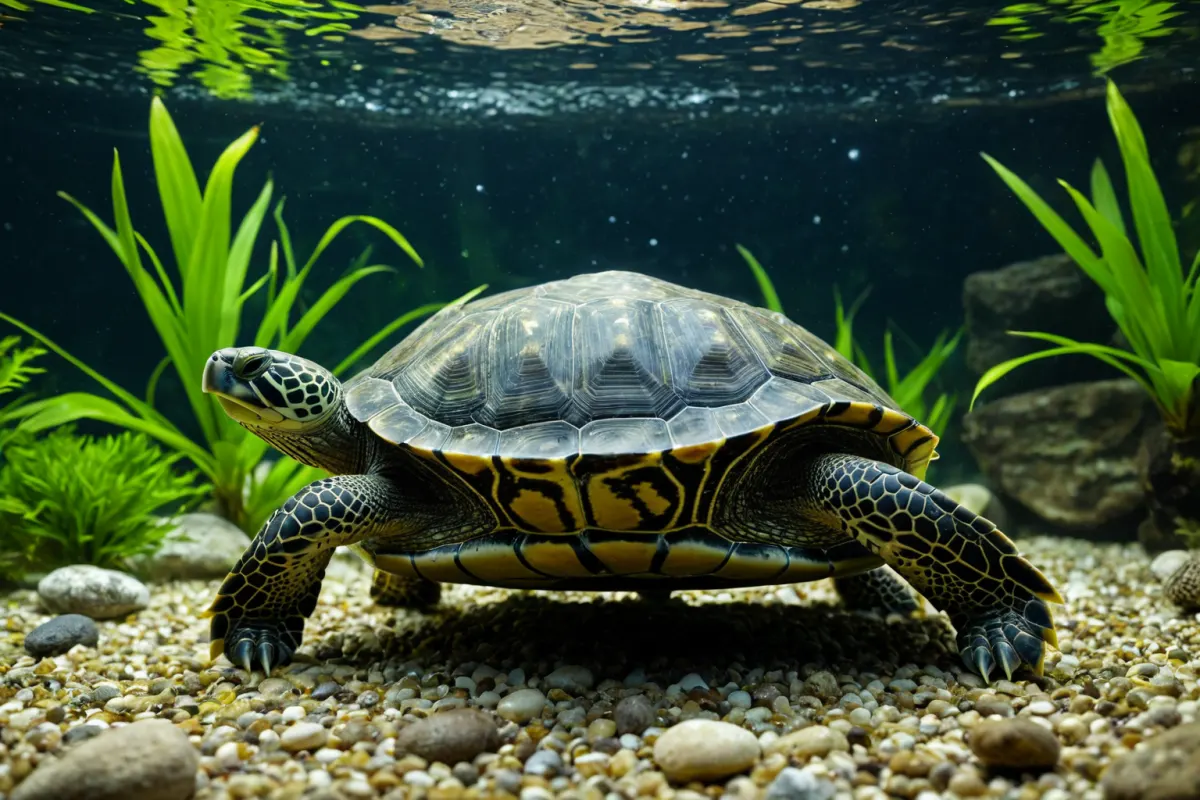
To keep a jewel turtle, it's essential to have the right tank size, water quality management, and feeding schedule. In South Korea, jewel turtles have become popular aquarium pets, with Kim Yun-seok, representative of Eden Aqua aquarium cafe, recommending 'wise aquatic living'.
The key to keeping turtles in an aquarium is understanding their ecology and characteristics. Jewel turtles originate from tropical regions, making water temperature, oxygen supply, and plant placement crucial environmental factors. Water quality must be checked daily, and the tank size should gradually increase as the turtle grows.
Tank Size and Environmental Setup
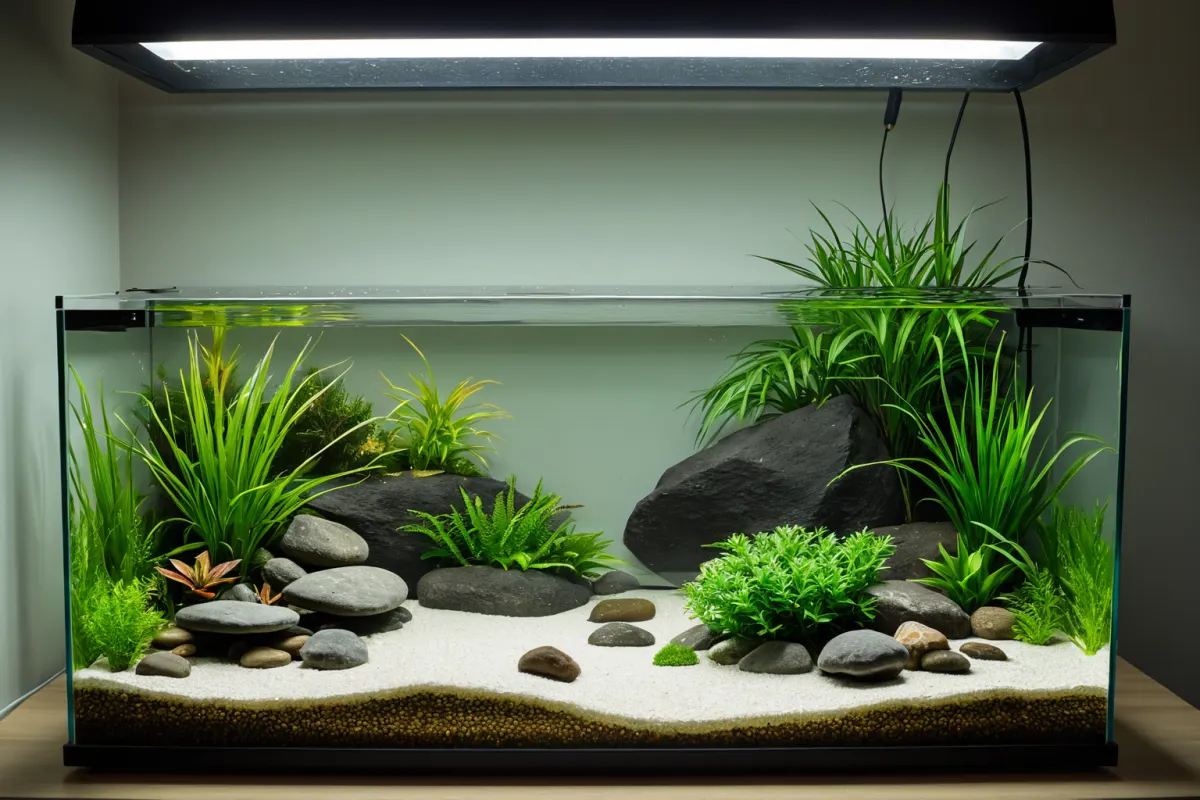
Jewel turtles can grow up to 20-30cm when fully grown, so it's recommended to prepare a tank of at least 150 liters. Initially, you can start with a smaller tank and gradually move to larger ones as the turtle grows.
The water temperature should be maintained between 24-28°C, and aquarium filters and oxygen supply devices are essential. For stone turtles specifically, it's beneficial to provide ample space and natural surroundings for comfortable movement in the water.
Inside the tank, natural structures should be arranged considering the turtle's movement paths. For example, placing rocks or pieces of wood to create resting spaces can help reduce stress. Additionally, covering the tank walls with fine soil or sand can create a more natural environment.
Water plants should be chosen based on the jewel turtle's ecology. Placing aquatic plants like water lilies or lotus not only provides comfortable movement space for turtles but also helps purify the water. However, plant types and sizes should be adjusted according to the turtle's growth.
Water Quality Management and Feeding Schedule
Water quality management is crucial for turtle health. It's recommended to change the water once a week and check pH levels and ammonia concentration using a water test kit.
Feed 2-3 times a week with appropriate portions, and it's beneficial to place various plants for biological balance. When keeping with other aquatic animals like stone turtles or Corydoras, separate feeding areas are needed to prevent food competition.
A key point in water quality management is avoiding large temperature differences during water changes. Sudden temperature fluctuations can stress the turtle, so the new water should be close to the existing tank temperature.
For feeding, it's recommended to use various types of food. For example, mixing appropriate amounts of protein sources like fish or shrimp can help maintain nutritional balance. Also, overfeeding leads to water pollution, so precise measurement of food portions is important.
Understanding the Characteristics and Ecology of Jewel Turtles
Jewel turtles, unlike tropical fish, tend to move along the bottom rather than floating in the water. Therefore, it's important to arrange natural rocks or wood in the tank to provide movement paths.
In South Korea, as jewel turtle popularity has grown, aquarium cafe operators have been sharing professional knowledge and educating consumers. A report by Sijin News in December 2023 highlighted 'the most popular jewel turtle in South Korea'.
Jewel turtles can live up to 20-30 years, so long-term management plans must be considered during care. For example, gradually increasing tank size as they grow or regularly checking water quality is important.
Wise Aquatic Living: Advice from Eden Aqua Aquarium Cafe
Kim Yun-seok, representative of Eden Aqua aquarium cafe, recommends 'wise aquatic living,' emphasizing appropriate environmental setup and management methods for keeping turtles. This advice aims to maintain turtle health and balance the aquarium ecosystem.
Kim's advice focuses on harmony between humans and nature through the concept of 'aquatic living.' Aquarium operators provide customized environment setup guides based on this principle, helping consumers keep turtles healthy.
Specifically, 'wise aquatic living' goes beyond simple care methods to focus on improving the quality of life with turtles. For example, creating natural backgrounds inside the tank or providing accurate water management information helps consumers maintain turtle health effectively.
Avoiding Common Aquarium Management Mistakes
Common issues include stress from insufficient tank size and diseases caused by poor water quality. Especially for young turtles that grow quickly, it's recommended to start with a small tank and gradually increase its size as they grow.
Inadequate water management can lead to shell abnormalities or weakened immunity in turtles. Therefore, regular water changes and filter cleaning are essential.
Other preventive measures include regularly checking the inside of the tank to remove minor pollutants or leftover food, helping maintain consistent water quality.
Keeping with Other Aquatic Animals
Jewel turtles can be kept with other aquatic animals like stone turtles or Corydoras, but separate feeding areas should be provided to prevent food competition. It's difficult to keep them with larger turtles like common musk turtles.
Plant placement inside the tank is also important. Placing plants like water lilies or other aquatic plants creates a natural environment that helps reduce turtle stress and maintain health.
When keeping with other aquatic animals, it's important to consider each animal's ecological needs. For example, stone turtles have a habit of floating in water, making them less compatible with jewel turtles, but overcrowding should be avoided.
Key Information to Check
Tank size: At least 150L or larger, need to expand as turtle grows
Water quality management: Change water once a week, check pH and ammonia concentration
Feeding schedule: 2-3 times per week with appropriate portions
Frequently Asked Questions
Q: How should I choose the tank size?
A: Jewel turtles grow up to 20-30cm as adults, so a minimum of 150L is needed. Start with a smaller tank initially and gradually increase as they grow.
Q: How should I manage water quality?
A: Change the water once a week and check pH and ammonia levels using a test kit. Regular maintenance including filter cleaning is necessary.
Q: Can I keep them with other aquatic animals?
A: Yes, with small aquatic animals like stone turtles or Corydoras, but separate feeding areas are needed to prevent food competition. It's difficult to keep them with large turtles like common musk turtles.
For aquarium management, the most important thing is understanding the turtle's ecology and creating an environment based on that knowledge. As jewel turtles become increasingly popular in South Korea, professional care methods are gradually being shared. Kim Yun-seok's recommendation of 'wise aquatic living' from Eden Aqua aquarium cafe will help make life with turtles healthier.
You can view similar articles all at once.
View Related ArticlesFAQ
How should I choose the tank size?
Jewel turtles grow up to 20-30cm as adults, so a minimum of 150L is needed. Start with a smaller tank initially and gradually increase as they grow.
How should I manage water quality?
Change the water once a week and check pH and ammonia levels using a test kit. Regular maintenance including filter cleaning is necessary.
Can I keep them with other aquatic animals?
Yes, with small aquatic animals like stone turtles or Corydoras, but separate feeding areas are needed to prevent food competition. It's difficult to keep them with large turtles like common musk turtles.
Korean Source
This article is an English localization of a Korean-language report from BlogScore. Original: 어항과 거북이 키우기: 최적의 환경 구성 가이드