
KBO's Heatwave Game Cancellation Criteria and Real-World Examples
KBO Heatwave Game Cancellation Criteria
On August 4, 2026, KBO canceled scheduled professional baseball games at Jamsil and Gwangju due to a heatwave emergency alert. This marked the first instance of applying the new criteria: canceling games when maximum temperature reaches 39°C or apparent temperature exceeds 38°C.
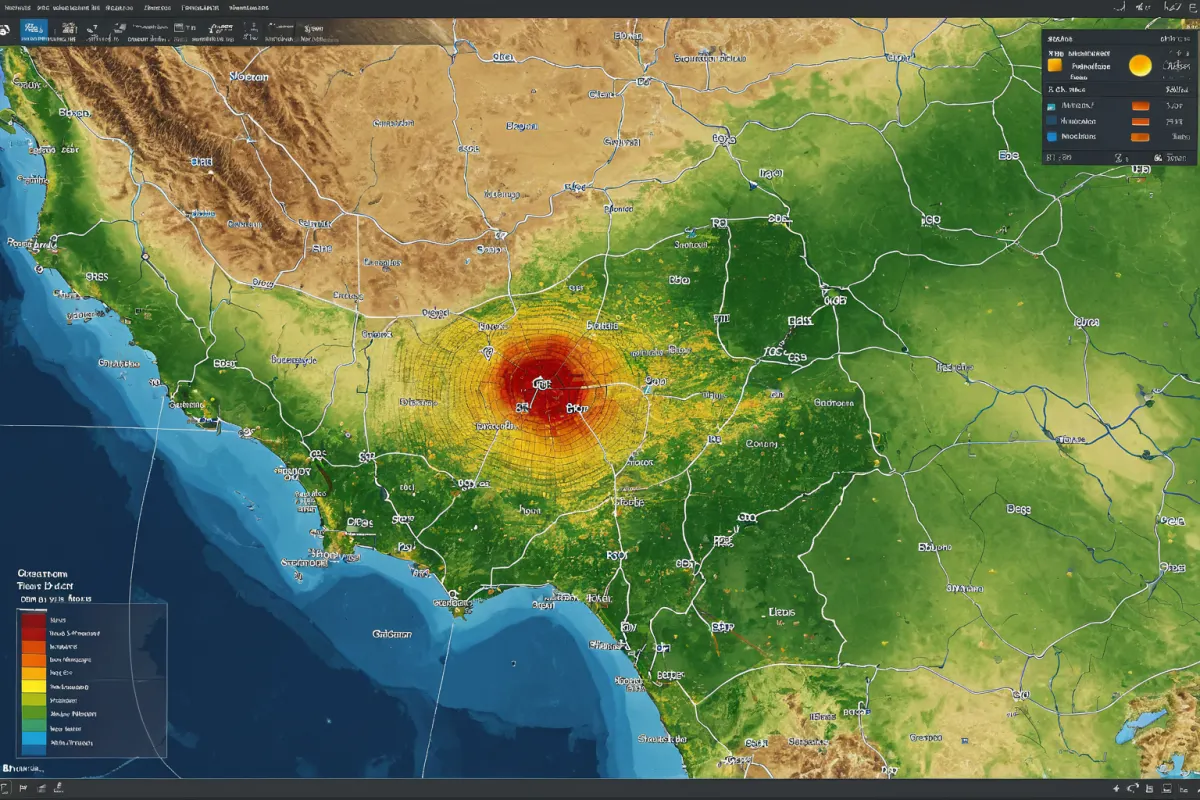
KBO Heatwave Cancellation Decision Criteria
KBO makes cancellation decisions by 1 p.m. on the day of a game when a heatwave emergency alert is issued. Games are canceled if maximum temperature exceeds 39°C or apparent temperature surpasses 38°C. This standard, officially announced on August 3, 2026, forms part of KBO's updated heatwave response guidelines for professional baseball operations.
KBO makes decisions by 1 p.m., based on the Korea Meteorological Administration's alert, prioritizing player and spectator safety. The criteria consider both maximum temperature and apparent temperature.
The August 3, 2026 announcement marked a shift from previous simple cancellation policies to a more nuanced system that aligns with the Korea Meteorological Administration's heatwave alert levels (advisory, warning, emergency). This allows KBO to adjust game operations according to specific alert stages.
Specifically, requiring decisions by 1 p.m. before games start at 2 p.m. reflects a safety-first approach based on weather forecasts and ensures timely action for player and spectator protection.
Real-World Heatwave Cancellation Examples
On August 2, 2026, KIA vs. NC game in Changwon was canceled for two consecutive days due to maximum temperatures reaching 39°C. This occurred before the new criteria were implemented and represents a precursor case that prompted KBO's revised guidelines.
The back-to-back cancellations on August 2 marked the first time in professional baseball history that games were canceled twice in succession due to heat, prompting KBO to develop detailed cancellation standards. On August 2, the Korea Meteorological Administration issued a heatwave advisory but not an emergency alert, leading to delayed decision-making by KBO.
KBO announced its revised heatwave response guidelines on August 3, incorporating lessons from Changwon's two-day cancellations. The new criteria were applied for the first time on August 4 when games in Seoul and Gwangju were canceled due to a heatwave emergency alert.
According to meteorological data, Changwon's maximum temperature reached 39.1°C with an apparent temperature of 37.5°C on August 2, 2026. While this did not meet the emergency alert threshold (apparent temperature ≥38°C), KBO canceled games due to exceeding the 39°C maximum temperature.
Youth Baseball Heatwave Regulations Not Applied
KBO's heatwave cancellation policy applies only to professional baseball, not youth leagues. This lack of application has led to safety concerns as games often proceed without adequate precautions during extreme heat.
On August 1, 2026, a youth baseball tournament in Changwon continued despite maximum temperatures of 37°C and apparent temperature of 35°C. This exposed young athletes to heat-related health risks and highlighted the need for KBO to extend similar safety standards to youth competitions.
Unlike MLB and NPB, which have no specific heatwave regulations, KBO is the only league that has developed detailed criteria for heatwave response. This makes KBO's approach unique among major baseball leagues, resulting in a notably higher rate of game cancellations due to heat compared to other leagues.
Discussions about extending these standards to youth competitions are ongoing within KBO, with new guidelines expected by September 2026. This initiative aims to better protect young athletes from heat-related health risks.
Heatwave Response and Safety Management
KBO cancels games by 1 p.m. when a heatwave emergency alert is issued, prioritizing prevention of heatstroke for players and spectators. Decisions are typically based on the Korea Meteorological Administration's alerts.
The August 4 cancellation in Seoul and Gwangju represented KBO's first application of its tiered response system, moving from immediate cancellations during heat events to a more structured approach aligned with specific alert levels.
KBO's criteria align precisely with the Korea Meteorological Administration's emergency alert thresholds (maximum temperature ≥39°C or apparent temperature ≥38°C), ensuring decisions are based on official meteorological standards and maintain high credibility.
On August 4, KBO made its cancellation decision at 1:30 p.m. in Seoul, adhering to the 1 p.m. deadline. This example demonstrates strict compliance with their own guidelines and could serve as a model for other leagues to follow.
Real Application Examples Compared
KBO cancels games when heatwave emergency alerts are issued before 1 p.m., with cancellation triggered by maximum temperature exceeding 39°C or apparent temperature surpassing 38°C. This aligns with the August 4 cancellations of Seoul and Gwangju games.
Changwon's two-day cancellation on August 2 occurred before KBO's new guidelines were implemented, when a heatwave advisory was issued but not an emergency alert. After announcing revised standards on August 3, KBO applied them for the first time on August 4.
The youth tournament in Changwon on August 1 continued despite temperatures of 37°C maximum and 35°C apparent temperature without a heatwave emergency alert. This case exemplifies the lack of heatwave regulations for youth competitions, highlighting KBO's policy gap compared to professional leagues.
Searcher Verification Information
KBO game cancellations apply when maximum temperature exceeds 39°C or apparent temperature surpasses 38°C, with decisions made by 1 p.m. after a heatwave emergency alert. The standard was officially announced on August 3, 2026, and first applied on August 4 for games in Seoul and Gwangju.
Youth baseball lacks cancellation regulations, meaning games often proceed during heatwaves without safety measures. This has raised safety concerns, prompting KBO to develop new guidelines for youth competitions by September 2026.
KBO's August 4 decision followed a Korea Meteorological Administration alert issued at 12:30 p.m., with KBO making its cancellation decision before the 1 p.m. deadline. This timely action demonstrates adherence to their own standards and could serve as a model for other leagues.
Frequently Asked Questions
Q: What are KBO's heatwave game cancellation criteria?
A: Games are canceled when maximum temperature exceeds 39°C or apparent temperature surpasses 38°C. Decisions are made by 1 p.m. following a heatwave emergency alert.
Q: Are youth baseball games canceled due to heatwaves?
A: No, KBO's heatwave cancellation policy applies only to professional baseball leagues, not youth competitions.
Q: Do MLB and NPB have heatwave regulations? A: No, they lack specific heatwave policies. KBO is the only league that has developed detailed criteria for heatwave response, making it unique among major baseball leagues.
You can find more articles on similar topics in one place.
View Related ArticlesFAQ
What are KBO's heatwave game cancellation criteria?
Games are canceled when maximum temperature exceeds 39°C or apparent temperature surpasses 38°C. Decisions are made by 1 p.m. following a heatwave emergency alert.
Are youth baseball games canceled due to heatwaves?
No, KBO's heatwave cancellation policy applies only to professional baseball leagues, not youth competitions.
Do MLB and NPB have heatwave regulations?
No, they lack specific heatwave policies. KBO is the only league that has developed detailed criteria for heatwave response, making it unique among major baseball leagues.
Korean Source
This article is an English localization of a Korean-language report from BlogScore. Original: KBO 폭염 취소 여부 판단 기준과 실제 사례