
KBO's Heatwave Game Cancellation Criteria Explained with Examples
KBO Heatwave Game Cancellation Criteria
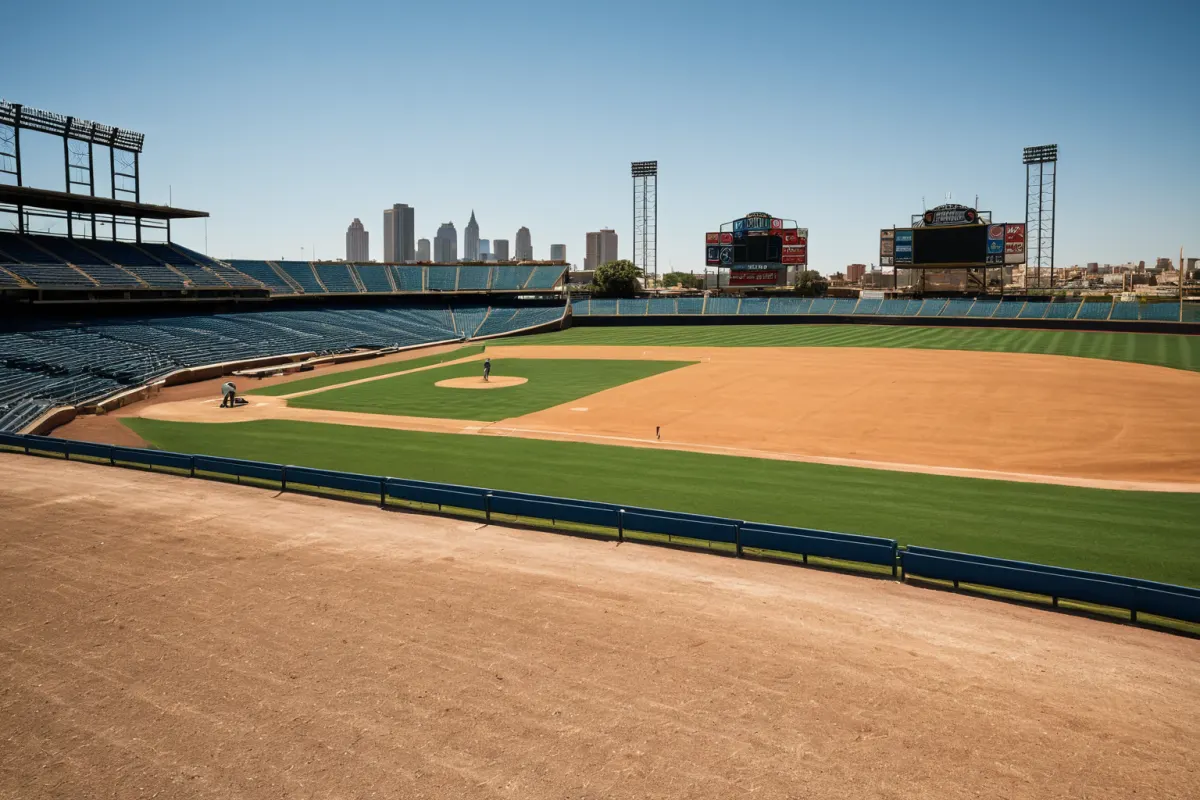
On August 4, 2026, scheduled professional baseball games in Seoul's Jamsil and Gwangju were abruptly canceled due to the activation of a severe heatwave alert. KBO regulations require that game cancellations be decided by 1 p.m. if a severe heatwave alert is issued in the area.
Breakdown of Heatwave Cancellation Standards
KBO has clearly defined its criteria for canceling games due to extreme heat. Games will be canceled if temperatures exceed 39°C (102°F) or apparent temperature exceeds 38°C (100°F). This regulation was established following record-breaking heatwaves on August 1 in Busan (40.5°C/104.9°F) and Gyeongnam (41.6°C/106.9°F).
On August 2, games in Changwon were canceled for two consecutive days due to extreme heat, while the Busan game was delayed by 30 minutes. On August 4, games scheduled in Jamsil and Gwangju were canceled due to severe heatwave alerts.
Historic Three-Game Series Cancellation Between KIA and NC
KBO's new regulation was applied for the first time in history. All three games of the scheduled KIA vs. NC series on August 4 were canceled due to a severe heatwave alert, marking what is expected to be the first instance of mass game cancellations due to extreme heat in professional baseball history.
Games originally planned for August 1 in Busan and Changwon had been canceled due to heat alerts, which was the first application of KBO's regulation requiring decisions on cancellations by 1 p.m. after a severe heatwave alert was issued.
Differences from Previous Regulations
KBO's previous regulations allowed for one-hour delays or cancellations based on the severity level of heat alerts, but the new rules mandate immediate cancellation if temperatures exceed 39°C (102°F) or apparent temperature exceeds 38°C (100°F). This change prioritizes player and spectator safety in response to increasingly severe weather conditions.
It's also worth noting that the regulation does not apply to youth games, as KBO has not established separate rules for youth competitions due to safety considerations for young athletes.
Heat Conditions and Weather Context
On August 1, Busan recorded a high of 40.5°C (104.9°F) and Gyeongnam reached 41.6°C (106.9°F), both exceeding the severe heatwave alert threshold set by the Korea Meteorological Administration.
On August 2, Changwon continued to experience extreme heat, leading to two consecutive days of game cancellations. Busan issued a severe heatwave alert just 30 minutes before game start time, resulting in a 30-minute delay.
On August 4, both Jamsil and Gwangju activated severe heatwave alerts, prompting the cancellation of all scheduled games by 1 p.m., as required by the new regulation.
Response and Safety Measures
KBO has established that when a severe heatwave alert is issued, game cancellations must be decided by 1 p.m. This measure directly reflects the Korea Meteorological Administration's severe heatwave alert system to prioritize player and spectator health and safety.
Notably, cancellation decisions apply only in areas with severe heatwave alerts; during regular heatwave alerts, a one-hour delay is permitted. This represents an escalation in response measures as heat conditions worsen, compared to previous regulations.
The canceled Jamsil and Gwangju games on August 4 are expected to be recorded as KBO's first application of the new regulation, marking what could become the first large-scale cancellation due to extreme heat in professional baseball history.
Confirmed Facts vs. Unverified Information
KBO's requirement that cancellations be decided by 1 p.m. when a severe heatwave alert is issued has been confirmed as a fact. Additionally, the cancellation of games scheduled in Jamsil and Gwangju on August 4 due to severe heatwave alerts is documented in news reports.
However, KBO's statement that youth games are not subject to these cancellation rules was mentioned only in some media reports without sufficient supporting evidence, making this information unverified at present.
Cause for Regulation
KBO established its heatwave game cancellation regulation following the record-breaking heatwaves on August 1, 2026, in Busan (40.5°C/104.9°F) and Gyeongnam (41.6°C/106.9°F), which exceeded the Korea Meteorological Administration's severe heatwave alert threshold.
In response to these conditions, KBO implemented a rule requiring game cancellations by 1 p.m. when a severe heatwave alert is issued, prioritizing player and spectator safety. This represents a stricter measure than previous regulations that allowed for one-hour delays during regular heat alerts, reflecting the increasing severity of heat conditions.
Response and Safety Information
KBO has established that game cancellations must be decided by 1 p.m. when a severe heatwave alert is issued, directly aligning with the Korea Meteorological Administration's alert system to prioritize safety for players and spectators.
KBO also clarified that the regulation does not apply to youth games, as separate rules have not been established due to specific safety considerations for young athletes.
Information to Verify
Confirmed facts include: KBO requires cancellations by 1 p.m. during severe heatwave alerts, cancellation occurs when temperatures exceed 39°C (102°F) or apparent temperature exceeds 38°C (100°F), and games in Jamsil and Gwangju on August 4 were canceled due to extreme heat.
Unverified information includes: Whether youth games are subject to cancellation rules. While some reports state KBO has indicated youth games aren't covered, sufficient evidence hasn't been provided to confirm this.
Frequently Asked Questions
What is KBO's heatwave game cancellation criteria?
KBO requires that cancellations be decided by 1 p.m. when a severe heatwave alert is issued, and games are canceled if temperatures exceed 39°C (102°F) or apparent temperature exceeds 38°C (100°F).
Are youth games canceled due to extreme heat?
KBO has stated that the cancellation criteria do not apply to youth games, which is believed to be a safety measure for young athletes.
How are game schedules adjusted when severe heatwave alerts are issued?
During a severe heatwave alert, cancellations must be decided by 1 p.m., while during regular heatwave alerts, a one-hour delay is permitted.
Frequently Asked Questions
KBO's new heatwave game cancellation regulation represents a safety-focused approach to adjusting event operations in response to severe weather conditions. The August 4, 2026 cancellations of games in Jamsil and Gwangju mark the first application of this rule, signaling what could become a precedent for handling extreme heat events in professional sports.
This incident highlights how increasingly severe weather patterns are prompting changes to event management protocols. With continued extreme heat expected in future seasons, more games may face cancellation under these new rules. KBO plans to strictly enforce these regulations to ensure the safety of players and spectators during extreme weather conditions.
You can find similar articles on this topic in one place.
View Related ArticlesFAQ
What is KBO's heatwave game cancellation criteria?
KBO requires that cancellations be decided by 1 p.m. when a severe heatwave alert is issued, and games are canceled if temperatures exceed 39°C (102°F) or apparent temperature exceeds 38°C (100°F).
Are youth games canceled due to extreme heat?
KBO has stated that the cancellation criteria do not apply to youth games, which is believed to be a safety measure for young athletes.
How are game schedules adjusted when severe heatwave alerts are issued?
During a severe heatwave alert, cancellations must be decided by 1 p.m., while during regular heatwave alerts, a one-hour delay is permitted.
Korean Source
This article is an English localization of a Korean-language report from BlogScore. Original: KBO 폭염 취소 기준, 구체적인 예시와 설명