
Kang Jun-i's AG Gold Medal Achievement: A Skater's Journey of Growth
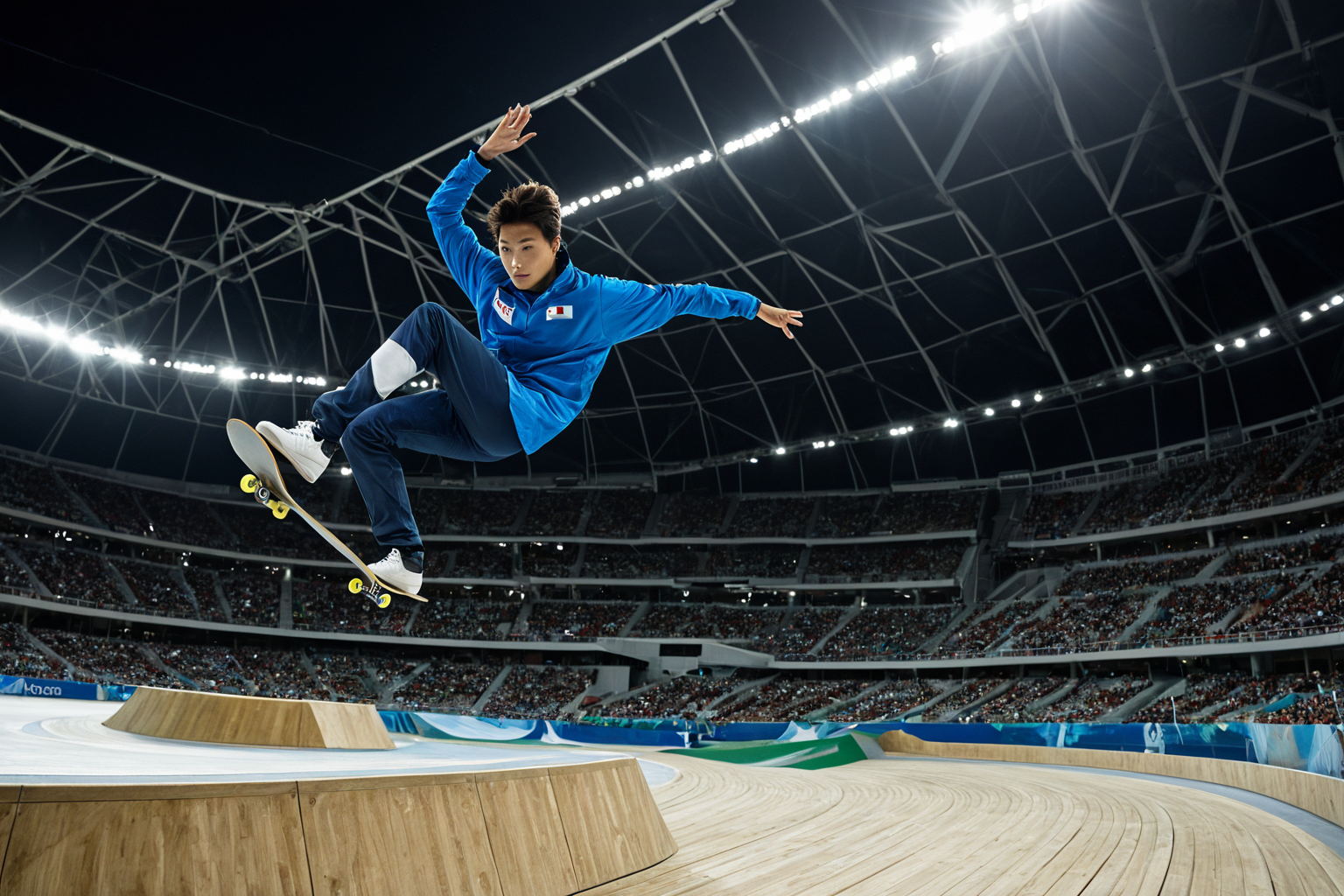
Kang Jun-i's AG Gold Medal Achievement
Sixteen-year-old high school student Kang Jun-i secured South Korea's first-ever gold medal in skateboarding at the 2026 Nagoya Asian Games men's street event. He overtook a Japanese competitor with a final trick reversal to claim victory. It was reported that during the competition, he regained his composure after a failed trick by spotting his mother in the stands.
Historic Significance of Korea's First Skateboarding Gold
Kang Jun-i became South Korea's first gold medalist in skateboarding since the sport was officially included in the Asian Games. As a graduate of the 'Talent Discovery Program'—a program that identifies and trains promising young athletes—he has opened a new chapter in gymnastics history. This gold medal is seen as more than just an individual achievement; it symbolizes the advancement of South Korea's skateboarding scene.
At the Nagoya Asian Games, Kang Jun-i won the men's street event by surpassing Japanese competitors. This marked South Korea's first victory in skateboarding since its official inclusion in the Asian Games, making this achievement particularly significant as it came in a newly added sport rather than traditional gymnastics.
Psychological Strategy Behind the Comeback Victory
Kang Jun-i's gold medal victory was not just about technical skill but also psychological resilience. Despite trailing behind his Japanese rival throughout most of the competition, he turned things around with a trick reversal on his final attempt. His strategy emphasized mental focus and split-second decision-making over pure technical execution.
Notably, after failing a trick midway through the event, Kang Jun-i regained his composure upon seeing his mother in the stands—a moment that highlighted his growth as a gymnast. This incident underscored how emotional stability, concentration, and family support are critical elements in gymnastics.
In post-competition interviews, Kang Jun-i stated, 'I refocused my mind after seeing my mom during the final moments.' This response drew attention not only for his athletic growth but also for his ability to manage personal emotions under pressure.
Medal Request for Replacement Due to Minor Flaw
A small scratch was reportedly found on Kang Jun-i's gold medal. He requested a replacement from the organizing committee, which was promptly addressed.
The issue with the scratched medal is viewed as an example of attention to detail and perfectionism in gymnastics—a balance between the athlete’s diligence and the committee’s swift response. Given that medals hold profound symbolic value for athletes, it's natural for them to request replacements when imperfections arise.
This case highlights how both athletes and organizers prioritize maintaining the pristine condition of medals, which are not just symbols but important memorabilia commemorating achievements.
Kang Jun-i's Gymnastics Career and Growth Journey
Kang Jun-i has steadily developed as a gymnast since his early days. Before taking up skateboarding, he had already gained recognition for his skills in the gymnastics arena.
The Talent Discovery Program is an initiative within South Korean gymnastics designed to identify and systematically train promising young athletes. Kang Jun-i honed both his technical abilities and emotional stability through this program.
His success in skateboarding can be linked to the professionalism he developed as a product of the Talent Discovery Program. The concentration, emotional management skills, and technical expertise gained from gymnastics were directly applied to his skateboarding achievements.
Evolution of Gymnastics and Future Prospects
Kang Jun-i's success is being noted as an example of how gymnastics has evolved. Traditionally focused on technical precision, the sport now places greater emphasis on psychological factors and emotional stability.
With skateboarding added as a new event to the Asian Games, the scope of gymnastics has expanded. This integration between traditional gymnastics and emerging sports demands that athletes develop well-rounded abilities.
Kang Jun-i's victory is expected to inspire future Korean athletes in new disciplines like skateboarding. His success represents not just an expansion of events but a broader shift in how the sport approaches athlete development.
Historical Connection Between Kang Jun-i and Skateboarding
As South Korea's first gold medalist in skateboarding since its official inclusion in the Asian Games, Kang Jun-i is seen as a pivotal figure in the sport's growth. His victory has helped establish skateboarding as a legitimate event within the Asian Games framework.
This gold medal marks a milestone for skateboarding at the Asian Games, setting the stage for more Korean athletes to excel in this discipline. Kang Jun-i is viewed as an example of how sports diversity and development can go hand-in-hand.
Kang Jun-i's achievement symbolizes not only the future of gymnastics but also the potential for Korean athletes in emerging disciplines. It represents a significant moment that will be recorded in the history books of both skateboarding and gymnastics.
His gold medal, while an individual accomplishment, has opened new chapters for both gymnastics and skateboarding. His journey and competitive style are expected to inspire many, showcasing new possibilities within the sport.
Kang Jun-i's victory is historic not just as South Korea's first in skateboarding but also because it marks a pivotal moment in Korean gymnastics history. It reflects the evolving nature of the sport and points toward a future where more athletes will follow this path.
Kang Jun-i's Growth Journey and Sports Evolution
Kang Jun-i cultivated focus and emotional stability through his gymnastics career, which he then applied to skateboarding. His story is a key example of how gymnastics has evolved and developed.
Since skateboarding was officially added to the Asian Games in 2026, Kang Jun-i became South Korea's first gold medalist in the sport. This milestone helped establish skateboarding as a recognized event within the Asian Games framework and is expected to encourage more Korean athletes to excel in this discipline.
Frequently Asked Questions
How old was Kang Jun-i during the Asian Games? Kang Jun-i was 17 years old, a high school student, when he won gold at the 2026 Nagoya Asian Games.
When was skateboarding added to the Asian Games as an official sport? Skateboarding was officially included in the Asian Games in 2026 during the Nagoya event.
Was there a scratch on Kang Jun-i's gold medal? Yes, his gold medal had a small scratch. He requested and received a replacement from the organizing committee promptly.
FAQ
How old was Kang Jun-i during the Asian Games?
Kang Jun-i was 17 years old, a high school student, when he won gold at the 2026 Nagoya Asian Games.
When was skateboarding added to the Asian Games as an official sport?
Skateboarding was officially included in the Asian Games in 2026 during the Nagoya event.
Was there a scratch on Kang Jun-i's gold medal?
Yes, his gold medal had a small scratch. He requested and received a replacement from the organizing committee promptly.
Korean Source
This article is an English localization of a Korean-language report from BlogScore. Original: 강준이 AG 금메달 승급 기록: 체조 선수의 성장 과정